The Step-by-Step Guide to Winning Social Media Campaigns

🚀 The Social Media Campaign Steps That Actually Drive Results
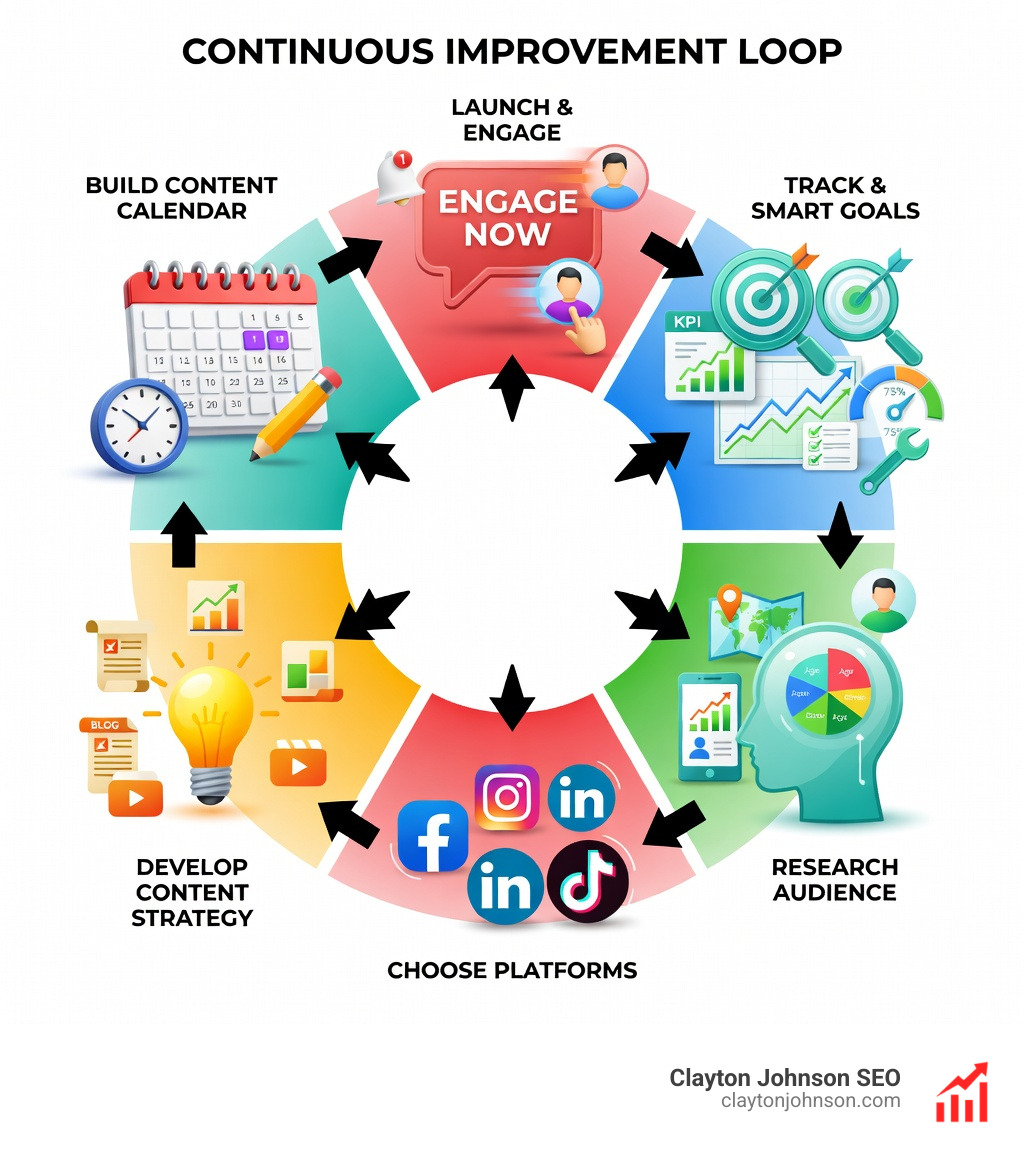
The social media campaign steps most teams skip are exactly why their campaigns underperform. Here is the fast answer if you need it now:
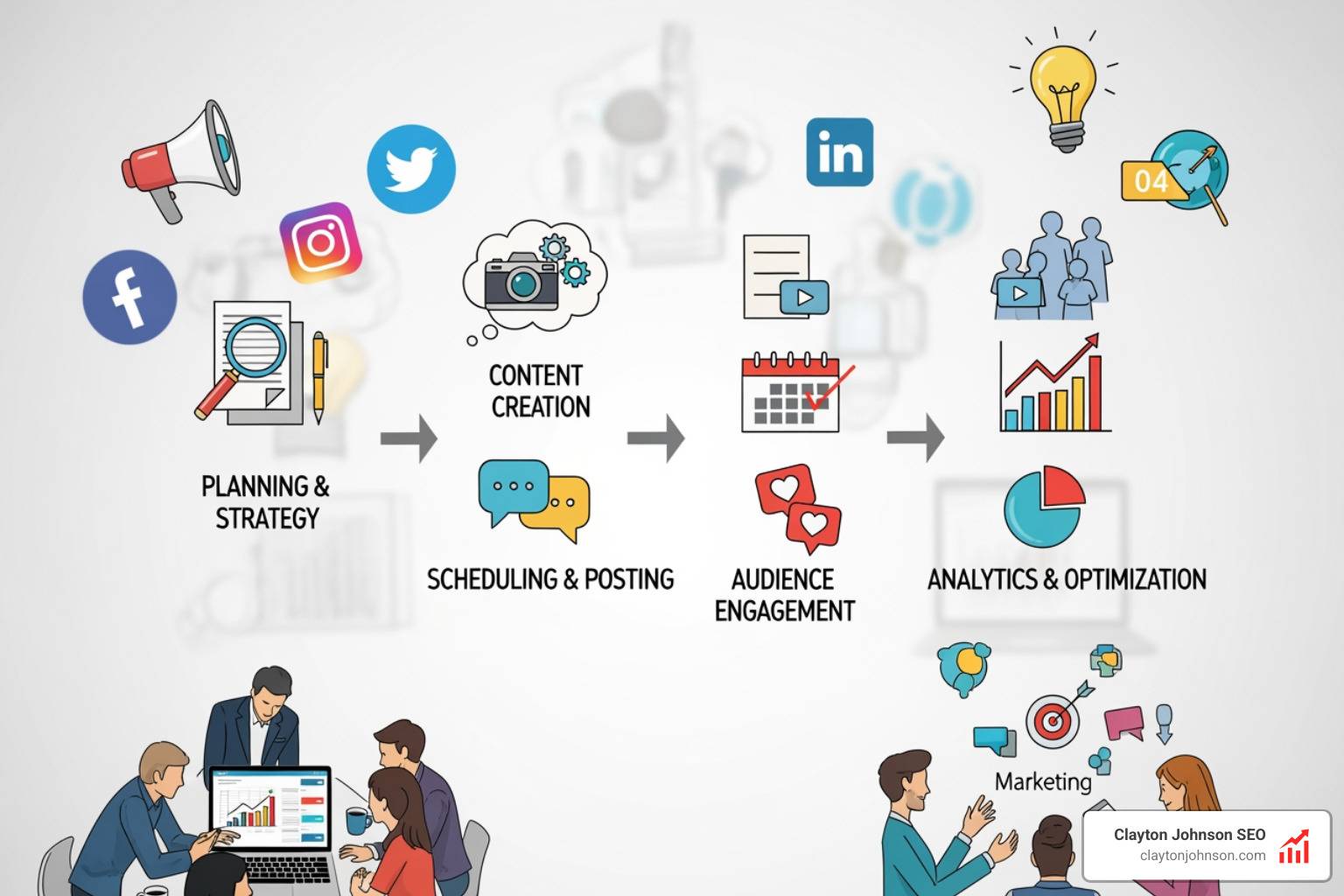
- Define SMART goals — specific, measurable, and tied to business outcomes
- Research your target audience — demographics, behaviors, platform preferences
- Choose the right platforms — go where your audience actually spends time
- Develop your content strategy — brand voice, content types, posting cadence
- Build a content calendar — plan and schedule every post in advance
- Launch and engage — post, monitor, and actively respond to your audience
- Track performance and optimize — measure KPIs, run A/B tests, adjust in real time
That is the skeleton. The rest of this guide puts meat on those bones.
Social media is not optional anymore. Over 62.3% of the world’s population — more than five billion people — use social media today. That is an enormous opportunity. But most brands waste it by posting randomly and hoping something sticks.
A random post is not a campaign. A campaign is a coordinated, goal-driven, time-bound effort. The difference between the two is the difference between noise and results.
The data backs this up. Marketers who set clear goals are 376% more likely to report success than those who do not. That single stat should stop you from ever launching a campaign without a plan again.
This guide walks you through every step — from setting goals to reading your analytics — so your next campaign is built to win.
I’m Clayton Johnson, an SEO and growth strategist who has built structured marketing systems for founders and marketing leaders across dozens of business models, including campaigns built around the exact social media campaign steps outlined here. If you want a framework that compounds over time rather than spikes and fades, you are in the right place.
Social media campaign steps word roundup:
What is a Social Media Campaign?

At its core, a social media campaign is a strategic marketing initiative designed to achieve a specific business objective over a set period. Unlike your “business as usual” daily posts—which are meant to maintain a baseline level of engagement—a campaign is highly targeted, focused on a single theme, and measured against predetermined benchmarks.
Think of it this way: Your regular posts are the steady heartbeat of your brand. Your campaign is the adrenaline shot intended to drive a specific action, like a product launch or a holiday sale.
Regular Posts vs. Campaigns
While regular posts keep your brand top-of-mind, campaigns are built around:
- Coordinated Effort: Every post, video, and ad works together to reinforce a single message.
- Specific Goals: Whether it is driving 500 new newsletter signups or selling 200 event tickets.
- Time-Bound Nature: Campaigns have a clear start and end date.
For B2B companies, a campaign might focus on generating high-intent leads. To see if your current approach is missing the mark, we recommend running a B2B demand gen audit to identify gaps in your funnel.
Essential Social Media Campaign Steps for Success

Success is not an accident; it is the result of a structured architecture. Many companies fail because they have plenty of tactics but no growth system. By following a proven set of social media campaign steps, you move from guessing to growing.
To simplify your journey, you can use a free social media campaign planning template to organize your thoughts. A solid plan includes competitive analysis, resource allocation, and a deep understanding of SEO content marketing to ensure your social efforts support your broader search visibility.
Step 1: Define SMART Goals for Your Social Media Campaign Steps
You cannot hit a target you have not set. According to a CoSchedule report, marketers who set goals are 376% more likely to report success.
Your goals must be SMART:
- Specific: “Increase Instagram followers by 20%” instead of “get more followers.”
- Measurable: Use KPIs like click-through rate (CTR) or conversion rate.
- Attainable: Ensure you have the budget and team to reach the goal.
- Relevant: Does this social goal align with your revenue targets?
- Time-bound: Set a deadline, such as “by the end of the quarter.”
Aligning your social goals with business outcomes ensures you are not just chasing “vanity metrics” like likes, but driving actual value.
Step 2: Research Your Audience for Effective Social Media Campaign Steps
If you try to talk to everyone, you end up talking to no one. You need to know exactly who is on the other side of the screen. Tools like Facebook Audience Insights can help you dig into demographic data.
Create detailed buyer personas that answer:
- What are their pain points?
- Which social platforms do they use for research?
- What kind of content (video vs. text) do they prefer?
Social listening is also key. By monitoring industry trends and competitor mentions, you can understand the sentiment of your target audience and tailor your messaging to solve their specific problems.
Step 3: Select the Right Channels and Tools
Don’t spread yourself too thin. It is better to dominate one platform than to be invisible on five. Your choice should be dictated by where your audience “hangs out” online.
Current data shows that Instagram Reels are gaining an average engagement rate of 1.48%, which is significantly higher than carousels (0.91%) or static images (0.69%).
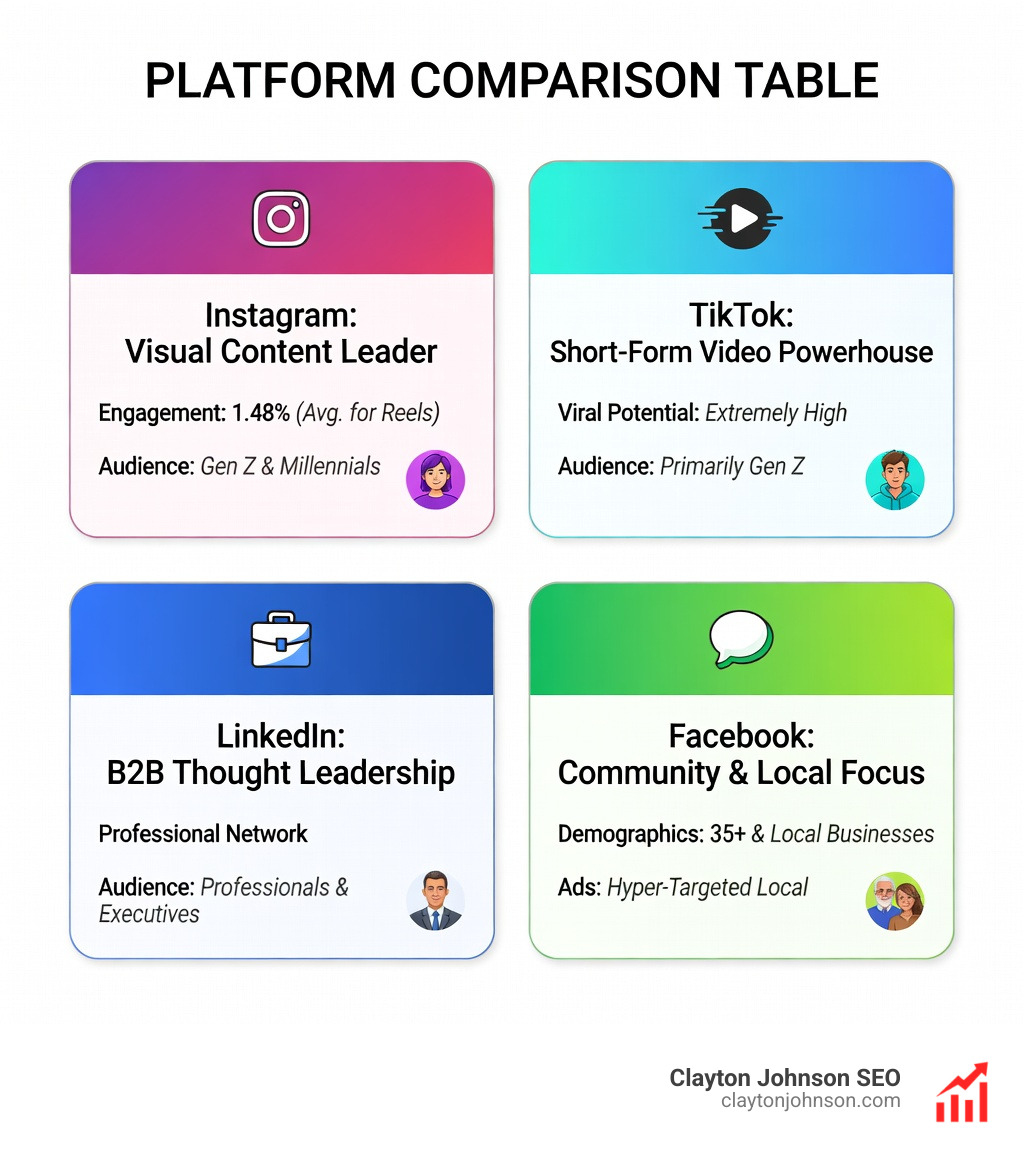
For B2B brands, LinkedIn remains the gold standard for thought leadership and high-intent lead generation. If you are in Minneapolis or elsewhere in Minnesota, focusing on the platforms your local clients use is essential for regional growth.
Crafting and Scheduling High-Impact Content

Now comes the creative part. Your content is the bridge between your brand and your audience. To make it effective, follow the 80/20 rule: 80% of your content should inform, educate, or entertain, while only 20% should directly promote your business.
Content Pillars and Brand Voice
Develop 3–5 content pillars—recurring themes that your brand stands for. For example, a medical spa might use:
- Before-and-after results (Proof)
- Skincare education (Value)
- Behind-the-scenes team culture (Trust)
Your brand voice should be consistent. Are you humorous and relatable like a friend, or authoritative and professional like a consultant? Use tools like Canva to maintain a consistent visual aesthetic.
Effective Content Types
- Short-form Video: TikTok and Reels are non-negotiable for reach.
- User-Generated Content (UGC): 62% of millennials become loyal customers when they engage with brands on social. Sharing customer photos builds massive trust.
- Infographics: Great for simplifying complex data.
- Polls and Quizzes: Perfect for driving instant engagement.
Once your content is ready, use scheduling tools like Buffer or Hootsuite to automate your posting. This allows you to batch your work and maintain a consistent presence without being glued to your phone 24/7.
Measuring Performance and ROI
A campaign is not over when the last post goes live. You must measure the results to see what worked and what didn’t.
Use Google’s UTM builder to track exactly where your website traffic is coming from. This allows you to see if that “link in bio” actually led to a sale.
Key Metrics to Track
- Engagement Rate: Are people actually interacting with your content?
- Conversion Rate: How many people took the desired action?
- Sentiment Analysis: Is the conversation around your brand positive or negative?
- ROI: (Gain from campaign – Cost of campaign) / Cost of campaign.
If your results are not where you want them, don’t panic. Use A/B testing to try different headlines or visuals. Continuous optimization is the hallmark of a structured growth system. For those who want expert help in scaling these efforts, our social media marketing services provide the infrastructure needed for compounding growth.
Frequently Asked Questions
What is the difference between a social media post and a campaign?
A social media post is a single update meant for general engagement. A social media campaign is a series of coordinated posts with a specific goal, a single theme, and a defined start and end date.
How many social media platforms should I use for a single campaign?
For small businesses or those just starting, we recommend 1–3 platforms. It is better to provide high-quality, engaging content on a few channels than to post low-quality content everywhere.
What are the most important metrics to track for campaign success?
The most important metrics are those tied directly to your goals. Typically, these include conversion rate (sales or leads), engagement rate (comments and shares), and reach (how many unique people saw your content).
Conclusion
Most companies do not lack tactics; they lack structured growth architecture. Randomly posting on social media might get you a few likes, but it won’t build a business.
At Clayton Johnson SEO and Demandflow.ai, we believe in a system where clarity leads to structure, and structure leads to leverage. By following these social media campaign steps, you are not just making noise—you are building an authority-building ecosystem that drives measurable results.
Whether you need a framework library or a full social media marketing services implementation, we are here to help you move from scattered tactics to a compounding growth engine. Stop guessing and start building your growth infrastructure today.