Don’t Ghost Your Leads: AI Email Automation Guide

Why AI Email Marketing Automation Is a Game-Changer for Growing Businesses
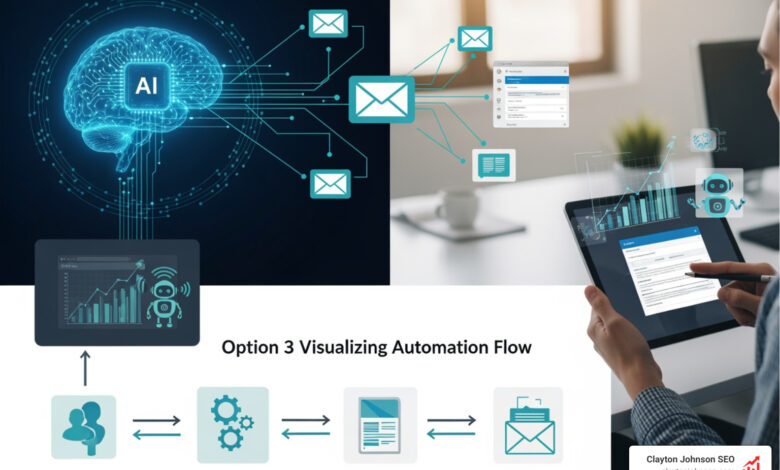
AI email marketing automation uses machine learning to send the right message, to the right person, at the right time — automatically.
Here’s what it does in practice:
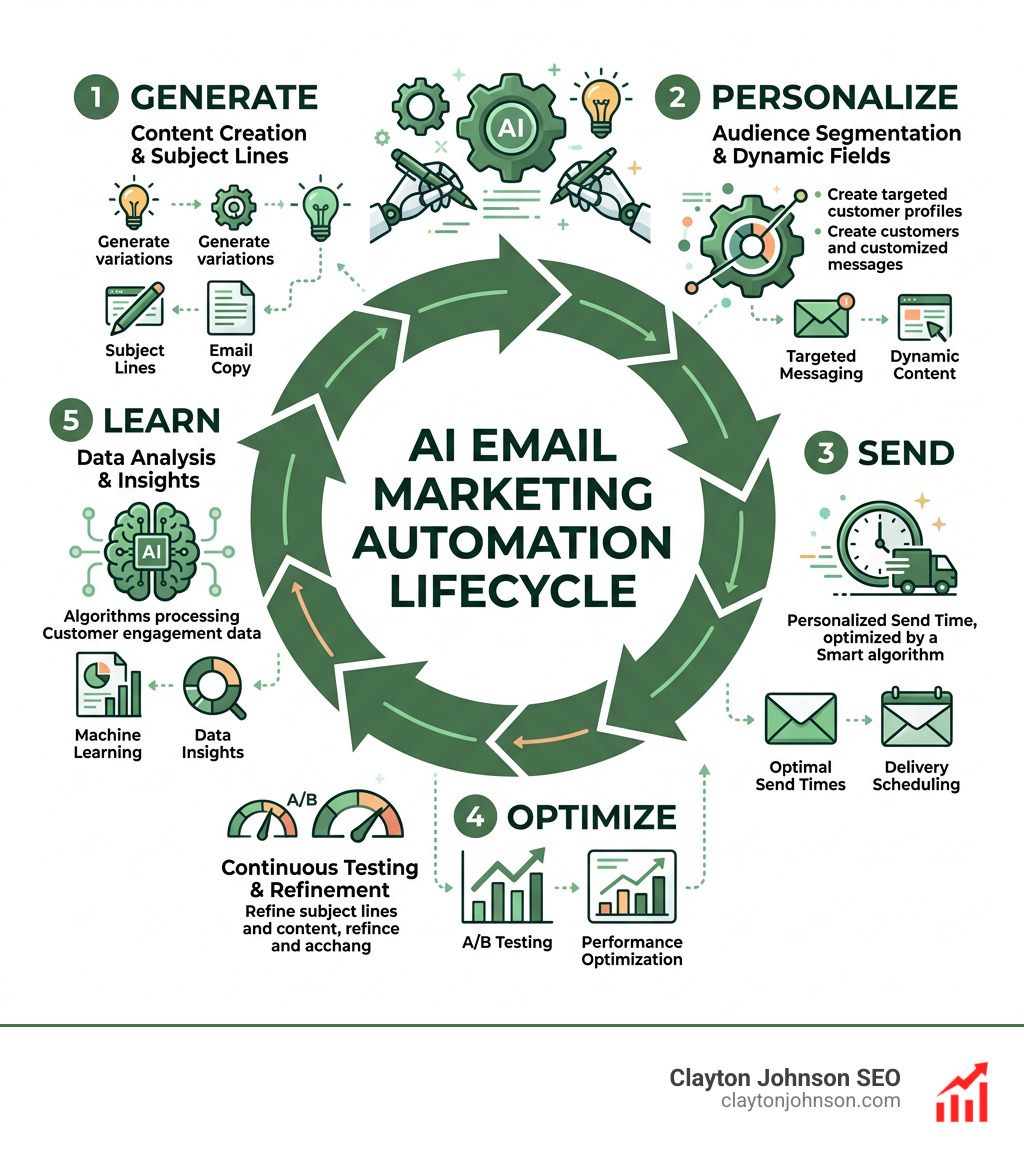
- Personalizes emails based on subscriber behavior, past purchases, and engagement history
- Optimizes send times so each subscriber gets your email when they’re most likely to open it
- Segments audiences automatically using real-time data, no manual list-building required
- Triggers behavior-based flows like welcome sequences, cart abandonment reminders, and re-engagement campaigns
- Generates and tests content including subject lines, copy variations, and product recommendations
The result? Less time on repetitive tasks. More revenue from every send.
Most marketing teams still spend hours writing email variations, setting up A/B tests, and segmenting lists by hand. AI handles all of that — at scale, and without burning out your team.
Seven out of ten marketers already use AI in some part of their workflow. But fewer than one in four have applied it across the full email marketing lifecycle. That gap is where the biggest opportunity sits.
I’m Clayton Johnson, an SEO strategist and demand generation expert who has spent nearly two decades integrating AI email marketing automation into scalable growth frameworks for businesses. In the sections below, I’ll walk you through exactly how to put this to work for your business.
The Power of AI Email Marketing Automation for Dating Coaches
If you are a dating coach, your business is built on trust, empathy, and timing. You aren’t just selling a “product”; you are selling a transformation in someone’s personal life. This requires a level of nuance that traditional, “one-size-fits-all” email blasts simply cannot provide.
By leveraging AI email marketing automation, we can move away from static newsletters and toward dynamic conversations. Imagine a system that recognizes when a lead has spent ten minutes reading your blog post about “first date anxiety” and automatically triggers a supportive, personalized email offering a specific guide on that exact topic.
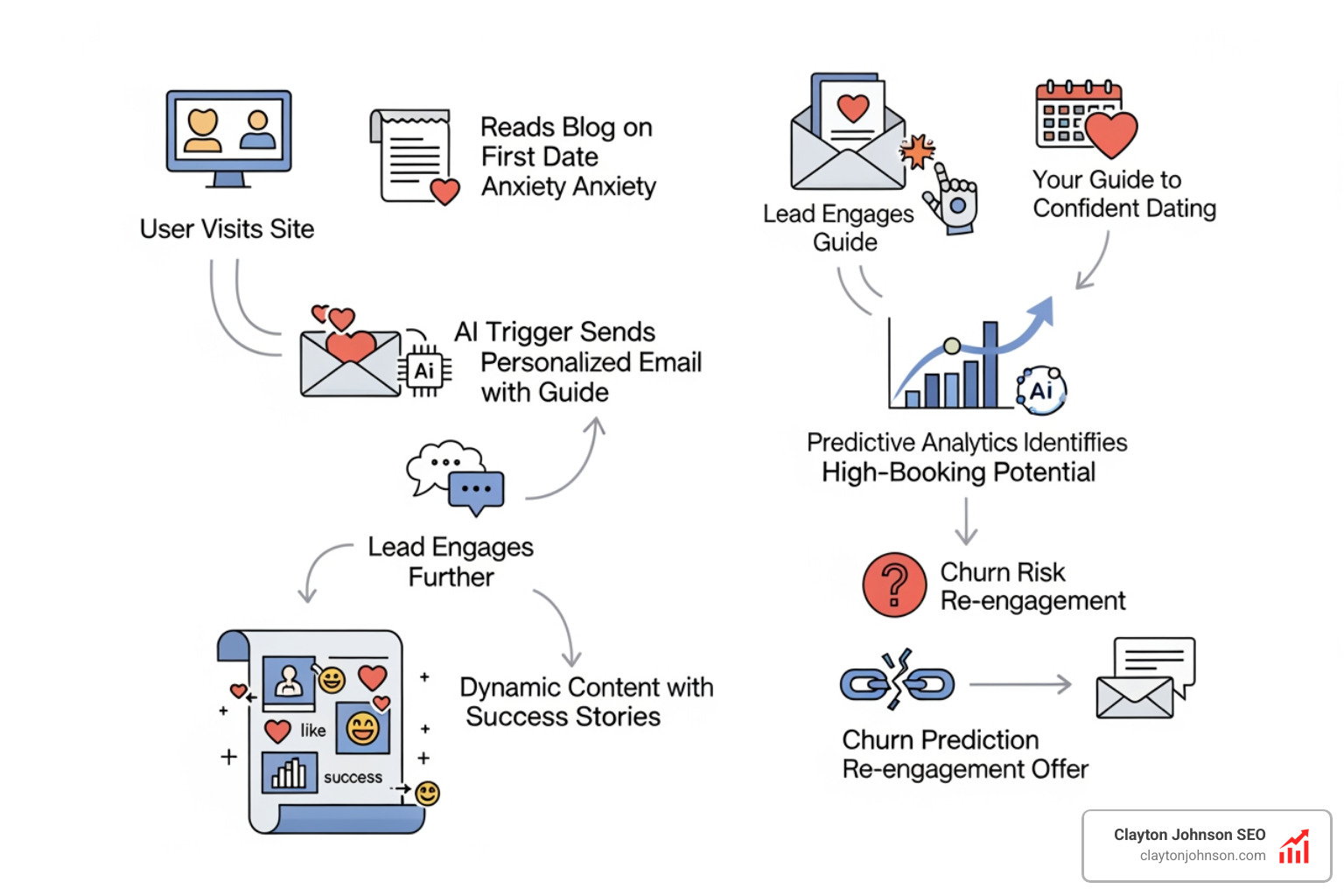
This isn’t just about sending more emails; it’s about sending smarter ones. AI-driven systems allow us to implement:
- Behavior-based triggers: Sending a message the moment a user interacts with your site.
- Predictive analytics: Identifying which subscribers are most likely to book a high-ticket coaching session based on their engagement patterns.
- Dynamic content: Swapping out success stories in your email based on whether the recipient is looking for long-term marriage advice or casual dating tips.
- Churn prediction: Spotting when a previously active subscriber is “cooling off” and sending a re-engagement flow before they unsubscribe.
Scaling Personal Connections with AI Email Marketing Automation
The biggest hurdle for any coach is the “human bottleneck.” You only have so many hours in the day to write personal notes. Machine learning changes the math. By analyzing subscriber behavior in real-time, AI can create 1:1 personalization that feels human but scales infinitely.
According to Statista, 7 out of 10 marketers are already seeing the benefits of AI in their workflows. In dating advice, this means your emails can adapt to the user’s journey. If a subscriber consistently clicks on links related to “breakup recovery,” the AI learns this preference and stops sending them “how to meet new people” content until they are ready.
We use these AI tools to ensure that your messaging remains empathetic. While the AI handles the data processing, you provide the “soul” of the content, ensuring every automated touchpoint aligns with your brand’s voice.
Optimizing Engagement Through Predictive Send Times
Have you ever wondered why your open rates fluctuate? It’s often because your emails arrive when your audience is busy. Some people check their inbox at 6:00 AM over coffee; others wait until 9:00 PM after the kids are in bed.
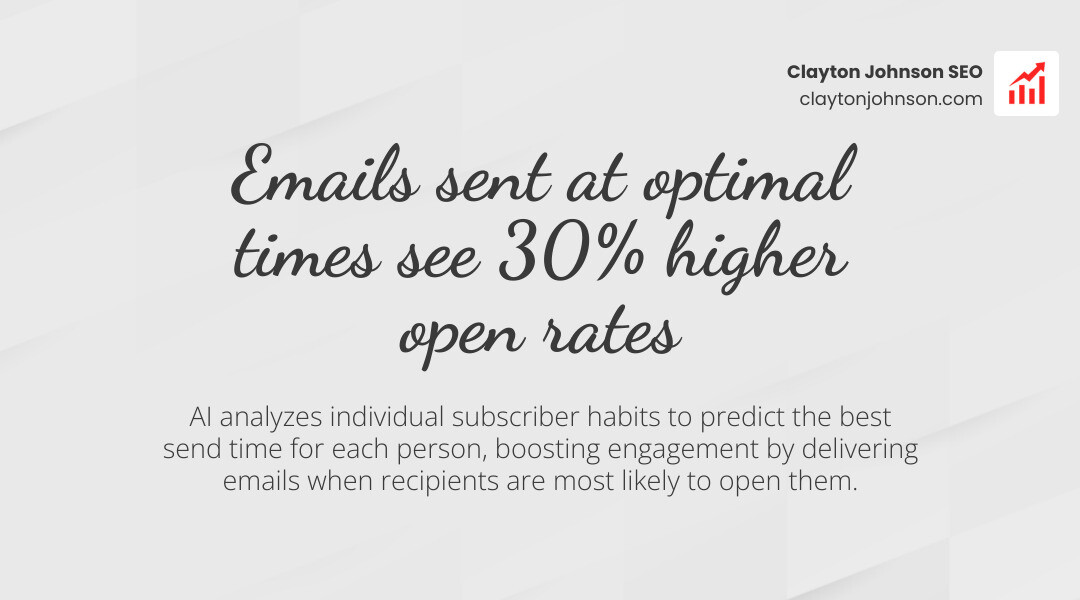
AI email marketing automation removes the guesswork through predictive send-time optimization. Instead of picking a single “best time” for the whole list, the AI analyzes when each individual subscriber historically opens their mail.
Furthermore, tools like Twilio SendGrid use neural protection to monitor sending patterns. This prevents your emails from being flagged as spam by identifying risky behaviors that might hurt your ISP reputation. High deliverability is the foundation of any successful email marketing service, and AI is the most effective way to protect it.
Advanced Segmentation for Niche Dating Advice
In the dating industry, a “male looking for a wife” and a “female looking for confidence building” are two entirely different audiences. Using a unified lead database and CRM integration, AI can perform automated tagging and segmentation that would take a human hours every week.
Common behavioral segmentation triggers include:
- Content Affinity: Tagging users based on the specific topics they read on your blog.
- Engagement Level: Separating your “super-fans” from those who haven’t opened an email in thirty days.
- Purchase History: Identifying past clients for upsell opportunities into masterclasses or retreats.
- Site Activity: Triggering an email when someone visits your “Work With Me” page but doesn’t fill out the form.
This level of precision is also a core component of AI SEO, as it helps align the content people find on search engines with the content they receive in their inbox, creating a seamless brand experience.
Choosing the Best Software for Your Strategy
Selecting the right tool for AI email marketing automation depends on your business size, technical comfort, and specific goals. You want a platform that offers a balance of advanced AI features and an intuitive user interface.
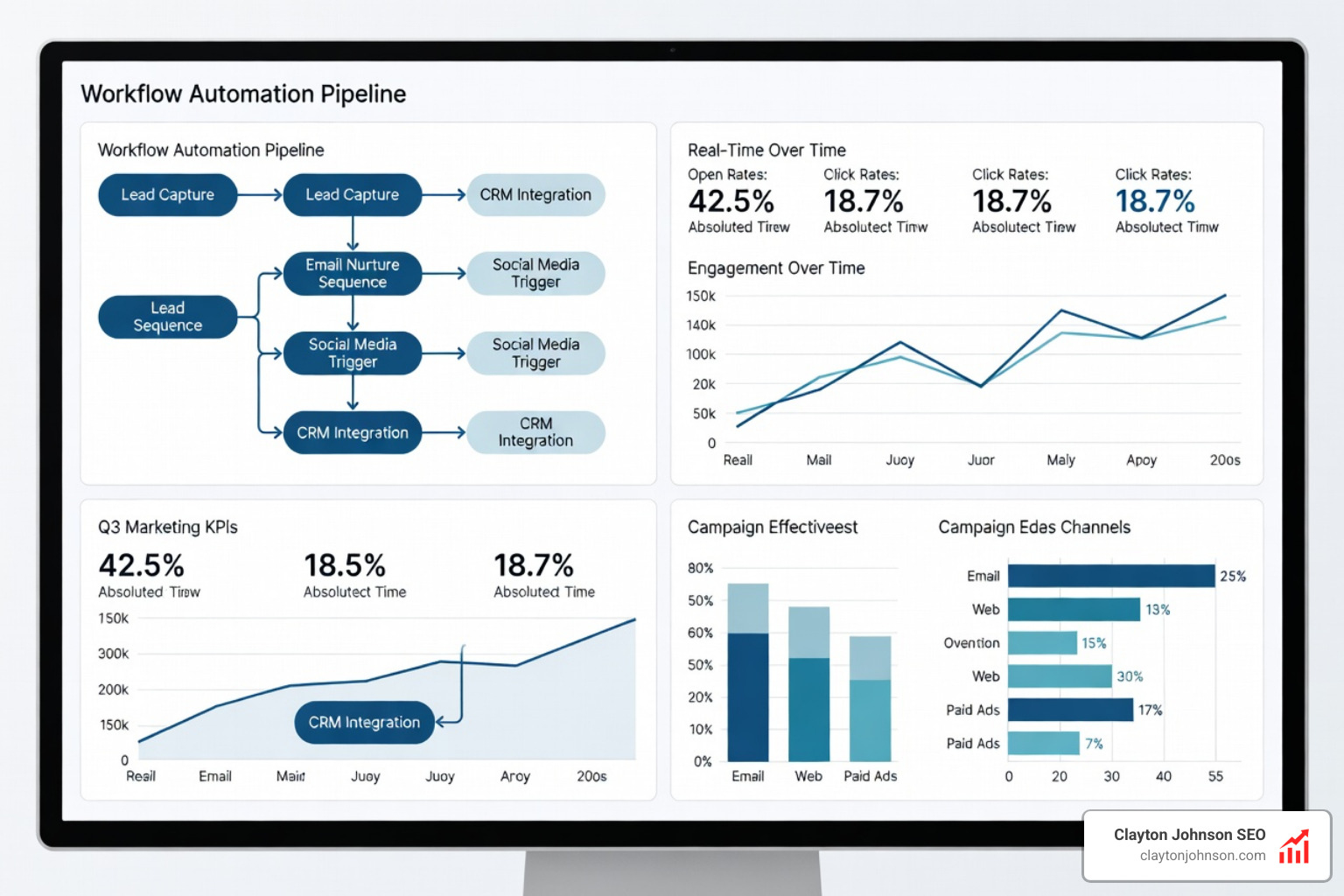
When evaluating software, we look for:
- Ease of Use: Can you build a complex automation flow without a computer science degree?
- Scalability: Will the pricing stay reasonable as your list grows from 1,000 to 50,000 subscribers?
- Integration: Does it play nicely with your CRM, Shopify store, or booking software?
- AI Depth: Is the “AI” just a subject line generator, or does it offer predictive analytics and behavior-based triggers?
Top Tools for AI Email Marketing Automation
There are dozens of options on the market, but a few stand out for their robust AI capabilities. Many of these platforms are utilized by business coaches to manage high-volume lead nurturing.
| Tool | Best For | Key AI Feature | Starting Price |
|---|---|---|---|
| Klaviyo | B2C & eCommerce | K:AI Marketing Agent (Generates brand-specific content) | Free (up to 250 contacts) |
| ActiveCampaign | SMBs & SaaS | Predictive Sending & Autonomous AI Agents | From $15/mo |
| Encharge | SaaS & B2B | Behavior-based automation flows | From $19/mo |
| Brevo | Multichannel | Send-time optimization & AI subject lines | Free (300 emails/day) |
| MailerLite | Creators | Simple AI writing assistant | Free (up to 500 subscribers) |
Klaviyo is a powerhouse for relationship-driven brands, powering over 193,000 businesses. Their AI agents can actually “do the work” by analyzing your website and generating content that matches your brand voice in minutes. Meanwhile, ActiveCampaign is often cited as a leader in autonomous marketing, processing billions of data points to help you focus on strategy rather than tactical execution.
Integrating AI with Your Growth Framework
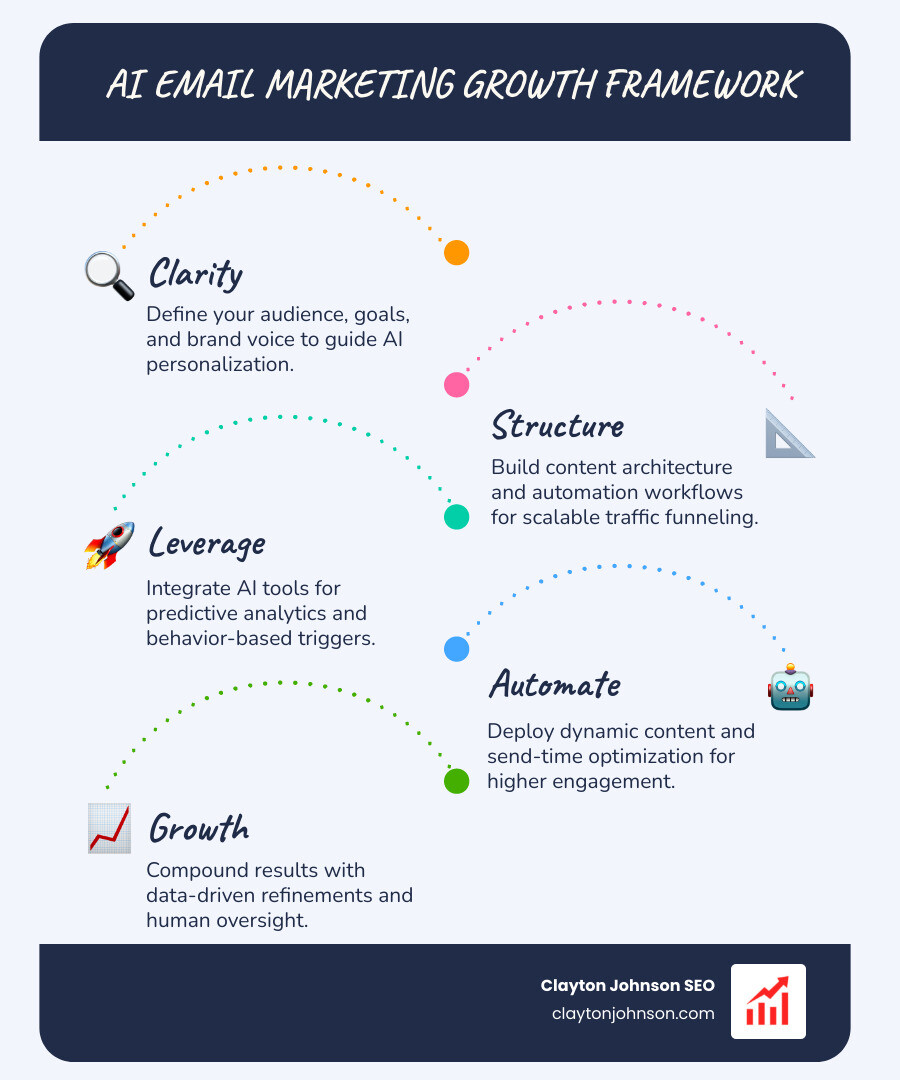
At Clayton Johnson SEO, we believe that tools are only as good as the systems they inhabit. My philosophy is simple: Clarity → Structure → Leverage → Compounding Growth.
We don’t just “turn on” AI; we integrate it into a comprehensive AI search and content architecture. This ensures that the traffic we build through technical SEO isn’t just “vanity metrics” but is funneled into an automated system that converts visitors into loyal clients. By aligning your email strategy with search intent, we create a growth engine that compounds over time.
Overcoming Limitations and Getting Started
While AI is incredibly powerful, it isn’t a “set it and forget it” solution. The “human touch” remains essential for emotional resonance. AI can suggest a subject line, but you need to ensure it doesn’t sound robotic or off-brand.
How to get started today:
- Audit your current list: Use AI tools to clean out inactive subscribers and verify email addresses.
- Pick one flow: Start with a simple welcome sequence. Use a prompt-based generator to draft three variations of your first email.
- Refine and Activate: Review the drafts for brand alignment, then activate “Smart Send Time” features.
- Monitor and Learn: Let the AI run for a few weeks, then check the data to see which variations performed best.
For those ready to dive in, you can sign up for a free account with a provider like SendGrid to test the waters. As you scale, remember the importance of AI governance to ensure your data usage remains ethical and compliant with privacy regulations.
AI email marketing automation is no longer a luxury for enterprise companies; it is a necessity for any business that wants to stay competitive. By automating the repetitive tasks, you free yourself to do what you do best: building real relationships and helping your clients find the love and connection they deserve.