Stop Being Invisible with These Local Backlink Strategies

Why Most Local Businesses Are Invisible Online (And How Local Backlinks Fix That)
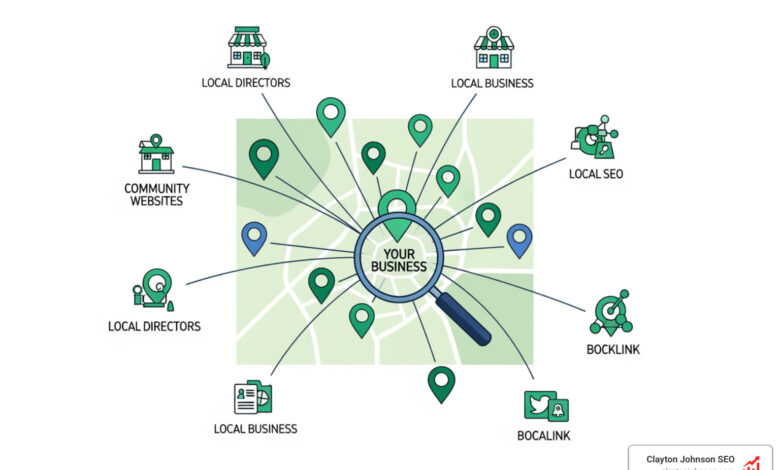
Local SEO backlink building is the process of earning links from geographically relevant websites to help your business rank higher in local search results, including Google’s Local Pack and Maps.
Here’s a quick breakdown of how to build local backlinks effectively:
- List your business in local directories (Google Business Profile, Yelp, BBB)
- Sponsor local events, charities, or sports teams to earn links from their websites
- Partner with local businesses for cross-promotional mentions and links
- Pitch your story to local newspapers, blogs, and media outlets
- Create localized content like neighborhood guides that earn natural links
- Analyze competitor backlinks using tools like Ahrefs or Semrush to find opportunities
- Reclaim unlinked mentions by asking sites that mention you to add a link
Your Google Business Profile is optimized. Your website looks great. But you’re still not showing up when local customers search for what you offer.
The missing piece is almost always local backlinks.
Think of backlinks as votes of confidence from other websites. When a local news site, community organization, or neighborhood blog links to your business, it tells Google: “This business is a trusted, established part of this community.” That signal directly influences where you appear in local search results.
The numbers make this hard to ignore. Link signals rank as the fourth most important factor for Google Local Pack rankings. Meanwhile, 76% of people who search for something nearby on their smartphone visit a related business within a day. If you’re not showing up, that foot traffic goes straight to your competitors.
Here’s what makes local link building different from general SEO: you don’t need thousands of backlinks. Local businesses can reach the top with as few as 20 to 30 quality local links – because geographic relevance often matters more than raw domain authority.
I’m Clayton Johnson, an SEO strategist with nearly two decades of experience building high-authority backlink strategies for businesses competing in local and national markets – including developing scalable local SEO backlink building frameworks that drive measurable lead growth. In this guide, I’ll walk you through exactly how local backlinks work and the specific strategies that consistently produce results.
The Mechanics of Local SEO backlink building
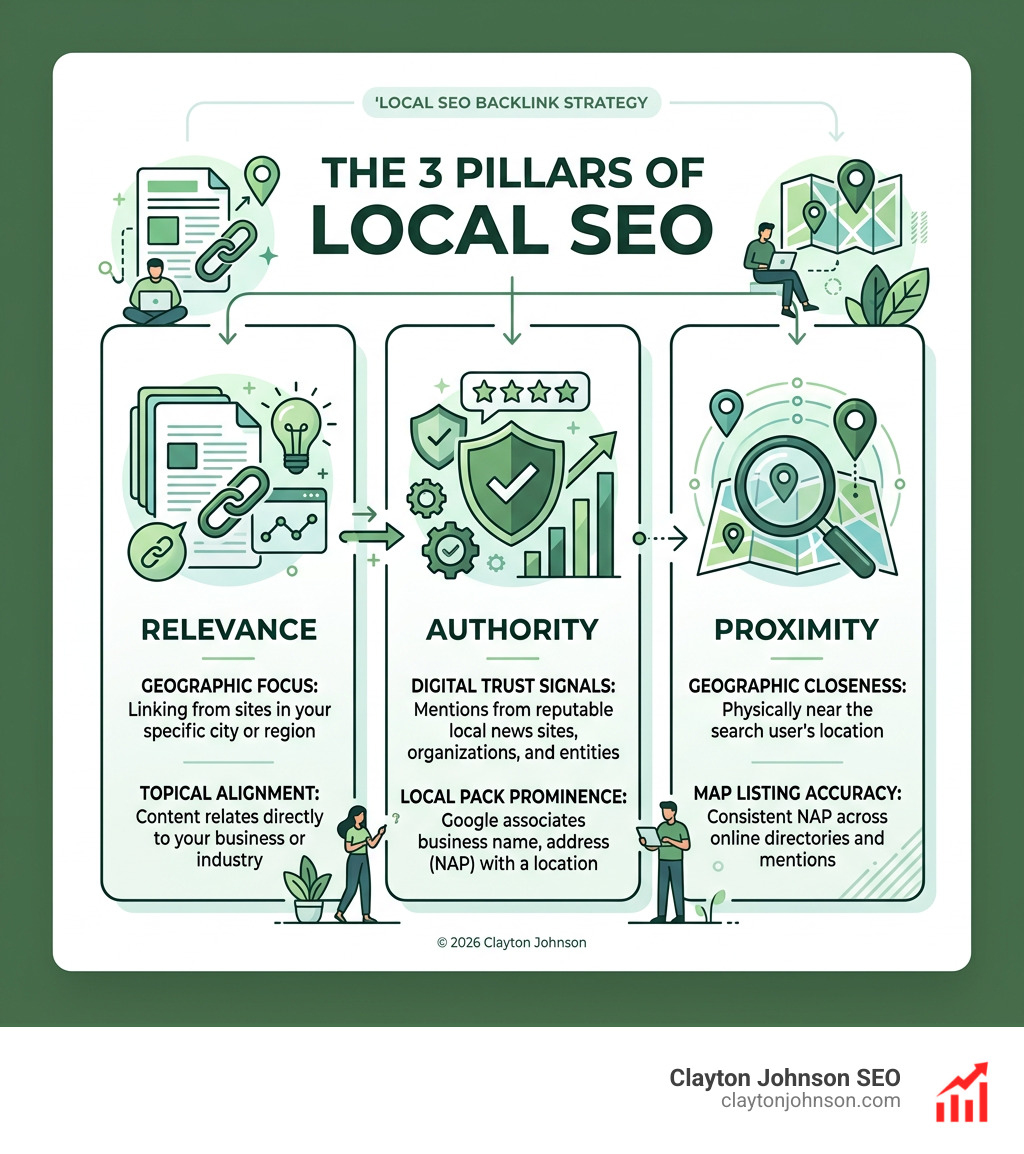
To understand how to get listed on the map, we first have to look under the hood of how Google views your business. Google evaluates local rankings based on three core pillars: Relevance, Distance, and Prominence.
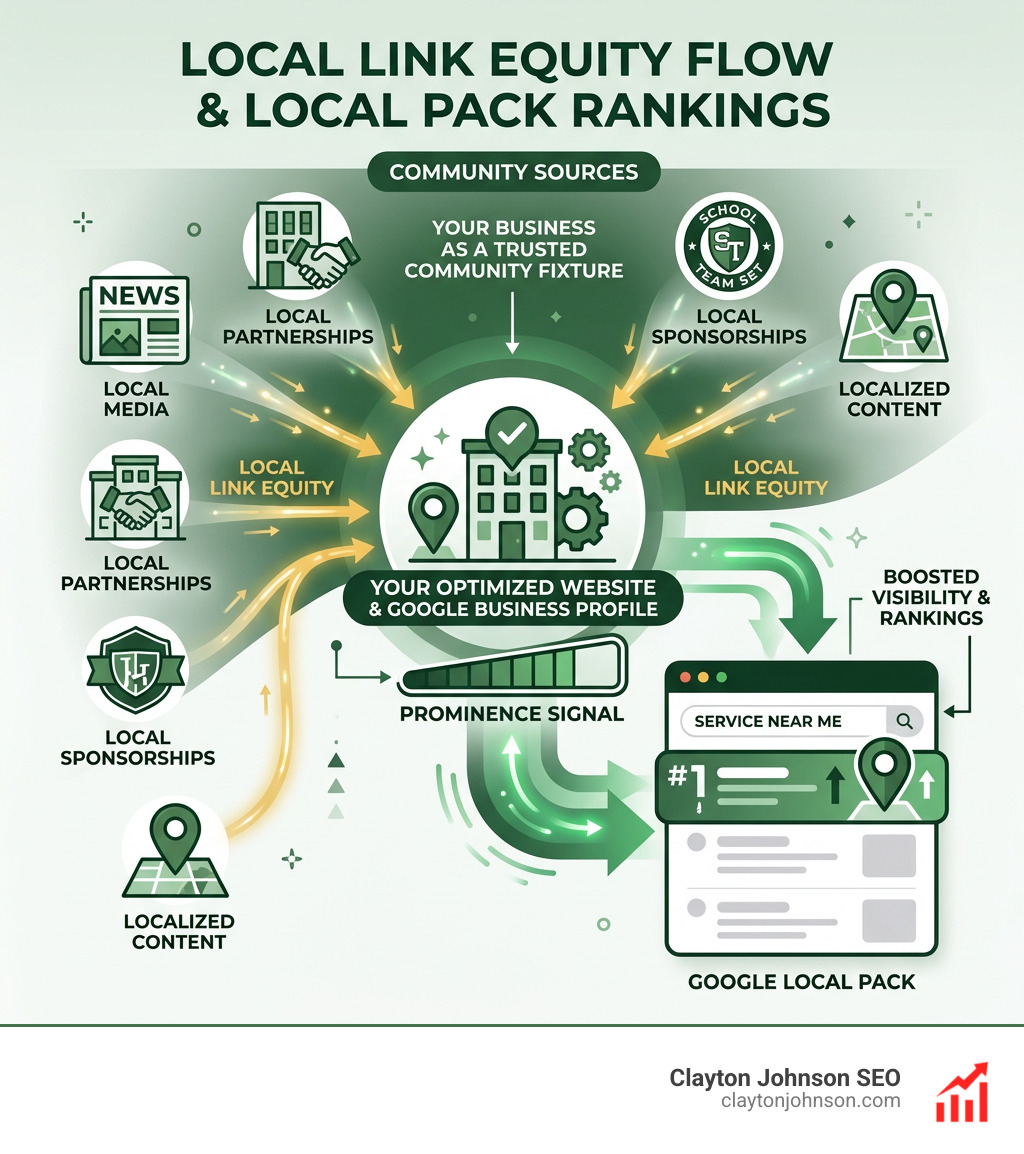
While distance is out of your control (you are where you are), and relevance is handled by your on-page content, prominence is where local SEO backlink building shines. Prominence is a measure of how well-known a business is. Google looks at information it has about a business from across the web, like links, articles, and directories.
When a high-quality local site links to you, it passes “link juice” or authority. This isn’t just about the strength of the website; it’s about the geographic connection. A link from your local Chamber of Commerce might have a lower “Domain Authority” than a national blog, but to Google’s local algorithm, that Chamber link is pure gold because it confirms your physical presence in the community.
The impact on your bottom line is massive. ThinkWithGoogle’s research reveals that 76% of people who search for something nearby on their smartphones visit a related business within a day. Even more impressive? About 28% of those searches lead to a purchase. If you aren’t building these links, you’re essentially leaving the door locked while customers are standing on the sidewalk.
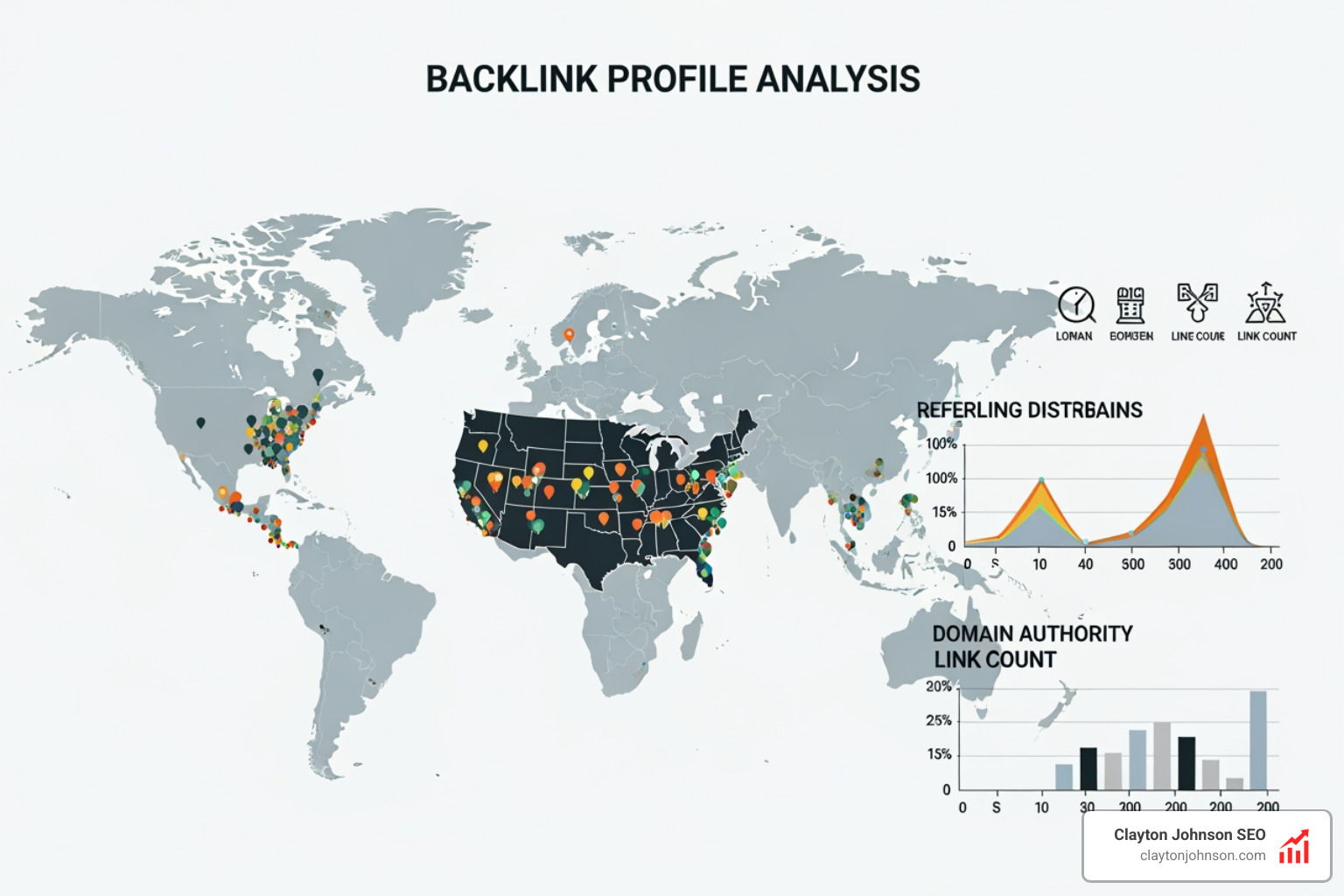
Local SEO backlink building vs. Traditional Links
We often get asked, “Isn’t a link just a link?” Not exactly. In local search, the rules of engagement shift.
Traditional link building focuses on high Domain Rating (DR) and industry relevance. You want a link from a big national tech site or a massive news outlet. In local SEO backlink building, we prioritize geographic proximity.
A link from a neighborhood blog that only gets a few hundred visitors a month might seem “weak” to a national SEO, but it provides a localized trust signal that a national site can’t replicate. Furthermore, local links often drive actual referral traffic—people in your city clicking through to see what you do.
We also have to consider “nofollow” links and unlinked mentions. In traditional SEO, people obsess over “dofollow” links that pass authority. In local SEO, a mention on a local news site—even without a link—can still help Google associate your business name, address, and phone number (NAP) with a specific location. These mentions contribute to your digital authority and help you build a presence without losing your mind over technical minutiae.
| Feature | Local Backlinks | Traditional Backlinks |
|---|---|---|
| Primary Goal | Geographic relevance & Local Pack rank | Domain authority & Global organic rank |
| Target Sites | Local news, Chambers, local charities | Niche blogs, national publications |
| Quantity Needed | Low (20-30 can be transformative) | High (Often hundreds or thousands) |
| Value of Nofollow | High (Signals local presence) | Low (Mainly for traffic/diversity) |
| Referral Traffic | Highly targeted local customers | Broad industry-related audience |
How Local Links Influence the Google Local Pack
The “Local Pack” is the box of three business listings that appears at the top of Google search results when there is local intent. Getting into this top three is the holy grail of local marketing.
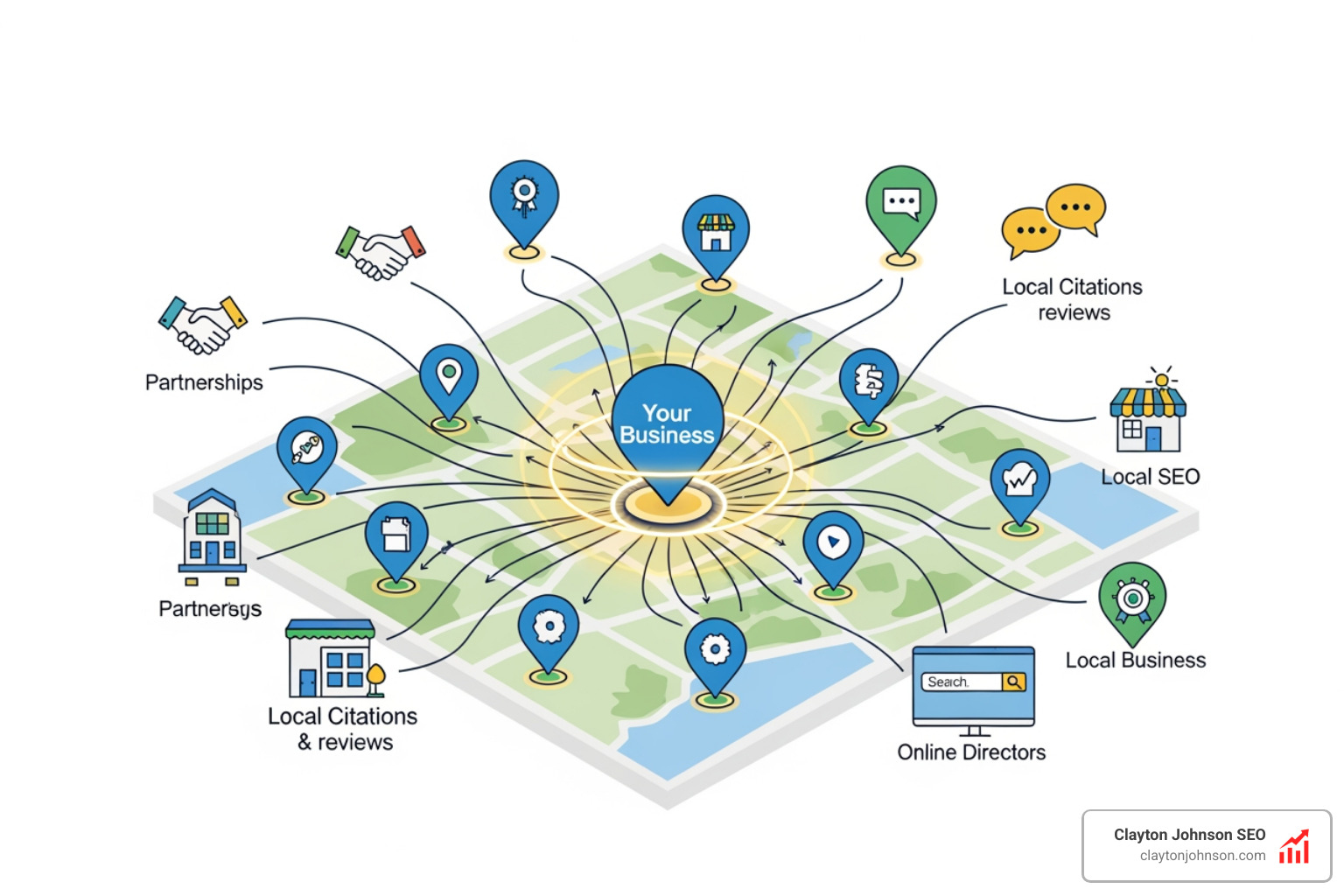
Local links act as trust signals that verify your business’s prominence. When Google sees multiple local entities pointing to your site, it increases your “Prominence score.” This, combined with consistent NAP data across the web, makes you a safe bet for Google to recommend.
It’s also worth noting that links and reviews often go hand-in-hand. A local blogger who links to you might also leave a review. These combined signals are what propel businesses to the top. For example, in our work with Minneapolis SEO, we’ve seen that a handful of links from local community centers and sports teams can move a business from the second page of maps to the top of the Local Pack in just a few months.
Quality Standards: Relevance, Authority, and Proximity
Not all local links are created equal. To get the most “bang for your buck,” we look for three things:
- Geographic Relevance: Is the linking site based in your city or region?
- Topical Alignment: Does the site relate to your industry? (e.g., a hardware store linking to a local contractor).
- Editorial Intent: Was the link placed naturally within helpful content, or is it just a hidden link in a footer?
Natural placement and anchor text are also vital. You don’t want every link to say “Best Plumber in Chicago.” It looks spammy. Instead, look for natural mentions like “Visit our friends at [Business Name]” or simply your website URL. This variety is key to showing Google that your growth is organic. Whether you are tackling New York SEO or a smaller suburban market, sticking to these quality standards ensures your link profile is a durable asset, not a liability.
High-Impact Strategies to Earn Local Authority
Now that you know why you need them, let’s talk about how to get them. Building local links isn’t about sitting behind a keyboard and sending 1,000 cold emails. It’s about getting involved in your community.
The urgency for these strategies is backed by data. According to Google research, searches including “near me” have increased by 500% over the last few years. People aren’t just browsing; they are looking to buy now.
To capture that traffic, you need a structured approach. At Clayton Johnson SEO, we focus on SEO content marketing that serves a dual purpose: providing value to your neighbors and earning those high-authority links.
Community Partnerships, Sponsorships, and Events
Sponsorships are one of the most effective “pay-to-play” SEO tactics that are completely within Google’s guidelines. When you sponsor a local little league team, a 5K charity run, or a community festival, you usually get a link from their “Sponsors” page.
These sites often have .org or .edu extensions, which carry massive trust. More importantly, they are hyper-local.
Local Sponsorship Ideas:
- Youth Sports: Little League, soccer clubs, or high school boosters.
- Charities: Local food banks, animal shelters, or community centers.
- Events: Farmers’ markets, art walks, or holiday festivals.
- Scholarships: Creating a small annual scholarship for local high school students can earn links from school district websites and local news.
These real-world relationships often lead to more than just a link; they build brand equity. When people see your logo on a jersey or a festival banner, it creates that “Rule of 7″—the average number of times someone needs to see your brand before they take action.
Leveraging Local Media and Niche Directories
Local journalists are always looking for a story. If your business is doing something unique—hosting a charity drive, hitting a major milestone, or offering expert advice on a local issue—you can earn a “Digital PR” link.
For example, if you run a home services company, you could pitch a story to the local news about “How to Protect Your Pipes During a Freeze.” This positions you as an expert and almost always results in a high-authority link from the news station’s website. We’ve seen this work wonders in niche industries, such as SEO for roofing companies, where being the “local expert” on storm damage can lead to a flood of high-quality backlinks.
Beyond the news, don’t ignore niche directories:
- Chambers of Commerce: A membership usually includes a high-trust directory link.
- Tourism Boards: If your business appeals to visitors, get listed on “Visit [City]” websites.
- Industry-Specific Sites: Sites like Angi, HomeAdvisor, or Avvo (for legal) are essential for establishing industry relevance.
According to research, 94% of consumers have turned to a business directory at least once in the last year to learn about a new company. These aren’t just for SEO; they are for discovery.
Conclusion: Advanced Local SEO backlink building Tactics
Building a local backlink profile is not a “one and done” task. It’s a compounding system. As you earn more links, your visibility increases, which leads to more natural mentions, creating a virtuous cycle of growth.
To stay ahead of the competition, we recommend a few advanced tactics:
- Competitor Analysis: Use tools like Ahrefs or SEMrush to see where your competitors are getting their links. If a local blogger featured them in a “Best of” roundup, reach out and ask to be included too!
- Unlinked Brand Mentions: Use tools like BrandMentions to find sites that talk about you but didn’t link. A simple, polite email is often all it takes to turn that mention into a powerful backlink.
- Lapsed Domains: Did a local business in your industry close down? Sometimes you can purchase their old domain and redirect it to your site to inherit years of local authority.
- ROI Measurement: Don’t just track links. Track your rankings in the Local Pack and the number of “Get Directions” or “Call” clicks on your Google Business Profile. That is the true measure of success.
The Best Tools for Local Link Building:
- Whitespark: Excellent for finding and managing local citations.
- Ahrefs/SEMrush: The gold standard for competitor backlink analysis.
- Google Alerts: To monitor for new mentions of your business or local keywords.
- BrightLocal: Great for tracking local rankings and auditing your NAP consistency.
At Clayton Johnson SEO, we don’t just chase tactics; we build durable systems. We believe in clarity, structure, and leverage. By focusing on local SEO backlink building, you are building a foundation that won’t just help you rank today, but will keep you at the top for years to come.
Stop being invisible. Start engaging with your community, building your digital authority, and claiming your spot at the top of the map. If you’re ready to turn your fragmented marketing into a coherent growth engine, we’re here to help you build the system that makes it happen.