15) Segmentation & Psychographics
- What it is: Groups customers by needs/behavior; psychographics adds identity/values/motivations.
- Best for: Targeting, pricing tiers, messaging, roadmap focus.
- How to run: Needs-based hypotheses → validate size/accessibility → pick ICP.
- Outputs: Segment cards; ICP; positioning cues.
- Watch-outs: Demographic-only segments that don’t predict behavior.
- Pro tips: Anchor segments in use cases + WTP + channels.
- Best paired with: JTBD; Market Research.
- Common misuses: Too many segments; segments that aren’t actionable.
16) Jobs-to-Be-Done (JTBD)
- What it is: Customers “hire” products to make progress (functional/emotional/social jobs).
- Best for: Innovation, differentiation, churn reduction.
- How to run: Interview switch moments → map job steps → identify struggles/outcomes.
- Outputs: Job map; outcome statements; opportunity scores.
- Watch-outs: Confusing jobs with features.
- Pro tips: Capture anxieties/tradeoffs at the decision moment.
- Best paired with: Journey Mapping; Value Prop Canvas.
- Common misuses: Writing generic jobs (“be productive”); skipping switch interviews.
17) Customer Journey Mapping
- What it is: End-to-end experience across stages, touchpoints, emotions, friction.
- Best for: Conversion/retention improvements; CX redesign.
- How to run: Define stages → behaviors → pain/gain → metrics per stage.
- Outputs: Journey map; prioritized fixes.
- Watch-outs: Idealized maps not grounded in data.
- Pro tips: Add drop-offs, time-to-value, top support themes.
- Best paired with: AARRR; CX Strategy.
- Common misuses: Mapping what you wish happened; ignoring post-purchase.
18) Value Proposition Canvas
- What it is: Fit between jobs/pains/gains and relievers/creators/offers.
- Best for: Messaging, landing pages, feature prioritization.
- How to run: Customer profile first → map offers → validate with evidence.
- Outputs: Clear value prop + reasons to believe.
- Watch-outs: Claims without mechanism/proof.
- Pro tips: Add objections + proof points (data, demos, cases).
- Best paired with: JTBD; Positioning/Category narrative.
- Common misuses: Feature lists disguised as value; skipping competitive alternatives.
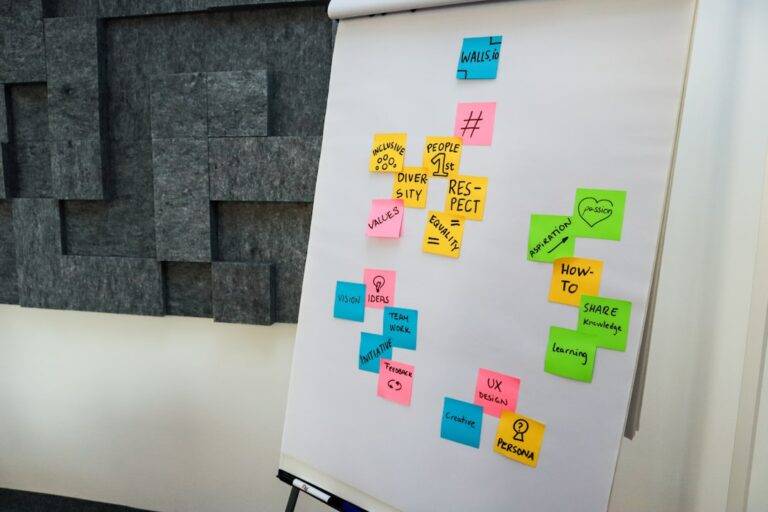
19) Design Thinking
- What it is: Human-centered loop: empathize, define, ideate, prototype, test.
- Best for: Ambiguous problems; service redesign.
- How to run: Timebox divergence → prototype fast → test with success criteria.
- Outputs: Validated concepts; learning backlog.
- Watch-outs: Workshop theater; no decision gates.
- Pro tips: Prototype the riskiest assumption first.
- Best paired with: Lean Canvas; Experiment frameworks.
- Common misuses: Endless ideation; testing opinions not behaviors.
20) North Star Metric
- What it is: One metric capturing core user value delivered (leading growth signal).
- Best for: Product alignment; prioritization.
- How to run: Define value moment → choose metric → build input metrics tree.
- Outputs: North star + inputs dashboard.
- Watch-outs: Revenue-only north star; misaligned incentives.
- Pro tips: Ensure correlation with retention + referrals.
- Best paired with: AARRR; OKRs.
- Common misuses: Picking a metric you can’t influence; choosing lagging-only.
21) Product–Market Fit (PMF)
- What it is: Strong demand + retention + WTP; customers would be disappointed without it.
- Best for: Scale readiness; investor milestones.
- How to run: Cohort retention, expansion, PMF survey, sales cycle, organic pull.
- Outputs: PMF evidence pack; ICP clarity.
- Watch-outs: Confusing paid growth for PMF.
- Pro tips: Look for repeated usage and inbound/referrals.
- Best paired with: Segmentation; Unit economics.
- Common misuses: Scaling too early; “PMF for everyone.”
22) AARRR (Pirate Metrics)
- What it is: Funnel: Acquisition, Activation, Retention, Referral, Revenue.
- Best for: Growth diagnostics and experiments.
- How to run: Define events → baseline → identify constraint → test iteratively.
- Outputs: Funnel dashboard; experiment backlog.
- Watch-outs: Optimizing acquisition with leaky retention.
- Pro tips: Start with retention; define activation as time-to-value.
- Best paired with: Journey Mapping; North Star.
- Common misuses: Vanity conversion rates; ignoring cohort analysis.
23) Customer Experience Strategy (CX)
- What it is: Designed, consistent experiences across touchpoints to drive loyalty.
- Best for: Differentiation in commoditized markets.
- How to run: Define CX promise → moments that matter → standards + training + QA.
- Outputs: CX principles, playbooks, measurement system.
- Watch-outs: Brand promise unsupported by ops.
- Pro tips: Tie CX to cost-to-serve and LTV.
- Best paired with: Journey Mapping; 7P.
- Common misuses: Treating CX as “support”; measuring only NPS.