Cyber Liability Insurance Coverages That Actually Make Sense


Why Cyber Liability Insurance Coverages Are Critical for Every Business
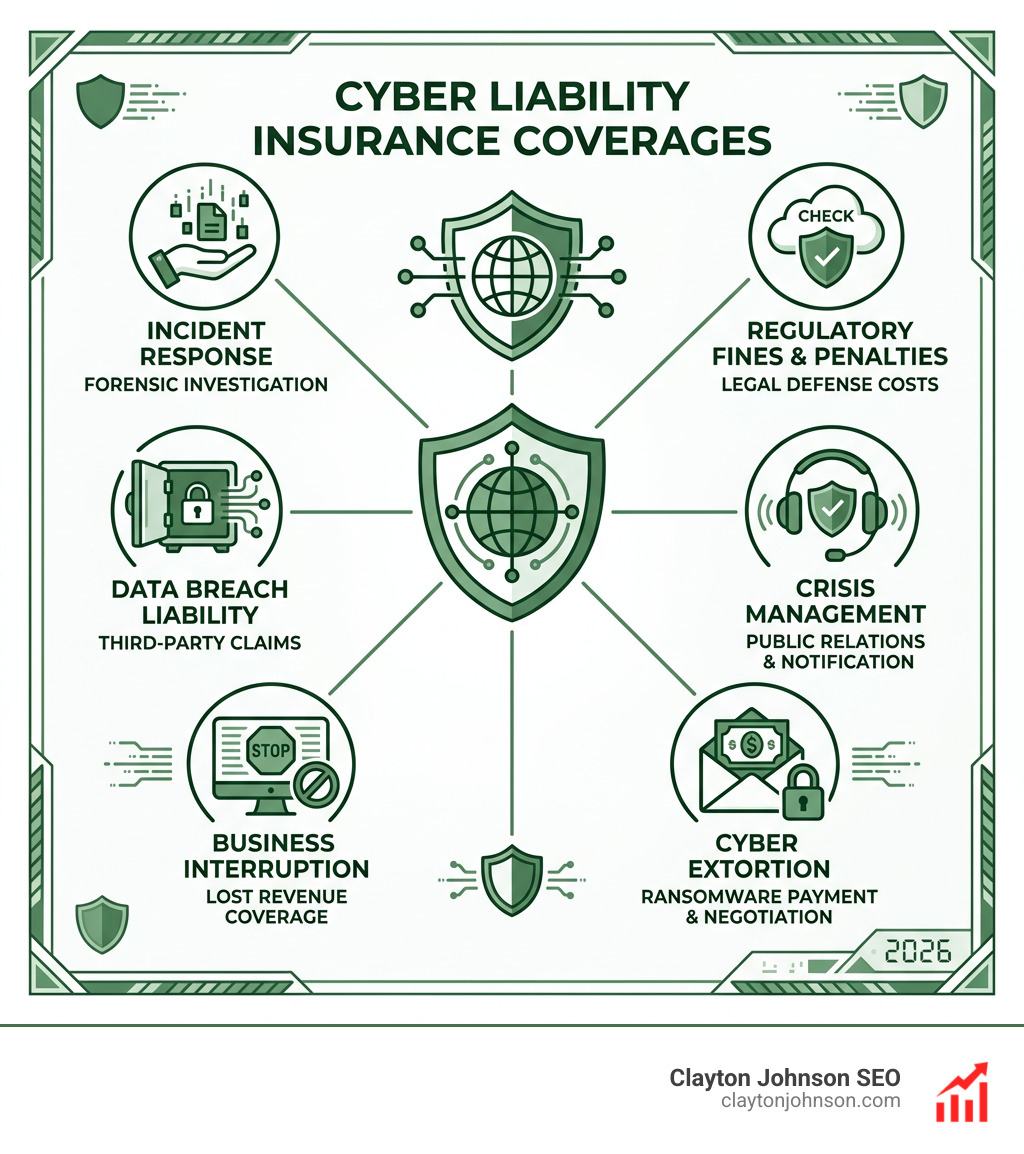
Cyber liability insurance coverages protect your business from the financial fallout of data breaches, ransomware attacks, and other digital threats — and here’s a quick breakdown of what they typically include:
| Coverage Type | What It Covers |
|---|---|
| Data Breach Response | Notification costs, credit monitoring, PR |
| Ransomware / Cyber Extortion | Ransom payments, negotiation fees |
| Business Interruption | Lost income during system downtime |
| Privacy Liability | Regulatory fines, class-action lawsuits |
| Network Security | Forensic investigations, data restoration |
| Media Liability | IP infringement, defamation, slander |
| Errors & Omissions | Claims from service delivery failures |
Cyberattacks are not just a big-business problem. In fact, 71% of cyberattacks target businesses with fewer than 100 employees. And the costs add up fast — the average small business attack runs around $8,700, while major incidents can reach hundreds of millions.
Sony’s PlayStation Network breach exposed 77 million users’ data, shut down service for 23 days, and cost over $171 million. That one incident shows exactly what happens when a business isn’t covered.
The threat landscape keeps growing. AI-powered attacks are making phishing, malware, and network intrusions faster and harder to detect. Standard general liability policies don’t cover these risks. Cyber insurance exists specifically to fill that gap.
I’m Clayton Johnson, an SEO strategist and digital business growth expert who works closely with business owners navigating complex risk and visibility challenges — including understanding how cyber liability insurance coverages fit into a resilient, scalable business strategy. Let’s break down exactly what to look for so you can evaluate your options with confidence.
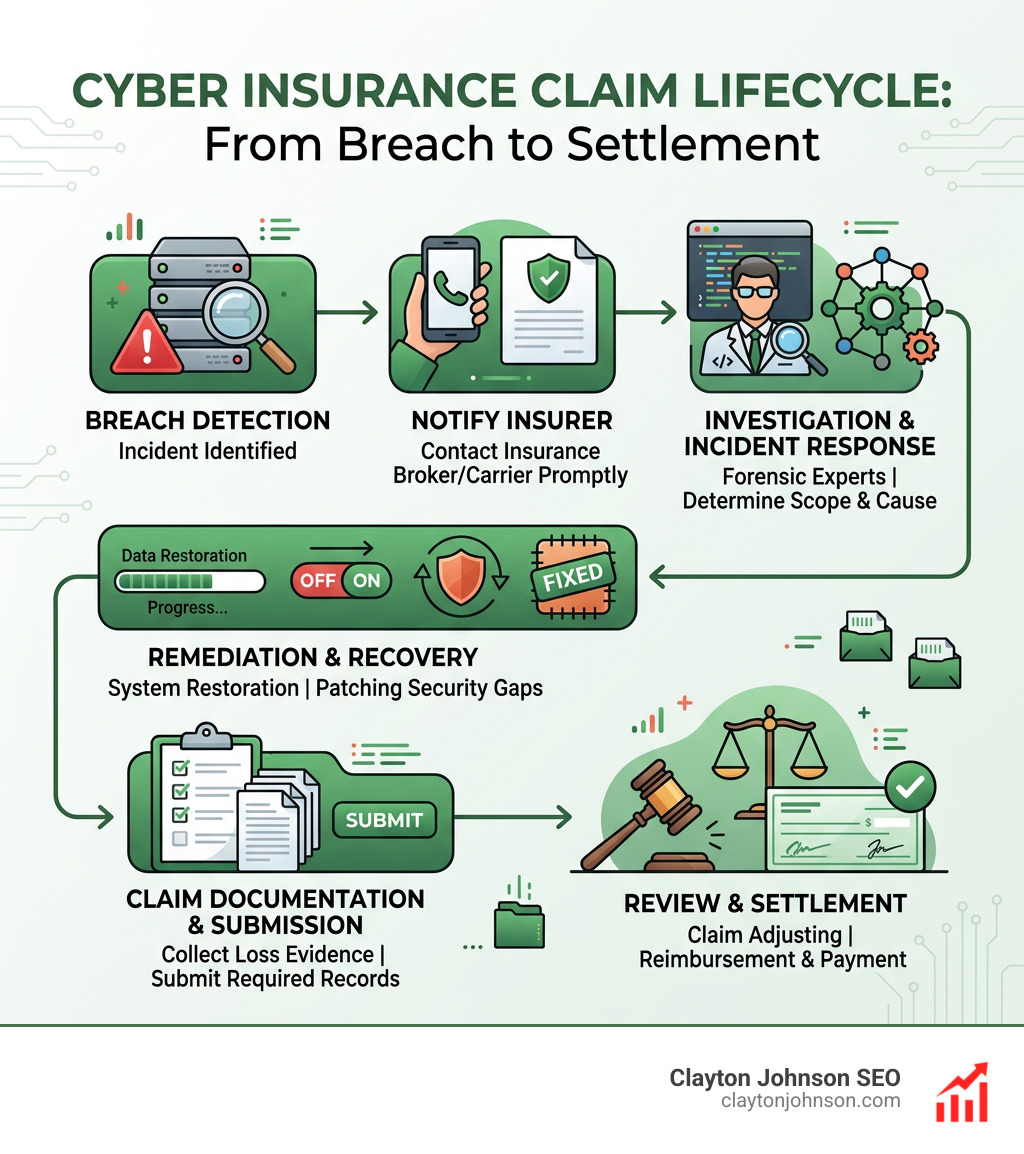
Essential Cyber Liability Insurance Coverages for Modern Businesses
In the early days of the internet, insurance was an afterthought. Today, it is a survival requirement. When we look at cyber liability insurance coverages, we have to view them through two distinct lenses: what happens to us (first-party) and what happens to others because of us (third-party).
The digital world is interconnected. A single vulnerability in your server room can spiral into a global catastrophe. Consider the Sony’s PlayStation Network breach, where hackers exposed the personal data of 77 million users. Sony didn’t just lose their own data; they lost the trust of millions and faced a $171 million bill. Without the right coverage, that kind of hit is a “lights out” event for most companies.
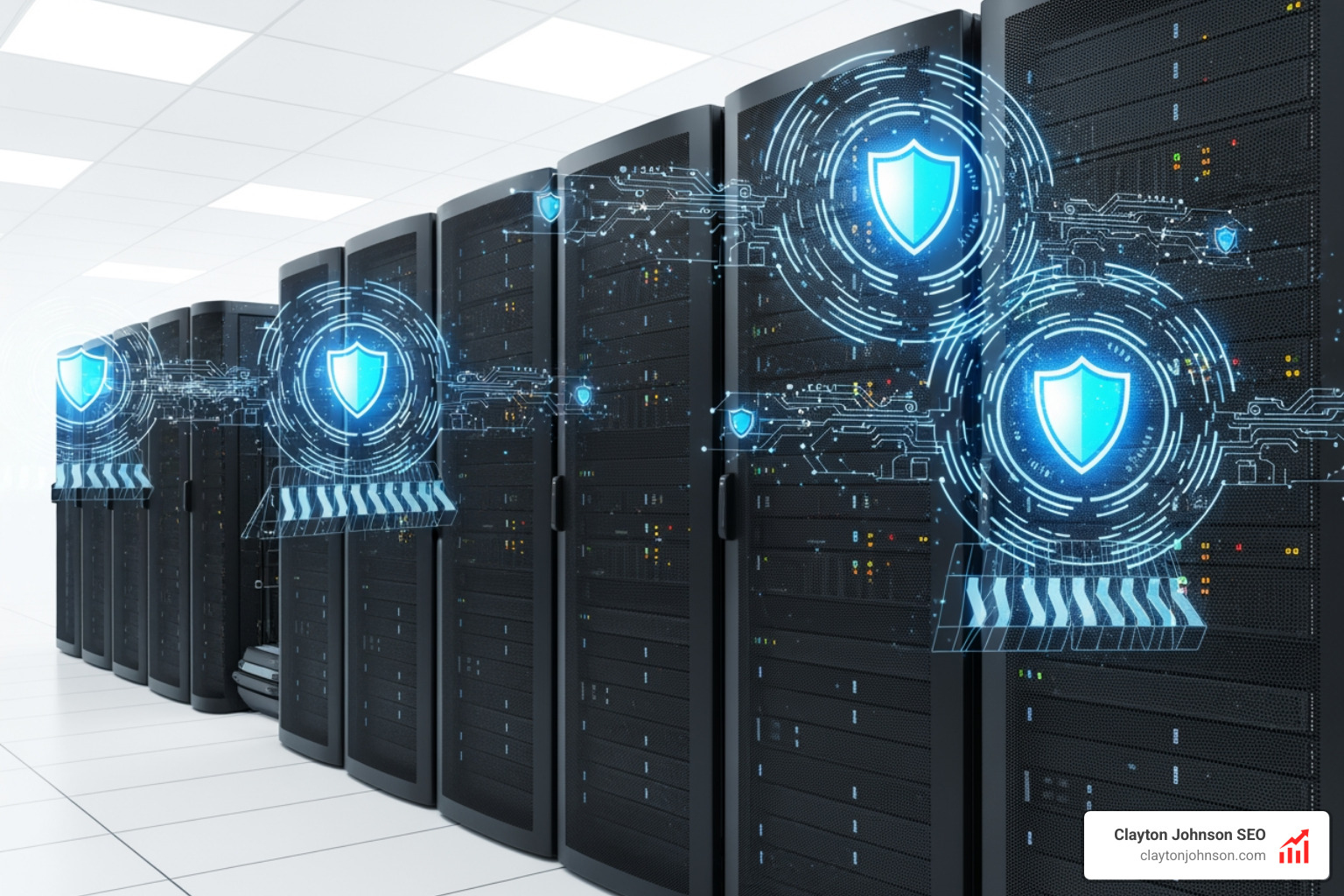
To help you distinguish between these risks, we’ve put together a comparison of where your money actually goes during a claim:
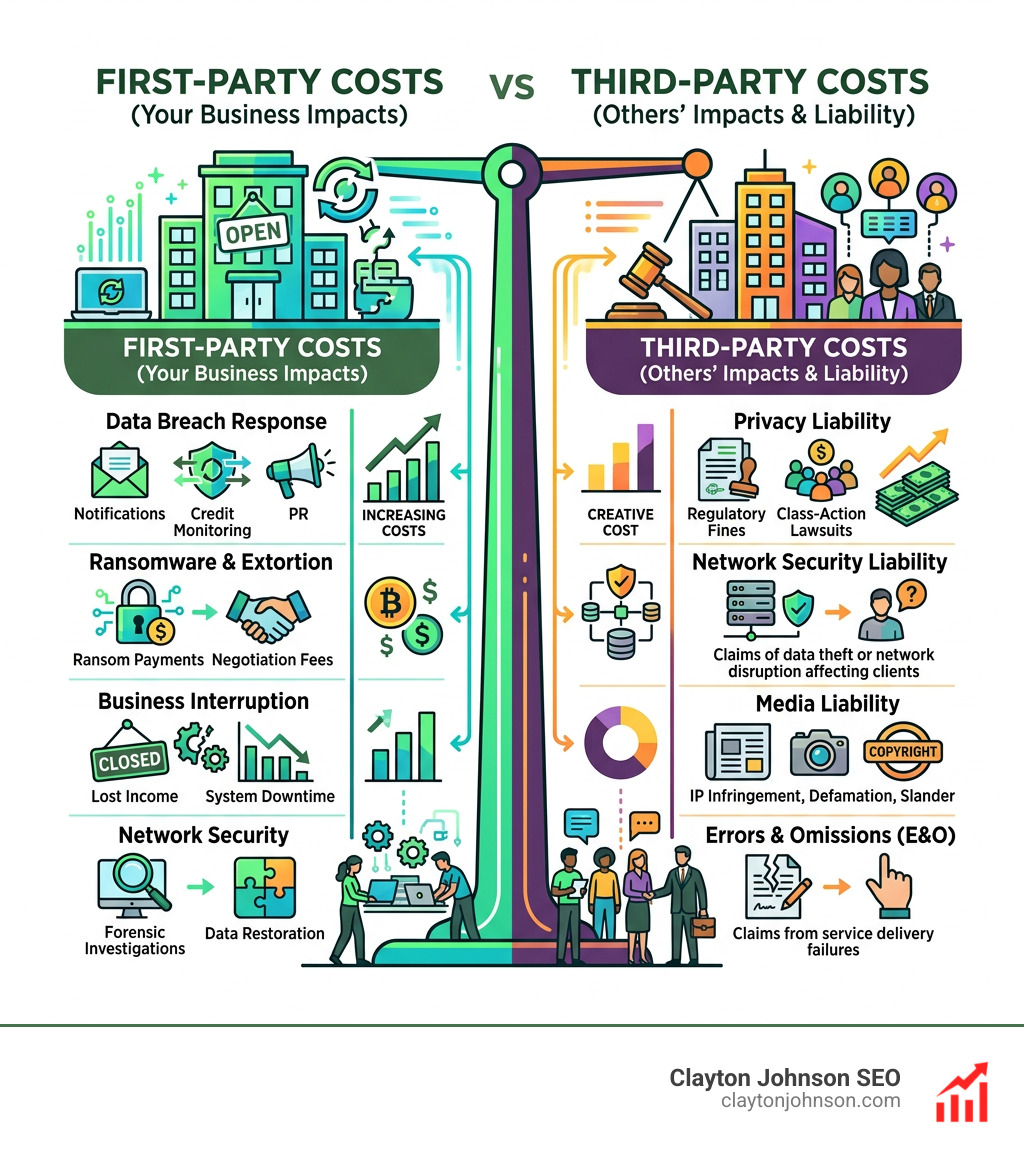
First-Party Cyber Liability Insurance Coverages
First-party coverage is your digital “health insurance.” It covers the immediate, direct costs your business incurs to get back on its feet after a hit.
One of the most terrifying threats today is ransomware. These attacks increased 45-fold in a single year, jumping from roughly 8,000 to over 370,000 incidents annually. When a hacker locks your files and demands a bitcoin payment, first-party coverage handles the ransom negotiation and, in many cases, the payment itself. However, we always recommend reporting these to the authorities first—paying should be the last resort.
Beyond the ransom, there is the silent killer: business interruption. If your systems are down, you aren’t making money, but your fixed expenses don’t stop. Understanding financial performance measures is vital here; if you don’t know your daily operational value, you can’t accurately claim for lost income.
First-party cover also handles:
- Forensic Investigations: Hiring “digital detectives” to find out how the hackers got in.
- Data Restoration: The grueling process of rebuilding corrupted or deleted databases.
- Asset Replacement: In extreme cases, like the Saudi Aramco hack that resulted in $1 billion in damages, hackers can “brick” hardware, essentially setting the company back to 1970s technology. Coverage helps buy the new gear you need to rejoin the 21st century.
Third-Party Cyber Liability Insurance Coverages
If first-party is your health insurance, third-party is your “malpractice insurance.” It protects you when other people sue you for losing their data.
When a breach happens, you are often legally liable for the damage caused to third parties. This includes privacy litigation and consumer class-action lawsuits. To navigate this, you need to understand financial value metrics to assess the potential scale of settlements.
Regulatory bodies are also getting stricter. If you handle credit card data or healthcare records, a breach could trigger massive fines. Policies from providers like Travelers often include regulatory defense and penalties coverage to help mitigate these “death by a thousand cuts” expenses.
Third-party coverage also includes Media Liability. This is often overlooked but critical for anyone with a website. It protects you against claims of:
- Defamation: If a hacked social media account posts something slanderous about a competitor.
- IP Infringement: If you accidentally use copyrighted images or trademarks in your digital marketing.
- Privacy Invasion: Unauthorized use of a person’s name or likeness on your site (a mistake that once cost a company $750,000 in damages).
Specialized Protection Against AI-Powered Threats
The game has changed with the rise of agentic AI. We are no longer just fighting humans; we are fighting autonomous algorithms. Research from organizations like Anthropic has highlighted the first AI-orchestrated cyber espionage campaigns, where actors like GTG-1002 used AI to execute 80-90% of tactical operations independently.
These AI threats are sophisticated. They can maintain “operational context” over several days, autonomously discovering vulnerabilities and generating payloads. AI is also revolutionizing the insurance industry by allowing insurers to better predict these risks, but it also means your policy needs to be specifically updated to cover AI-powered phishing and malware orchestration.
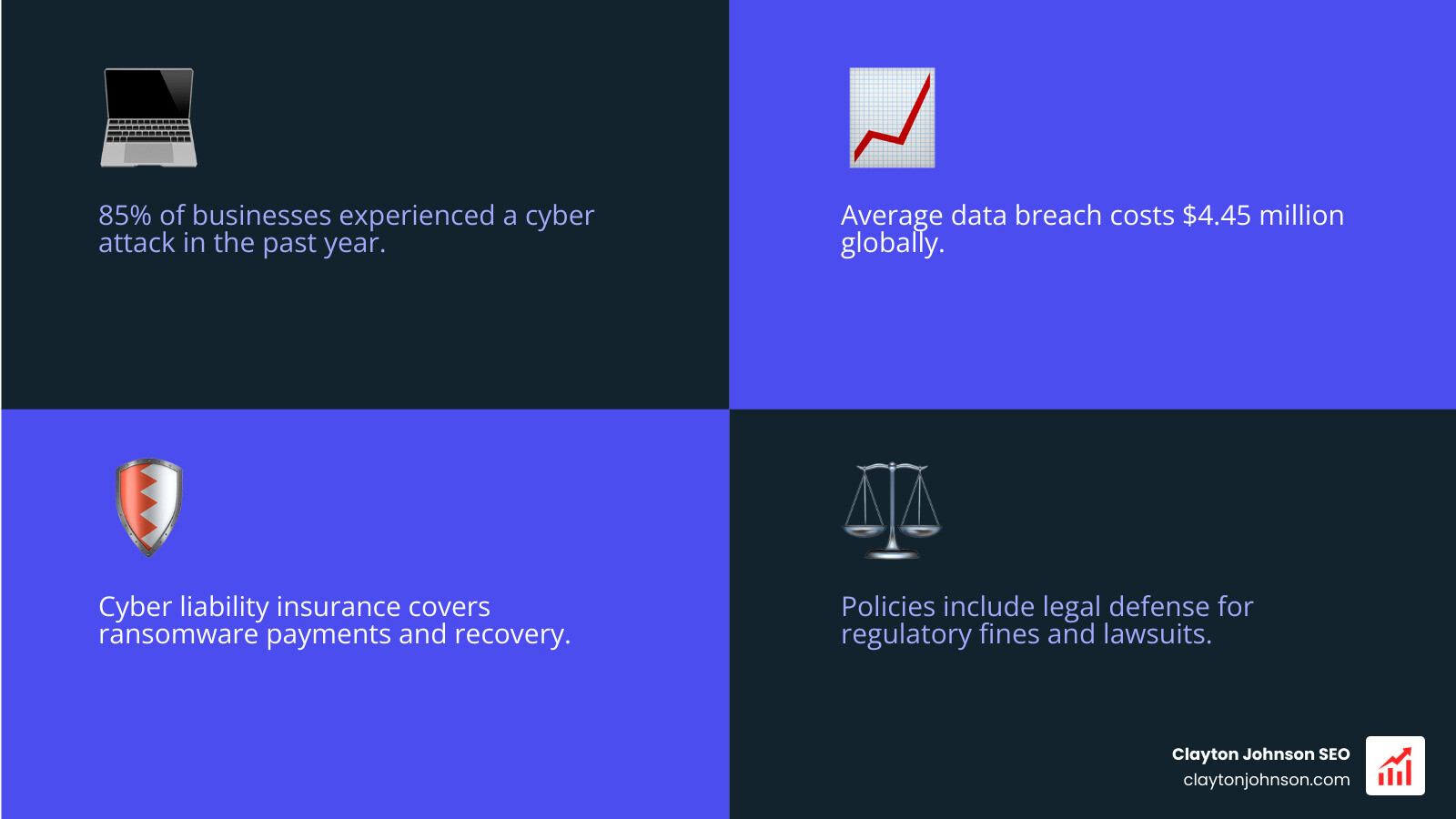
How to Evaluate and Implement Your Cyber Policy
Choosing a policy isn’t about finding the cheapest premium; it’s about finding the one that won’t leave you hanging when a crisis hits. You need a thorough risk assessment that looks at your financial metrics to determine exactly how much coverage you need to stay solvent.
When evaluating cyber liability insurance coverages, you must be wary of exclusions. Common things that might not be covered include:
- Prior Acts: Incidents that happened before you bought the policy.
- Infrastructure Failure: If the entire regional power grid goes down (that’s usually a different type of insurance).
- Preventable Issues: If you ignored multiple warnings to patch a known security hole.
- Post-Attack Improvements: Insurance pays to get you back to where you were, not to upgrade your entire system to a better version.
Identifying Gaps in General Liability and BOP
A common misconception among business owners is that their General Liability (GL) or Business Owner’s Policy (BOP) has them covered. They usually don’t.
GL policies are designed for physical risks—someone slipping in your lobby or a fire in the warehouse. They often explicitly exclude “non-physical” digital losses. While a BOP might cover the physical theft of a laptop, it won’t cover the millions of dollars in liability if the data on that laptop is leaked.
Furthermore, if you are a professional service provider—like a wealth manager—you need to ensure your cyber policy integrates with your Errors and Omissions (E&O) coverage. If a cyberattack prevents you from delivering a service to a client, and that client loses money, you could be sued for negligence. What does cyber insurance cover? It covers the digital gap where standard professional liability stops.
Factors That Influence Your Insurance Premiums
Insurers don’t just pull numbers out of a hat. Your premium is a reflection of your “digital hygiene.” If you want lower rates, you need to prove you aren’t a high-risk gamble.
Key factors include:
- Industry Risk: Energy and financial sectors are hackers’ favorite targets. If you’re in mining, you’re at the highest risk for spear phishing—one in 2.7 mining companies were targeted in a single year.
- Revenue Size: The more money you make, the bigger the target on your back.
- Security Posture: Do you use Multi-Factor Authentication (MFA)? Is your data encrypted? Do you run regular lead generation audits to ensure customer data is stored safely?
- Loss History: Just like car insurance, if you’ve been breached before, your rates will likely go up.
Building a Resilient Growth System with Clayton Johnson
At the end of the day, insurance is a safety net, but a safety net doesn’t help you grow—it only stops you from falling. To build a truly durable business, you need a system that combines risk management with aggressive, scalable growth.
That’s where we come in. I specialize in building SEO services and technical architectures that don’t just “chase tactics” but build compounding authority. We focus on:
- Technical SEO and Content Architecture: Building a site that is as structurally sound as it is visible.
- Strategic Positioning: Ensuring your brand stands out in a crowded, high-risk digital landscape.
- AI-Augmented Workflows: Leveraging the same AI technology used by attackers to instead foster innovations and drive efficiency in your marketing.
We believe in Clarity → Structure → Leverage → Compounding Growth. By securing your business with the right cyber liability insurance coverages and powering it with a structured SEO strategy, you aren’t just protecting what you have—you’re building a foundation for what’s next.
Ready to turn your fragmented marketing into a coherent growth engine? Let’s build a system that lasts.