How to Master Agency Audience Behavior Analysis for Better Client Results


Why Agency Audience Behavior Analysis Determines Campaign Success
Agency audience behavior analysis is the process of collecting and interpreting data about your clients’ target audiences — including who they are, what they do online, and why they make buying decisions — so you can build campaigns that actually convert.
Here’s what effective agency audience behavior analysis covers:
- Demographics — age, location, income, occupation
- Psychographics — values, interests, attitudes, lifestyle
- Behaviors — browsing habits, purchase history, content engagement
- Motivations — pain points, emotional triggers, decision drivers
- Segmentation — grouping audiences into actionable personas for targeted messaging
Most agencies skip one or more of these layers. The result? Wasted budget and campaigns that miss the mark.
Consider this: 73% of marketers admit they don’t fully understand their target audience. That’s not a small gap — it’s the difference between a campaign that resonates and one that gets ignored.
The good news is that a structured analysis process fixes this. When you know exactly who your client’s audience is, where they spend time, and what drives their decisions, every creative choice becomes sharper and every dollar works harder.
I’m Clayton Johnson, an SEO strategist and demand generation expert with nearly two decades of experience building data-driven marketing frameworks — including deep work in agency audience behavior analysis to help clients attract and convert high-value prospects. In the sections below, I’ll walk you through the exact process, tools, and frameworks agencies use to turn audience data into measurable client results.
A Strategic Framework for Agency Audience Behavior Analysis
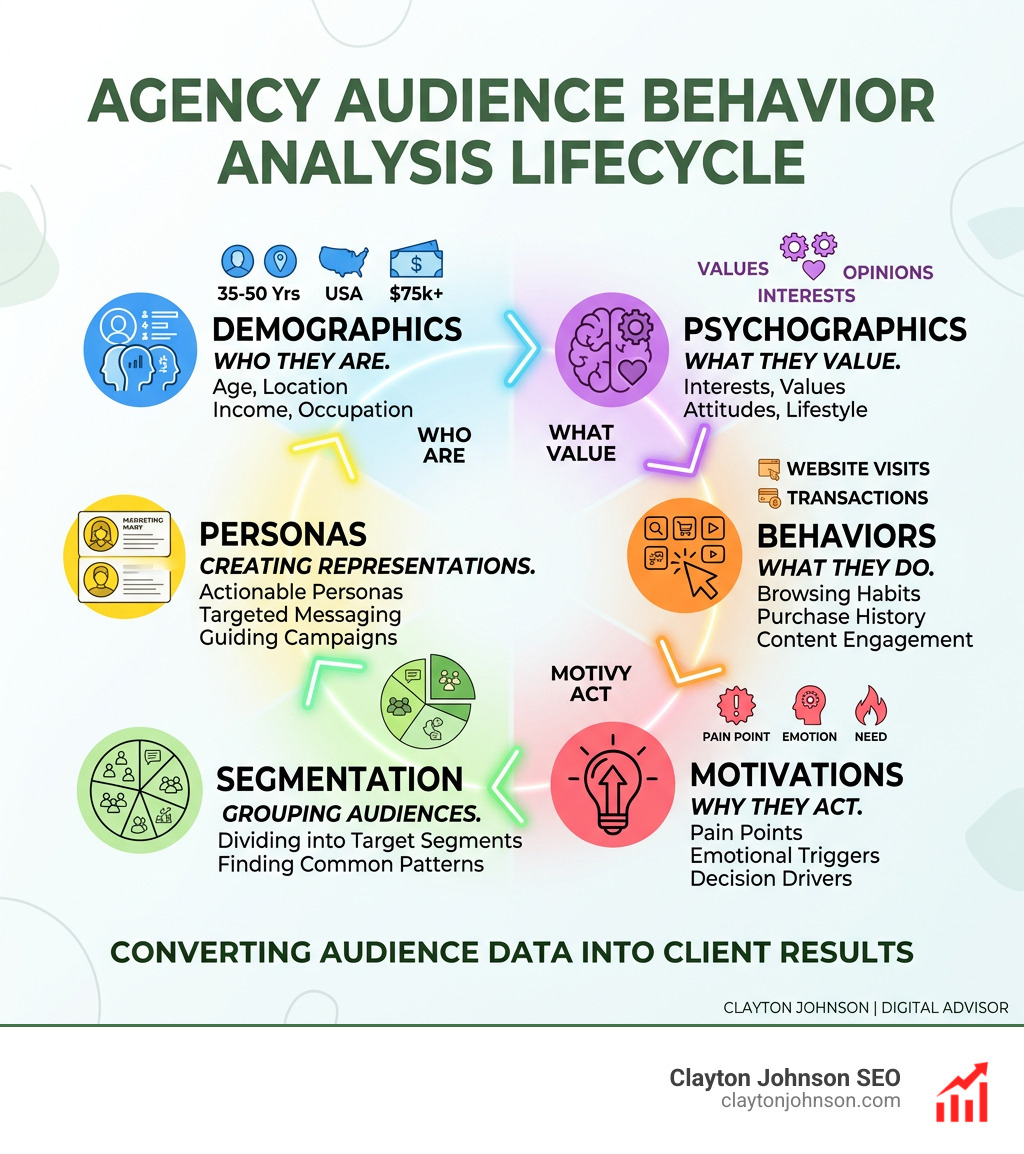
In high-stakes marketing, guessing is a luxury we can’t afford. We treat agency audience behavior analysis as a branch of “decision science.” It’s the process of turning raw, fragmented data points into actionable intelligence. When we understand the “why” behind a click, we gain a massive competitive advantage for our clients.
Too many marketing-agencies treat audience research as a checkbox item during onboarding. They look at a few basic spreadsheets, create a generic persona named “Marketing Mary,” and call it a day. But true behavioral analysis is a living, breathing roadmap. It tells us not just who the customer is today, but how they will react to a specific message tomorrow.
Shockingly, 73% of marketers admit they don’t fully understand their target audience, which leads to wasted resources and campaigns that fall flat. By implementing a structured framework, we move away from “post and pray” tactics and toward a system of compounding growth. We aren’t just looking for data; we are looking for the leverage that data provides.
Defining Core Components of Agency Audience Behavior Analysis
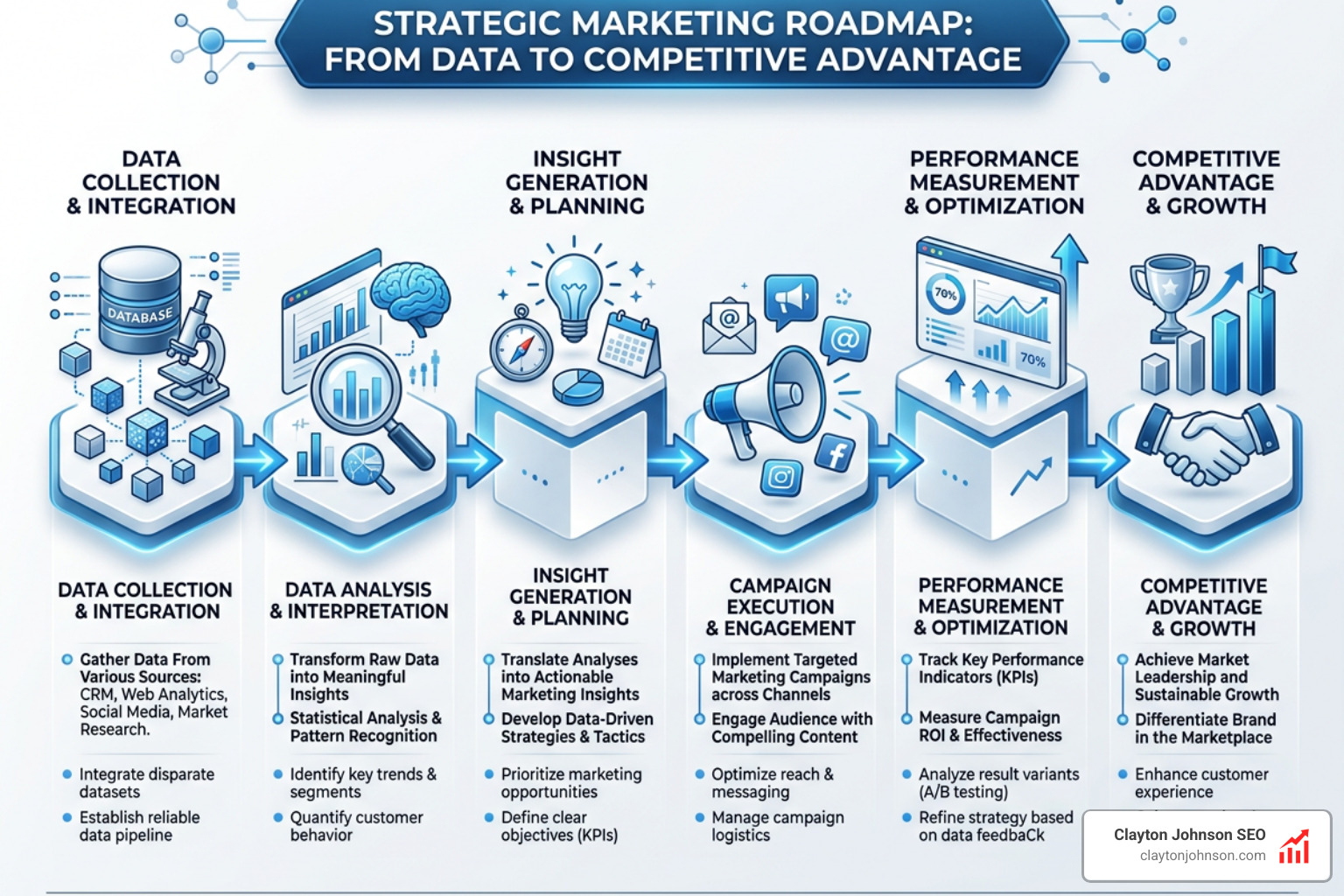
To master this process, we have to break the audience down into its fundamental building blocks. We categorize these into four main pillars: demographics, psychographics, behaviors, and motivations.
- Demographics (The “Who”): This is the baseline. It includes age, geographic location, socioeconomic status, and gender identity. For B2B clients, it also includes industry and occupation. While demographics are essential for ad targeting and localization, they are only the tip of the iceberg.
- Psychographics (The “Why”): This is where the magic happens. Psychographics cover values, attitudes, and lifestyle. Think of it this way: Ozzy Osbourne and King Charles are both wealthy, British men born in the same year who love dogs and sports cars. Demographically, they are identical. Psychographically? They couldn’t be more different.
- Online Behaviors (The “What”): We look at digital body language. What websites do they visit? Which social platforms do they scroll through at 11 PM? Do they research products for weeks, or are they impulsive buyers? At least 67% of consumers research products online before buying, so tracking this pathway is critical.
- Motivations (The “Trigger”): What keeps them up at night? What are their specific pain points? We want to know the emotional drivers that push them toward a solution.
| Component | Focus Area | Agency Application |
|---|---|---|
| Demographics | Age, Location, Income | Media buying and ad targeting limits. |
| Psychographics | Values, Interests, Beliefs | Messaging tone and brand alignment. |
| Behaviors | Clicks, Search, Purchases | Channel selection and UX optimization. |
| Motivations | Pain Points, Desires | Offer creation and emotional hooks. |
Step-by-Step Execution of Agency Audience Behavior Analysis
Conducting a thorough analysis doesn’t have to be overwhelming if we follow a structured process. Here is how we break it down:
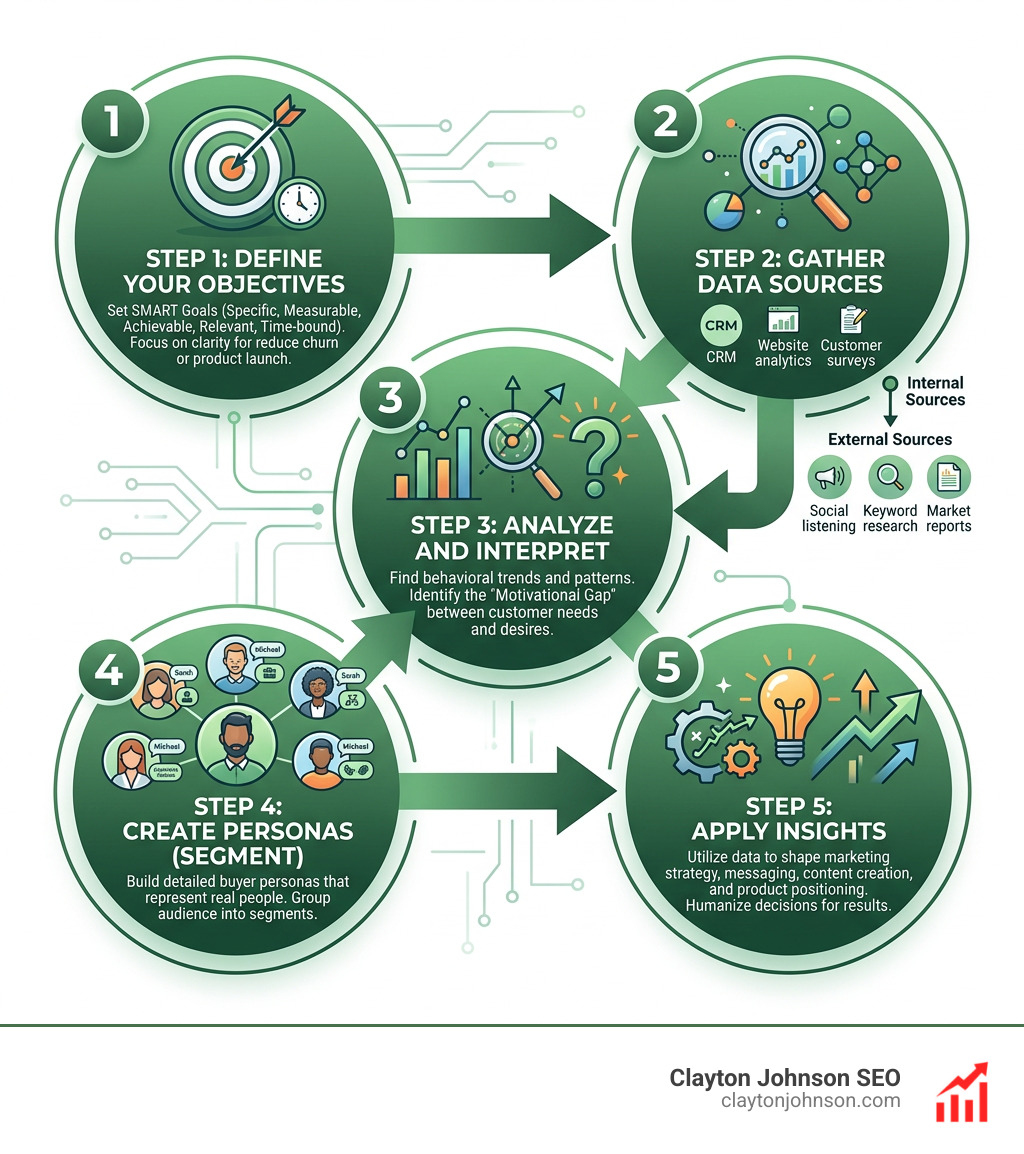
Step 1: Define Your Objectives We never start a project by just “looking at data.” We start with SMART goals (Specific, Measurable, Achievable, Relevant, and Time-bound). Are we trying to reduce churn? Are we trying to find a new market segment for a product launch? Clarity at the start prevents data fatigue later.
Step 2: Identify and Gather Data Sources We pull from two main wells:
- Internal Sources: We dig into the client’s CRM, website analytics, and previous customer surveys. This tells us what the existing fans are doing.
- External Sources: We use social listening, keyword research, and third-party reports to see what the market is doing.
Step 3: Analyze and Interpret This is where we look for patterns. If we see that a specific segment of “Remote Workers” is highly active on LinkedIn on Tuesday nights but never clicks on emails, we’ve found a behavioral trend. We look for the “Motivational Gap”—the space between what a customer has and what they want.
Step 4: Create and Refine Personas We take these insights and build buyer personas that feel like real people. We give them names, photos, and specific quotes that represent their struggles. This humanizes the data and makes it easier for creative teams to write copy that actually connects.
Essential Tools for Data Collection and Analysis
You can’t build a house with your bare hands, and you can’t do agency audience behavior analysis without a solid tech stack. Here are the tools we rely on to get the job done:
- Google Analytics 4 (GA4): The gold standard for tracking website behavior. It tells us where people come from and where they drop off.
- Audiense Insights & Soprism: These are powerhouses for social consumer segments. Audiense Insights allows us to identify very specific clusters of people based on who they follow and what they talk about. You can even see for yourself with a trial to see how deep the data goes. Soprism helps us enrich that data with digital intelligence that most agencies miss.
- SparkToro: This is our favorite tool for “influence research.” It tells us what podcasts our audience listens to, what social accounts they follow, and what websites they read. It’s essential for finding where to place guest posts or sponsorships.
- Heatmaps (CrazyEgg / Hotjar): These show us “digital body language.” We can see exactly where users are clicking and how far they scroll. If everyone stops scrolling right before the CTA, we know we have a UX problem.
- Q&A Communities (Quora & Reddit): We use these to find raw, unfiltered pain points. Quora hit 100 million monthly users recently, making it a goldmine for seeing the exact questions people are asking about a niche.
Segmenting Audiences into Actionable Personas
Once we have the data, we have to make it usable. This is where market segmentation comes in. We don’t just want one giant “target audience.” We want 3 to 5 distinct subgroups.
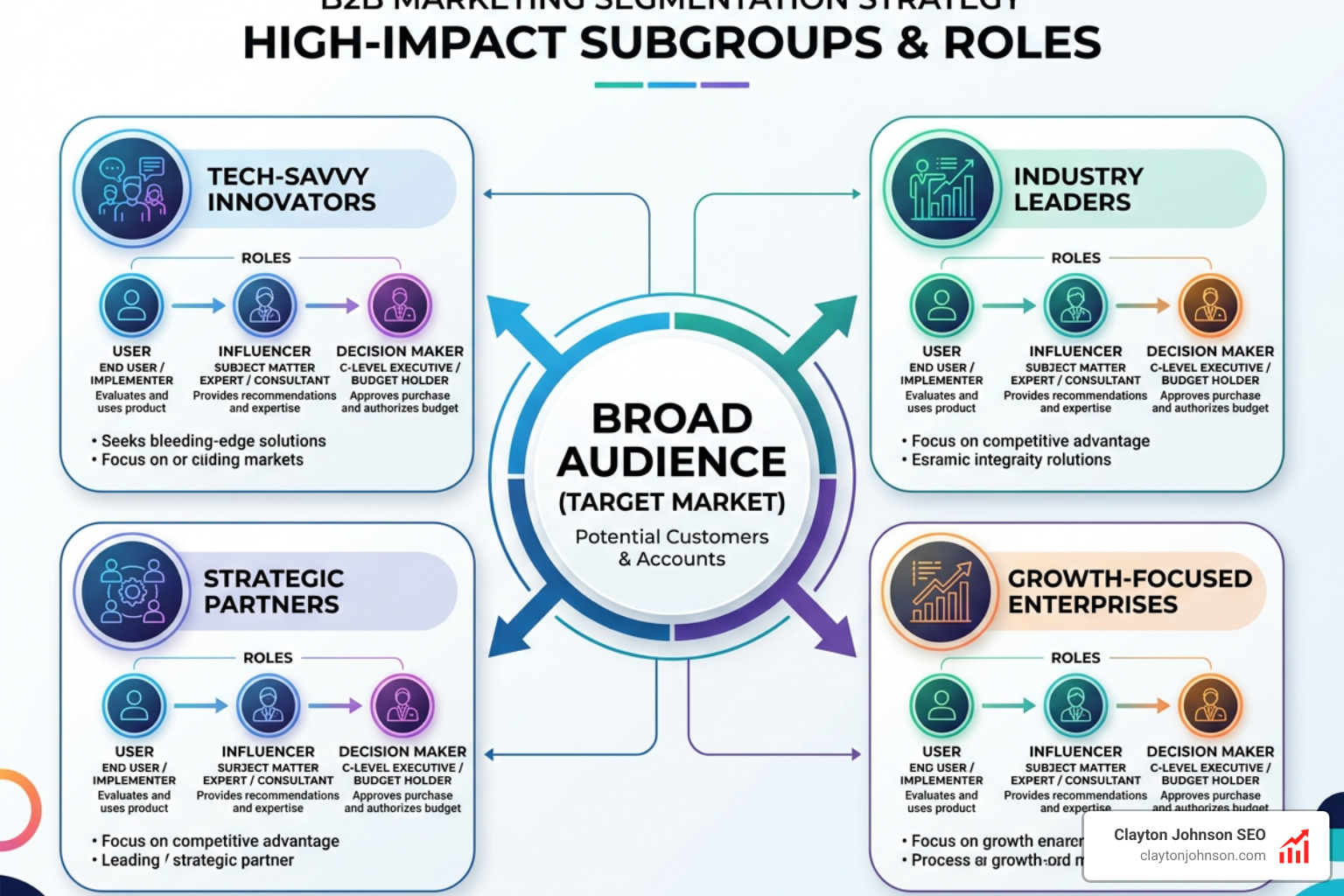
One critical concept we use is the Decision Making Unit (DMU). In B2B marketing, the person using the product isn’t always the person paying for it. We need to identify:
- The User: The person who will actually use the tool daily.
- The Influencer: The person whose opinion the boss trusts.
- The Decision Maker: The person with the budget and the final “yes.”
Each of these roles has different pain points. The User wants to save time; the Decision Maker wants to save money or increase ROI. If you send a “time-saving” email to the CFO, it might get ignored. If you send an “ROI” email to the User, they might not care.
To make this easier, we often use MakeMyPersona by HubSpot to build out visual templates. By personifying the data, we ensure that every piece of content we create is solving a real problem for a specific person.
Measuring ROI and Avoiding Common Analysis Pitfalls
The ultimate goal of agency audience behavior analysis is to improve client results. But how do we know if it’s working? We look at two primary metrics:
- Conversion Rates: If our analysis is correct, our messaging should resonate more, leading to higher clicks and sales.
- Customer Retention: A study by HubSpot showed that increasing your customer retention rate by just 5% can result in a 25% to 95% increase in company revenue. Understanding behavior helps us keep customers happy for longer.
However, we have to be careful of common mistakes:
- Overgeneralization: Thinking everyone in an age group acts the same. (Remember the Ozzy vs. Charles example!)
- Ignoring Context: Looking at numbers without understanding the environment. A spike in traffic during a holiday might not mean your strategy is working; it might just be the season.
- Data Privacy: With regulations like GDPR and CCPA, we must be ethical in how we collect data. 86% of consumers are concerned about their data privacy, so transparency is key.
When we get it right, the impact is massive. Companies that focus on positive customer experiences see an 80% improvement in revenue. This is why conversion rate optimization and audience analysis go hand-in-hand.
Future Trends in Behavioral Data and AI
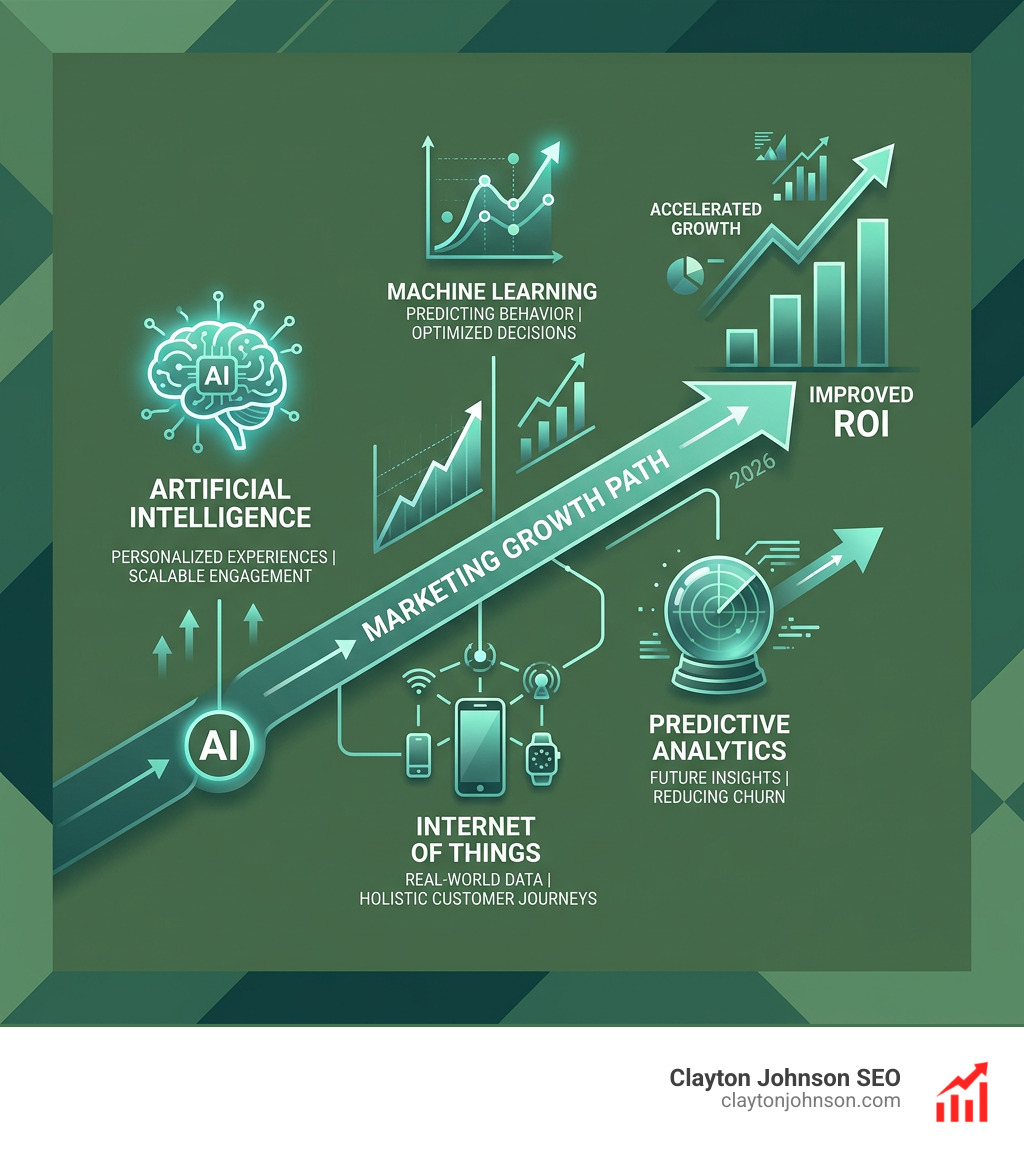
The world of audience analysis is moving fast, and we are heavily investing in AI tools to stay ahead. Here is what we see on the horizon:
- Machine Learning & Predictive Analytics: Instead of just looking at what customers did, AI helps us predict what they will do. Predictive analytics in marketing is projected to be a $35 billion industry very soon. We can now identify “at-risk” customers before they even think about leaving.
- IoT Data: With over 75 billion connected devices expected globally, we will soon have data on how users interact with brands in the real world, not just on their screens.
- AI-Moderated Interviews: Traditional qualitative research used to take months. Now, we can use AI to conduct hundreds of scalable “interviews” and find common emotional triggers in a matter of days.
Conclusion: Turning Insights into Compounding Growth
Mastering agency audience behavior analysis is the difference between running a campaign and building a growth engine. At Clayton Johnson SEO, we don’t believe in chasing fleeting tactics. We believe in building durable systems that turn search intent and behavioral data into measurable business impact.
By combining technical SEO depth with strategic positioning and AI-enhanced workflows, we help digital marketing agencies and founders move from fragmented efforts to coherent growth. It all starts with clarity — knowing exactly who you are talking to and why they should care.
When you structure your audience research as a rigorous science rather than a creative guess, you unlock the leverage needed for compounding growth. If you’re ready to stop guessing and start building a traffic system that actually converts, we are here to help you operationalize that strategy. Let’s turn those insights into results.