How to Master SEO Basics Without a Degree

Why an SEO Tutorial for Beginner Learners Can Change Your Business
An seo tutorial for beginner is a step-by-step guide that teaches you how to get your website found on Google — without paying for ads.
Here’s a quick overview of what SEO involves:
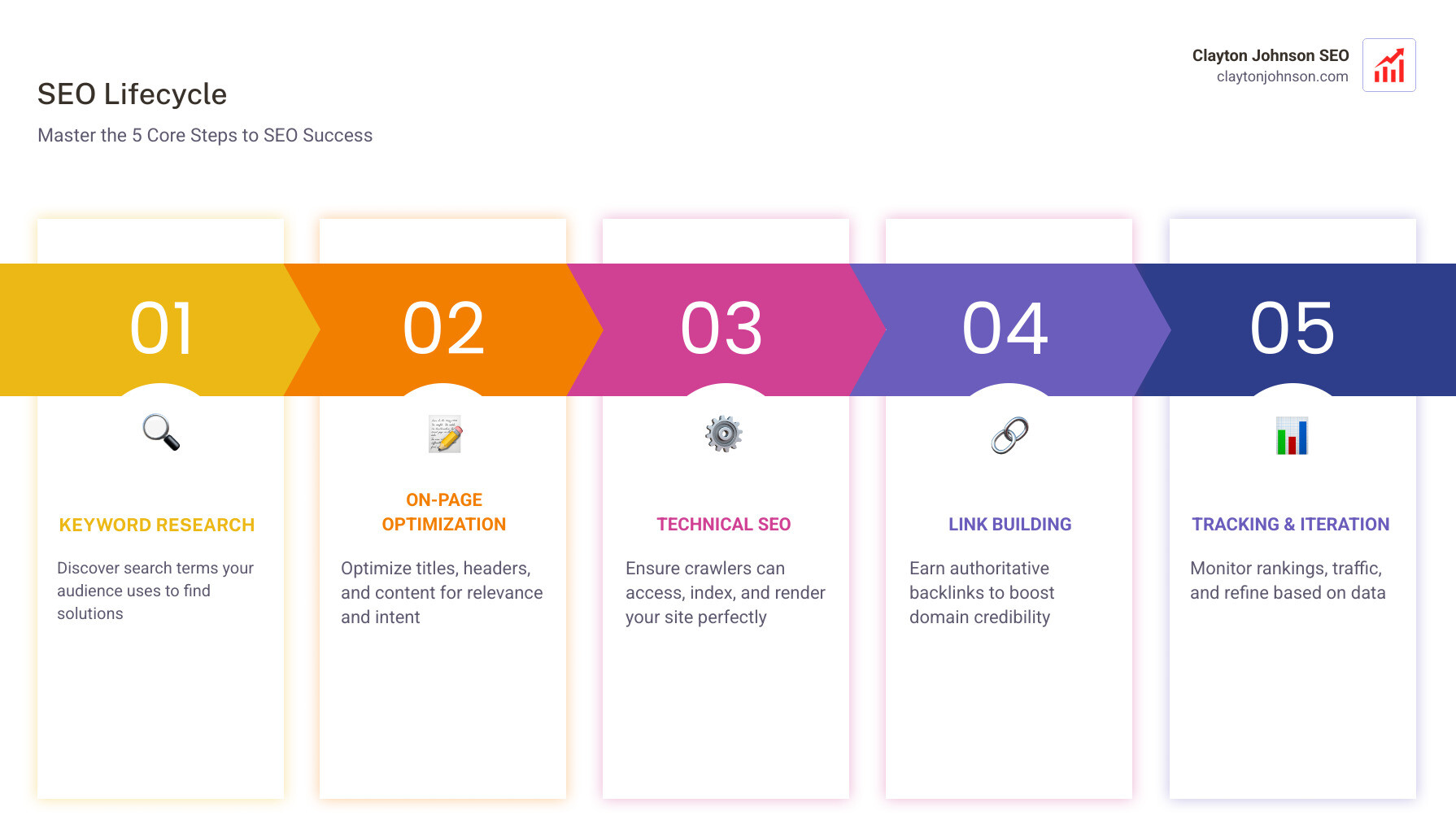
- Keyword Research – Find the words your customers type into Google
- On-Page Optimization – Use those words in your titles, headers, and content
- Technical SEO – Make sure Google can crawl and index your site
- Content Creation – Write helpful, relevant pages that match what searchers want
- Link Building – Earn links from other sites to build your authority
- Tracking – Measure your rankings and traffic to see what’s working
Google processes 4.9 billion searches every minute. The top organic result gets 27.6% of all clicks. The second gets 15.8%. By the third result, you’re already at 11%.
If your site isn’t on page one, most potential clients never find you.
That’s why SEO matters. It’s not a quick fix — but it compounds. A page you optimize today can bring you traffic for years, with no ongoing ad spend.
SEO is also one of the most misunderstood skills in digital marketing. Most guides drown you in jargon. This one won’t.
I’m Clayton Johnson, an SEO strategist with nearly two decades of experience helping businesses build scalable search visibility and attract high-value leads — everything I teach in this seo tutorial for beginner guide comes from real-world implementation, not theory. Let’s build your foundation the right way.
The Core Pillars of an seo tutorial for beginner Success
To master SEO, we first need to understand how search engines actually work. Think of Google as a giant, digital librarian. To recommend a book to a reader, the librarian needs to know the book exists, understand what it’s about, and believe that it is a high-quality resource.
In technical terms, this happens through three main stages:
- Crawling: Google sends out automated “bots” (often called spiders) to scan the internet. These bots follow links from one page to another to discover new content.
- Indexing: Once a page is crawled, Google analyzes the text, images, and video files to understand the page’s topic. It then stores this information in a massive database called the “Search Index.”
- Ranking: When a user types a query, Google pulls the most relevant and high-quality pages from its index to show the user.
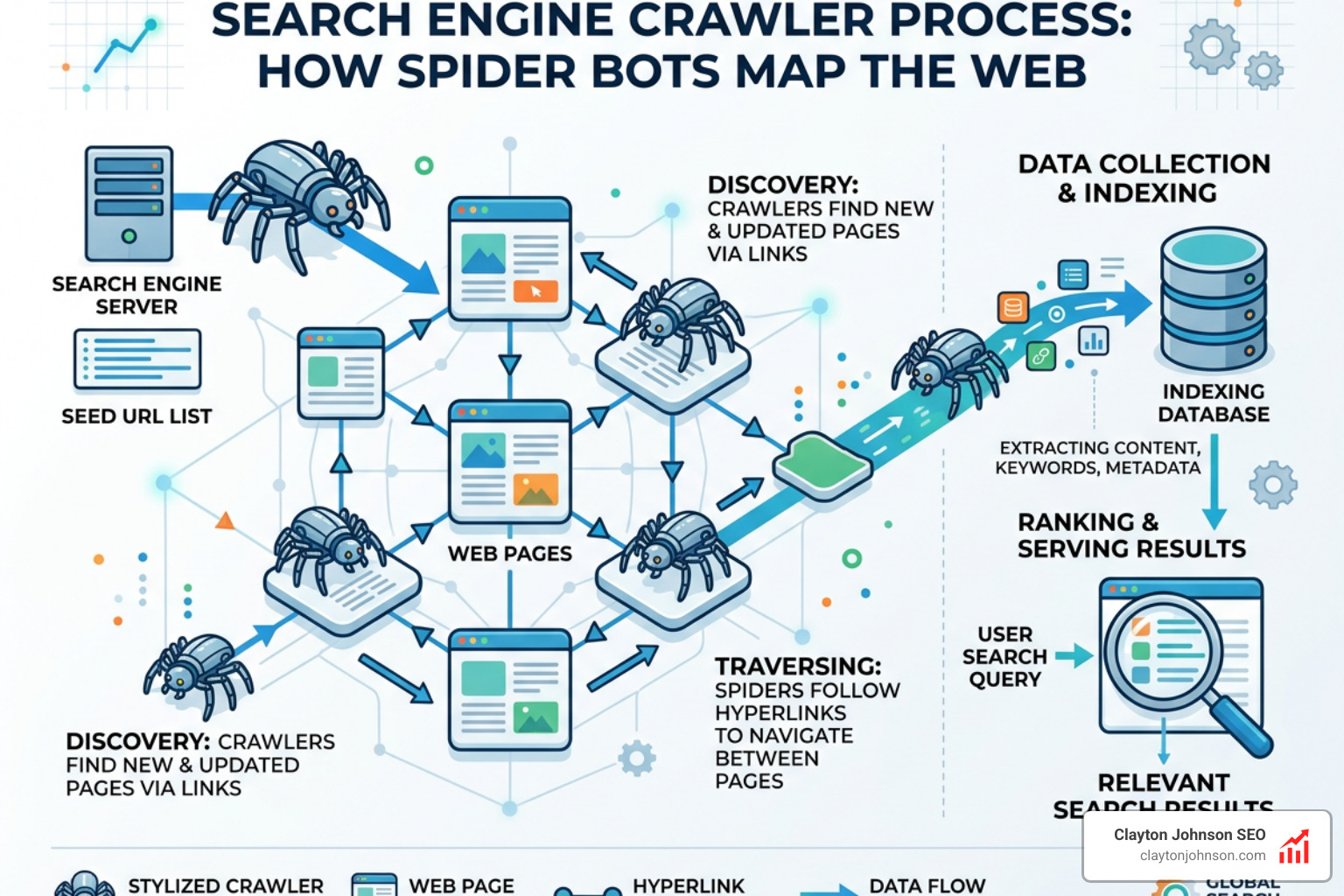
According to Google’s explanation of how search works, the goal is always to present the most relevant information. This is where search intent comes in. If someone searches for “how to bake a cake,” they want a recipe, not a store selling cakes. Matching your content to what the user actually wants is the secret sauce of modern SEO.
We focus on building durable systems rather than chasing temporary hacks. By understanding the ultimate guide to keyword strategy, you can align your site’s architecture with the way people actually search. If this feels like a lot to handle while running a business, you can always explore more info about SEO services to see how a structured growth engine is built by professionals.
Mastering Keyword Research in this seo tutorial for beginner Guide
Keyword research is the foundation of every successful SEO campaign. If you don’t know what people are searching for, you’re essentially shouting into a void.
When we look for keywords, we evaluate three main metrics:
- Search Volume: How many people are searching for this term each month?
- Keyword Difficulty (KD%): How hard is it to outrank the websites currently on page one?
- Search Intent: Why is the person searching? Are they looking for information (Informational), a specific site (Navigational), comparing products (Commercial), or ready to buy (Transactional)?
For beginners, the “sweet spot” is often long-tail keywords. These are longer, more specific phrases like “organic dog food for senior labs” instead of just “dog food.” While they have lower search volume, they usually have much lower competition and higher conversion rates. For example, the phrase “excel formula generator” has a global monthly search volume of 13.9K but a difficulty score of only 22%, making it a prime target for a new site.
To start finding these gems, we recommend learning how to find untapped keywords like a search engine ninja. You can also use keyword strategy templates to organize your findings into a roadmap that drives real business results.
On-Page Optimization and Content Architecture
Once you have your keywords, you need to place them strategically on your pages. This is called On-Page SEO. It’s about telling both Google and your users exactly what your page is about.
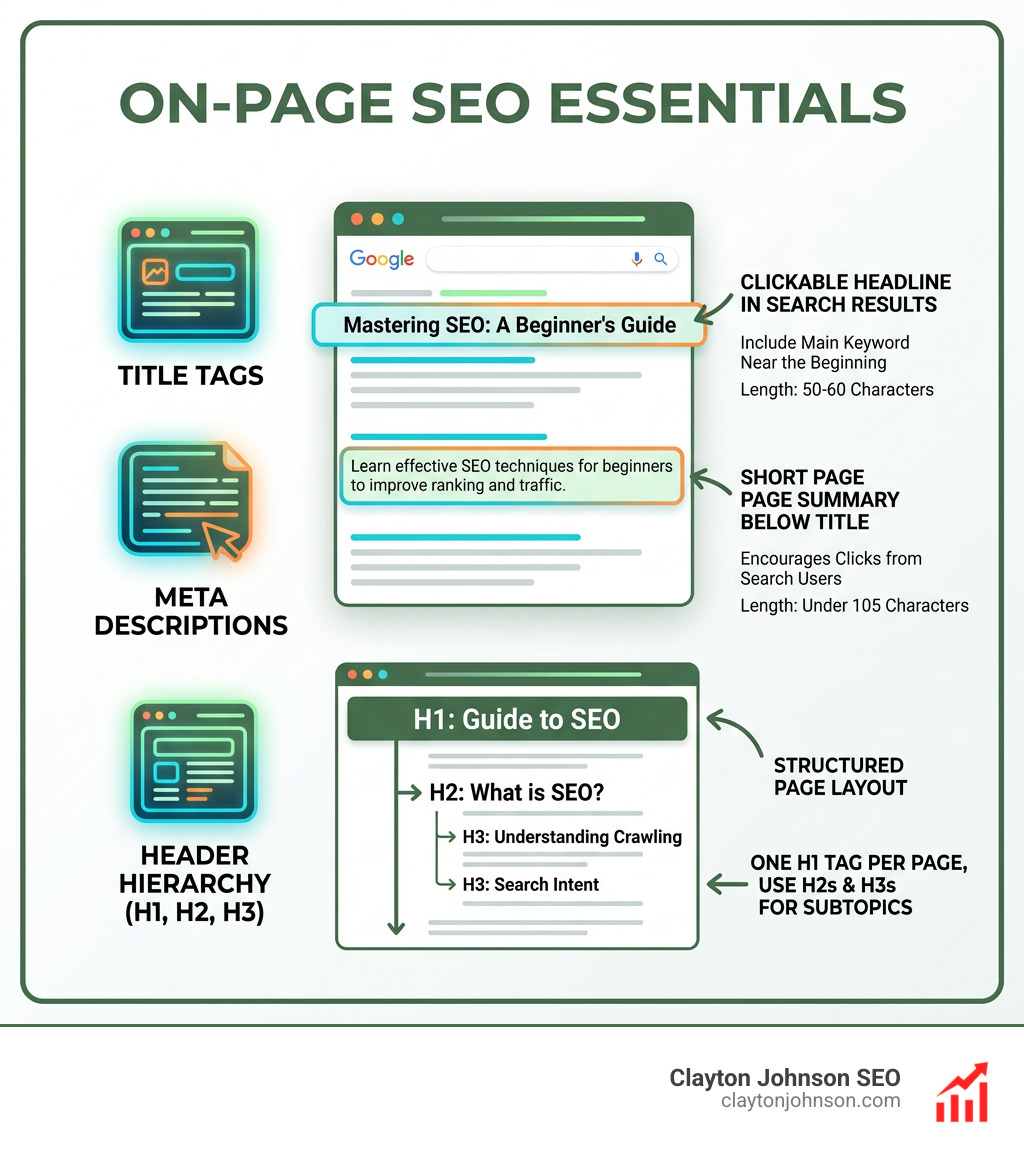
Here are the essential elements to optimize:
- Title Tags: This is the clickable headline in search results. Keep it between 50-60 characters and put your main keyword near the beginning.
- Meta Descriptions: This is the short summary below the title. While not a direct ranking factor, a compelling description (under 105 characters) encourages more people to click.
- Header Hierarchy (H1, H2, H3): Use one H1 tag for your main title. Use H2s and H3s for subtopics to make the page easy to scan.
- Image Alt Text: Search engines can’t “see” images, so use descriptive text to tell them what the image shows.
We also leverage modern technology to speed up this process. Learning how to use AI for on-page SEO that actually ranks can help you optimize hundreds of pages with precision.
Furthermore, don’t forget your internal linking strategy. By linking your pages together using descriptive anchor text, you help Google discover your content and pass “authority” from your strongest pages to your newer ones.
Technical Foundations and Site Structure
You can have the best content in the world, but if your website is a technical mess, Google won’t rank it. Technical SEO is about ensuring that search engines can access and read your site without issues.
Key technical elements include:
- XML Sitemaps: A roadmap of your site that you submit to Google Search Console to help bots find all your pages.
- Robots.txt: A file that tells search engines which parts of your site they shouldn’t crawl (like your admin login page).
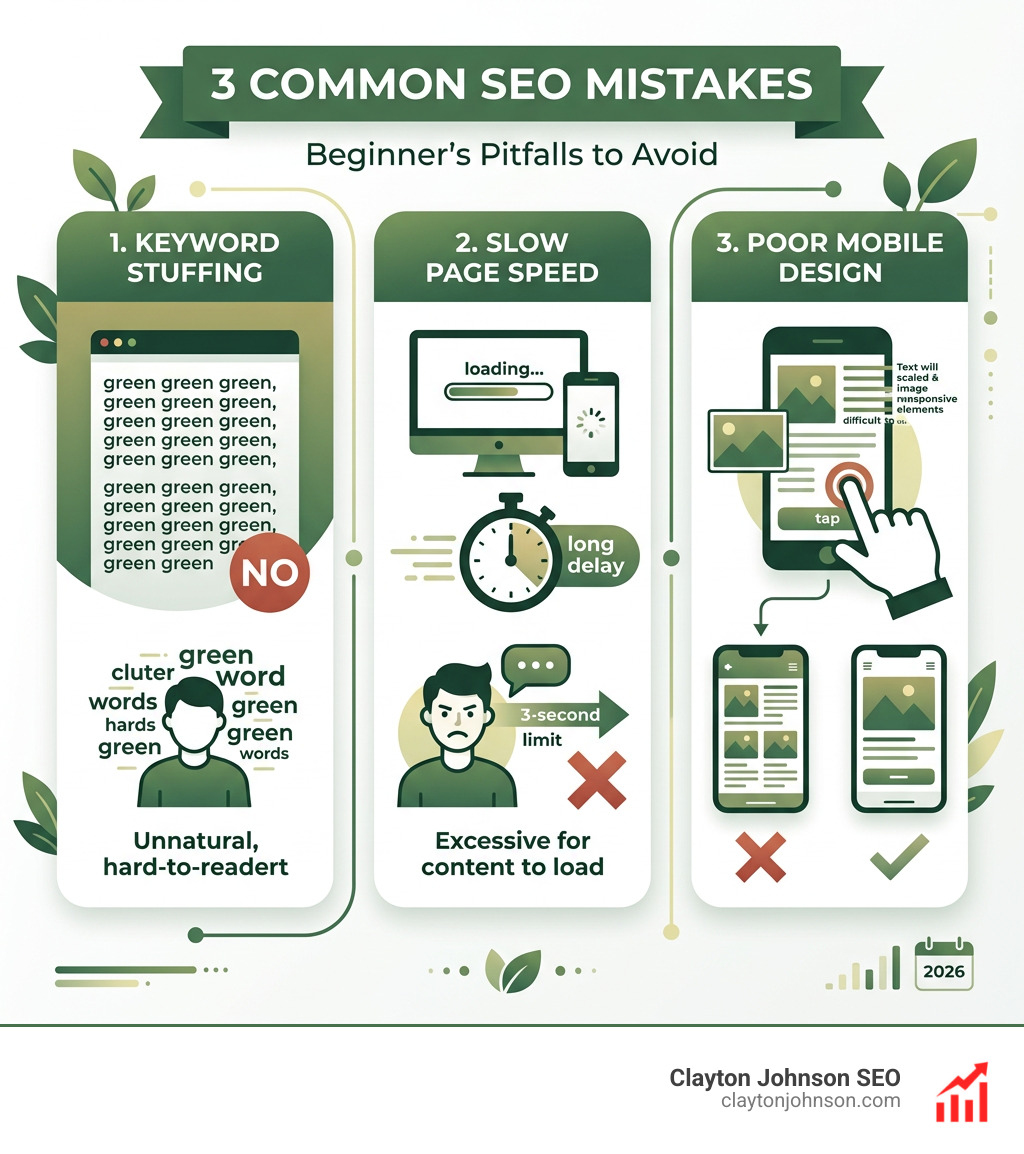
- Mobile-Friendliness: Since most searches happen on phones, Google now uses mobile-first indexing. Use the mobile-friendly design test to ensure your site looks great on all devices.
- Page Speed: Users hate slow sites. Use tools like PageSpeed Insights to check your Core Web Vitals (LCP, INP, CLS) and aim for a fast, snappy experience.
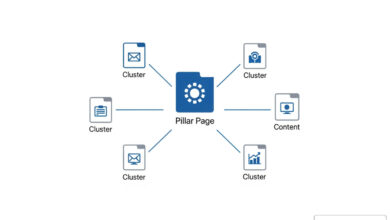
If your site uses a lot of interactive elements, you might need a JavaScript SEO audit to ensure Google can see your content properly. We also recommend a pillar page linking strategy to organize your site into “hubs” of information, which makes your site much easier for both bots and humans to navigate.
Implementing Your Strategy and Measuring Growth
SEO isn’t a “set it and forget it” task. It requires consistent execution and measurement. As Wikipedia’s definition of SEO notes, it is an ongoing process of improving visibility in “natural” or unpaid search results.
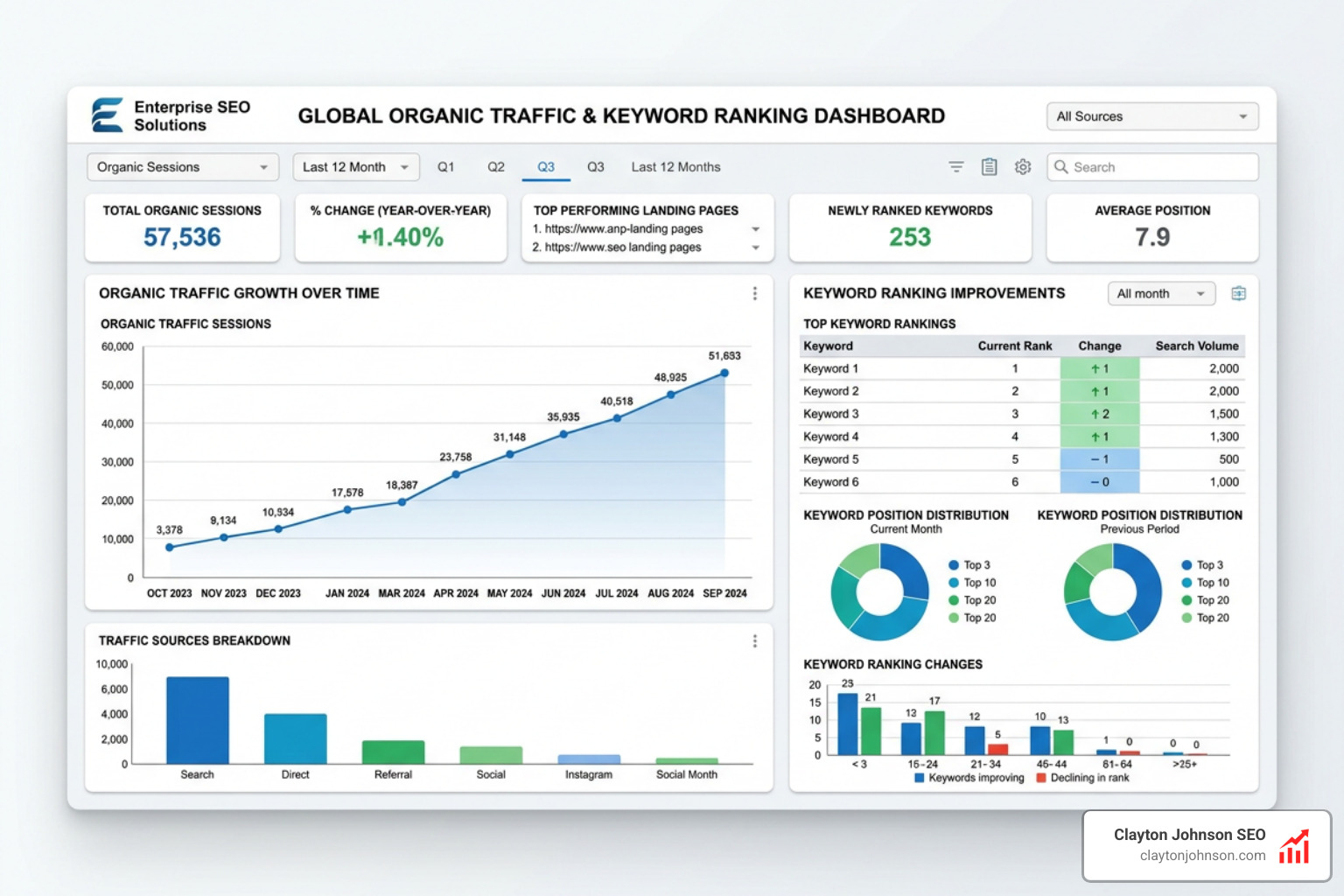
To track your progress, you need two essential free tools:
- Google Search Console (GSC): This tells you how Google sees your site, which keywords you’re ranking for, and if there are any technical errors.
- Google Analytics 4 (GA4): This tells you what people do after they arrive on your site—which pages they visit, how long they stay, and if they buy anything.
For those just starting, our absolute beginners guide to mastering core SEO provides a structured way to look at these metrics. We also integrate AI-augmented workflows to handle the heavy lifting of data analysis, allowing you to focus on high-level strategy.
Building Authority with Off-Page SEO
Off-page SEO is everything that happens away from your website that influences your rankings. The most important factor here is backlinks—links from other websites to yours. Think of these as “votes of confidence.”
However, not all links are created equal. A link from a major news site or a respected industry blog is worth much more than a link from a random, low-quality site. In fact, low-quality “spammy” links can actually hurt your rankings.
Safe ways to build authority include:
- Guest Posting: Writing high-quality articles for other reputable websites in your niche.
- Social Media Promotion: Engaging with your audience on platforms like LinkedIn or X (Twitter). While social links aren’t direct ranking factors, they drive traffic and increase audience engagement.
- Word of Mouth: Building a brand people talk about naturally leads to more links over time.
When building links, pay close attention to your internal linking and anchor text. Using the right words in your links helps search engines understand the context of the destination page.
Tracking Results and Avoiding Common Mistakes
As you implement your seo tutorial for beginner plan, you’ll start to see shifts in your organic rankings. But beware of common pitfalls that can derail your progress.
One major mistake is keyword stuffing—cramming your keyword into a page as many times as possible. This makes your content unreadable and can lead to penalties from Google. Instead, focus on “people-first” content that naturally incorporates your topics.
Another mistake is ignoring algorithm updates. Google updates its systems frequently to combat “content farms” and spam. Staying informed through resources like our SEO 101 guide ensures you’re always following current best practices. If you suspect your site has been hit by an update, you can learn how to audit SEO with AI to quickly identify and fix the underlying issues.
Leveraging AI in Your seo tutorial for beginner Workflow
The world of SEO is changing rapidly thanks to Artificial Intelligence. We don’t just see AI as a way to generate text; we see it as a way to build scalable traffic systems.
Large Language Models (LLMs) can help you:
- Analyze massive amounts of keyword data in seconds.
- Identify content gaps where your competitors are weak.
- Automate technical audits to find broken links or slow pages.
- Structure your data so it’s easily readable by AI-driven search engines.
Our no-nonsense guide to AI SEO explains how to integrate these tools without losing the human touch that readers crave. At Clayton Johnson SEO, we specialize in turning fragmented marketing efforts into coherent growth engines. By combining technical depth with durable growth frameworks, we help founders and operators build systems that don’t just rank—they compound over time.
Remember the philosophy: Clarity → Structure → Leverage → Compounding Growth.
You don’t need a degree to master the basics of SEO. You just need a willingness to execute, test, and refine your approach. Start with one page, optimize it well, and watch your organic visibility grow.