Marketers’ Agency Partnerships Are Strained—Can AI Save the Marriage?

Why Marketers and Branding Agencies Are Turning to AI — Fast
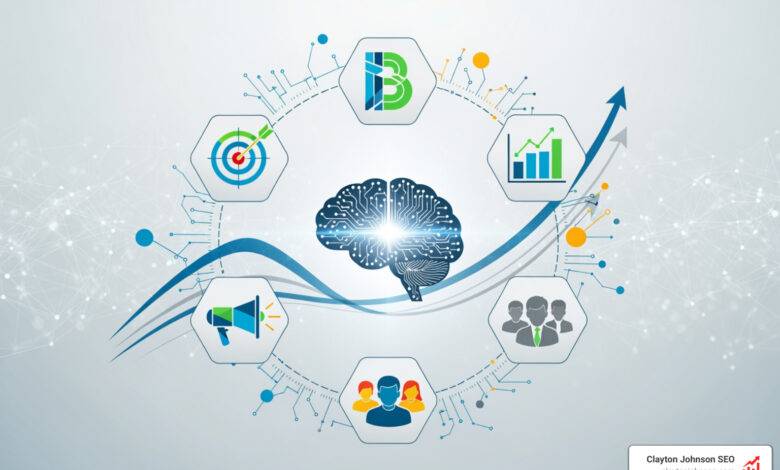
AI marketing for branding agencies companies is reshaping how brands get built, managed, and scaled — and if you’re running a branding agency or company today, you need to understand what’s changing and why.
Here’s a quick snapshot of what AI marketing means for branding agencies:
| What AI Does for Branding Agencies | Real Impact |
|---|---|
| Automates design and content production | 40% boost in operational efficiency |
| Maintains consistent brand voice across channels | 23% increase in revenue for consistent brands |
| Reduces marketing costs | Platforms cost $500–$5,000/mo vs. $10,000–$50,000/mo for agencies |
| Improves ROI | Up to 30% average ROI increase reported |
| Speeds up campaign production | Concept to launch in days, not months |
| Enables personalized marketing at scale | Audience targeting across millions of profiles |
The relationship between marketers and their agencies has always had friction. Slow turnaround times. High retainer costs. Inconsistent output. Production bottlenecks that kill good ideas before they ever reach an audience.
Now AI is sitting in the middle of that relationship — and it’s changing the math entirely.
72% of companies are already using AI tools, largely for the efficiency gains. The agencies and brands that are figuring out how to blend AI speed with human creative direction are pulling ahead. The ones still running purely traditional workflows are feeling the gap widen.
This isn’t a distant trend. It’s happening now, across design, content, strategy, and analytics.
I’m Clayton Johnson, an SEO strategist and AI marketing innovator with nearly two decades of experience helping companies grow through data-driven systems. I’ve worked directly with ai marketing for branding agencies companies — building frameworks that combine automation with strategic human oversight to drive real, measurable growth. Let’s dig into exactly how this works and what it means for your agency or brand.
Why AI Marketing for Branding Agencies Companies is the New Standard
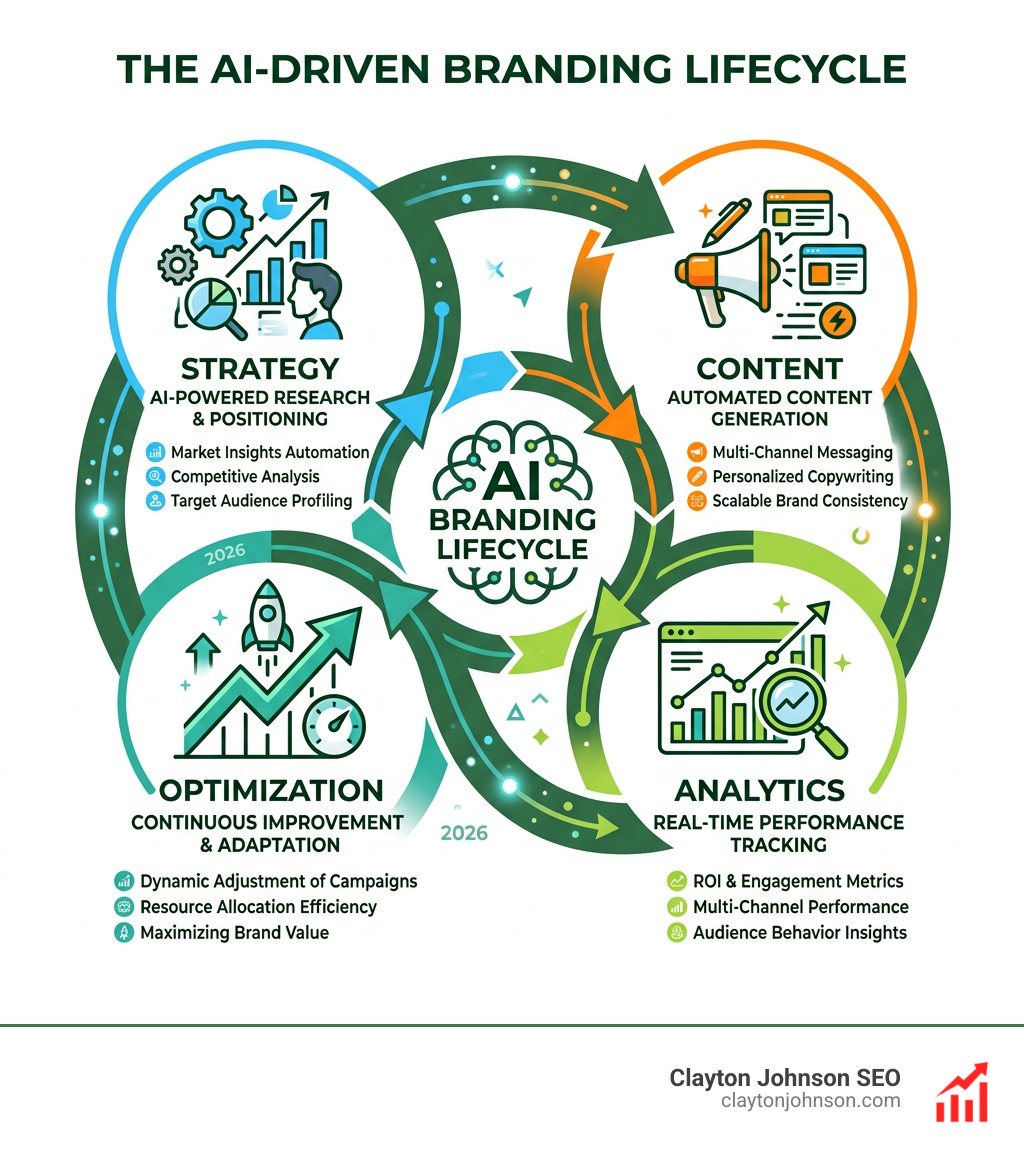
The shift toward AI isn’t just about “cool new tech.” It’s a survival response to a market that demands more content, faster results, and lower overhead. Research from McKinsey shows that 72% of companies have already integrated AI solutions into their operations. Why? Because the efficiency boost is undeniable. Companies utilizing AI-powered automation have reported a staggering 40% increase in operational efficiency.
For branding agencies, this means moving away from the “billable hour” trap and toward a value-based model. When you can automate 70% of repetitive tasks, your team can focus on the high-level strategy that actually moves the needle. We are seeing brands that adopt these systems generate 152% more annual revenue compared to those lagging behind.
The benefits are clear:
- Revenue Growth: AI has been shown to increase revenue by up to 10%.
- Cost Reduction: 54% of businesses report significant cost savings after implementation.
- Improved ROI: Marketing executives report an average ROI increase of 30% when using AI tools.
- Scalability: You can produce 50 creative variations for the price of five traditional executions.
By integrating these systems, branding agencies are transforming from slow-moving creative shops into high-speed growth engines.
How AI Marketing for Branding Agencies Companies Enhances Design Automation
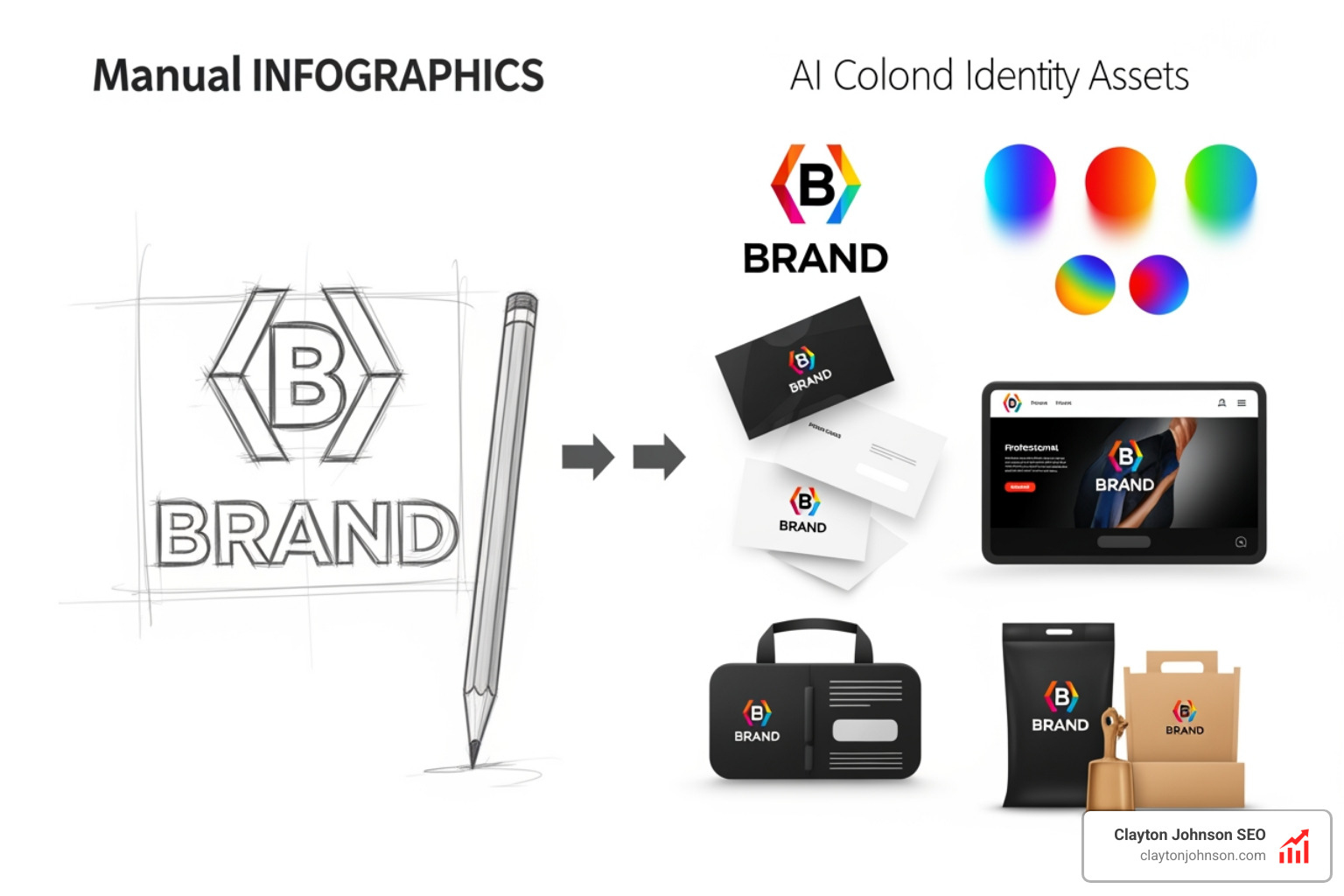
Design used to be the biggest bottleneck in branding. A logo suite could take weeks; a full visual identity, months. Today, Visual AI for Marketing & Advertising Agencies allows for rapid prototyping and instant iteration.
Tools like Midjourney, Looka, and Brandmark are no longer just toys for hobbyists. They are being used by professional studios to explore color psychology, generate hundreds of logo concepts in minutes, and visualize brand applications across digital and physical spaces. This doesn’t replace the designer; it gives them a “superpowered” sketchbook.
AI also excels at UI/UX optimization. By analyzing user behavior patterns, AI can suggest layout changes that improve engagement and conversion. This data-backed approach to design ensures that a brand’s visual identity isn’t just pretty—it’s functional.
AI vs. Traditional Agencies: Speed, Cost, and Scalability
When we compare the traditional agency model to an AI-augmented one, the gap in performance is striking. Traditional agencies often struggle with “production death,” where great ideas die because they are too expensive or slow to produce. AI removes those barriers.
| Feature | Traditional Agency Model | AI-Augmented Agency/Platform |
|---|---|---|
| Monthly Cost | $10,000 – $50,000 | $500 – $5,000 |
| Turnaround Time | Weeks to Months | Days to Hours |
| Scalability | Limited by Headcount | Virtually Unlimited |
| Data Usage | Periodic Reports | Real-time Analytics |
| Consistency | Human-dependent | Algorithmic Guardrails |
According to Demandbase, businesses using AI marketing agents have seen conversion rates jump by 40% while reducing customer acquisition costs by 25%. This level of efficiency is why we focus so heavily on building AI-enhanced workflow integrations at Clayton Johnson SEO. It’s about getting more leverage out of every dollar spent.
Maintaining Brand Voice and Consistency at Scale
One of the greatest challenges for any growing company is keeping the brand voice consistent across every tweet, blog post, and email. Fragmented messaging is a silent revenue killer. In fact, brands with uniform messaging across all channels see a 23% boost in revenue.
This is where tools like the Typeface Arc AI marketing agent come into play. These platforms don’t just “write content”; they are trained on your specific brand guidelines, past successful campaigns, and unique tone of voice. They act as a digital brand guardian, ensuring that every piece of output—whether generated by a human or a machine—stays on-brand.
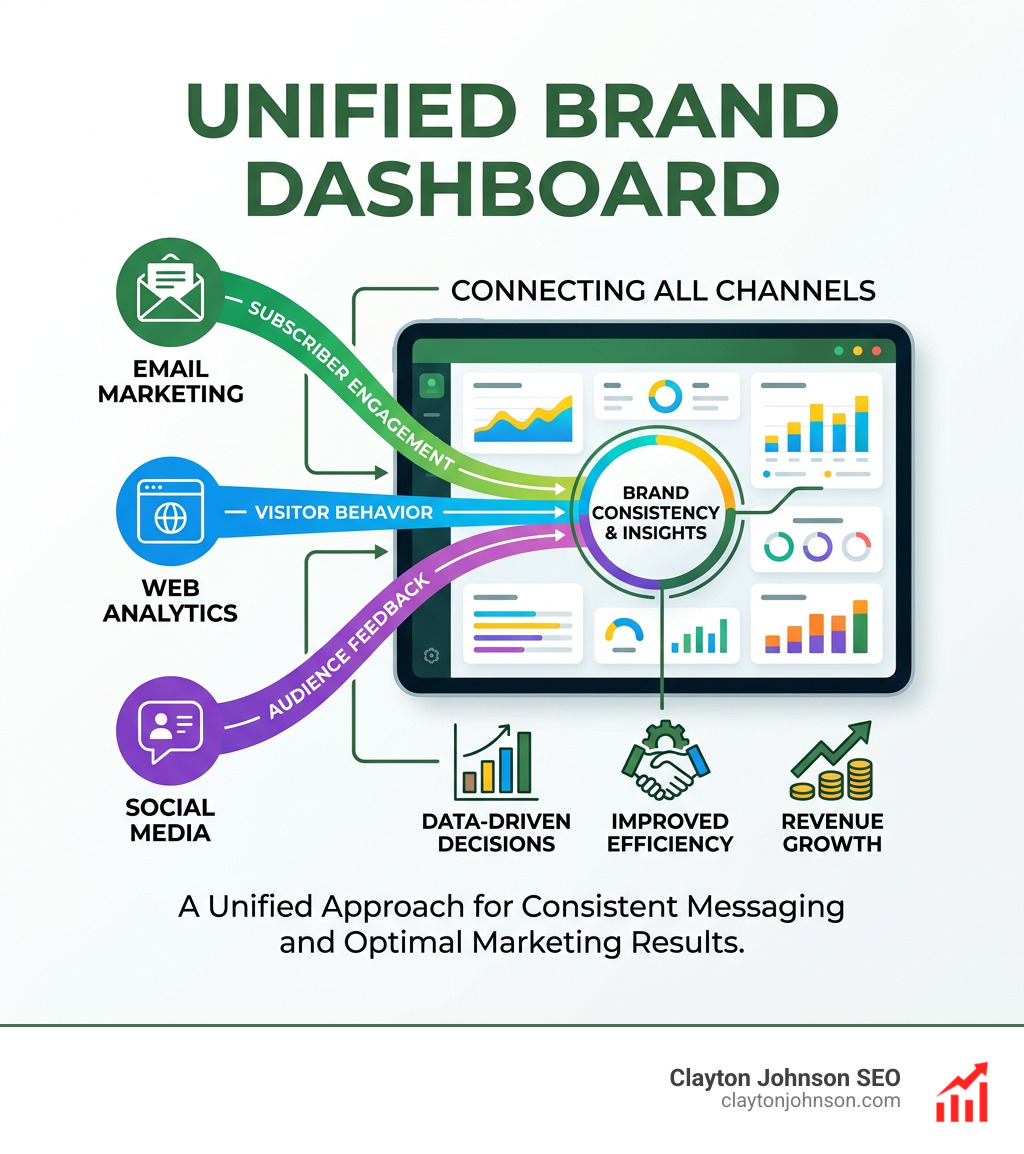
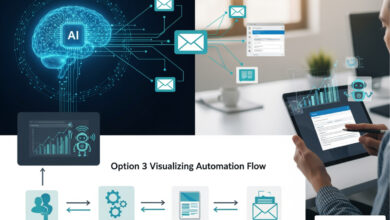
By using Zapier automation integrations, agencies can connect these AI writing tools to their entire marketing stack. This creates a seamless flow where a single strategic insight can be automatically turned into a week’s worth of on-brand social media captions, blog posts, and ad copy.
Predictive Insights and Market Analysis
Traditional market research is often outdated by the time the report hits your desk. AI changes this by providing real-time sentiment analysis and trend forecasting.
For example, Trendmaster scans over 500,000 sources daily to identify emerging trends weeks before they go mainstream. This allows branding agencies to position their clients as industry leaders rather than followers. Similarly, platforms like Dice help consolidate scattered data into a centralized view of the buyer journey, speeding up decision-making.
A classic example of this in action is Coca-Cola. During their FIFA World Cup campaign, they used AI to generate over 120,000 personalized videos for fans. This wasn’t just a gimmick; it was a data-driven execution that achieved a level of personalization that would be impossible for a traditional human team to manage manually.
Choosing the Right AI Marketing for Branding Agencies Companies and Platforms
If you’re looking to partner with an agency or adopt a platform, you need to know what to look for. The “smoke and mirrors” era of AI is over; we now need tools that deliver measurable impact.
- White-Label Solutions: Gartner predicts that a significant majority of AI software used by small businesses will be white-label offerings. This allows agencies to provide high-end AI tools under their own brand, creating a seamless experience for the client.
- Integration Capabilities: Does the tool play nice with your existing stack? Look for deep API connectivity and support for platforms like WordPress, Wix, and Webflow.
- Onboarding Speed: Modern platforms should offer “zero-code” integrations and fast onboarding. For instance, some unified platforms can have a brand fully onboarded and generating strategy in under 20 minutes.
- Strategic Depth: Don’t just look for a “typewriter.” Look for an “AI copilot” that helps with strategic positioning and competitive analysis.
You can Start Free Trial on many of these platforms to see if they fit your workflow before committing.
The Future of Human-AI Collaboration in Branding
The most common question we hear is: “Will AI replace human creatives?” The answer is a firm no—but it will replace creatives who refuse to use AI.
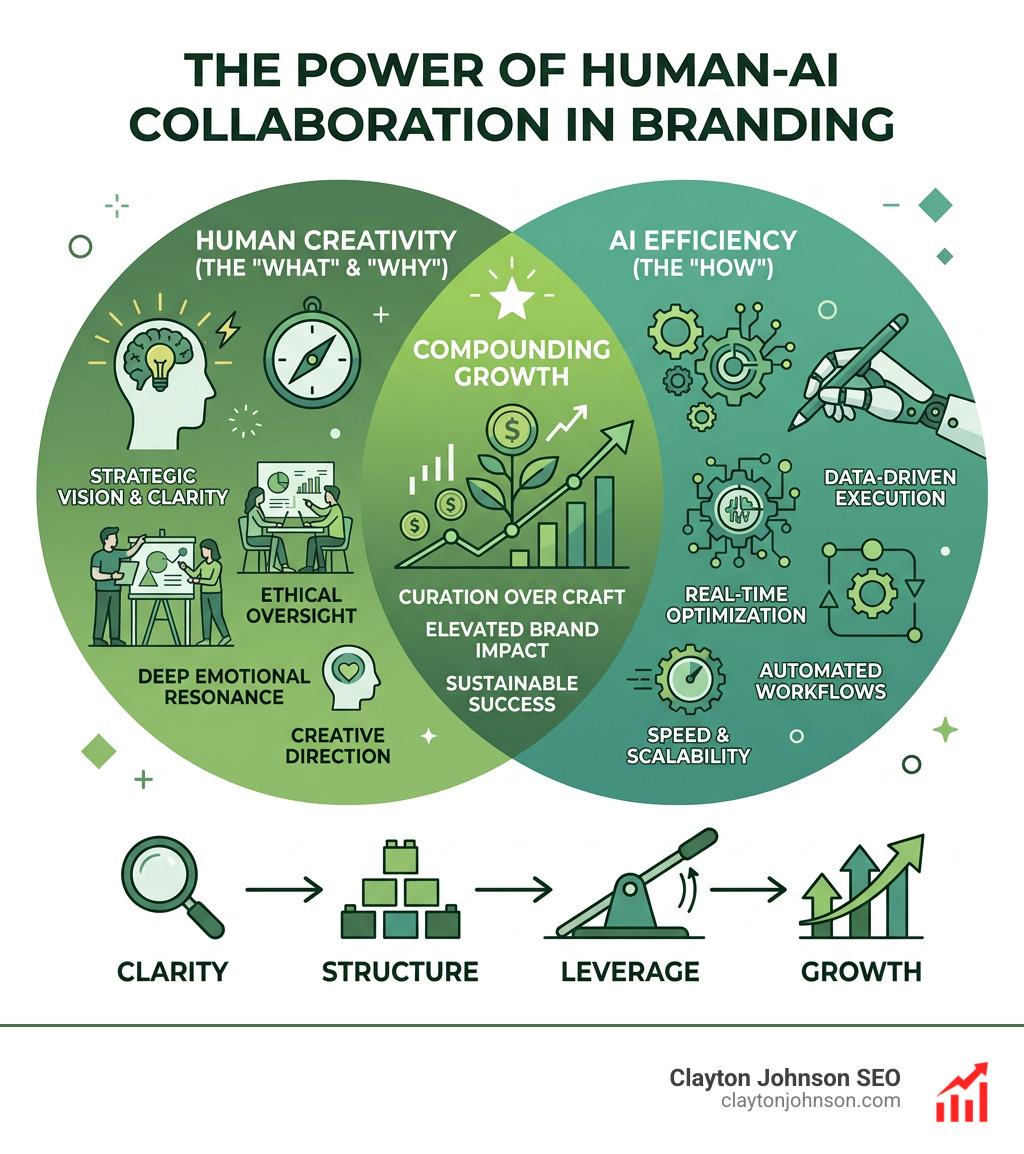
The future of branding lies in Curation over Craft. As AI handles the “how” (the execution, the resizing, the basic drafting), the value of the human professional shifts to the “what” and “why.” Creative direction, ethical oversight, and deep emotional resonance are things machines cannot yet replicate.
At Clayton Johnson SEO, we believe in a philosophy of Clarity → Structure → Leverage → Compounding Growth. AI provides the leverage, but humans provide the clarity and structure.
Ethical Considerations and Best Practices
We must remain vigilant about:
- Brand Safety: Ensuring AI doesn’t generate “hallucinations” or off-brand content.
- Data Privacy: Protecting client data within AI models.
- Authenticity: Using AI to enhance human stories, not replace them with “AI slop.”
By focusing on scalable traffic systems and structured strategy frameworks, we can ensure that AI serves as a powerful engine for long-term brand building rather than just a shortcut for cheap content.
The marriage between marketers and agencies isn’t over—it’s just getting an upgrade. By embracing ai marketing for branding agencies companies, we can move past the production bottlenecks of the past and start building the high-impact, data-driven brands of the future.
Ready to see how these systems can work for you? Explore our AI-augmented marketing workflows and start building your compounding growth engine today.