Pro Tips for a Winning Internal Link Strategy

Why Internal Link Building Strategies Decide Who Ranks and Who Doesn’t
Internal link building strategies are one of the most controllable — and most underused — levers in SEO.
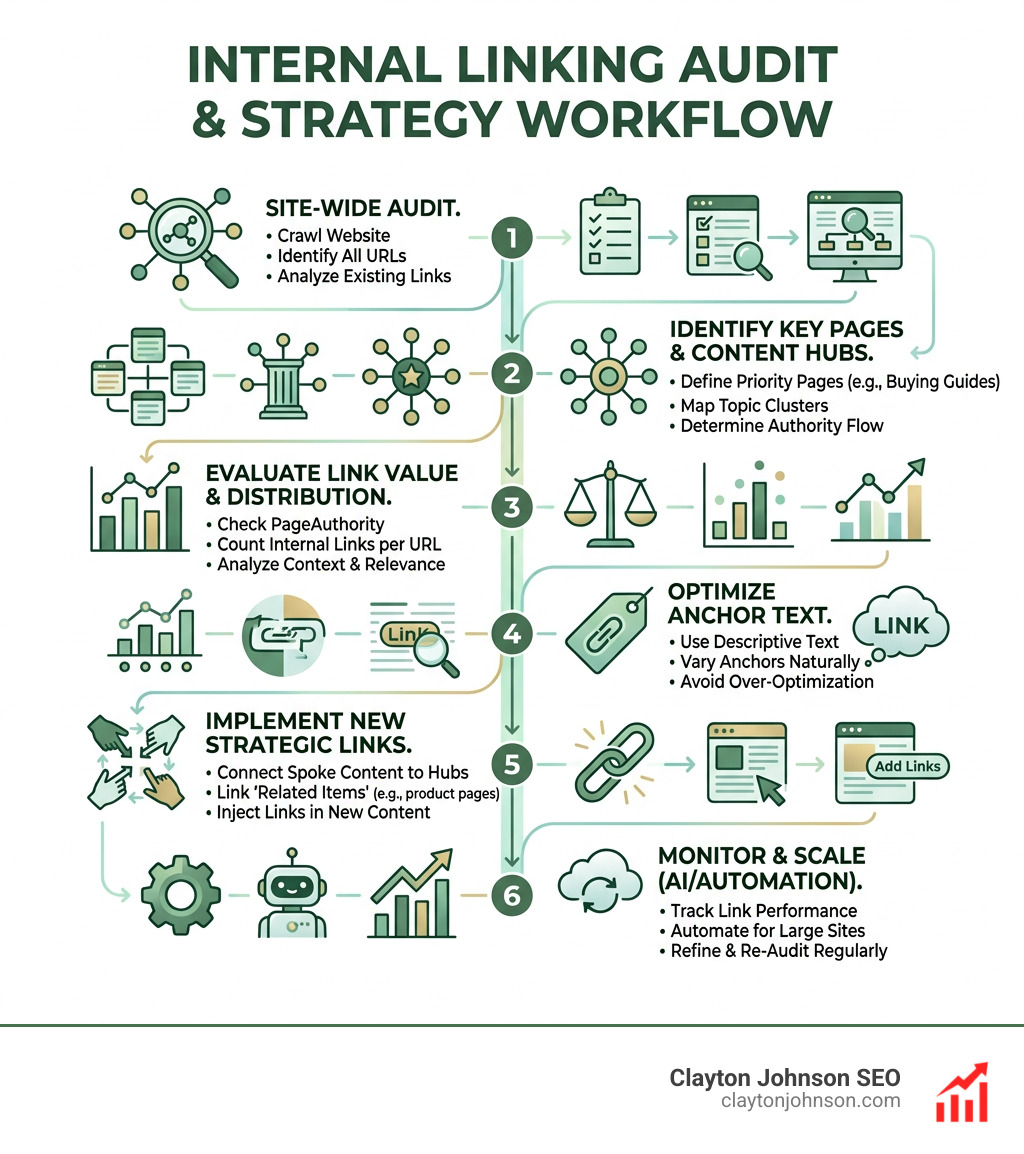
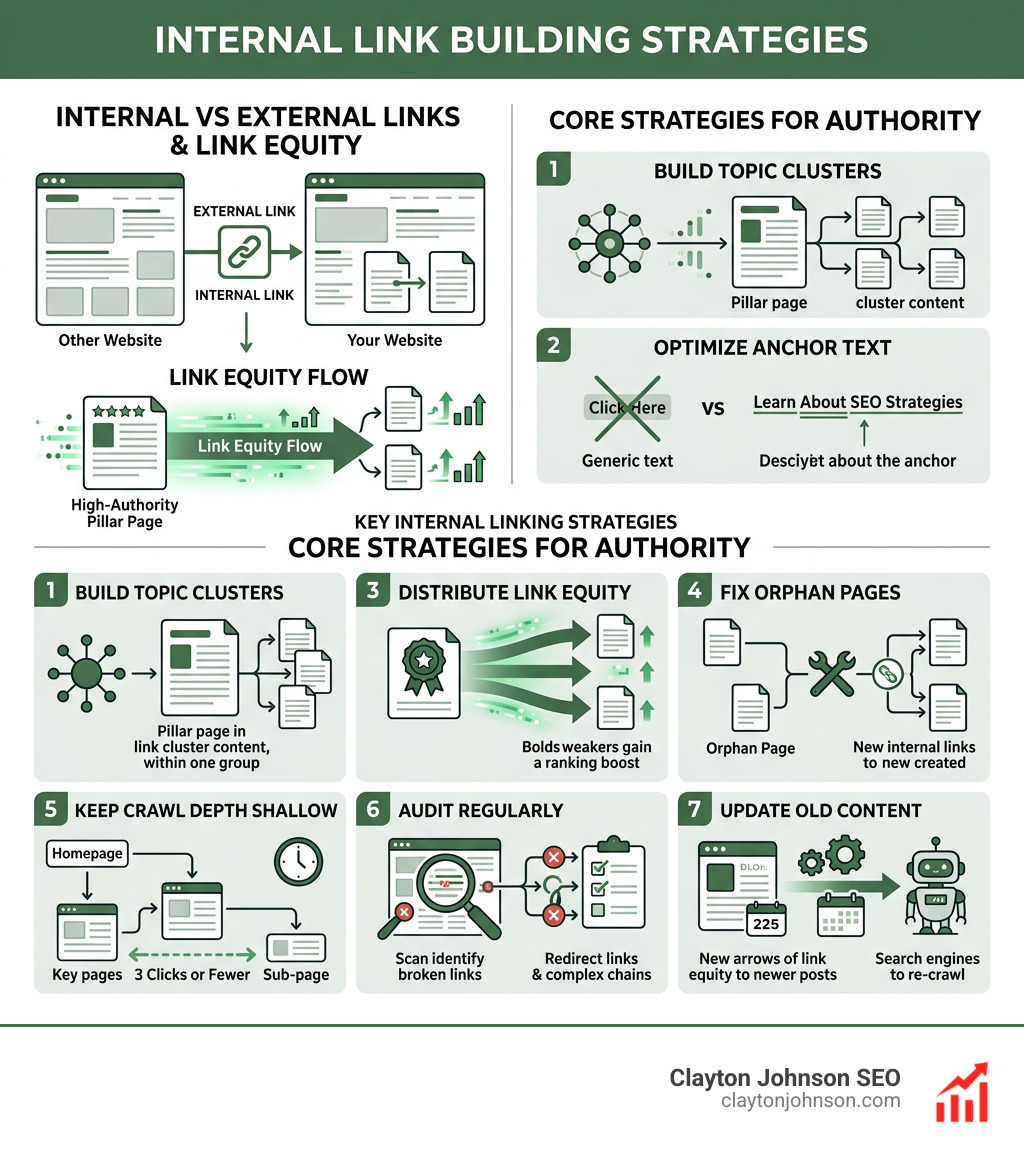
Here is a quick overview of the most effective strategies:
- Build topic clusters — Group related content around a pillar page to signal topical authority
- Optimize anchor text — Use descriptive, keyword-relevant phrases instead of “click here”
- Distribute link equity — Point links from high-authority pages to pages you want to rank
- Fix orphan pages — Ensure every page has at least one internal link pointing to it
- Keep crawl depth shallow — Make key pages reachable within three clicks from your homepage
- Audit regularly — Use tools like Screaming Frog or Semrush to catch broken links and redirect chains
- Update old content — Add new internal links to existing posts to prompt re-crawling and boost rankings
Most websites have internal links. Very few have an internal linking strategy. There is a real difference — and that gap is often the reason a site stalls on page two while a competitor climbs past it.
Internal links do three critical things for your site:
- Help search engines crawl and index every page efficiently
- Pass link equity (sometimes called “link juice”) from strong pages to weaker ones
- Guide users to the content most relevant to their next step
Sites with a structured internal linking approach see measurably better organic performance. One analysis found that strategic internal linking architectures drive 40% more organic traffic growth compared to sites with scattered, inconsistent linking.
Yet for most business owners, internal linking gets treated as an afterthought — something a writer does when they remember to, not something built into a deliberate system.
That’s the opportunity.
I’m Clayton Johnson, an SEO strategist with nearly two decades of experience building scalable search frameworks, and internal link building strategies have consistently been one of the highest-leverage, lowest-cost improvements I implement for clients — often moving pages from position six to position two without publishing a single new piece of content.
Core Internal Link Building Strategies for Authority
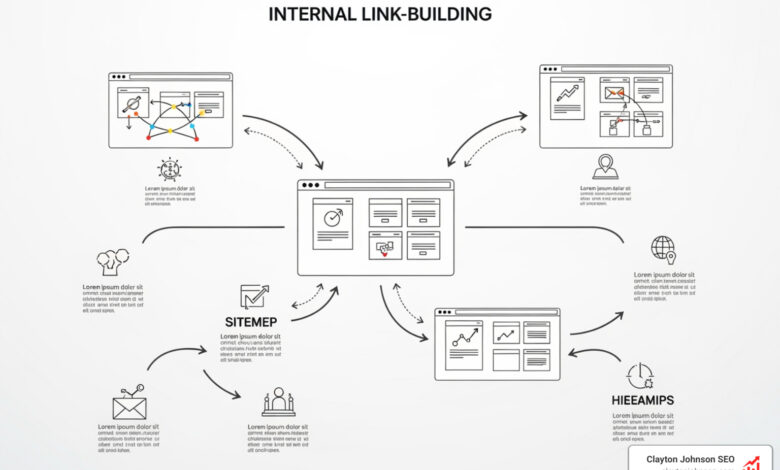
To move beyond “just adding links,” we have to look at the website as a cohesive ecosystem. Think of your website like a house: your homepage is the front door, and your internal links are the hallways and doorways that lead to different rooms. If a room has no door, nobody (including the Google crawler) can find it.
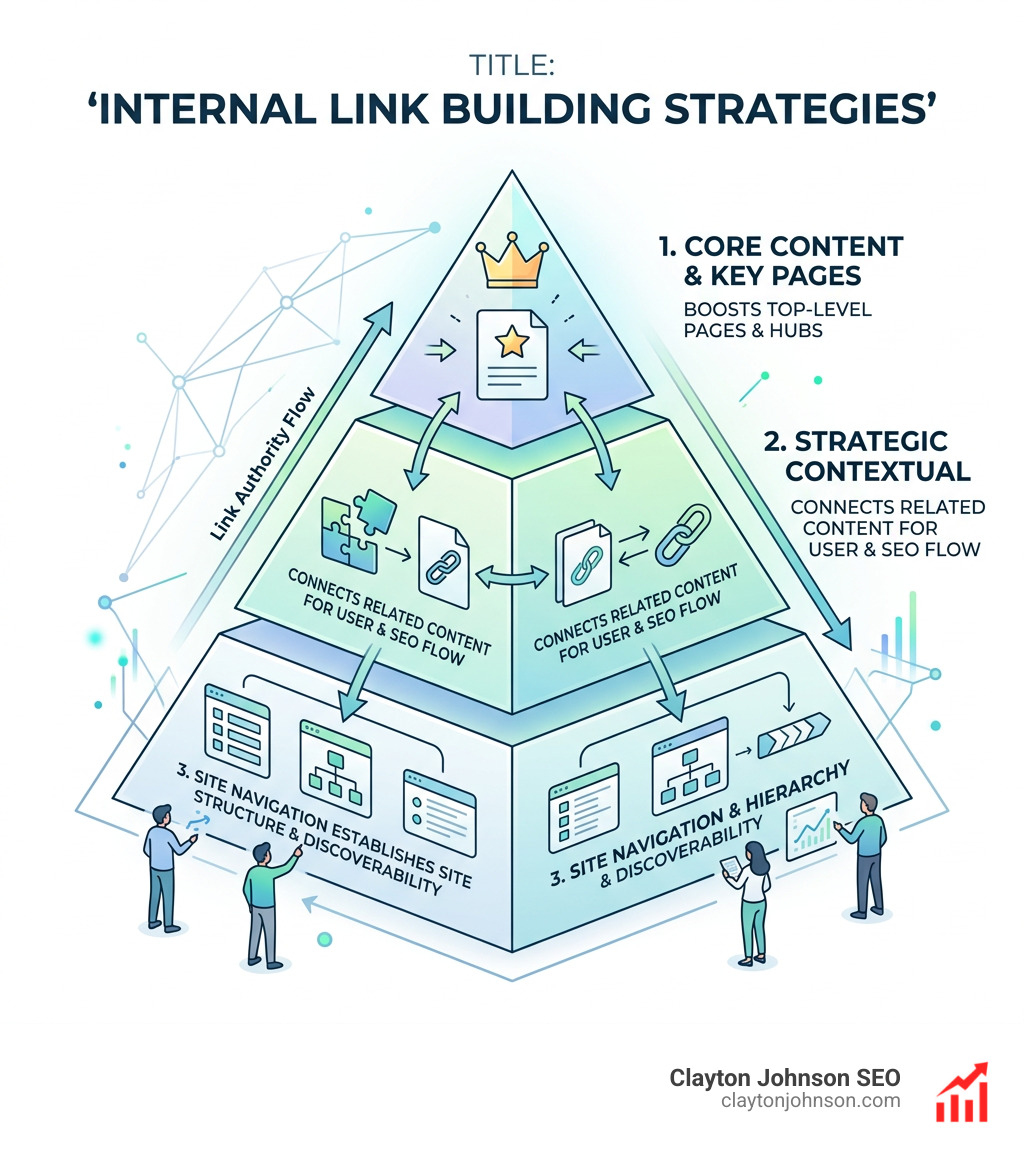
The foundation of a high-performing site is its architecture. We often recommend a silo model or a pyramid structure. In this model, the homepage sits at the top, linking to high-level category or “pillar” pages, which then link down to more specific “cluster” content. This creates a logical information hierarchy that search engines love.
Understanding Link Equity and PageRank
One of the most vital concepts in internal link building strategies is link equity. Also known as “link juice,” this is the search engine ranking power that passes from one page to another. When a high-authority page (like your homepage or a viral blog post with many backlinks) links to a newer or deeper page, it shares some of that “juice.”
Research shows that internal links can spread link juice from low-traffic pages to high-traffic ones and vice versa. By strategically pointing links from your “power pages” to your “money pages” (the ones that convert), you can lift the rankings of your entire site.
Types of Internal Links
Not all links are created equal. We categorize them into three main buckets:
| Link Type | Location | Primary Purpose |
|---|---|---|
| Navigational | Main Menu, Footer | Help users find major sections of the site. |
| Contextual | Within Body Content | Provide related information and pass topical relevance. |
| Breadcrumb | Top of Page | Show the user (and Google) exactly where they are in the site hierarchy. |
Implementing Topic Clusters as Internal Link Building Strategies
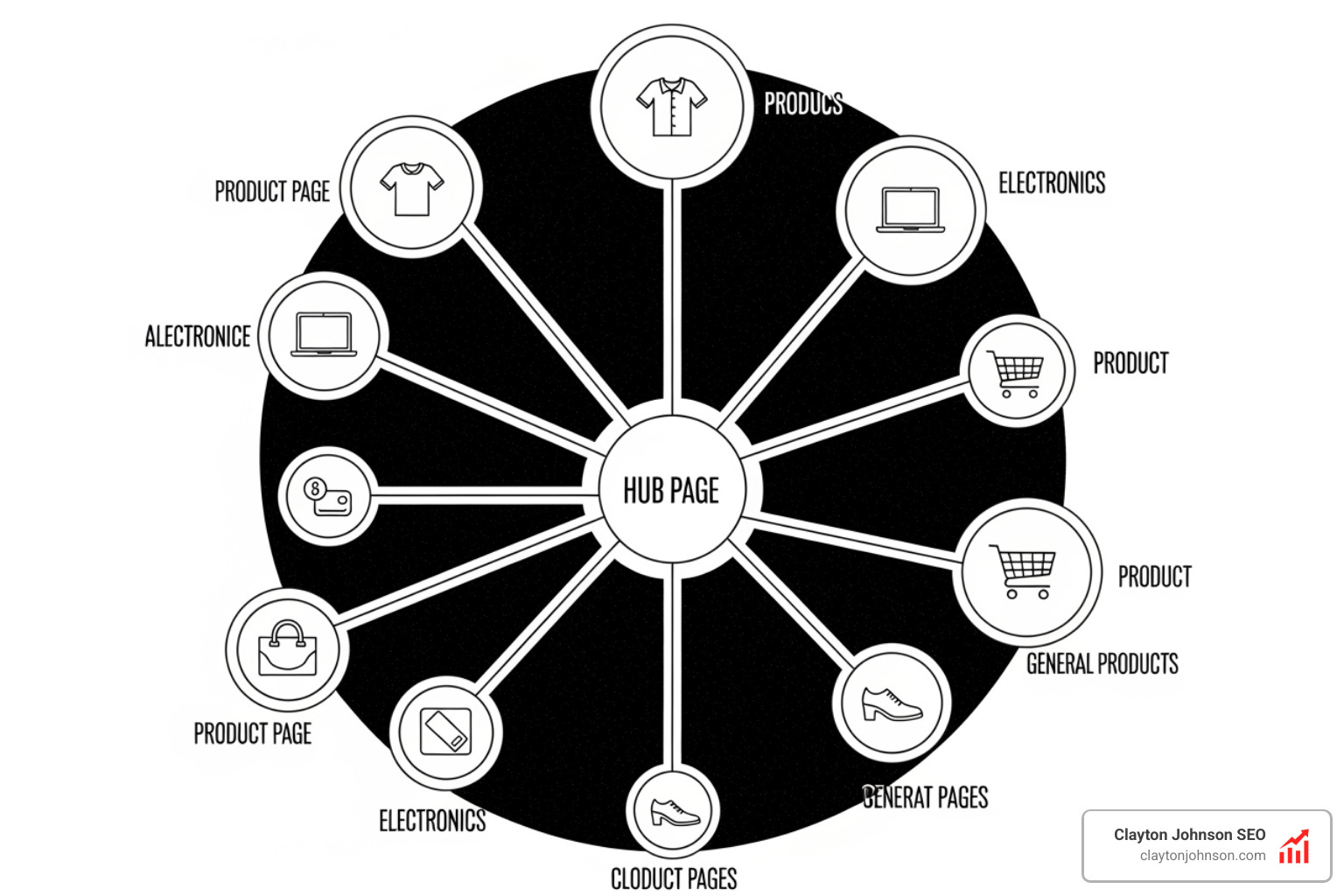
The most effective way to organize content today is through the “Hub and Spoke” or topic cluster model. Instead of writing random blog posts, we group them.
You start with a Pillar Page. This is a comprehensive resource targeting broad, high-volume keywords. For example, a pillar might be “The Ultimate Guide to SEO.”
Then, you create Cluster Content—smaller, more specific articles like “How to do Keyword Research” or “Technical SEO Audit Checklist.” The magic happens in the linking:
- Every cluster page links back to the pillar.
- The pillar links out to every cluster page.
- Cluster pages link to each other where relevant.
This structure signals to search engines that you have deep topical authority. In the age of AI search, proving that you cover a topic exhaustively is a massive ranking factor. For those looking to scale this further, exploring AI SEO services can help automate the identification of these clusters.
Optimizing Anchor Text for Search Intent
Anchor text—the clickable words in a hyperlink—is a huge signal for search engines. It tells them what the destination page is about.
While manipulating external anchor text from other websites can get you into trouble with Google’s spam policies, you have complete control over your internal anchors.
Best Practices for Internal Anchors:
- Be Descriptive: Instead of “click here,” use “internal link building strategies guide.”
- Use Variations: Don’t use the exact same keyword every time. Mix in partial matches and natural language.
- Keep it Natural: The link should make sense to a human reader.
- Intent Alignment: Match the anchor to the user’s search intent. If they are looking for a “how-to,” the anchor should reflect that.
That Google does not transfer PageRank or anchor text across “nofollow” links. Therefore, all internal links should be “dofollow” to ensure authority flows through your site. For more on how to align these tactics with business goals, check out our strategic frameworks.
Distributing Link Equity to High-Value Pages
Every site has “cornerstone content”—the pages that represent your core business or most valuable information. These pages deserve the most internal links.
We use a “Link Equity Priority Tier” system:
- Tier 1 (Money Pages): Product pages, pricing, or core services. (Target: 15+ internal links)
- Tier 2 (Pillar Pages): High-level guides that support Tier 1. (Target: 8-15 internal links)
- Tier 3 (Cluster Content): Specific blog posts. (Target: 3-8 internal links)
Be careful not to overdo it. Too many internal links on a single page can dilute the value of each link and confuse the PageRank algorithm. A good rule of thumb is to stay under 100 total links (including navigation) per page. For a deeper dive into this type of system-level thinking, see our SEO strategy overview.
Auditing and Scaling Your Internal Linking System
A strategy is only as good as its maintenance. As a site grows, things break. Links lead to 404 pages, redirect chains form, and new pages become “orphaned.”
An orphan page is a page with zero internal links pointing to it. Since search engines find new content by following links, an orphan page might never be indexed or rank, regardless of how good the content is. We use tools like Screaming Frog and Semrush Site Audit to find these “lost” pages and bring them back into the fold.
The 3-Click Rule and Crawl Depth
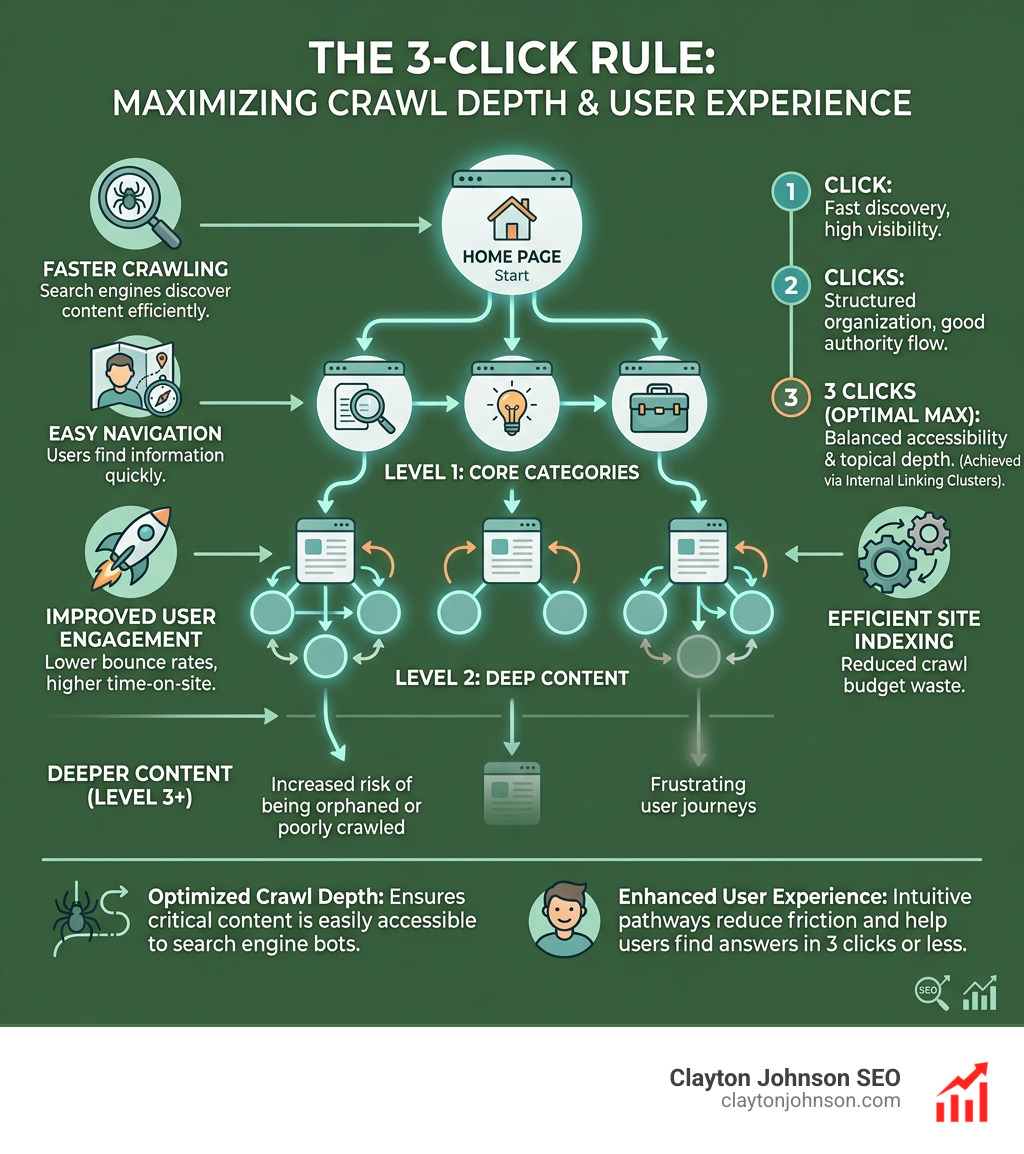
According to Google, pages with fewer clicks from the homepage often rank higher. This is known as “crawl depth.” If a user has to click five times to find a page, it signals to Google that the page isn’t very important.
Aim to have every important page on your site accessible within three clicks from the homepage. Flattening your architecture in this way improves both user experience and crawl efficiency.
Technical Health and Security
When you audit for redirects, look for “redirect chains”—where Page A links to Page B, which then redirects to Page C. This wastes “crawl budget” and slows down your site.
Also, ensure you are using HTTPS for a secure site. A common mistake is having internal links that still point to the old “HTTP” version of a page, creating unnecessary redirects.
Advanced Internal Link Building Strategies for eCommerce
eCommerce sites present unique challenges due to their size. With thousands of products, you can’t link everything manually.
eCommerce Pro Tips:
- Brand Landing Pages: Create pages for specific brands you carry and link to them from product descriptions.
- Related Items: Use “People also bought” or “Similar products” sections to create automated contextual links.
- Faceted Navigation: Use internal links to help users filter products, but be careful of creating “thin” pages.
- Buying Guides: These are your pillar pages. A “Washing Machine Buying Guide” can link to dozens of specific models.
A Zyppy survey found that URLs with 40-50 internal links often see the best traffic growth, but traffic can decline if you exceed that range significantly. Balancing category hierarchy with deep linking to products is key. For enterprise-level sites, we often build enterprise AI systems to manage this at scale.
Leveraging AI and Automation for Scalable Linking
Once a site passes 50-100 pages, manual internal linking becomes a bottleneck. This is where automation tools like Linkbot come into play. These tools can analyze your entire content library and automatically place links based on rules you define.
In the modern era of AI search and Large Language Models (LLMs), internal links provide essential context. They help AI systems understand the relationship between different entities on your site. By building a structured content ecosystem, you aren’t just ranking for today’s search engines—you’re preparing for the future of AI-driven discovery.
We often integrate these AI tools into our workflows to ensure that every new piece of content is instantly “plugged in” to the existing site authority.
Conclusion: Building Durable Growth Systems
At Clayton Johnson SEO, we don’t believe in chasing temporary “hacks.” We build durable growth systems. Internal link building strategies are a perfect example of this philosophy. By creating a clear, logical, and authority-driven site structure, you create a compounding asset that grows more valuable with every new page you publish.
When you move from fragmented, random linking to a system-level approach, you:
- Improve Crawlability: Ensure Google finds your best work instantly.
- Boost Rankings: Direct your existing authority to the pages that matter most.
- Enhance UX: Help your customers find exactly what they need, reducing bounce rates.
If you are ready to stop guessing and start building a scalable traffic system, it might be time to look at your site architecture through a strategic lens. Whether you are an eCommerce giant or a growing SaaS platform, the “hallways” of your digital house determine your success.
Let’s turn your website into a coherent growth engine. Focus on the structure, leverage your authority, and watch your organic growth compound. For more on building these systems, explore our library of SEO consultant resources.