Smart Spices: Using AI Marketing for Ethnic Cuisine Restaurants Companies

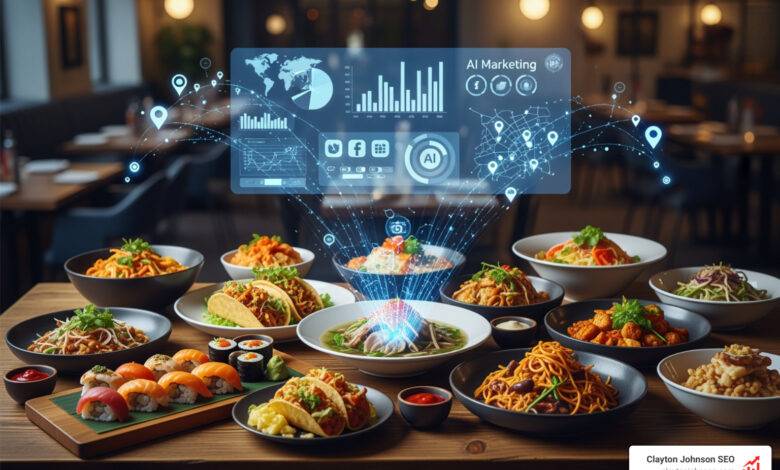
Why AI Marketing for Ethnic Cuisine Restaurants Companies Is a Game-Changer
AI marketing for ethnic cuisine restaurants companies gives independent, culturally-rooted eateries the tools to compete, grow, and stay authentic — without a massive budget or marketing team.
Here’s a quick snapshot of how AI marketing helps ethnic restaurants grow:
| Goal | AI Solution |
|---|---|
| Get found locally | AI-powered local SEO and geo-targeting |
| Attract the right customers | Cultural tags, community targeting, multilingual content |
| Save time on content | Automated social posts, emails, and promotions |
| Reduce delivery app fees | Direct ordering systems with flat-fee models |
| Build loyalty | Personalized campaigns and review management |
| Track what works | Reach, bookings, direct sales |
Ethnic restaurants face a unique tension. They need to scale — but not at the cost of the cultural story that makes them special in the first place.
The stakes are real. AI adoption in restaurants has already hit 50%, driven by rising costs, labor shortages, and customers who now research menus, read reviews, and often decide what to order before they ever walk through the door. Staying invisible online is no longer a neutral choice — it’s a slow decline.
And yet most AI marketing tools weren’t built with a family-run Ethiopian restaurant, a regional Indian catering service, or a Vietnamese street food spot in mind. The generic approach misses the cultural nuance that makes these businesses worth finding.
That’s exactly the gap this guide addresses.
I’m Clayton Johnson, an SEO strategist and AI marketing specialist who has spent nearly two decades helping businesses build scalable visibility systems — including applying these exact frameworks to ai marketing for ethnic cuisine restaurants companies. In the sections ahead, I’ll walk you through practical, proven strategies to grow your restaurant’s reach without losing what makes it yours.
Scaling Authenticity with AI Marketing for Ethnic Cuisine Restaurants Companies
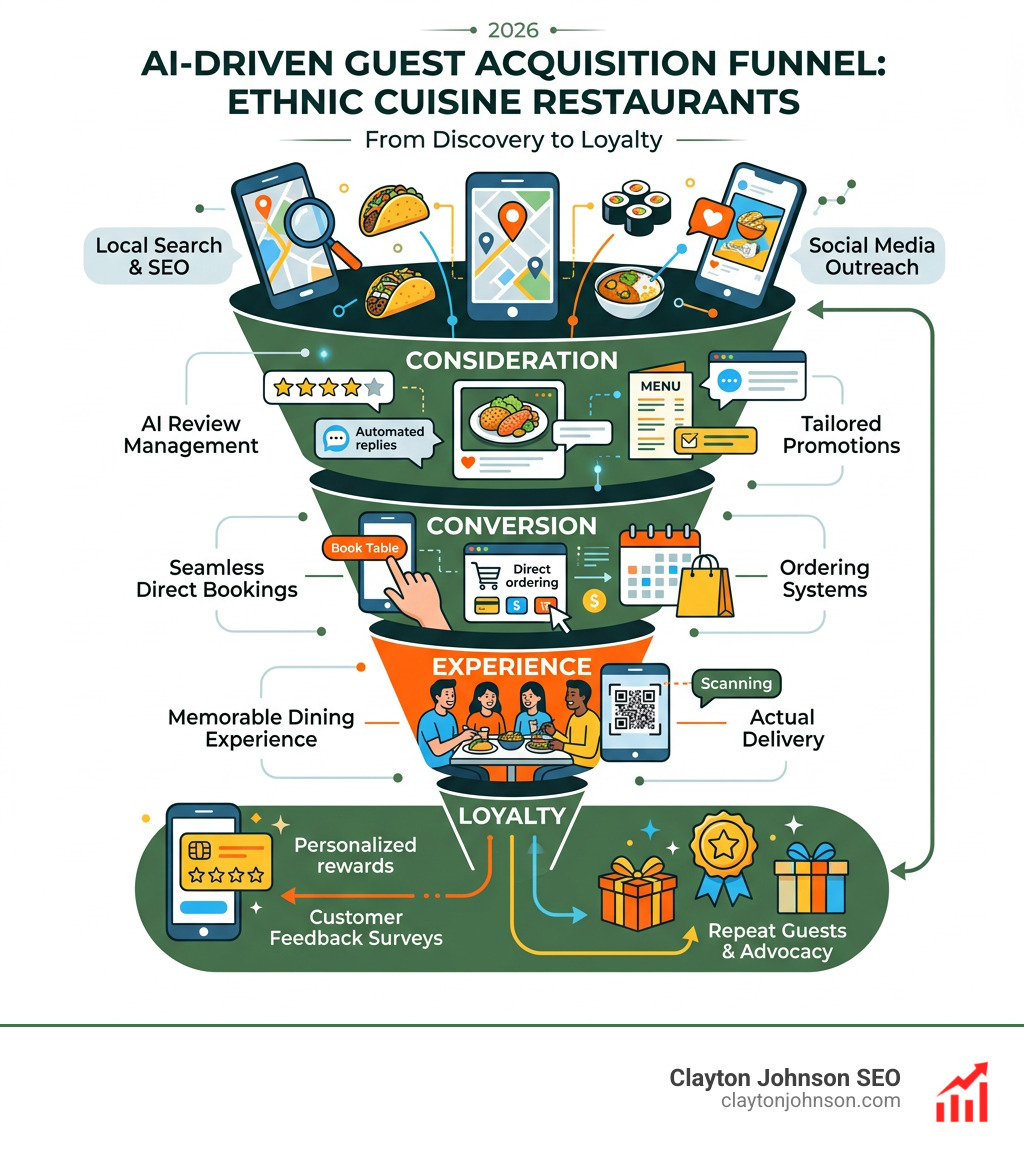
For many ethnic cuisine owners, the word “automation” sounds like the opposite of “authentic.” You might worry that using a machine to write your captions or manage your reviews will strip away the soul of your grandmother’s recipes. However, we see AI differently: it is a tool that handles the repetitive “heavy lifting” so you can focus on the hospitality that happens inside your four walls.
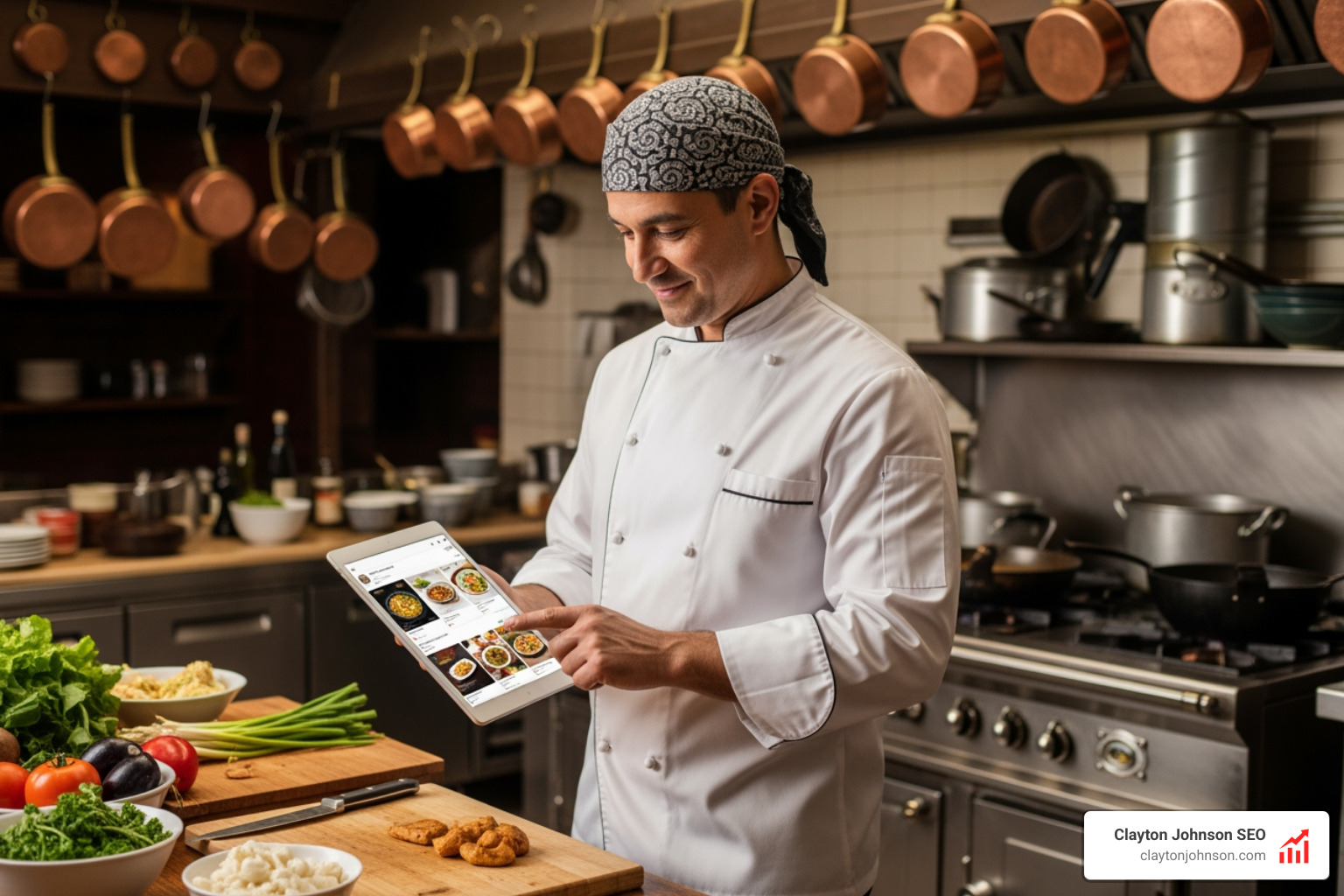
The digital customer journey has shifted. Statistics show that 83% of customers check a menu online before arriving, and nearly half have already decided what they want to eat before they step through your door. If your digital presence doesn’t reflect the quality of your food, you are losing guests to the “mainstream” chains that have massive marketing departments.
ai marketing for ethnic cuisine restaurants companies levels this playing field through several key pillars:
- Cultural Storytelling at Scale: AI can help translate the history of a specific dish or spice blend into engaging social media snippets.
- Hyper-Local SEO: By using AI to optimize for “near me” searches, a niche Lebanese bakery can rank #1 when someone searches for “fresh pita” in their specific zip code.
- Predictive Analytics: Understanding when your community is likely to order (such as during specific cultural festivals) allows for smarter inventory and staffing.
Solving the Paradox of AI Marketing for Ethnic Cuisine Restaurants Companies
The “AI marketing paradox” is the risk of becoming so efficient that you become generic. We’ve all seen it: a local restaurant starts posting AI-generated images of “tacos” that look like plastic, or captions that sound like a corporate press release. This erodes the brand equity you’ve worked years to build.
To avoid this, we recommend a “Human-in-the-Loop” system. Use AI to brainstorm, but always apply a human filter. For example, if you are building a social media content strategy from scratch, use AI to generate 30 days of post ideas based on your menu, but then spend 20 minutes adding your own voice to the captions.
Pro-Tip: If an AI tool ever makes a mistake—like hallucinating a dish you don’t actually serve—own it immediately. A quick, human apology on social media can actually build more trust than a perfect, robotic feed ever could.
Leveraging NaanDash and Feedia for Niche Discovery
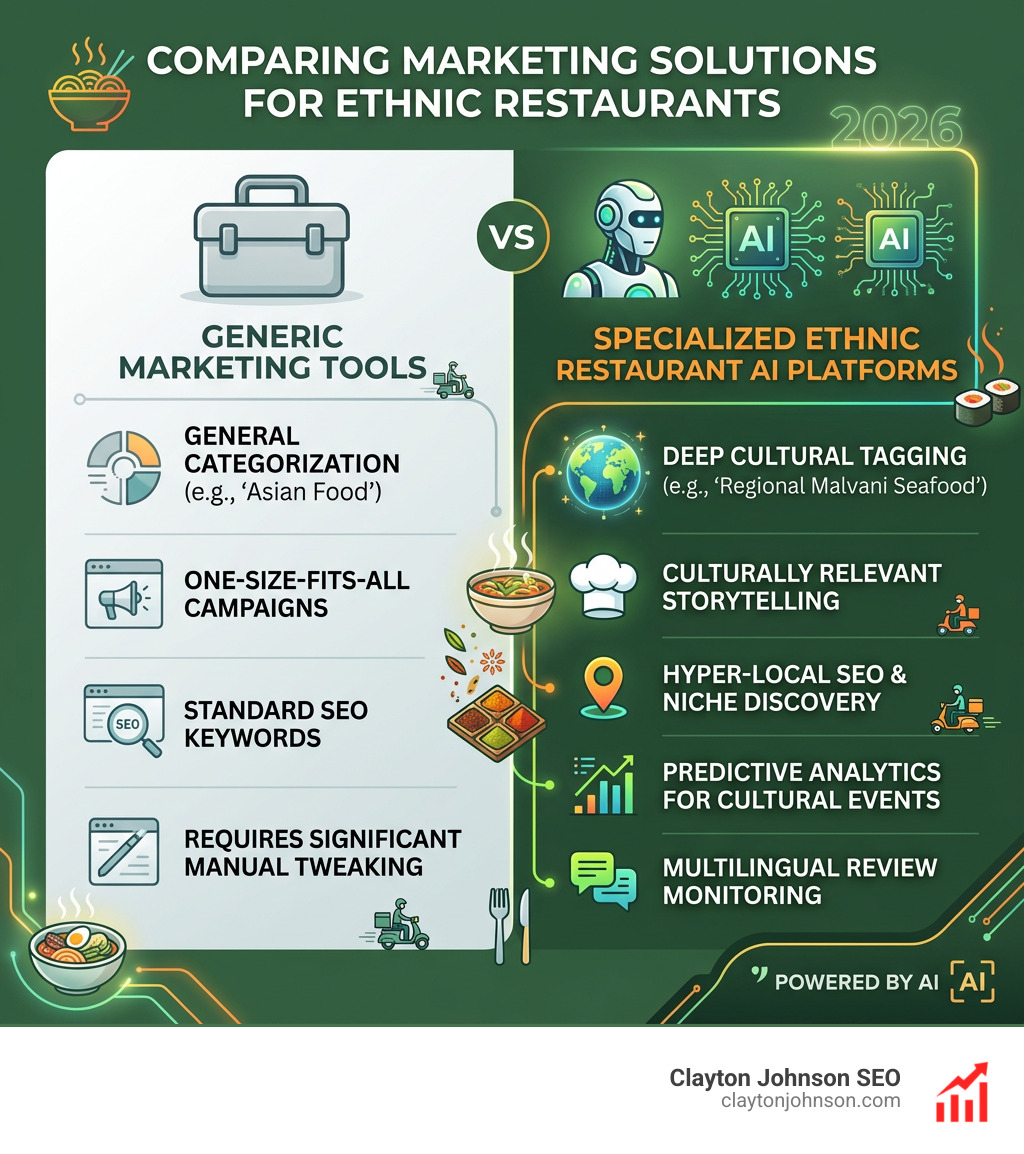
General marketing platforms often fail to categorize ethnic cuisines correctly. This is where specialized platforms like NaanDash and Feedia come in. These tools are designed specifically for the ai marketing for ethnic cuisine restaurants companies sector.
- NaanDash: This platform features a “Global Ethnic Food Finder” that uses AI to match cravings with cultural tags. It doesn’t just look for “Indian food”; it looks for “Regional Malvani Seafood” or “Authentic Street-style Chaat.” Research shows that using specialized discovery tools can increase organic traffic by up to 70%.
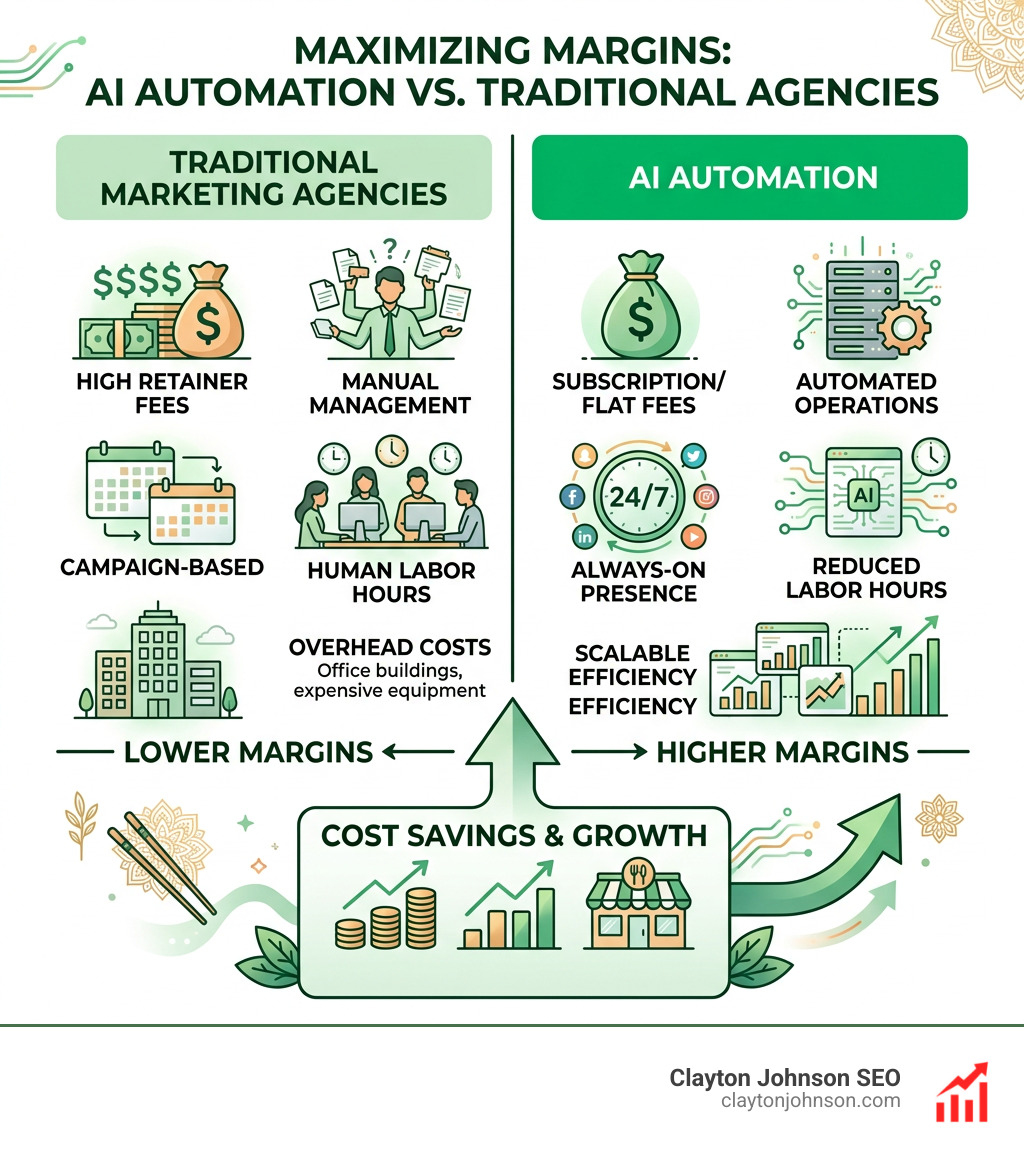
- Feedia: Focused on independent restaurants, Feedia uses “AI Agents” (with names like Mochi and Nori) to handle social media and community engagement. They claim to help win at implementing AI marketing systems by cutting marketing costs by up to 85% while increasing direct sales.
Multilingual Social Media and Review Management
One of the biggest hurdles for ethnic restaurant owners is managing a digital presence in multiple languages. AI has made this effortless. Modern tools can now:
- Monitor Reviews 24/7: AI sentiment analysis can alert you if a customer is unhappy about a specific dish, even if the review is written in a language you don’t speak fluently.
- Multilingual Content: You can create high-quality posts in English to attract new customers, while simultaneously posting in your native language to engage your core community.
- Festival Targeting: AI can track cultural calendars (Lunar New Year, Diwali, Ramadan, etc.) and automatically suggest email marketing campaigns or social posts that resonate with those specific traditions.
Operational Excellence and Direct Growth Systems
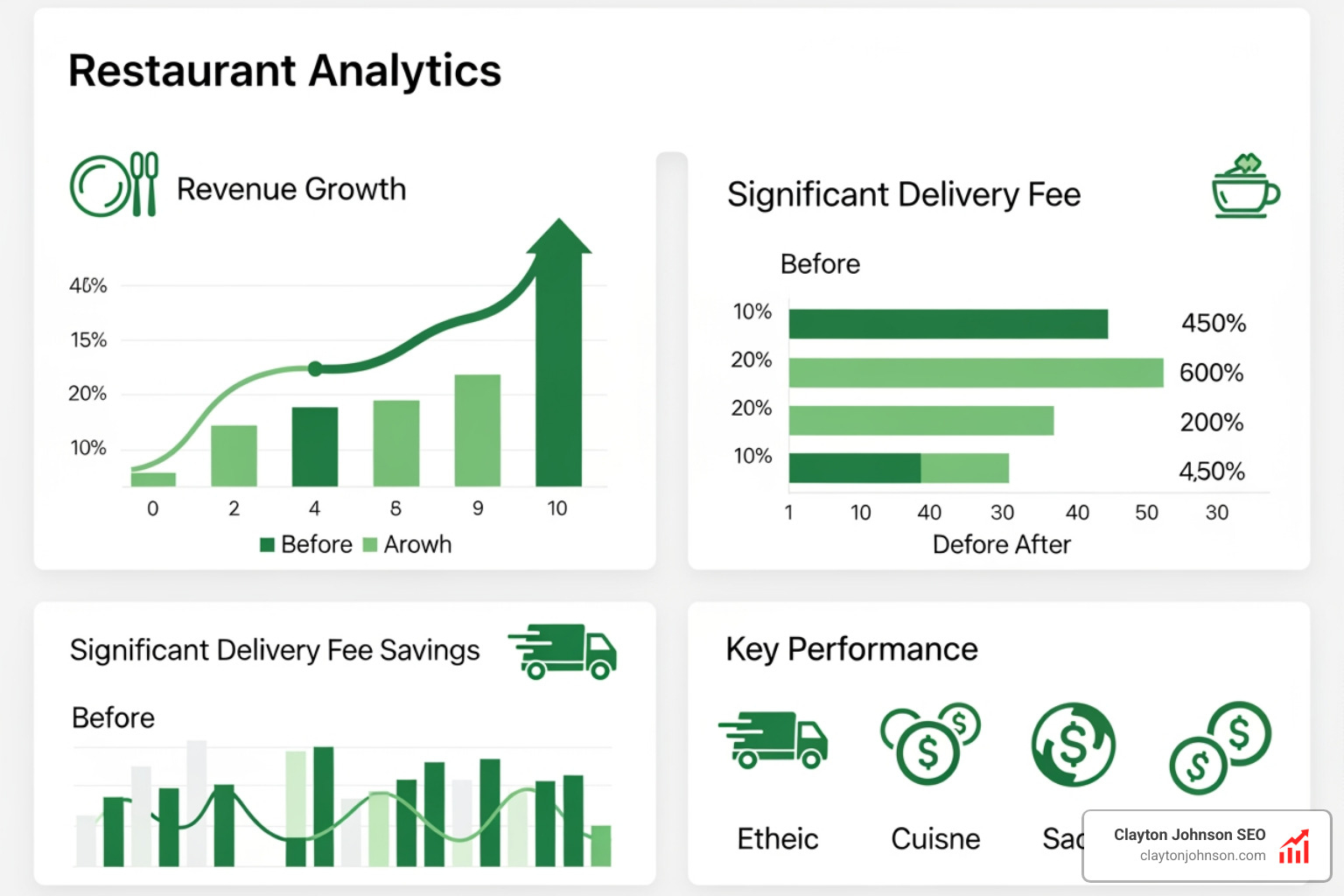
Beyond just “getting the word out,” AI is fundamentally changing how ethnic restaurants operate. The goal is to move from a “survival” mindset to a “growth” mindset. This requires reclaiming your margins from third-party apps that take 25-30% of every order.
The market for voice AI in restaurants is exploding. Platforms like Loman AI and Hostie AI allow restaurants to handle phone orders and reservations via AI assistants that never miss a call. This is crucial for busy ethnic eateries where the staff is often stretched thin between the kitchen and the front of house.
Reducing Dependency on Third-Party Delivery Apps
The “delivery app trap” is a major pain point. While apps like DoorDash provide visibility, they often own the customer relationship and eat the profits.
Tools like Bites AI are creating a “Farmer’s Market” model for food delivery. Instead of high commissions, they offer flat-fee models ($1 per order) and integrate directly with your POS system. This allows you to:
- Keep your customer data.
- Control your branding.
- Avoid the “hidden fees” that frustrate your diners.
When you use paid advertising services to drive traffic to your own ordering site rather than a third-party app, your ROI skyrockets because you aren’t paying a middleman for a customer you already earned.
Implementing AI Marketing for Ethnic Cuisine Restaurants Companies on a Budget
You don’t need a Silicon Valley budget to start. Many platforms offer “starter” tiers specifically for independent operators.
- Mooz: This platform focuses on consistency. It automates daily posts across Instagram, TikTok, and Google Maps. For a busy owner, this ensures you stay “top of mind” without having to spend three hours a day on your phone.
- Popmenu: Their AI can take your existing menu and turn it into a month’s worth of marketing content in one sitting. It follows the philosophy of creating custom buyer personas; it knows who your “regulars” are and sends them personalized texts or emails when you have a new special.
Tracking Metrics That Matter
Stop chasing “likes.” In ai marketing for ethnic cuisine restaurants companies, we focus on “conversion metrics.” AI dashboards now make it easy to track:
- Reach: How many new people saw your food this week?
- Profile Actions: How many people clicked “Get Directions” or “Call Now” after seeing a post?
- Direct Sales: How many orders came through your website vs. a delivery app?
Conclusion: Building Durable Growth Engines
At Clayton Johnson SEO, we believe that the future of the restaurant industry belongs to those who can blend high-tech efficiency with high-touch hospitality. By implementing AI marketing intelligence platforms, you aren’t just “buying a tool”—you are building a system that compounds over time.
Every automated email, every AI-optimized local search, and every direct order adds a brick to your digital foundation. Over time, this reduces your dependency on expensive ads and predatory delivery platforms.
The goal of ai marketing for ethnic cuisine restaurants companies isn’t to replace the chef or the server; it’s to ensure that the world actually gets to experience what they’ve created.
If you’re ready to stop guessing and start building a measurable growth engine, the tools are now within reach. Start small, stay authentic, and let AI handle the spices of your digital strategy while you focus on the main course.