How AI Search is Killing the Click

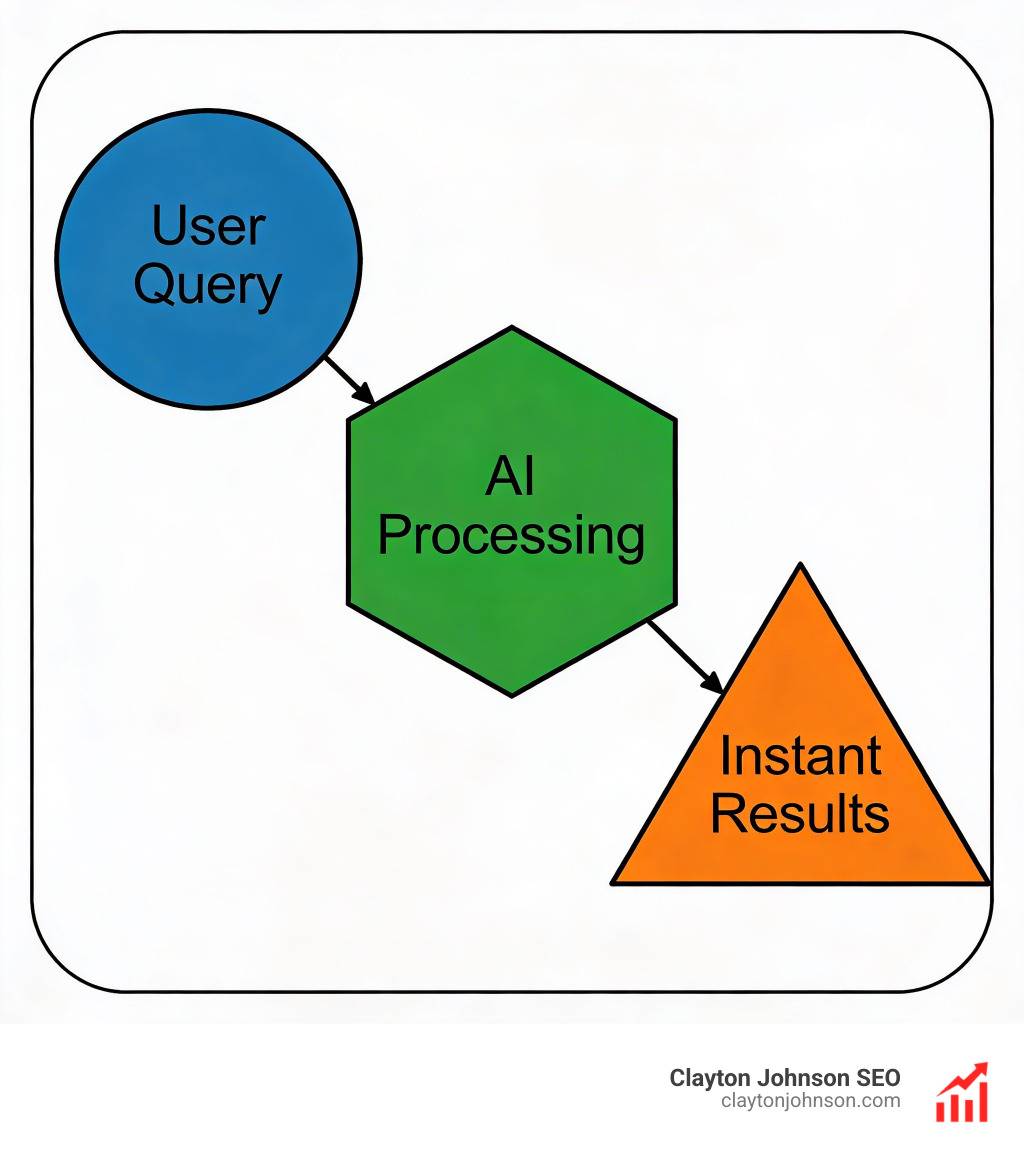
Zero-click AI search describes what happens when a user gets a complete answer directly inside a search engine or AI platform — without ever visiting a website.
Here’s what you need to know at a glance:
- What it is: Search results that answer queries instantly, powered by generative AI — no click required
- How common is it: Currently, about 60% of all searches end without a user clicking through to any website
- Who’s driving it: Google AI Overviews, Bing Copilot, ChatGPT Search, and Perplexity are the main players
- What it means for you: Organic traffic is declining, but visitors who do click through convert at significantly higher rates
- What to do: Shift from traditional SEO to Generative Engine Optimization (GEO) — optimize for AI citations, not just rankings
For years, the formula was simple: rank high, get clicks, drive traffic. That model is breaking down fast.
Generative AI has turned search engines into answer engines. Instead of showing a list of links, platforms like Google and ChatGPT now synthesize information from across the web and deliver a single, direct response. For every 1,000 searches in the U.S., only around 360 clicks actually reach the open web.
This isn’t a minor algorithm update. It’s a structural shift in how people find and consume information online — and it changes almost everything about how brands build visibility.
I’m Clayton Johnson, an SEO strategist with deep experience in structured content architecture, AI-assisted marketing systems, and the emerging discipline of zero-click AI search optimization. I’ve helped founders and marketing leaders diagnose exactly where their search visibility is compressing — and build systems that compound authority even as the rules change.
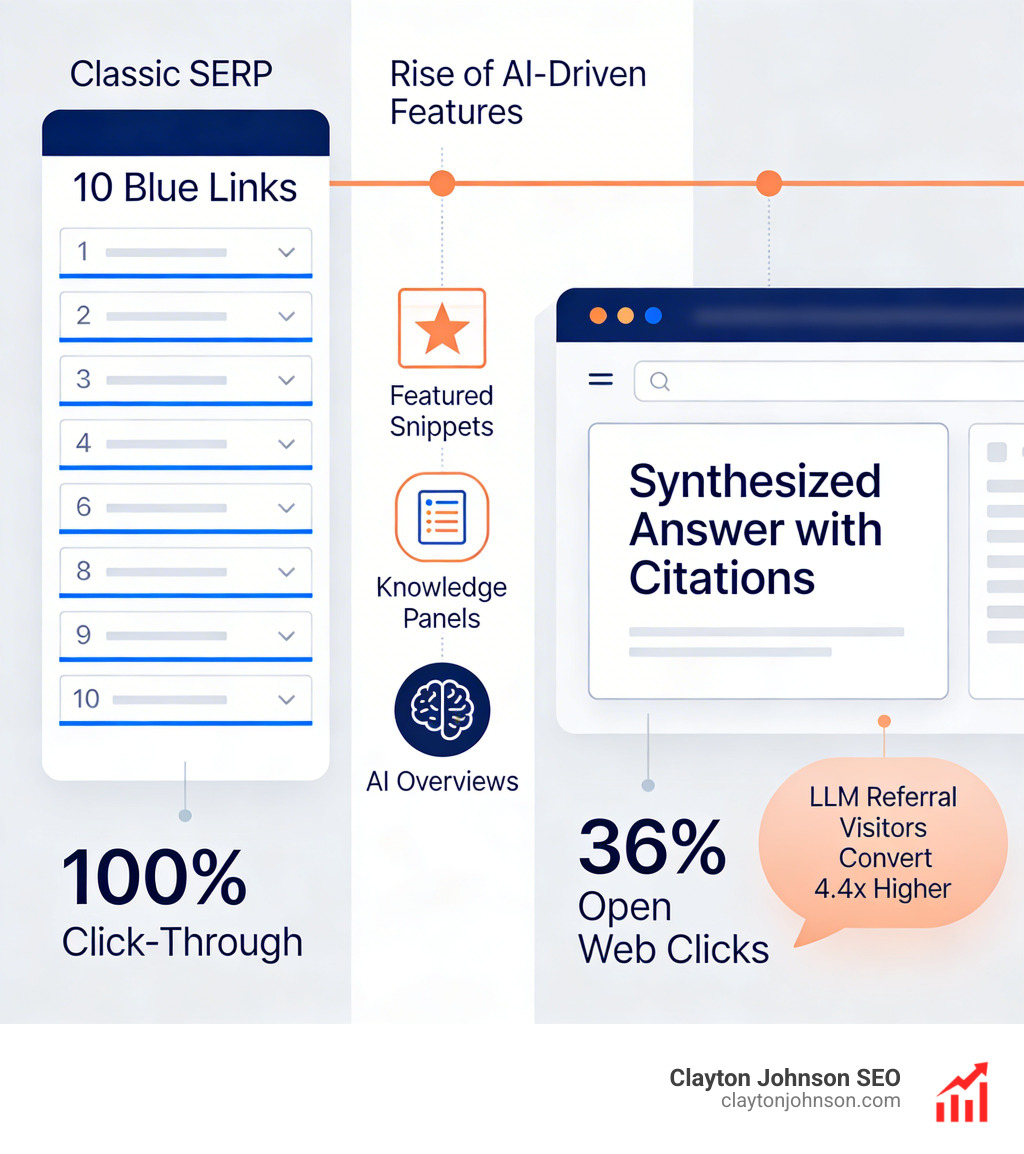
Zero-click ai search terms explained:
Understanding the Mechanics of zero-click ai search
To navigate this new world, we must first understand the engine under the hood. Traditional search engines functioned like a library index: you asked for a topic, and they handed you a list of books. Zero-click ai search functions more like a research assistant who reads all the books for you and presents a summarized memo.
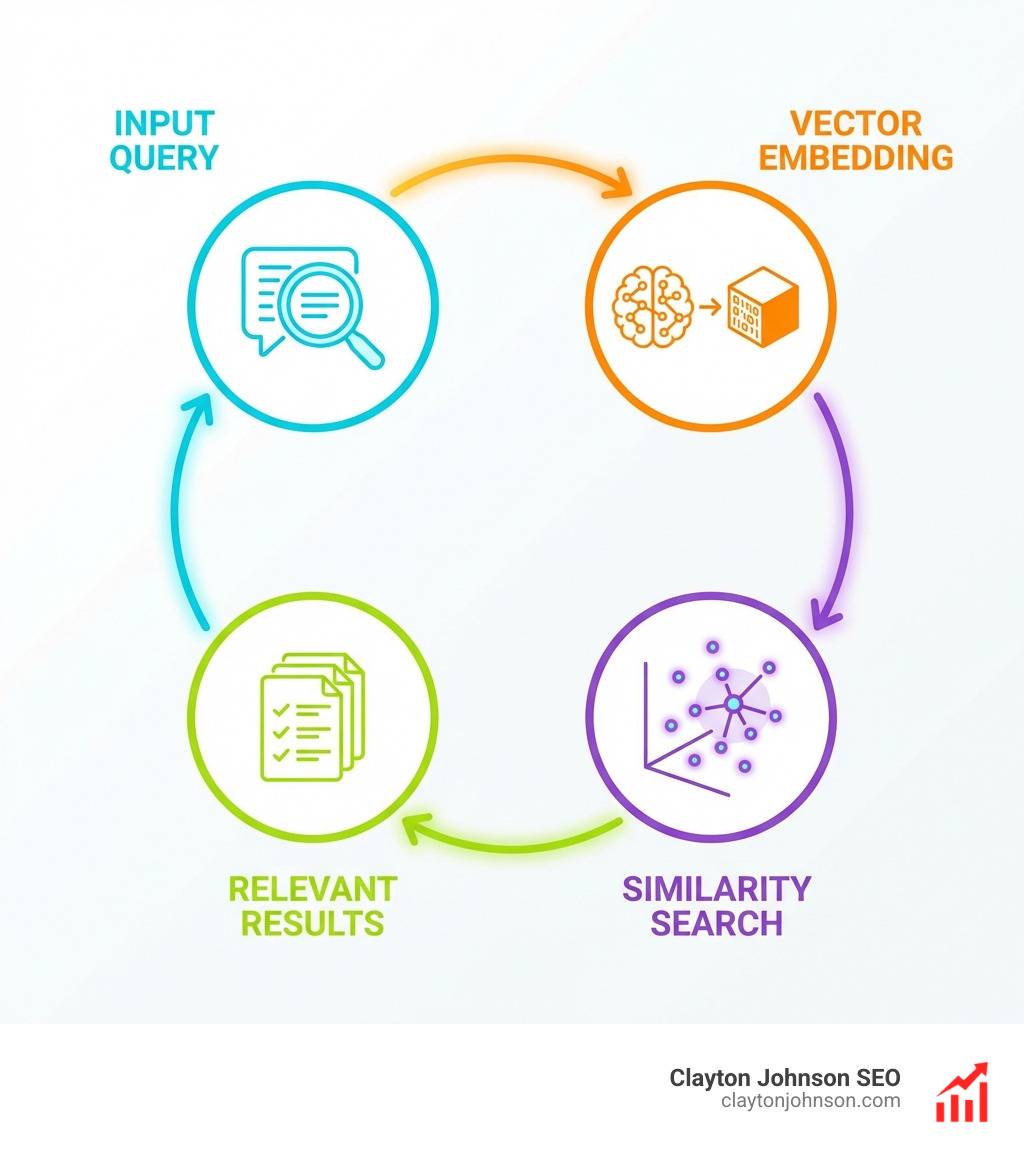
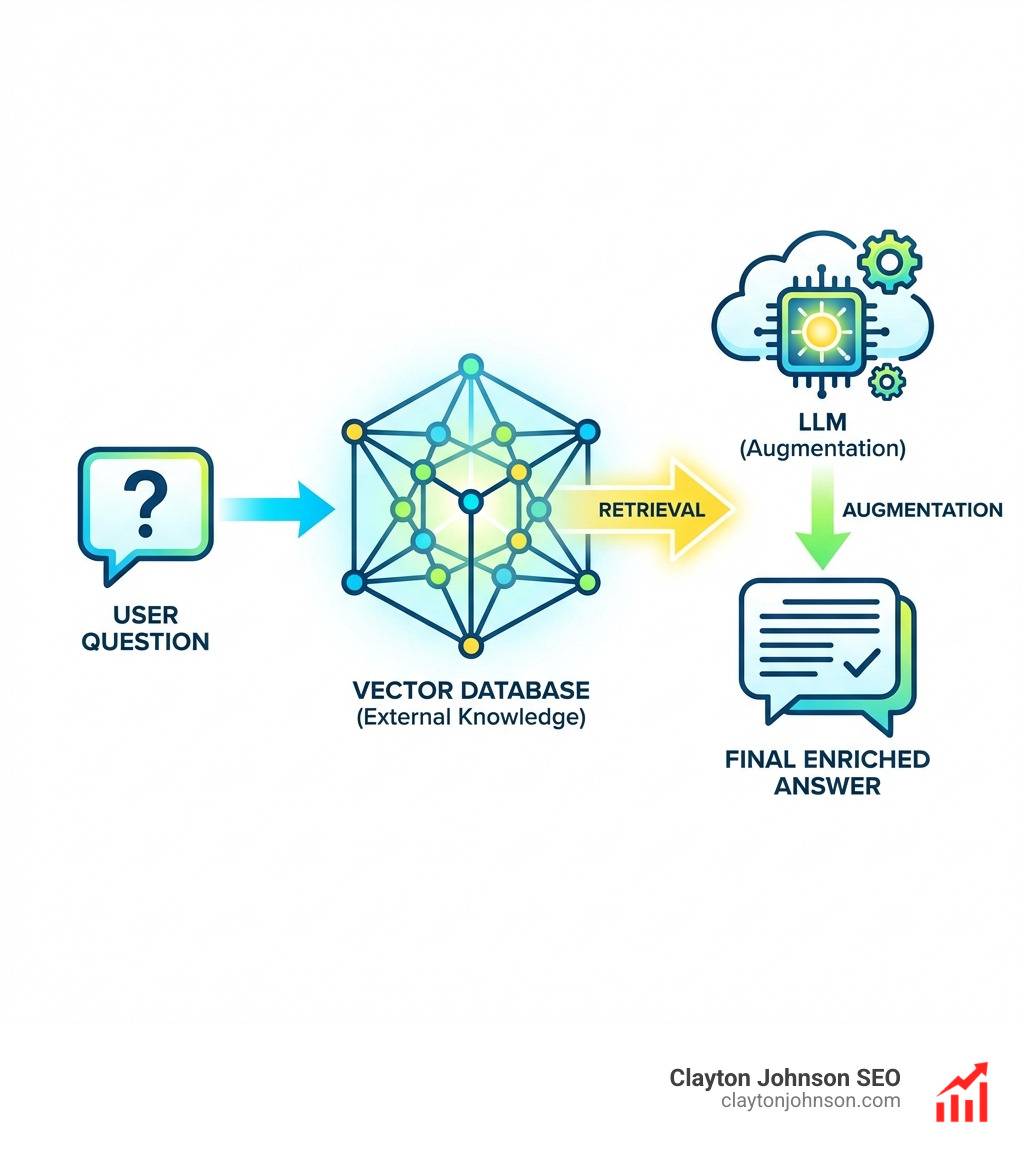
This shift is powered by Retrieval-Augmented Generation (RAG). Instead of relying solely on the static data a model was trained on, RAG allows AI to “look up” live information from the web, verify it, and then use a Large Language Model (LLM) to write a coherent response.
The Role of Information Synthesis and Query Fan-out
Modern AI search engines don’t just perform one search; they use a technique called “query fan-out.” When you ask a complex question, the AI breaks it down into several sub-topics and issues multiple simultaneous queries. This is why tools like Google’s AI Mode or Perplexity feel so much deeper than old-school search—they are doing the heavy lifting of cross-referencing sources on your behalf.
Data powered by Dynata suggests that 80% of consumers now rely on these synthesized results for at least 40% of their searches. This isn’t just a tech trend; it’s a fundamental change in how the human brain interacts with data.
Why zero-click ai search Changes User Behavior
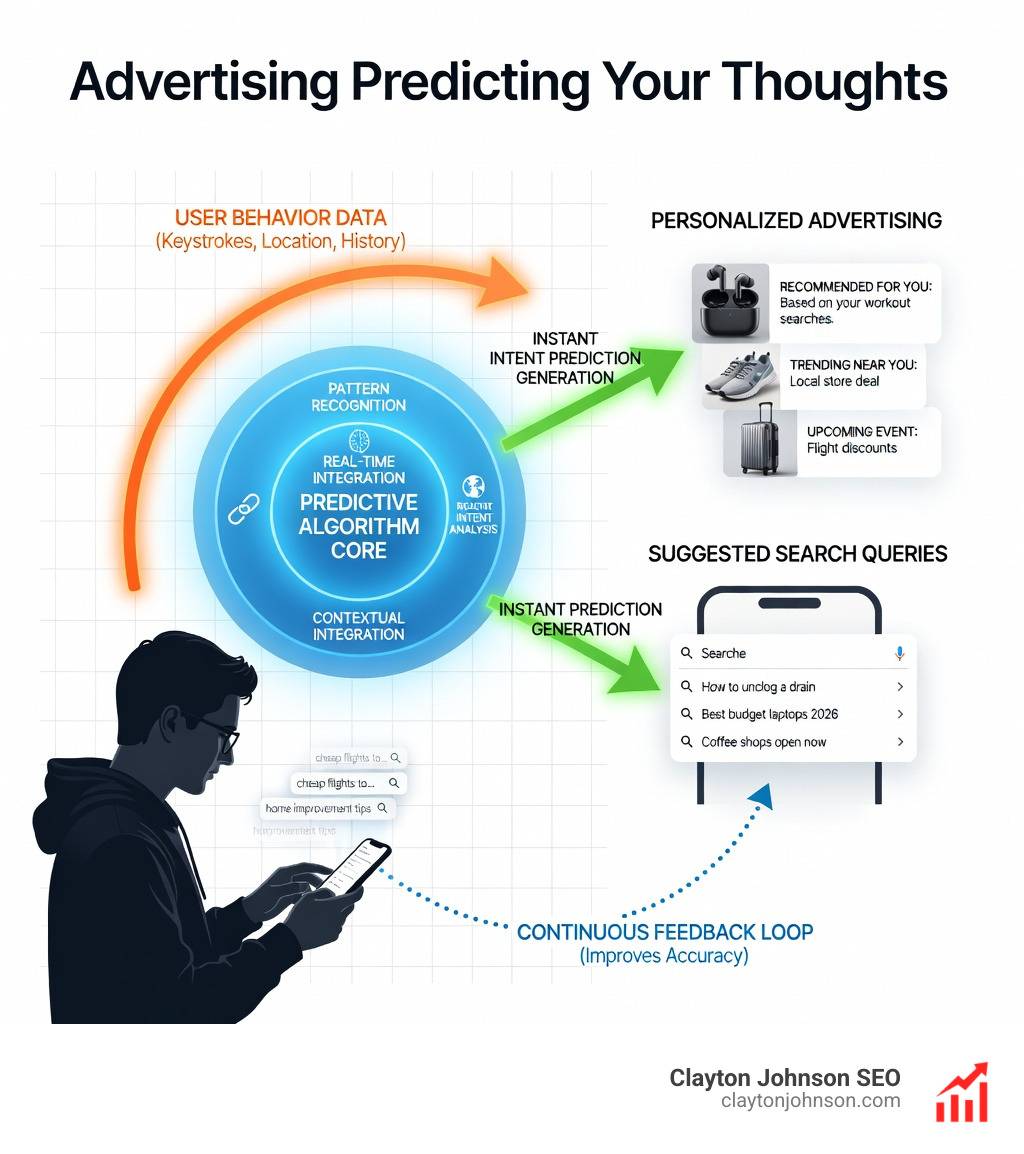
Humans are biologically “hard-wired” to take the path of least resistance. If we can get the answer to “How do I file a trademark?” in ten seconds on a search page versus clicking through three different legal blogs, we will choose the search page every time. This instant gratification is the primary driver behind the rise of zero-click ai search.
User intent is also evolving. We see a massive shift toward:
- Conversational Queries: “What’s the best way to grow my SaaS in Minneapolis?” instead of “SaaS growth strategies.”
- Mobile Efficiency: Users on the go want a single paragraph, not a 2,000-word article they have to scroll through.
- Immediate Action: AI agents are beginning to not just find information, but perform tasks like booking a flight or ordering groceries directly from the interface.
The Impact of AI Overviews on Traditional SEO
We are currently witnessing what some experts call “The Great Decoupling.” This is a phenomenon where a brand’s search impressions (how many people see your name) might stay high or even increase, while organic clicks plummet.
This has led to what Forbes calls the 60% problem, where roughly 60% of searches now end without the user ever leaving the search engine. For publishers, telecom, and healthcare providers, the traffic drop-off has been particularly steep—sometimes as high as 25%. However, there is a silver lining: while the quantity of traffic is down, the quality is up.
Content Strategies for zero-click ai search Visibility
To survive, we must stop writing for the “click” and start writing for the “citation.” If an AI summarizes your content but doesn’t link to you, you’ve lost the traffic but gained a “dark” brand mention. To ensure you are the source the AI trusts, we focus on several key pillars:
- Structured Data: Using Schema markup to tell the AI exactly what your data means.
- FAQ Optimization: Answering specific, long-tail questions in a clear, conversational tone.
- E-E-A-T Signals: Experience, Expertise, Authoritativeness, and Trustworthiness are more important than ever. AI models prioritize sources with verified credentials and deep topical authority.
- LLM-Friendly Formats:
- Bullet-pointed lists
- Comparison tables
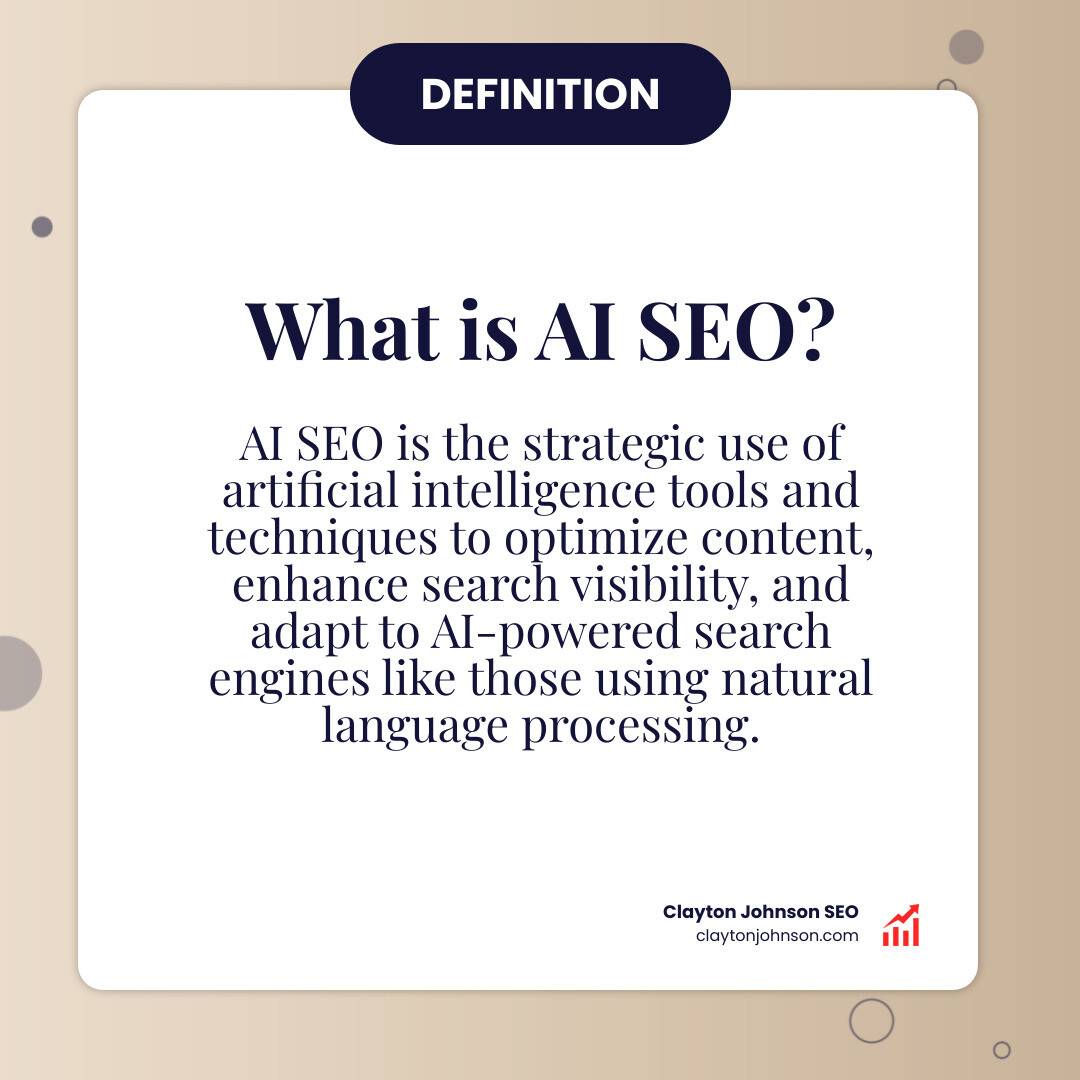
- Direct “What is” definitions
- Case studies with clear outcomes
How to Optimize for Generative Engine Optimization (GEO)
Traditional SEO is about ranking. Generative Engine Optimization (GEO), or Answer Engine Optimization (AEO), is about influence. The goal is to become the “knowledge source” that the LLM uses to build its answer.
| Feature | Traditional SEO | Generative Engine Optimization (GEO) |
|---|---|---|
| Primary Goal | Rank #1 for specific keywords | Be cited in the AI summary |
| User Action | Click a link to visit a site | Consume information on the SERP |
| Metric | Click-Through Rate (CTR) | Brand Mentions & Citation Share |
| Content Style | Long-form, keyword-optimized | Modular, factual, and direct |
In this environment, brand authority is the ultimate currency. If your brand is mentioned frequently across reputable sites, directories, and social platforms, the AI is more likely to include you in its synthesis. Technical crawlability is still a factor, but semantic density—how well you cover all facets of a topic—is what wins the citation.
Implementing Structured Growth Architecture
At Clayton Johnson SEO, we believe that most companies don’t lack tactics; they lack a structured growth architecture. In a zero-click ai search world, your website shouldn’t just be a bucket of content. It needs to be a structured knowledge base.
We help founders build “authority-building ecosystems” that leverage:
- Taxonomy-driven SEO systems: Organizing content so AI crawlers can easily map your expertise.
- Interactive diagnostic tools: Giving users a reason to click through that an AI summary can’t replicate (like a custom growth calculator).
- Demand harvesting: Focusing on high-intent, transactional queries where the user needs to visit your site to complete an action.
Adapting Your Marketing Strategy for Agentic AI
The next phase of this revolution is Agentic AI. We are moving past “search” and into “execution.” An AI agent doesn’t just tell you which lawyer is best in Minneapolis; it contacts the firm, checks their availability, and drafts an introductory email.

This is why understanding AI Agents: What they are and why they matter is critical for your long-term strategy. If an agent is doing the searching, your content needs to be optimized for “machine readability” as much as “human readability.”
Measuring Success Beyond the Click
If you only track clicks, your marketing reports are going to look increasingly grim. To measure success in a zero-click world, we have to look at new metrics:
- AI Reach: How often is your brand cited in AI Overviews for your target keywords?
- Unlinked Mentions: Are people talking about your brand even if they aren’t clicking?
- Conversion Quality: Visitors who click through from an LLM are often more qualified, converting at a rate 4.4x higher than traditional search traffic.
- Dark Traffic: Traffic that comes from “copy-pasting” links from AI chats into browsers, which often shows up as “Direct” in analytics.
For those looking to dive deeper into these strategies, you can find more info about SEO services that focus specifically on this transition.
Frequently Asked Questions about Zero-Click Search
What is a zero-click result?
A search query that is resolved directly on the search engine results page or within an AI interface, requiring no further clicks to external websites. Examples include Google’s Knowledge Panels, featured snippets, and the new AI Overviews.
How does generative AI affect website traffic?
Generative AI reduces traditional organic traffic by providing instant summaries, which satisfies the user’s need for quick information. However, it often sends more qualified visitors—those who need deep-dive information or specific services—who then convert at significantly higher rates.
What is the difference between SEO and GEO?
SEO focuses on ranking links in a list based on keywords and backlinks. GEO (Generative Engine Optimization) focuses on ensuring a brand is cited, summarized, and recommended accurately within AI-generated responses by building topical authority and structured data.
Conclusion
The rise of zero-click ai search isn’t the end of SEO; it’s the beginning of a more sophisticated era of digital marketing. The companies that will thrive are those that stop chasing raw traffic and start building structured growth architecture.
By focusing on clarity, structure, and leverage, you can turn the “traffic apocalypse” into a competitive advantage. Clayton Johnson is building Demandflow.ai to help founders and marketing leaders navigate this transition with a growth operating system that prioritizes authority and compounding results.
If you’re ready to future-proof your brand, explore more info about SEO services and start building your own authority-building ecosystem today.