Why Most Campaigns Fail Before They Even Launch
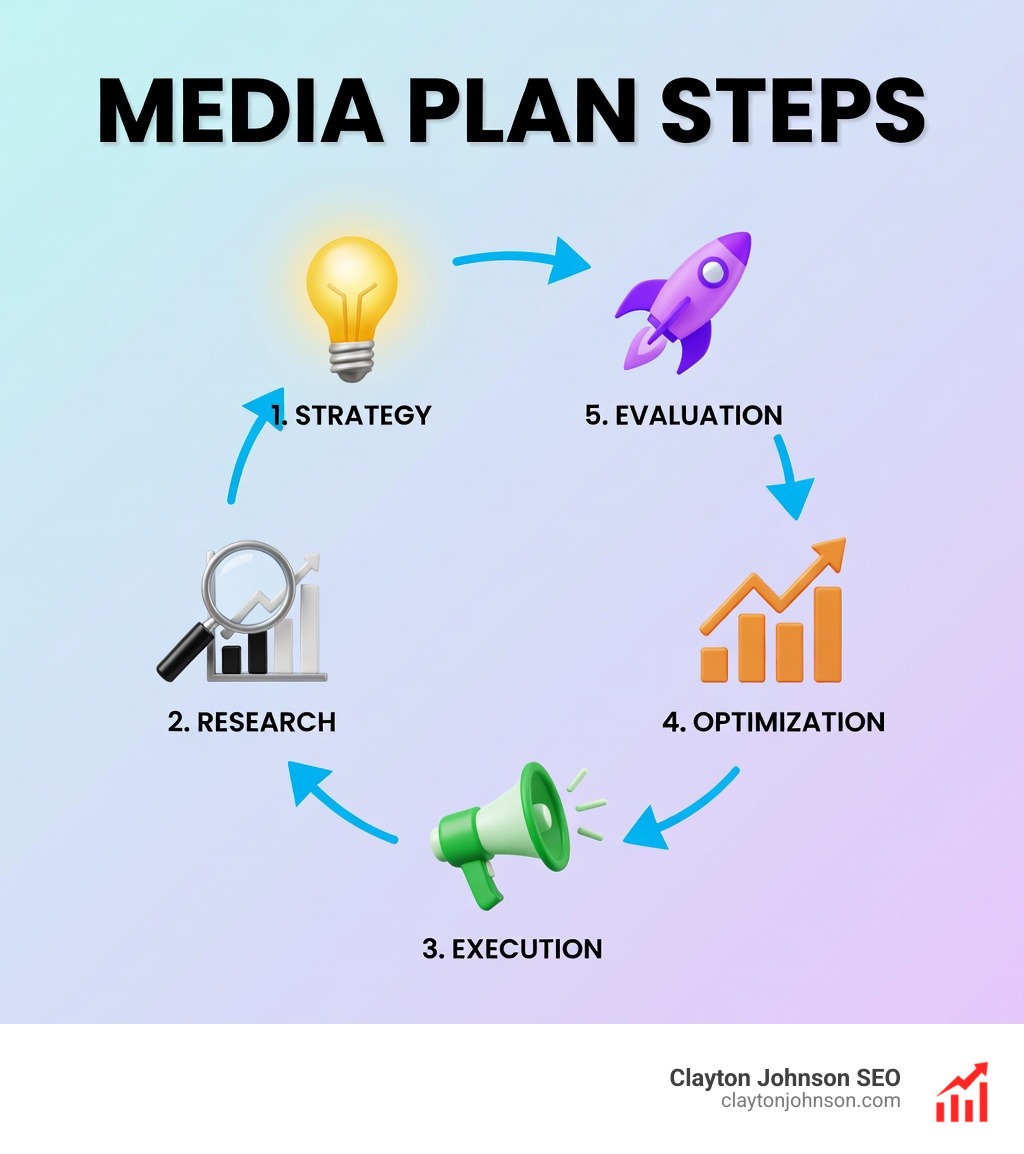
Media plan steps are the structured sequence of decisions that determine where, when, and how your ads reach the right audience — and skipping or rushing them is exactly why most campaigns underperform.
Here’s the fast answer if you need it now:
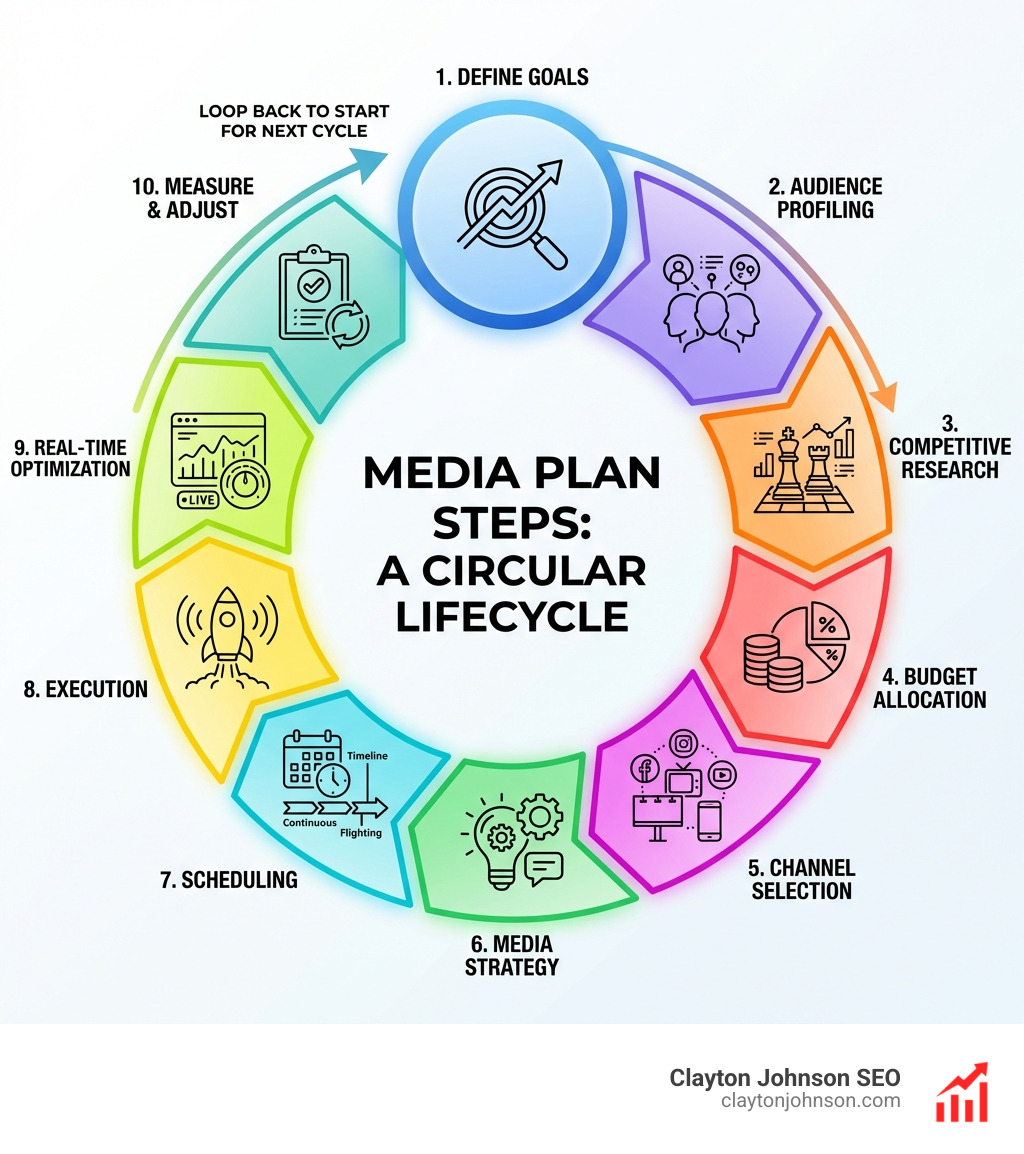
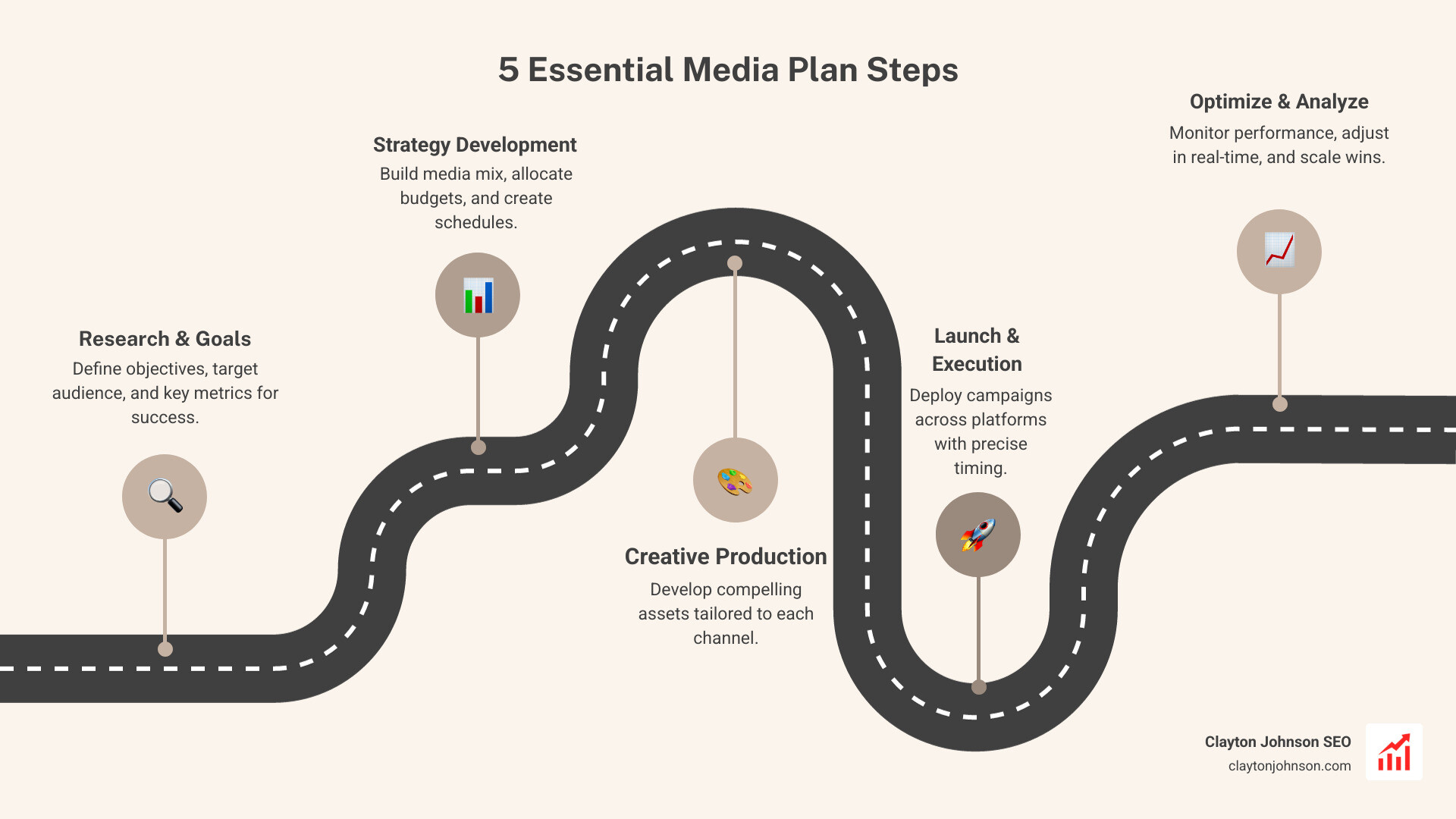
- Define campaign goals and KPIs — tie them to real business outcomes, not vanity metrics
- Identify and profile your target audience — demographics, psychographics, behavioral data
- Conduct competitive research — understand where rivals are spending and winning
- Set and allocate your budget — use a structured split (e.g., 70% core, 20% test, 10% flex)
- Select your media mix and channels — match channels to where your audience actually is
- Develop your media strategy — creative direction, messaging, and scheduling approach
- Create a media schedule — continuous, flighting, or pulsing based on your product and season
- Execute the plan — launch across channels with clear ownership and logistics
- Monitor and optimize in real time — shift budget toward what’s working
- Measure results and adjust — report against KPIs and feed learnings into the next cycle
The stakes are real. Marketers waste an average of 26% of their budgets on ineffective channels and strategies. And campaigns using three or more channels see a 287% higher purchase rate than single-channel campaigns. The difference between those two outcomes? A disciplined planning process.
Without a clear media plan, even strong creative gets wasted. You end up guessing on channels, overspending in the wrong places, and measuring the wrong things.
I’m Clayton Johnson — an SEO and growth strategist who has built demand systems for founders and marketing leaders across competitive markets, and optimizing media plan steps is foundational to the scalable growth architectures I design. This guide gives you the no-fluff, structured process to build a media plan that actually performs.
The Essential Media Plan Steps for High-Performance Campaigns
At Clayton Johnson, we believe that most companies don’t lack tactics; they lack structured growth architecture. Media planning is the strategic foundation—the blueprint—while media buying is the actual construction.
Media planning involves identifying the most optimal method for communicating a message to an audience. It requires deep market research, which 70% of planners say is the most effective strategy they use. Without it, you are essentially throwing darts in the dark.
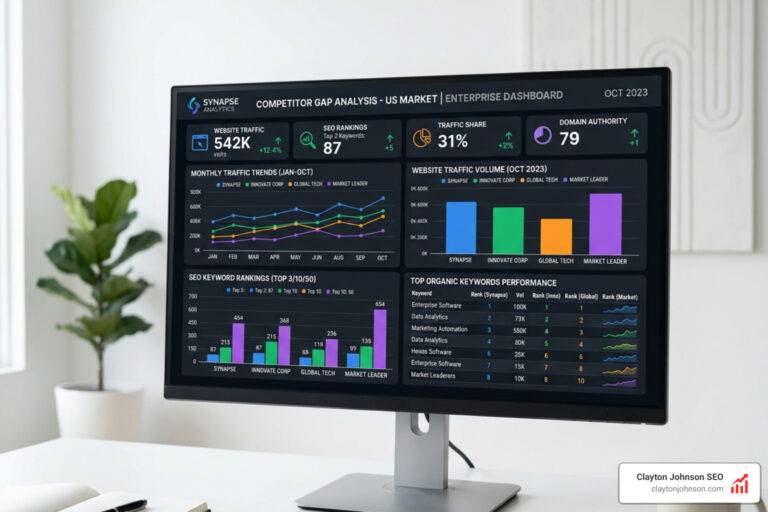
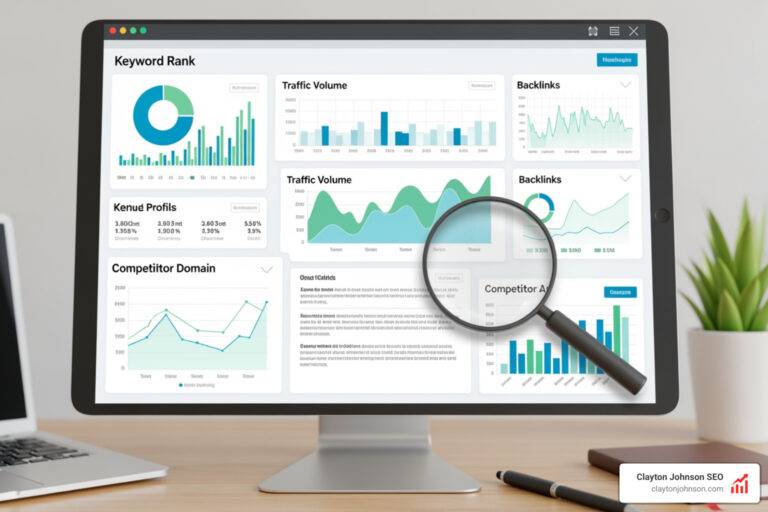
One of the most critical media plan steps is understanding the competitive landscape. By performing competitive analysis, we can see where rivals are winning and identify “white space” opportunities they’ve missed.
It’s also helpful to understand who is behind these plans. According to Glassdoor reports on media planner roles and salaries, the median total salary for a media planner in the US is $130,000 per year. These professionals typically hold a bachelor’s degree in marketing or communications, and their role is to ensure that every dollar spent translates into measurable growth.
Media Planning vs. Media Buying: A Strategy/Execution Split
| Feature | Media Planning (The Blueprint) | Media Buying (The Build) |
|---|---|---|
| Focus | Strategy, audience research, and channel selection. | Negotiation, placement, and execution. |
| Goal | To determine “where, when, and who.” | To get the best rates and placements. |
| Key Output | A comprehensive media plan document. | Signed insertion orders and live ads. |
Step 1: Defining Goals and Media Plan Steps for Success
We’ve seen it a thousand times: a team launches a campaign with the goal to “increase awareness.” But awareness is a vanity metric. To build a high-performance system, your goals must be tied to business KPIs like net-new pipeline, product trials, or contribution margin.
We recommend using the CIM guide to SMART objectives to ensure your goals are Specific, Measurable, Achievable, Relevant, and Time-bound.
Examples of SMART goals for your media plan steps include:
- Generating 500 qualified leads within the next 90 days.
- Achieving a 15% increase in online sales during the Q4 holiday season.
- Reducing Customer Acquisition Cost (CAC) by 10% through better channel targeting.
Step 2: Audience Profiling and Media Plan Steps for Targeting
You can’t hit a target you can’t see. High-quality data is the lifeblood of effective planning, yet 54% of U.S. marketing leaders cite understanding customer data as their top challenge.
Data silos are a major culprit. Employees spend an average of 12 hours each week searching for data because it’s trapped in different departments. To overcome this, we focus on building comprehensive buyer personas that include:
- Demographics: Age, location, occupation, and income.
- Psychographics: Values, pain points, and motivations.
- Behavioral Traits: Where they spend time online and how they consume media.
Once you have this profile, you can use lookalike modeling to find more people like your best customers. This is a core part of our traffic strategy frameworks, ensuring your message lands exactly where your audience is most likely to engage.
Building Your Media Mix: Channels, Budgets, and Scheduling
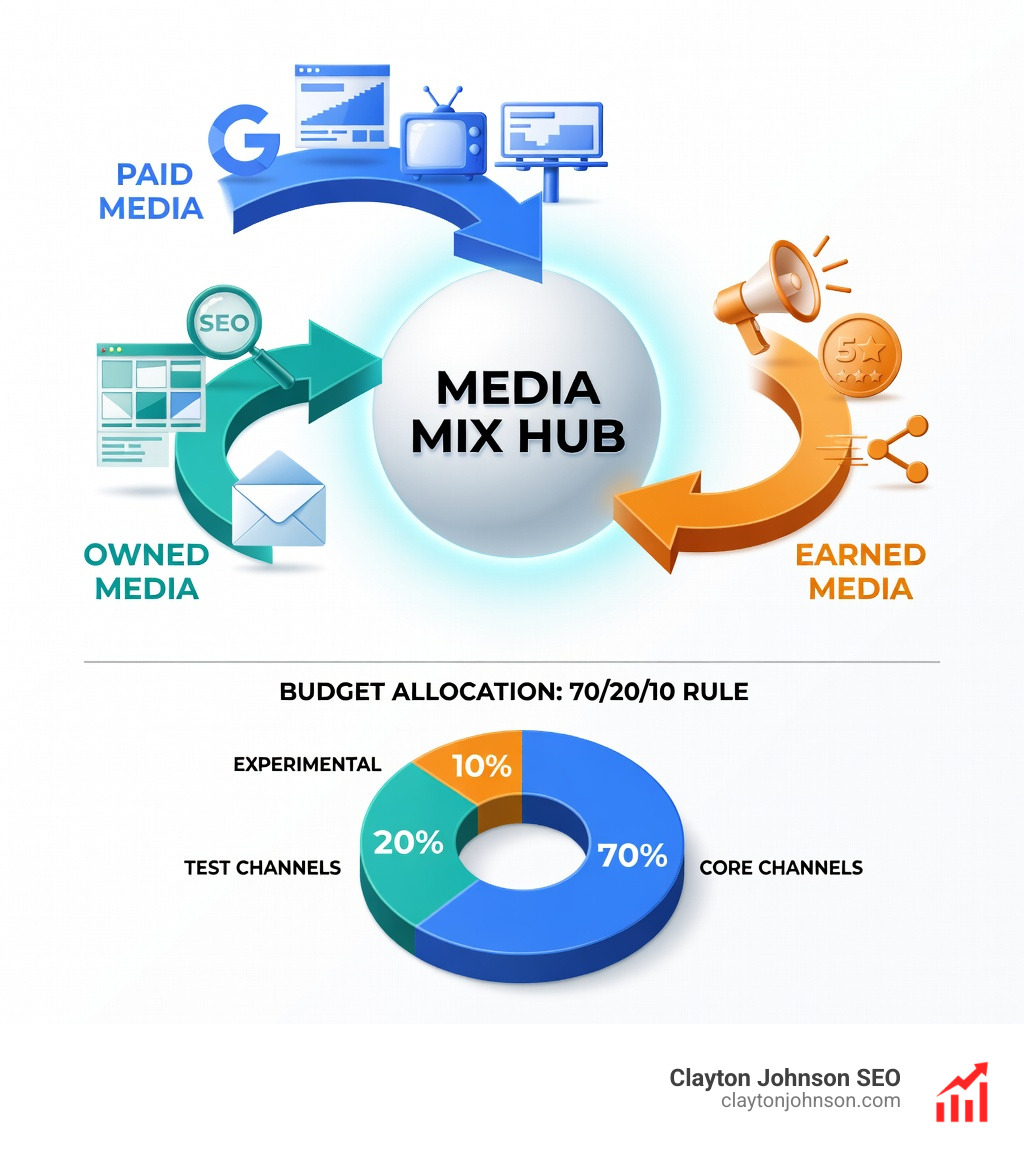
Selecting your media mix is where the strategy gets tactical. We categorize channels into three buckets: Paid, Owned, and Earned.
- Paid Media: Google Ads, social media ads, TV, and out-of-home (OOH).
- Owned Media: Your website, SEO content, and email lists.
- Earned Media: PR, reviews, and organic social shares.
According to Adobe research on multichannel purchase rates, campaigns using three or more channels see significantly higher purchase rates. However, spreading your budget too thin is a mistake. We often use the 70/20/10 rule for budget allocation: 70% to proven “core” channels, 20% to “test” channels, and 10% to “flex” or experimental tactics.
Selecting the Right Media Channels
Not every channel is right for every brand. Your selection should align with your audience’s habits and your campaign goals.
- Traditional TV & Streaming: While digital is booming, traditional TV still reaches billions. Interestingly, Nielsen reports on streaming trends show that streaming usage claimed nearly 32% of total TV time recently. Combining TV with radio or digital can create “imagery transfer,” strengthening brand recall.
- Social Media: 80% of B2B marketers who run paid campaigns use social media. Platforms like LinkedIn are great for professional targeting, while TikTok and Instagram are ideal for visual storytelling. Check out our social media insights for more on platform-specific strategies.
- Podcast Advertising: This is an “attention economy” winner. 49% of listeners believe hosts actually use the products they mention, leading to high trust and recall.
- Native Advertising: Studies show purchase intent is 53% higher with native ads compared to traditional display banners.
For more details on how we categorize these, see our guide on operational systems and marketing mix terms.
Scheduling Strategies: Continuous, Flighting, and Pulsing
Timing is everything. Even the best message fails if it hits the audience at the wrong time. There are three main ways to schedule your media plan steps:
- Continuous: Ads run at a steady pace throughout the year. Best for everyday products like toothpaste or “always-on” services.
- Flighting: Ads run in heavy bursts followed by periods of no activity. Ideal for seasonal products like snow shovels in Minneapolis or holiday-specific offers.
- Pulsing: A hybrid approach where you maintain a low “always-on” presence but increase spend during peak periods.
We also have to consider ad frequency. You need enough exposure to drive memory, but not so much that you cause ad fatigue. Research from VCCP Media found that distinctive brand assets can drive brand outcomes in as little as 1.5 seconds of active attention.
Execution, Optimization, and Avoiding Common Pitfalls
Once the plan is built, it’s time for “showtime”—getting media authorization and launching. But the work doesn’t stop at the launch.
In the modern landscape, eMarketer survey data on AI in media planning shows that 19% of digital ad buyers are already using AI to optimize their plans, and another 38% are evaluating it. AI helps us move beyond manual reporting and into real-time optimization.

Avoiding Wasted Ad Spend
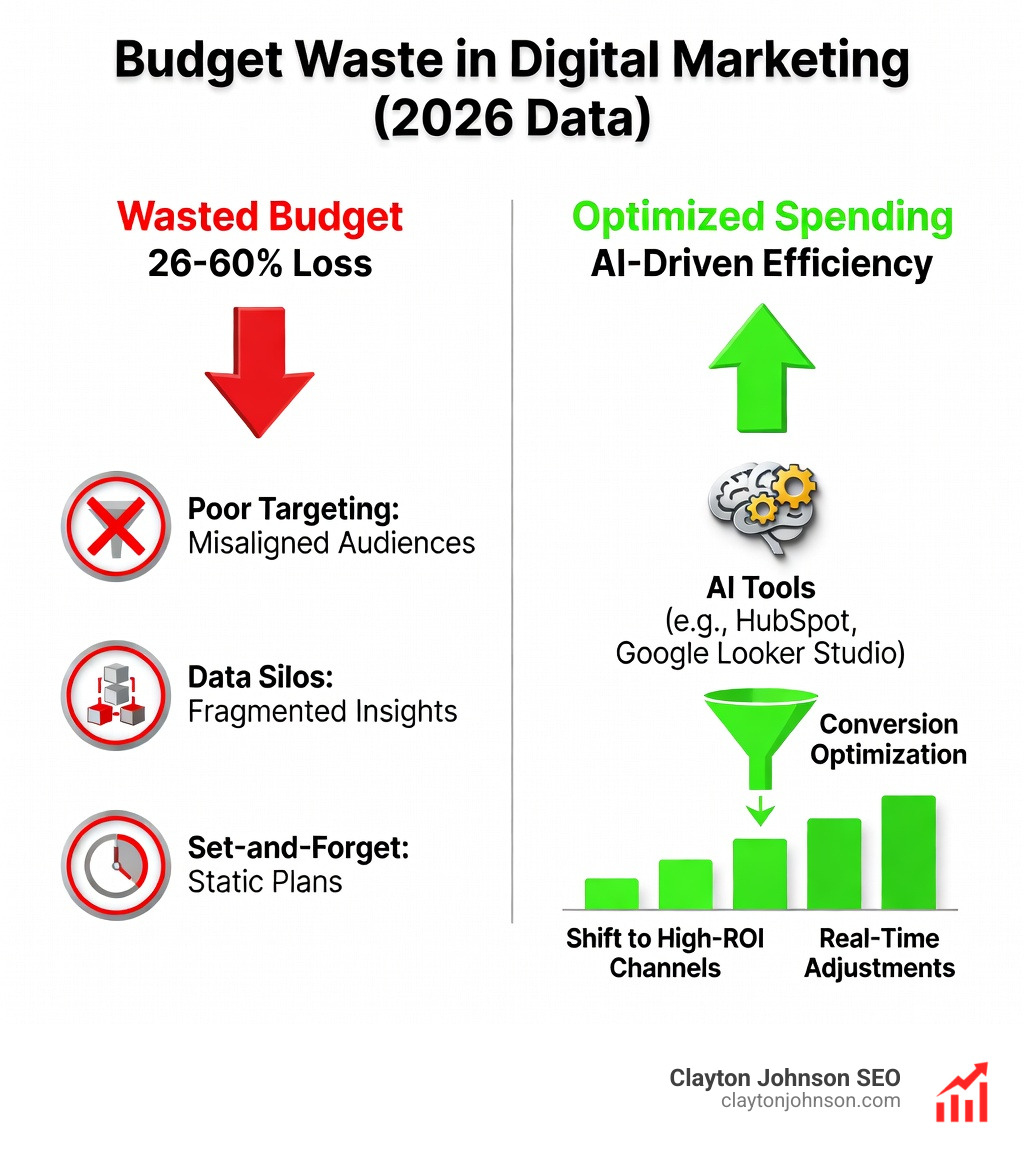
Marketers waste an average of 26% of their budgets on ineffective channels. In the UK, some reports suggest up to 60% of media budgets are wasted. This usually happens because of:
- Poor Targeting: Speaking to the wrong people.
- Data Silos: Not seeing the full picture of the customer journey.
- Set-and-Forget Mentality: Not adjusting the plan based on live performance.
By focusing on conversion optimization, we can identify which parts of the media plan are leaking money and shift those resources to high-performing channels.
Frequently Asked Questions about Media Planning
What is the difference between reach and frequency?
Reach refers to the total number of unique people who see your ad. Frequency is the average number of times each of those people sees it. To build brand recall, you need a balance. Too much reach with low frequency means nobody remembers you; too much frequency with low reach means you’re annoying a small group of people.
How much of my marketing budget is typically wasted?
Research from Proxima on strained digital budgets indicates that 40% to 60% of organizations’ digital marketing budgets are strained due to inefficient spending. This is often caused by lack of a structured media plan and poor targeting.
What tools are best for streamlining the media planning process?
There are several tools we recommend to keep your media plan steps organized:
- HubSpot: Great for free media planning templates and tracking lead attribution.
- Bionic: A professional-grade tool for media planning and buying.
- Quantcast: Excellent for audience intelligence and real-time data.
- Google Looker Studio: Our go-to for building live performance dashboards.
- MediaPlanHQ: Helps manage the collaborative side of planning across teams.
Conclusion
At the end of the day, a media plan is a living document. It’s not a rigid set of rules, but a strategic framework that allows for agility.
At Clayton Johnson, we help founders and marketing leaders build this kind of structured growth architecture through Demandflow.ai. We believe that clarity leads to structure, and structure leads to the leverage needed for compounding growth.
Whether you are looking for Minneapolis SEO expertise or a comprehensive social media marketing strategy, the foundation is always the same: a no-nonsense approach to the media plan steps that drive real results.
Ready to build a campaign that actually moves the needle? Don’t just throw tactics at the wall. Build a system. Check out our marketing plan template to get started, or book a call with our team to talk through your next campaign.