Why Dharmesh Shah Thinks Your Metrics Are Bad

Why Your Growth Metrics Are Probably Measuring the Wrong Things
Dharmesh Shah inbound marketing is built on a simple but powerful idea: stop interrupting people and start being worth finding.
Here is the core of what Shah advocates:
- Stop pushing. Cold calls, email blasts, and paid ads interrupt people who didn’t ask for you.
- Start pulling. Create content worth finding through search, blogs, and social media.
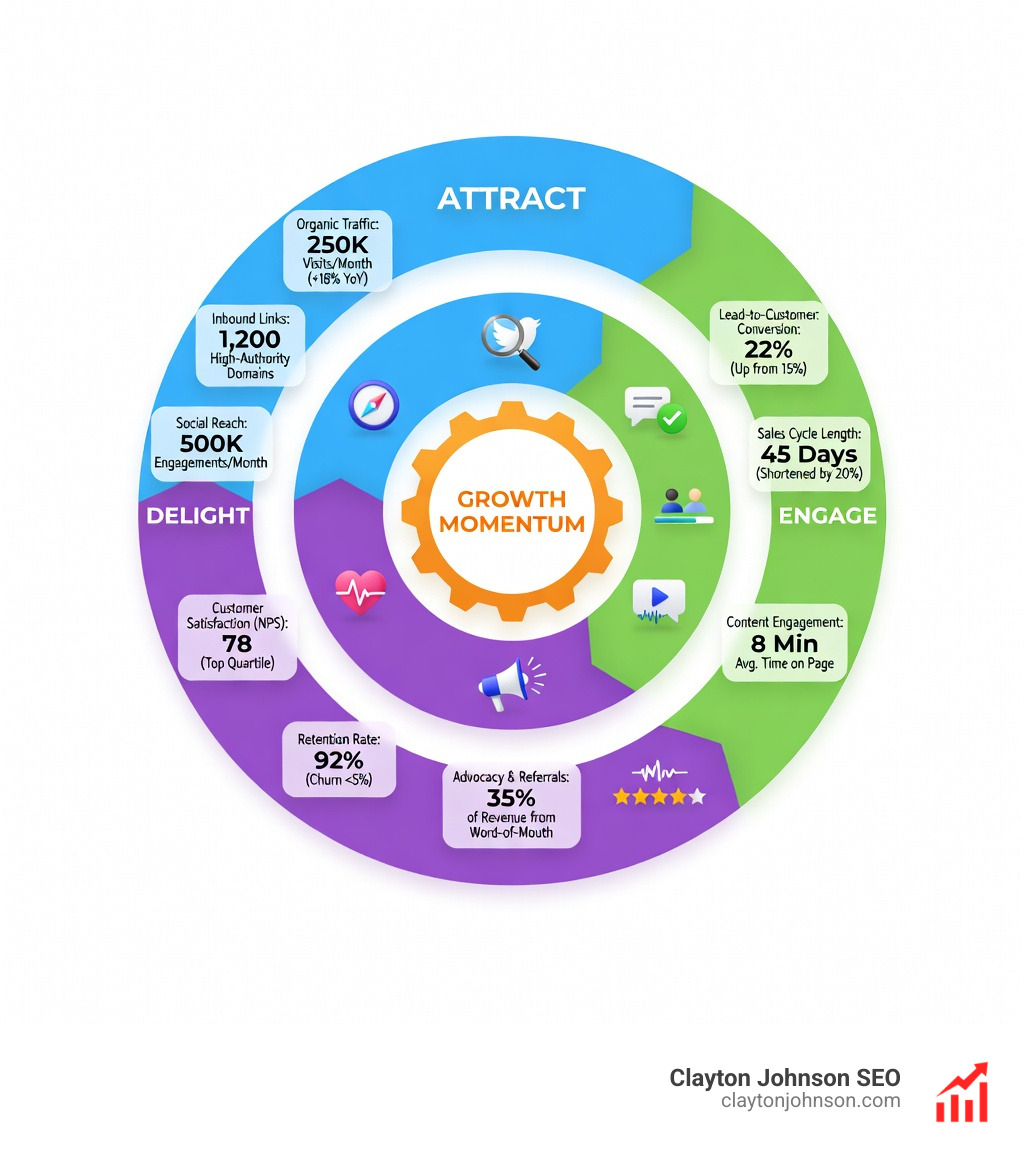
- Measure what compounds. Track reach, authority, lead flow, and conversion — not just ad impressions.
- Think like a publisher. Your content is an asset that builds value over time, unlike ad spend that disappears the moment you stop paying.
- Use your brain, not your budget. As Shah put it, if you have more brains than money, inbound marketing is your edge.
Most founders and marketing leaders track the wrong things. They measure traffic volume, ad spend, and email send counts. Meanwhile, the metrics that actually predict growth — organic reach, inbound link authority, lead-to-customer conversion rates — get ignored.
Shah co-founded HubSpot specifically because he watched startups spend heavily on outbound tactics that were already losing effectiveness. He saw average email open rates fall nearly in half over just four years. He watched consumers adopt spam filters, caller ID, and DVRs to block marketers at every turn. And he built a business — and a philosophy — around the alternative.
The result was not just a methodology. It was a measurable system.
I’m Clayton Johnson, an SEO and growth strategist who has spent years building scalable content architectures and intent-driven growth systems rooted in the same principles behind Dharmesh Shah inbound marketing. In this guide, I’ll break down exactly which metrics matter, why most dashboards lie to you, and how to build a measurement framework that actually reflects compounding growth.
The Evolution of Dharmesh Shah Inbound Marketing
The story of Dharmesh Shah inbound marketing begins with a stark realization: the old playbook for reaching customers was fundamentally broken. While studying at MIT, Dharmesh Shah met Brian Halligan. They noticed a fascinating divergence in how companies grew. Halligan, coming from a venture capital and sales background, saw startups struggling to get traction using traditional “push” methods like cold calling and expensive trade shows.
Meanwhile, Shah was running a blog called OnStartups.com. Without a marketing budget, a PR firm, or a sales team, his blog was generating more traffic and engagement than many venture-backed companies. This was the “aha moment.” They realized that while traditional marketing was about the “width of your wallet,” the new era of marketing would be about the “width of your brain.”
Together, they co-authored the seminal book Inbound Marketing: Attract, Engage, and Delight Customers Online. This wasn’t just a book; it was a manifesto for a “pull strategy.” Instead of acting like a megaphone broadcasting to a disinterested crowd, Shah argued that a business should act like a hub—a destination that attracts customers by providing genuine value through SEO, blogging, and social media.
Why Traditional Outbound Metrics Fail the Modern Buyer
If you are still measuring your success by how many “touches” your sales team makes or the number of impressions your display ads get, you are measuring the wrong things. Traditional outbound marketing relies on interruption. But modern buyers have become experts at avoiding interruptions.
Consider these shifts in consumer behavior:
- Ad Blocking and Spam Filters: Consumers use technology to silence the noise.
- The Decline of the Email Blast: Research shows that average email open rates declined from 39% to 22% in a short four-year window as people grew tired of unsolicited messages.
- Control over Content: With DVRs and streaming services, the traditional TV commercial has lost its grip.
When you rely on outbound, you are fighting an uphill battle against the buyer’s natural defenses. As we discuss in our A-Z Guide to Email Marketing Automation, the key to modern success is permission and relevance, not volume and persistence.
| Feature | Inbound Marketing | Outbound Marketing |
|---|---|---|
| Primary Goal | Attract/Pull | Interrupt/Push |
| Medium | Blogs, SEO, Social Media | Cold Calls, TV Ads, Direct Mail |
| Cost | Low marginal cost; labor-intensive | High cost; budget-intensive |
| Value | Educational and helpful | Promotional and salesy |
| Asset Type | Durable, compounding assets | Temporary, rented attention |
The Metrics That Matter: Measuring the Width of Your Brain
Dharmesh Shah often says that if you have more money than brains, you should do outbound marketing. But if you have more brains than money, you should focus on inbound. To do that effectively, you need a marketing dashboard that tracks the health of your “growth architecture.”
Instead of vanity metrics, we focus on:
- Reach: How many people are actually in your sphere of influence?
- Authority: Does Google (and your audience) view you as a trusted source?
- Lead Flow: Are you consistently turning visitors into prospects?
- Conversion Rates: How efficiently are those prospects becoming customers?
Effective SEO strategy is about more than just ranking for a keyword; it’s about building a moat of authority. When you combine this with The Ultimate Guide to Conversion Optimization, you stop guessing and start scaling.
Dharmesh Shah Inbound Marketing and the Power of Content Reach
Reach in the inbound world isn’t about how many people could see your ad; it’s about how many people choose to follow your brand. Shah’s OnStartups.com demonstrated this by amassing over 900,000 subscribers. This kind of reach is a durable asset.
To build this, you must transition from being a “marketer” to being a “publisher.” This means:
- Building a Content Factory: Consistently producing blog articles, videos, and webinars.
- Leveraging Social Media: Using platforms as amplifiers for your message, not just places to post links.
- Nurturing Communities: Moving beyond one-off visits to building a base of RSS and email subscribers.
For a deeper dive into how to scale this, check out The Research-Backed Guide to Social Marketing Success.
Tracking Authority with Dharmesh Shah Inbound Marketing Tools
One of the most famous tools Shah helped create was Website Grader. It wasn’t just a free tool; it was a brilliant piece of Dharmesh Shah inbound marketing. It taught millions of people how to measure their own online authority.
Authority is measured by:
- Inbound Links: Are other reputable sites linking to you?
- Indexed Pages: How much “real estate” do you own in Google’s index?
- Keyword Relevance: Are you ranking for terms that actually solve customer problems?
Understanding SEO 101 is the first step in building this authority. It’s not about “tricking” the algorithm; it’s about being so remarkable that the algorithm has no choice but to rank you.
Implementing the Attract, Engage, and Delight Framework
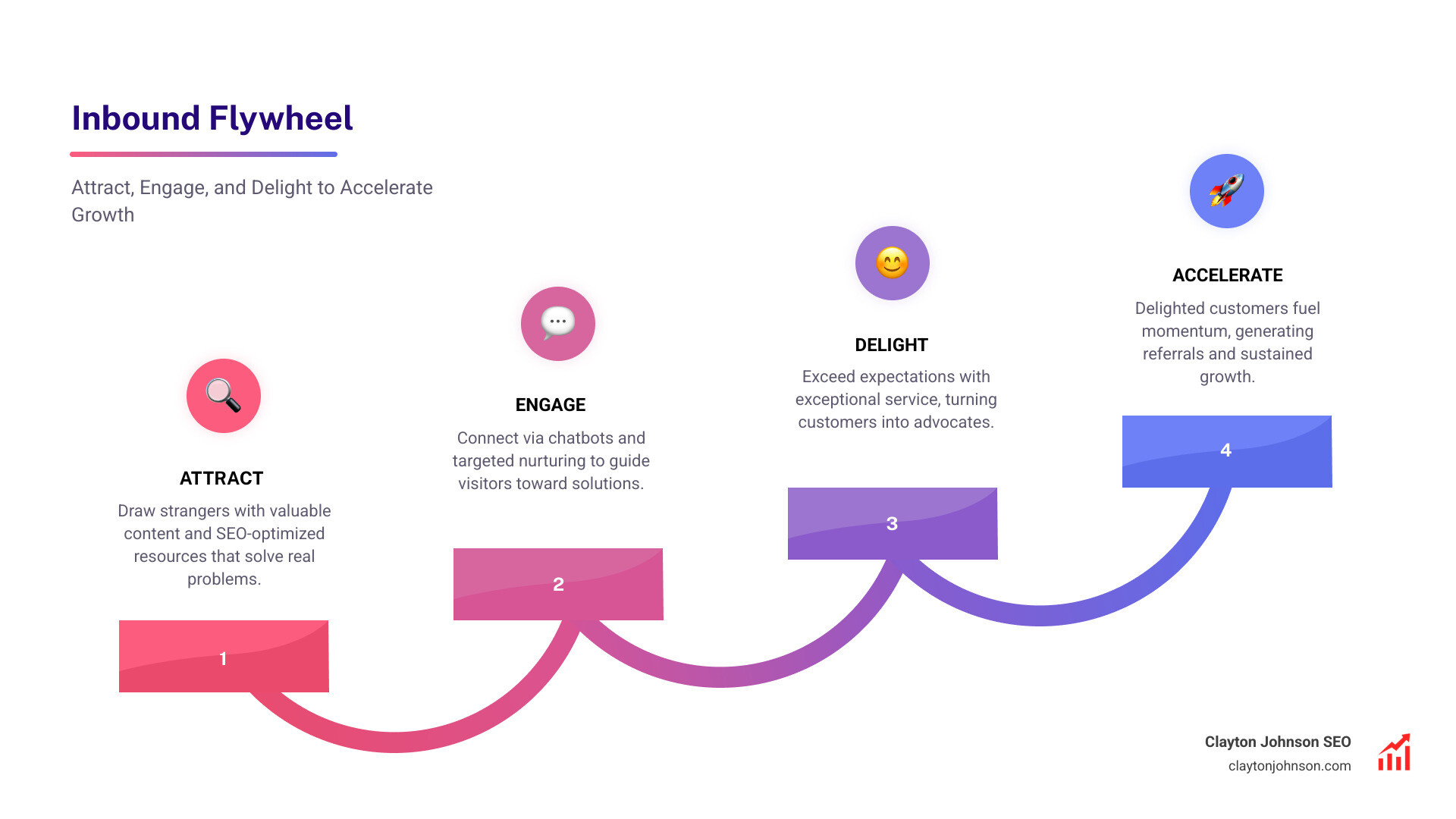
Inbound marketing is often visualized as a flywheel. Unlike a funnel that loses steam at the bottom, a flywheel uses the energy of delighted customers to drive more attraction.
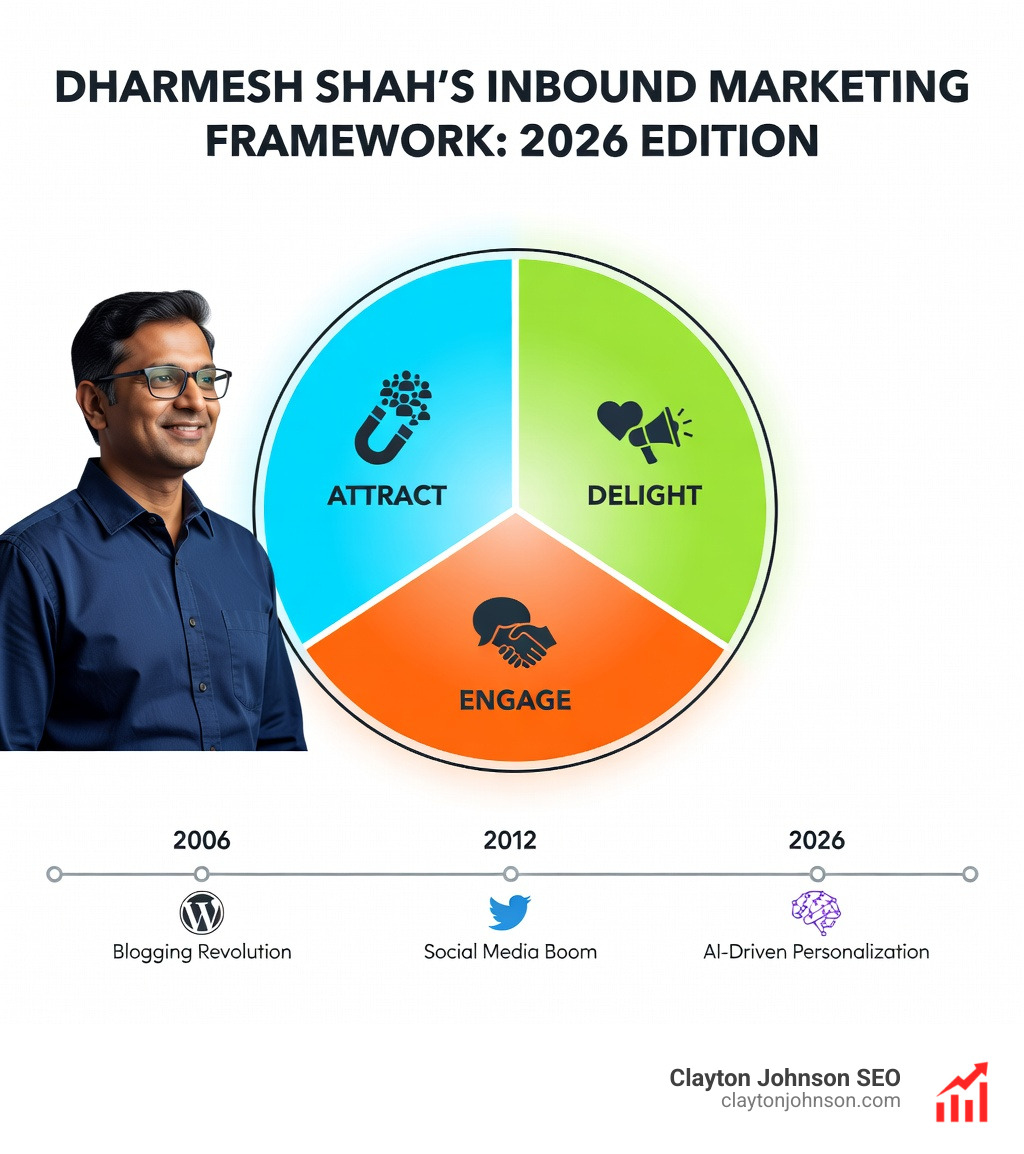
- Attract: Use valuable content and SEO to bring strangers to your site.
- Engage: Use chatbots and solution selling to help visitors solve their problems.
- Delight: Provide such an incredible experience that your customers become your best marketers.
This framework is one of our core Digital Marketing Pillars. It shifts the focus from “closing a deal” to “opening a relationship.” By using surveys and social media listening, you can stay in tune with your audience’s needs, ensuring the flywheel keeps spinning.
Frequently Asked Questions about Dharmesh Shah and Inbound
What is the core philosophy of Dharmesh Shah’s marketing?
The core philosophy is “helpfulness over hype.” Shah believes that the best way to grow a business is to be genuinely useful to your target audience. By creating content that answers their questions and solves their challenges, you earn their trust and their business. It is a “pull” strategy that respects the buyer’s journey rather than trying to force it.
How does HubSpot define the difference between inbound and outbound?
HubSpot describes outbound marketing as a “megaphone”—a one-way broadcast that tries to shout louder than everyone else. In contrast, inbound marketing is a “hub”—a collaborative, living destination that attracts a marketplace. Outbound relies on the width of your wallet (ad spend), while inbound relies on the width of your brain (creativity and value).
Why does Dharmesh Shah prioritize SEO over paid advertising?
Shah prioritizes SEO because it creates durable, compounding assets. When you pay for an ad, the traffic stops the second you stop paying. When you create a high-quality blog post or tool that ranks well, it continues to drive traffic and leads for years. It has a much lower marginal cost per lead over the long term and builds organic trust that paid ads simply cannot match.
Conclusion
At Clayton Johnson SEO, we believe that most companies don’t lack tactics—they lack structured growth architecture. Dharmesh Shah inbound marketing proved that when you build a system based on value, authority, and attraction, growth becomes inevitable and compounding.
We help founders and marketing leaders move away from “bad metrics” and toward a growth operating system that actually works. Whether you are looking for The Greatest Marketers of All Time for inspiration or need a custom SEO strategy, our goal is to help you build a marketing hub that stands the test of time.
If you’re ready to stop pushing and start pulling, let’s build your structured growth architecture together.