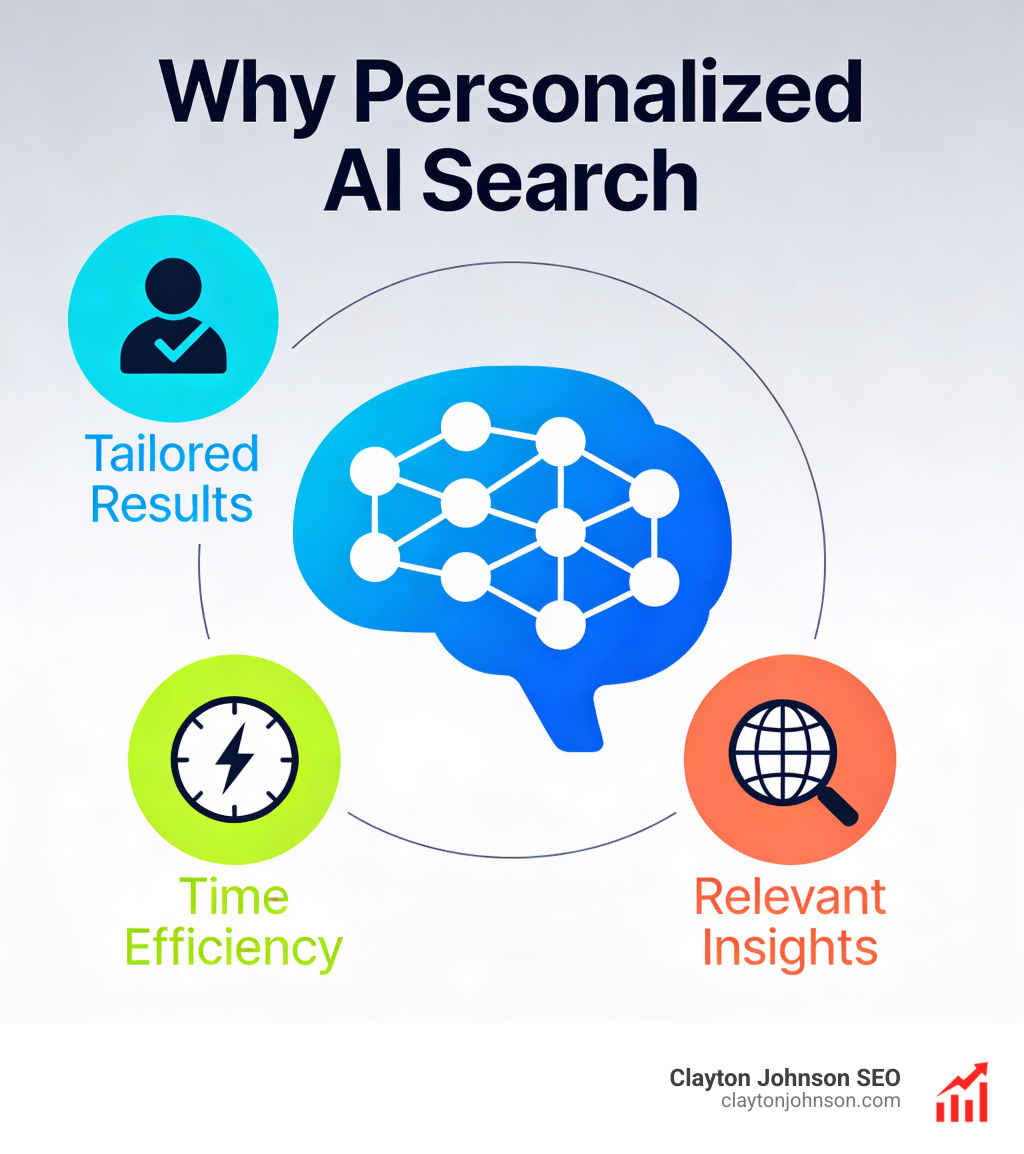
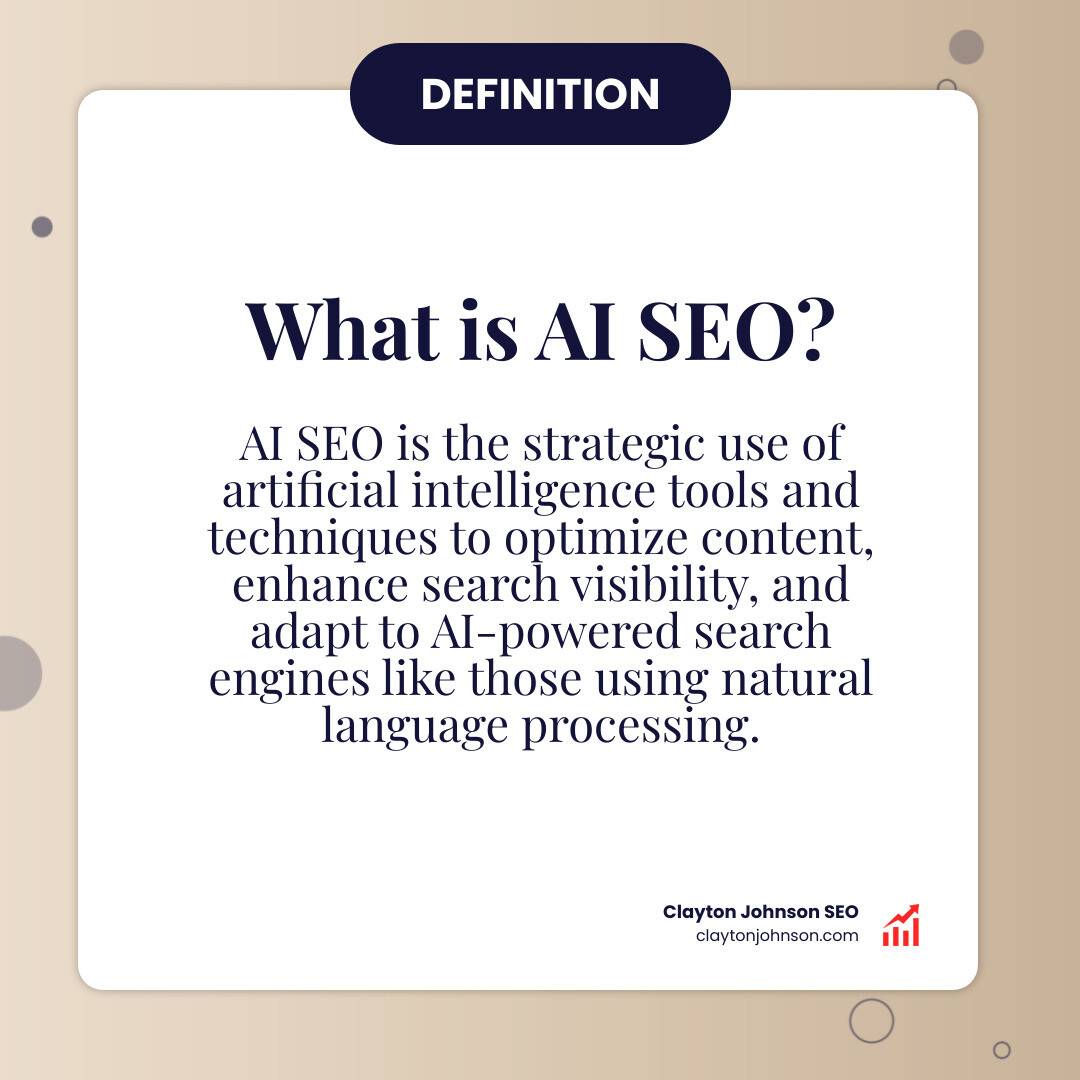
How AI personalizes SERPs to make your digital life easier

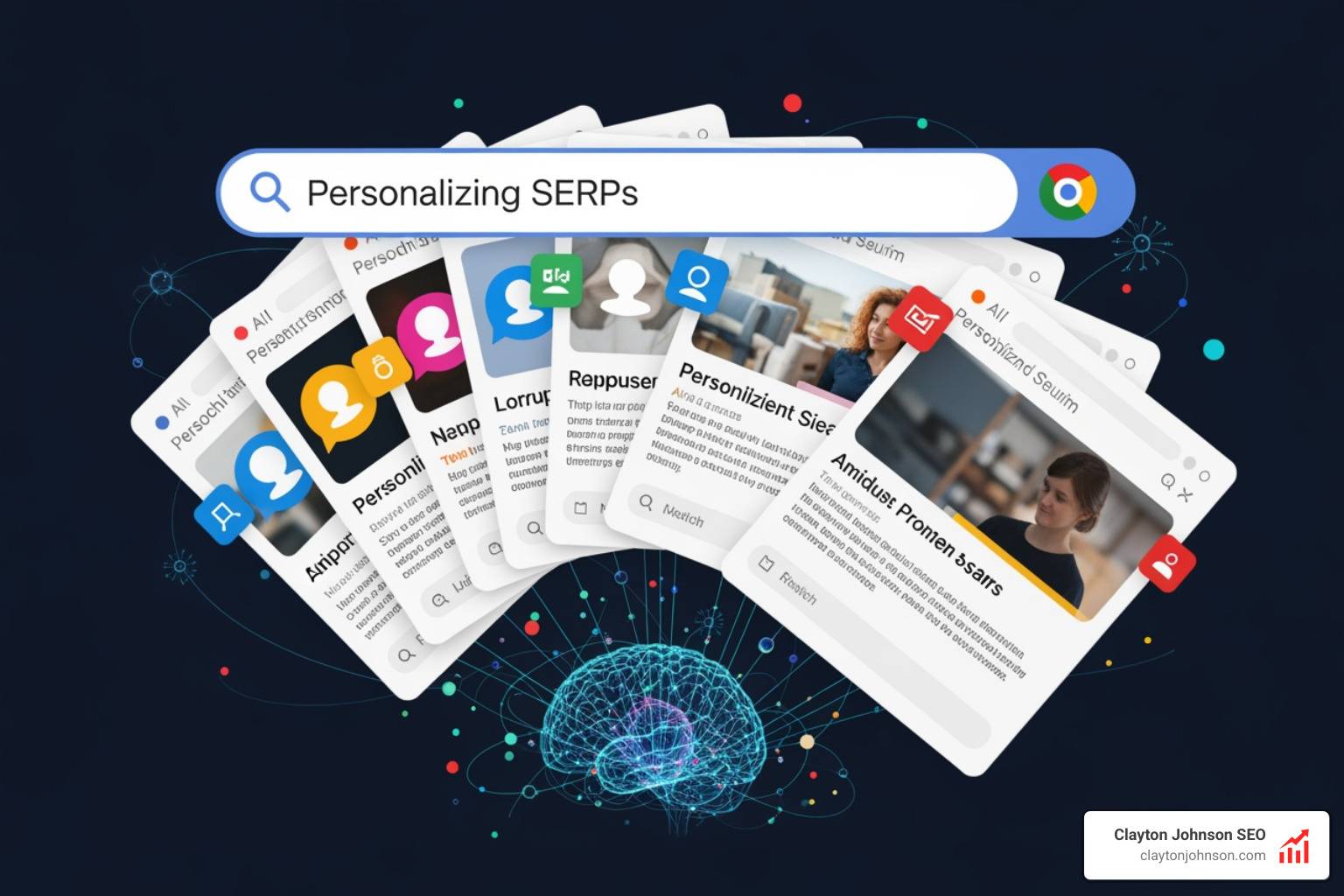
Why Understanding How AI Personalizes SERPs Changes Everything About SEO
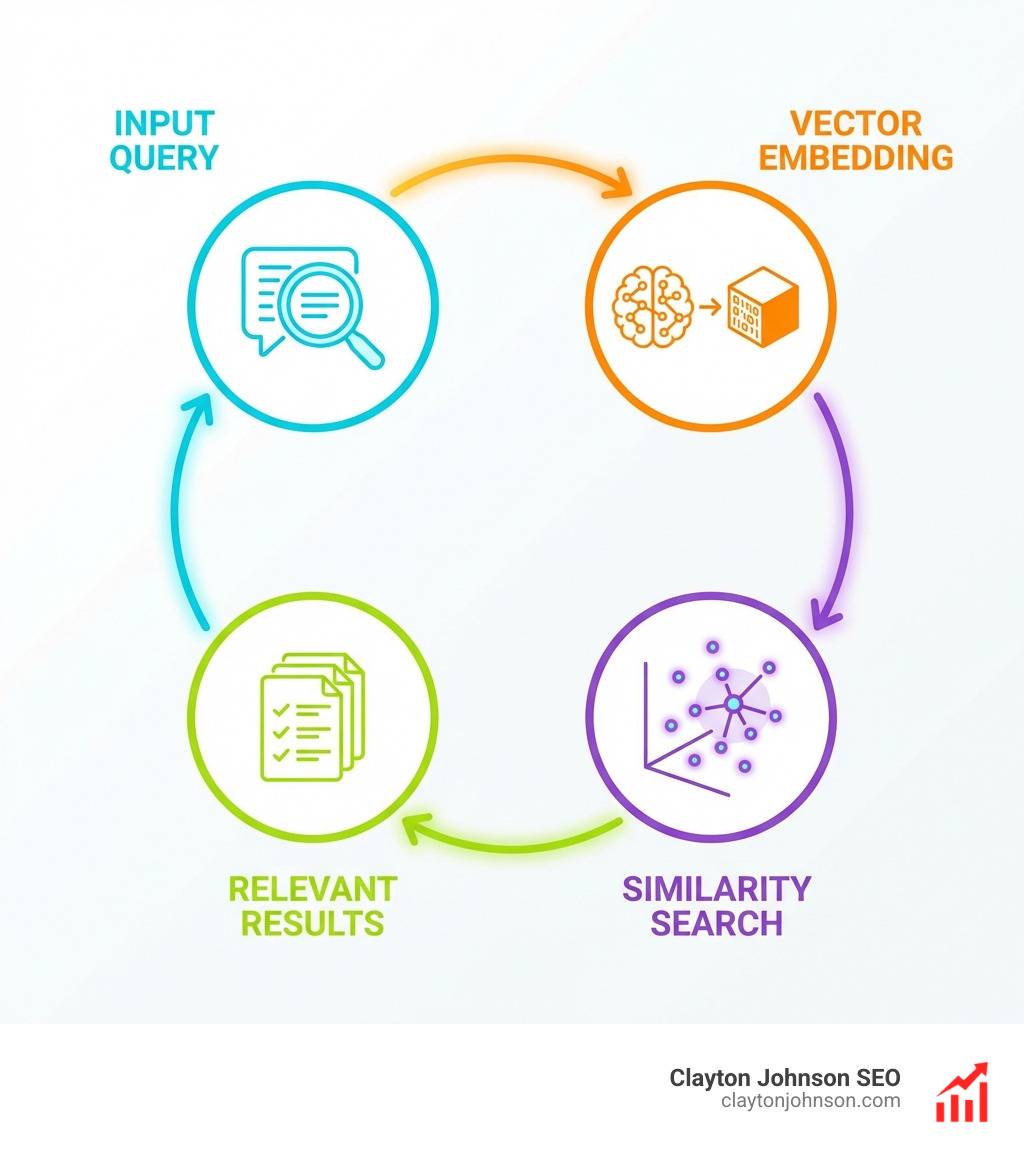
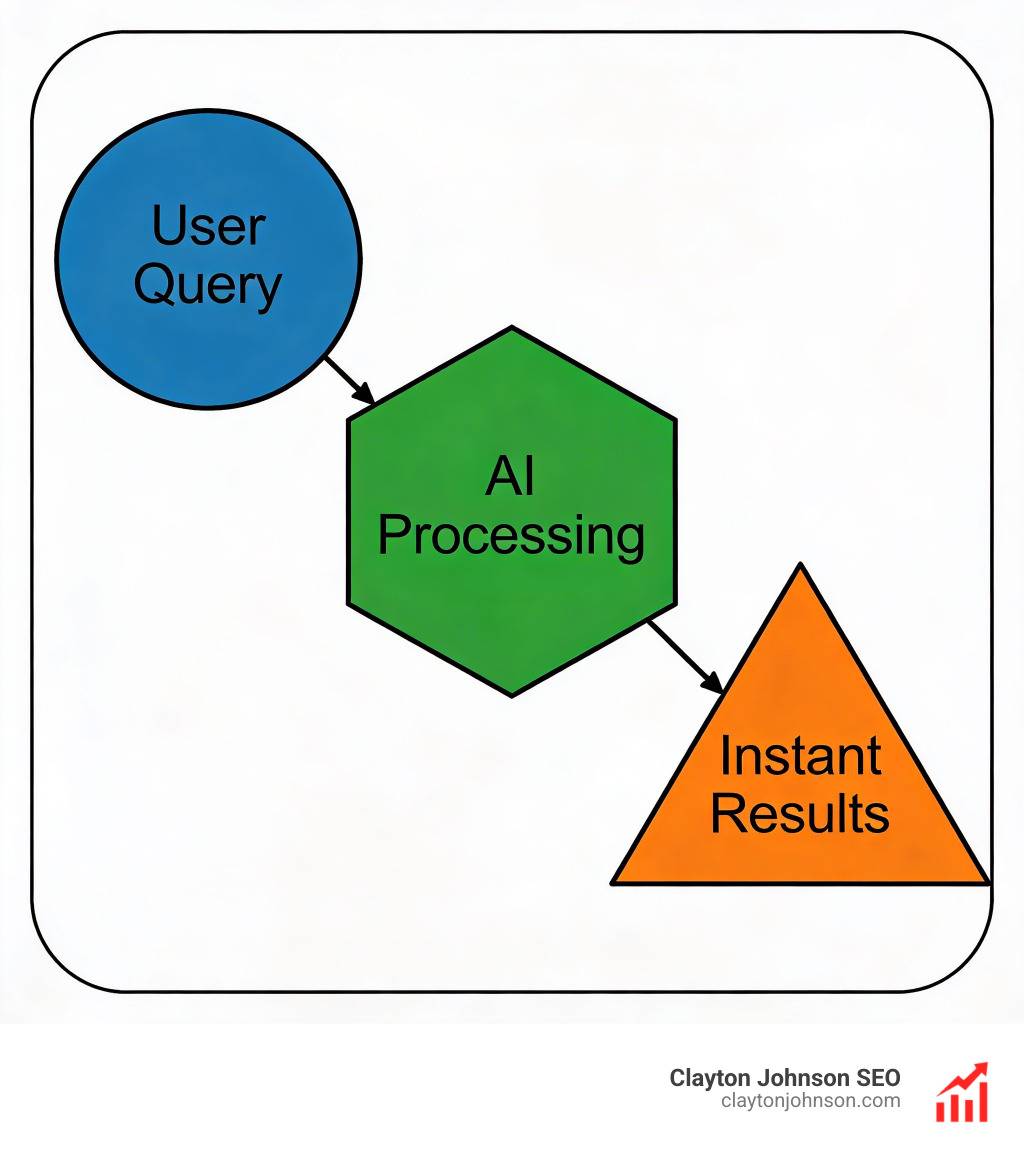
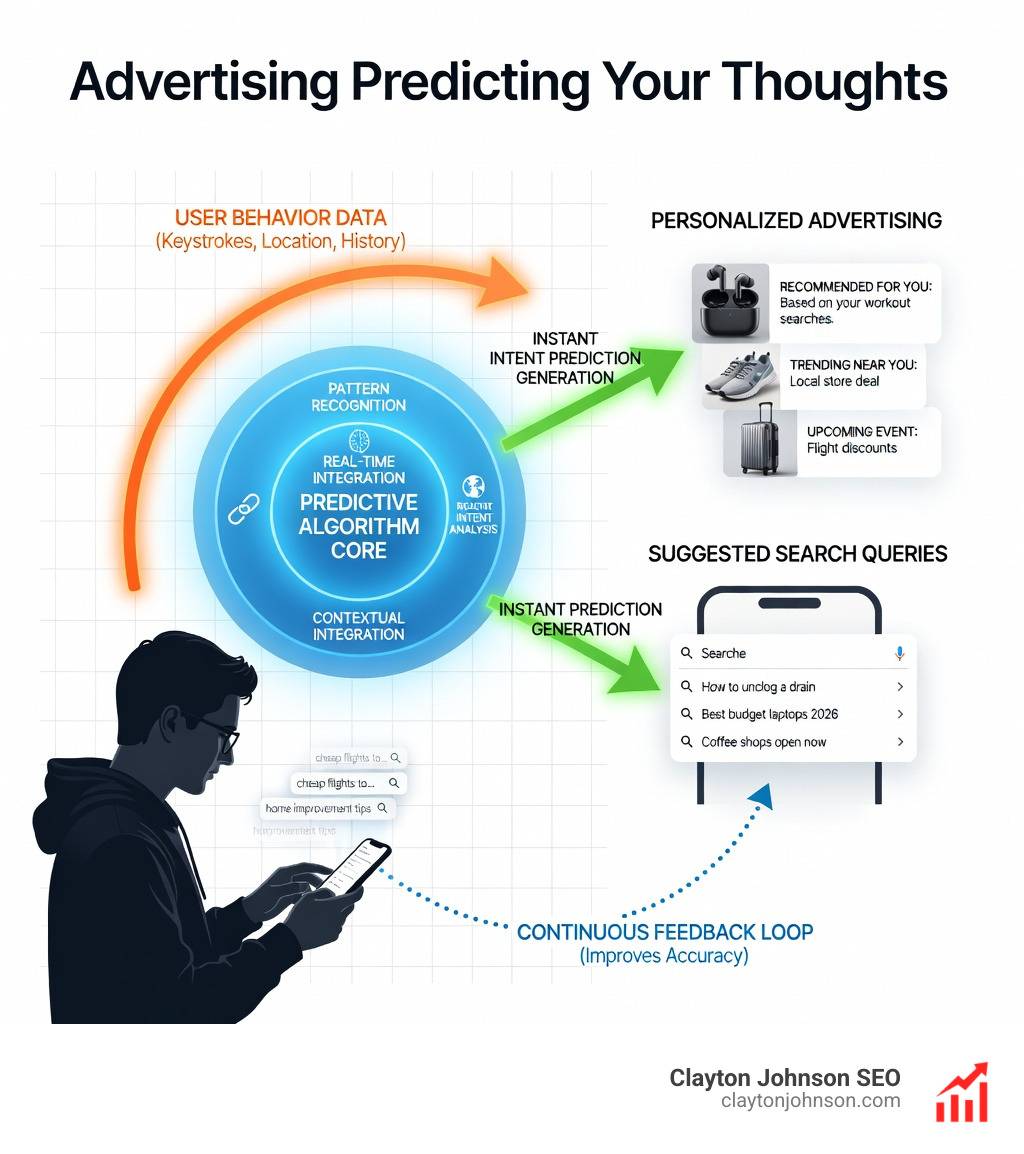
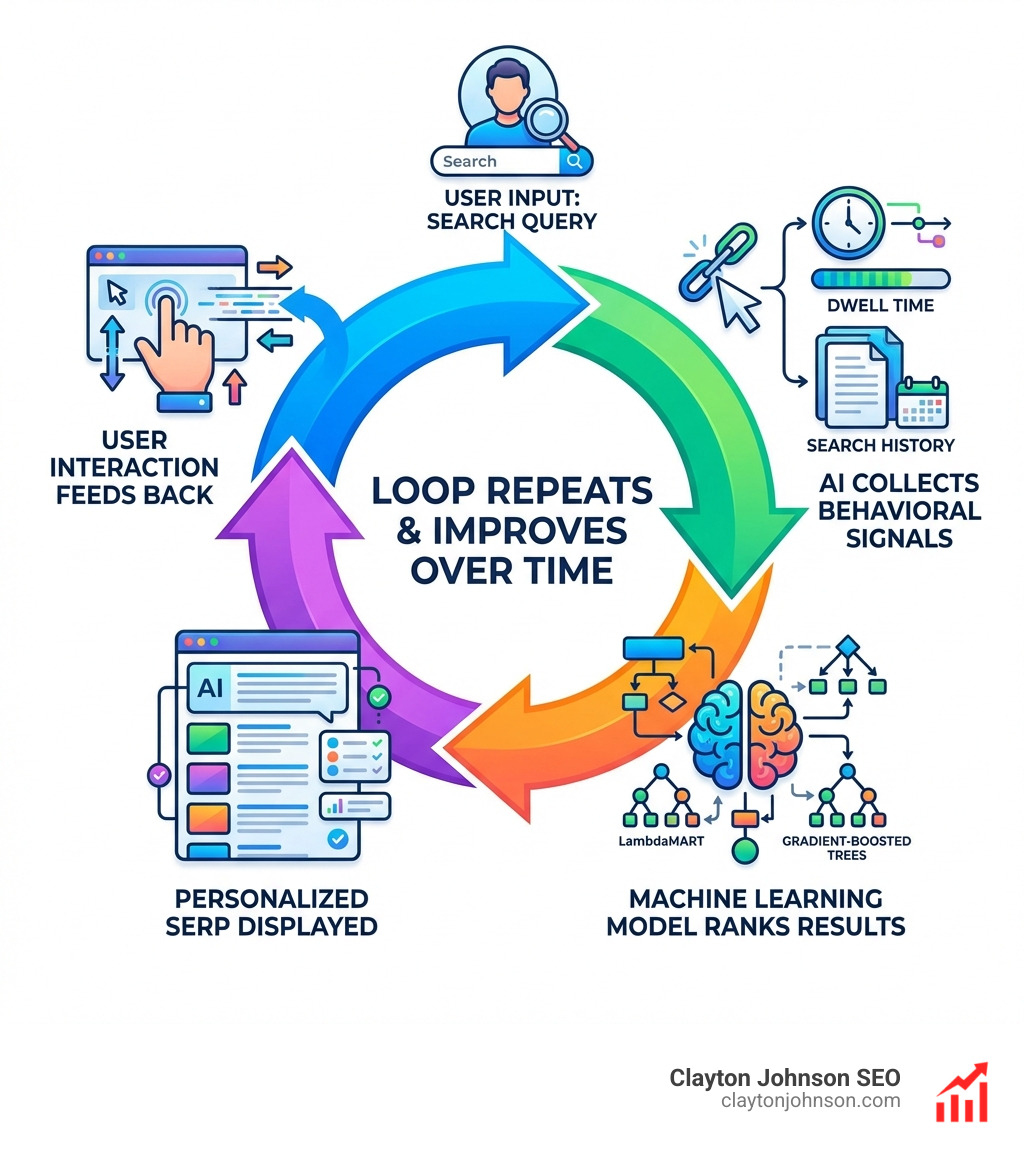
How AI personalizes SERPs works through a layered system of machine learning signals, user behavior data, and real-time ranking adjustments. Here is a quick breakdown:
- User data collection – Search history, clicks, dwell time, location, and device type are gathered continuously.
- Machine learning ranking – Algorithms like LambdaMART process hundreds of features to reorder results for each user.
- Intent matching – AI infers whether you want to buy, learn, or navigate, then adjusts the results accordingly.
- Feedback loop – Every interaction (click, scroll, return visit) refines future results for that user.
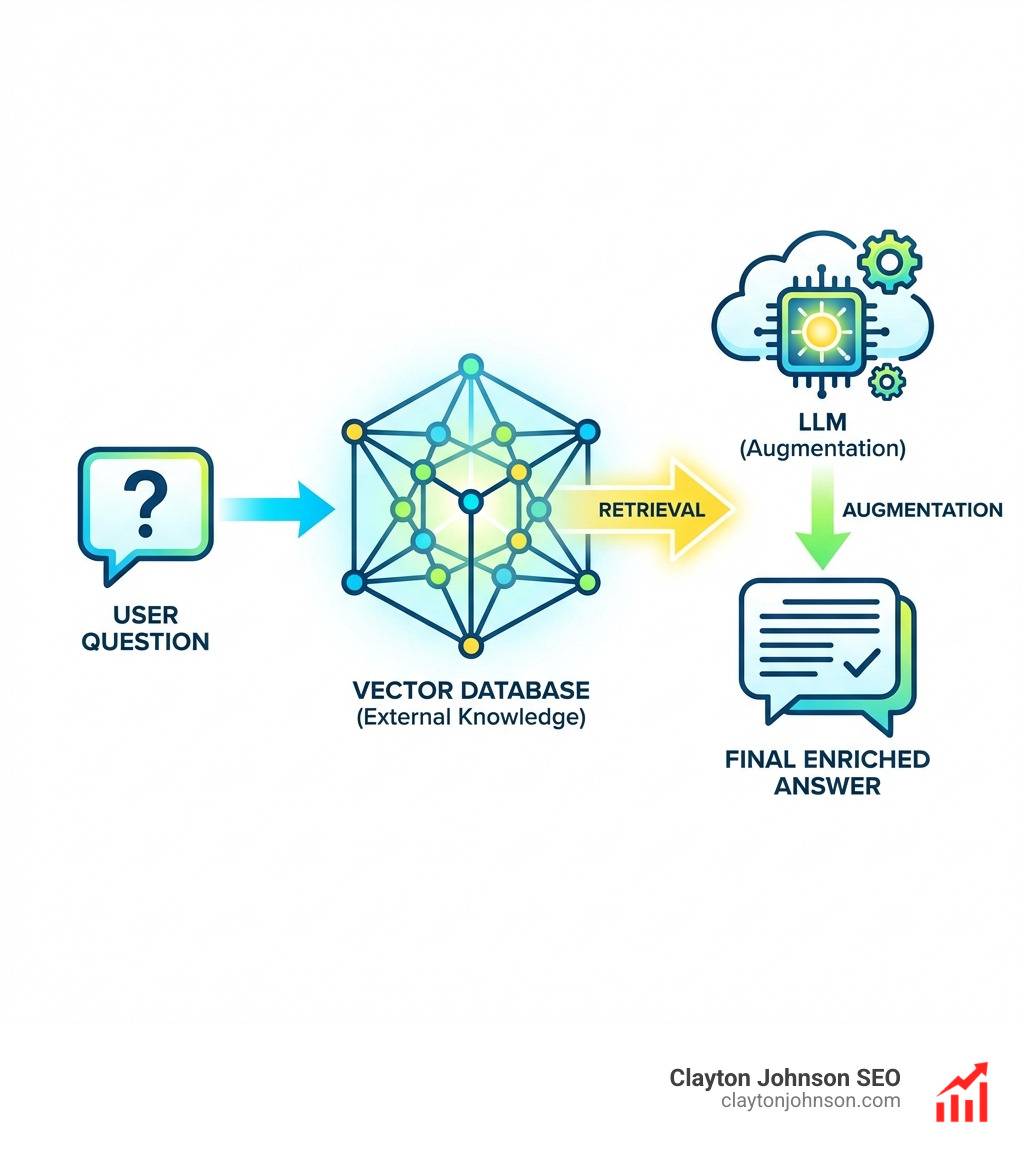
- Generative answers – AI Overviews and similar features now synthesize answers directly on the page, often before any organic links appear.
No two people see the same search results. Google’s own documentation confirms this. And it is not just about your location or language. AI is actively reordering results, surfacing different content blocks, and increasingly answering questions before you ever reach an organic listing.
Nearly 60% of searches now end without a click to any external website. That number is not a bug. It is a direct result of how aggressively AI has taken over the SERP.
For founders and marketing leaders, this changes the rules entirely. Rankings alone no longer tell the full story. What matters now is whether your brand is being understood, cited, and trusted by AI systems, not just indexed by them.
I’m Clayton Johnson, an SEO strategist who has spent years studying how search systems interpret user behavior and translate that into personalized ranking decisions, including how AI personalizes SERPs in ways that directly affect demand generation and brand visibility. This guide breaks down exactly how that system works and what you can do to build a strategy around it.
The Mechanics: How AI personalizes SERPs Using Machine Learning
To understand How AI personalizes SERPs, we have to look under the hood at the complex machine learning models that govern our digital experiences. Traditional search was a “link finder”—it looked for keywords on a page and checked how many other sites linked to it. Modern AI search is an “answer agent.”
Search engines now use advanced neural networks to process queries. This evolution began with milestones like RankBrain, which helped Google understand the intent behind unfamiliar phrases, and BERT, which allowed the system to understand the context of words in a sentence rather than looking at them as isolated strings.
According to scientific research on personalized ranking, the goal of these systems is to solve the problem of query ambiguity. For example, if we search for “Java,” are we looking for a vacation in Indonesia, a cup of coffee, or a programming language? AI uses our past behavior to make that call in milliseconds.

Understanding How AI personalizes SERPs with LambdaMART and Gradient Trees
The actual “ranking” happens through sophisticated algorithms like LambdaMART and gradient-boosted decision trees. These models are trained to optimize for a metric called Normalized Discounted Cumulative Gain (NDCG). In plain English, NDCG measures how good the ranking is based on where the most relevant results appear. If the best result is at the top, the score is high.
These algorithms use “feature selection” to decide which data points matter most for a specific query. They might look at 300 different features, ranging from your device’s battery level to the last three websites you visited. By using gradient trees, the AI can “learn” from errors. If a user clicks the fifth result instead of the first, the model adjusts its internal weights to reduce the Average Error in Rank of a Click (AERC).
Research shows that personalization can improve clicks to the top position by 3.5% and reduce the average ranking error by 9.43% over a standard baseline. For us as users, this means we find what we need faster. For us as SEO professionals, it means the “number one spot” is no longer a fixed target.
Data Signals: The Fuel for AI Personalization
AI cannot personalize without data. Every time we interact with a search engine, we are providing the “fuel” that powers the personalization engine. The primary signals include:
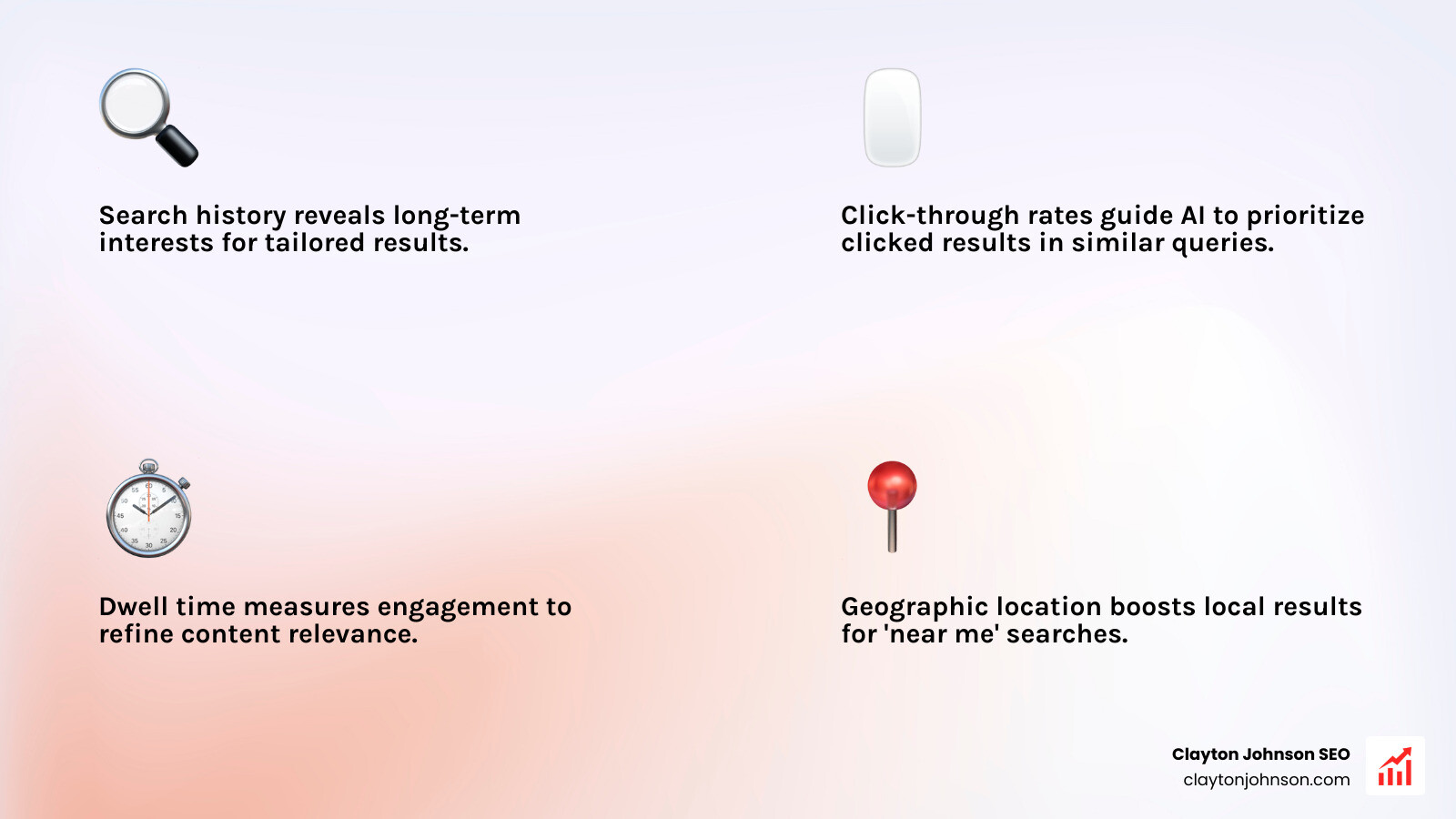
- Search History: What you have looked for in the past tells the AI about your long-term interests.
- Click-Through Rates (CTR): Which results you chose to click on previously for similar queries.
- Dwell Time: How long you stayed on a page before hitting the “back” button.
- Session Data: The sequence of searches you have performed in the last ten minutes.
- Geographic Location: Crucial for “near me” searches or local service providers in Minneapolis.
- Device Type: Whether you are on a high-end desktop or a mobile phone with a slow connection.
These signals help the AI build a “Personal Intelligence” profile. If we frequently visit technical blogs, the AI will prioritize in-depth documentation over beginner guides when we search for software terms.
Short-term vs. Long-term Personalization Effectiveness
There is a significant difference between “within-session” and “across-session” personalization. Within-session personalization looks at what you are doing right now. If your first search was “how to bake a cake” and your second was “best pans,” the AI knows you are looking for baking pans, not frying pans.
However, long-term history is often more powerful. Studies indicate that user-specific features (your long-term habits) generate more than 50% of the improvement seen from personalization. Interestingly, the benefits of personalization increase monotonically with the length of your search history. The more the AI knows you, the better it gets at serving you.
| Feature Type | Impact on Improvement (NDCG) | Description |
|---|---|---|
| User-Specific | 53% | Long-term history and preferences |
| Global Features | 33% | General popularity and site authority |
| Click Features | 28% | Historical interaction with specific URLs |
| Session Features | 4% | Immediate, short-term context |
The Evolution of Search: AI Overviews and Generative Engines
The landscape of How AI personalizes SERPs has shifted dramatically with the rise of Generative AI. We are no longer just seeing a list of blue links; we are seeing AI Overviews (formerly SGE), ChatGPT, and Perplexity. These platforms don’t just find information—they synthesize it.
This has led to a massive increase in “zero-click searches.” According to SparkToro’s zero-click study, up to 58.5% of U.S. Google searches now end without a click to any external website. Users get their answers directly from the AI-generated summary at the top of the page.
How AI personalizes SERPs for Navigational vs. Transactional Intent
The benefit of personalization depends heavily on why you are searching.
- Navigational Intent: If you search for “LinkedIn,” you probably just want to go to LinkedIn. Personalization adds very little value here because the goal is a specific destination.
- Informational Intent: If you search for “how to manage a remote team,” AI uses your professional context to decide if you need HR software or leadership tips. Sites appearing in these AI summaries can lose about 35% of their traditional traffic, but the clicks they do get are often much higher quality.
- Transactional Intent: This is where AI shines. If you are looking to buy a product, the AI considers your past brand preferences, price sensitivity, and location to show you the exact items you are likely to purchase.
About 94% of B2B buyers now use Large Language Models (LLMs) during their buying process, according to the Buyer Experience Report. They are using ChatGPT and Perplexity to research vendors before they ever talk to a salesperson.
Measuring Success in a Personalized Search World
Since every user sees something different, how do we measure SEO success? The old way was tracking “Average Position.” But if I am in position 1 for a CEO in Minneapolis and position 10 for a student in New York, that “average” of 5.5 is meaningless.
We must shift to “Persona-Based Analytics.” Instead of looking at raw traffic, we look at:
- Conversion-Weighted Visibility: Are we visible to the people most likely to buy?
- AI Platform Mentions: Is our brand being cited as a source in Google AI Overviews?
- Entity Strength: How clearly does the AI understand who we are and what we do?
Data from real-world studies shows that the first document in a personalized SERP is clicked 44.51% of the time, while the fifth is clicked only 5.56% of the time. This massive drop-off means that being “on the first page” isn’t enough—you have to be in the personalized “top of mind” for the AI.
Future-Proofing Your SEO for AI Personalization
To win in an AI-personalized world, we need to move beyond keywords and focus on “Growth Architecture.” At Clayton Johnson SEO, we focus on building authority-building ecosystems that AI models can easily digest.
- Entity Strength: Use Google Search Console and structured data to ensure search engines know exactly what your brand represents.
- Topic Clusters: Organize your content into deep, authoritative pillars. AI prefers to cite sources that show comprehensive knowledge of a subject.
- LLMS.TXT: Similar to a robots.txt file, this is a new way to provide specific instructions to Large Language Models on how to interpret your site.
- Brand Authority: 24% of CMOs now use AI tools to research vendors. If your brand isn’t being mentioned in Wynter’s B2B buyer research or industry whitepapers, you won’t show up in personalized summaries.
The goal is to move from being a “result” to being a “reference.” When the AI synthesizes an answer, you want your brand to be the one it trusts to provide the facts. You can find more info about AI search strategies to help you navigate this transition.
Frequently Asked Questions about AI Personalization
Can I turn off SERP personalization?
Yes, users have several privacy controls. You can go to your data and privacy controls to delete stored activity. To stop future personalization, you can turn off Personalize Search in your Google account or use Search customization settings while signed out. Using Incognito mode also provides a “cleaner” version of the SERP, though it still considers your location and device type.
Does personalization affect SEO rankings?
Absolutely. Personalization creates “ranking variability.” This means there is no longer a single “universal” rank for most keywords. Your visibility depends on the user’s brand affinity and past interactions with your site. If a user has visited your site before and had a high dwell time, you are much more likely to appear at the top of their personalized results in the future.
How does AI know my search intent?
AI uses semantic understanding and natural language processing to look past the words you typed. It analyzes “contextual signals” like the time of day, your previous three searches, and even multi-step reasoning. If you search for “how to fix a leak” followed by “plumbers,” the AI knows you have moved from a “DIY” intent to a “transactional” intent and will prioritize local business listings in Minneapolis.
Conclusion
The way How AI personalizes SERPs is a double-edged sword. It makes life easier for users by cutting through the noise, but it makes the job of a marketer more complex. We can no longer rely on simple tactics; we need a structured growth architecture.
At Clayton Johnson SEO, we help solve this exact problem. Most companies do not lack tactics, they lack a structured growth architecture that holds up when search results keep shifting. By focusing on competitive positioning, content architecture, and AI-augmented workflows, we help brands build compounding growth that traditional SEO often misses.
Clarity leads to structure, and structure leads to leverage!