How Claude handles loops without getting dizzy

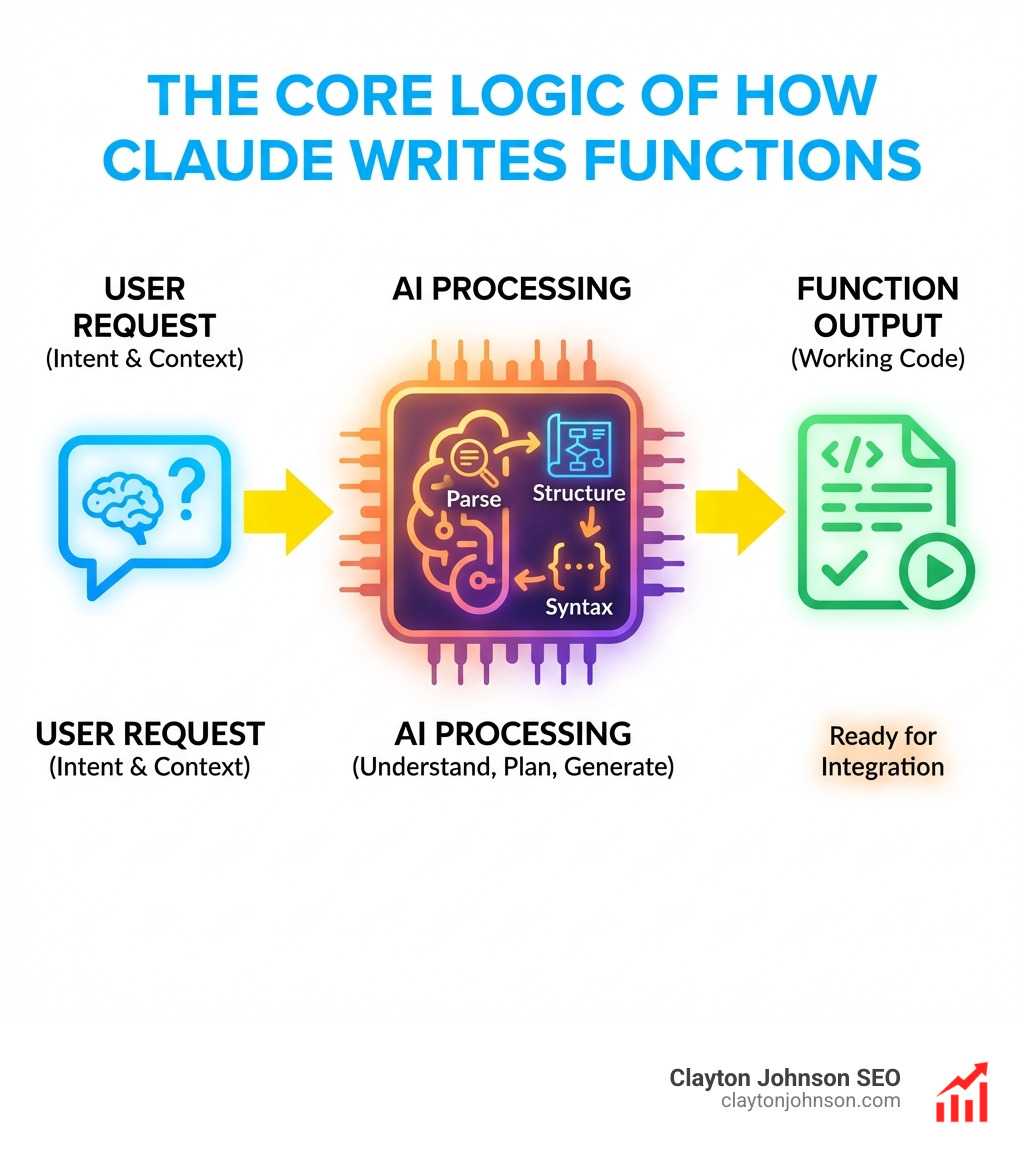
At its heart, Claude doesn’t just “spit out” code; it follows a rigorous logic rooted in the DRY (Don’t Repeat Yourself) principle. When we look at How Claude writes functions, we see a heavy emphasis on encapsulation. Claude breaks down complex problems into logical units that are easy to test and maintain.
According to Anthropic’s guide on how to create a function in Python, the model prioritizes clarity. It starts with the def keyword, but quickly moves into ensuring the function has a single, clear responsibility. This is a core part of Claude AI coding 101, where the focus shifts from just “making it work” to “making it sustainable.”
Structuring Parameters and Return Values
Claude is particularly adept at handling how data enters and leaves a function. We’ve observed that it consistently follows these patterns:
- Positional Parameters: Always placed before default values to avoid syntax errors.
- Default Values: Used to make functions flexible without requiring every argument for every call.
- Multiple Returns: Claude frequently uses tuple packing and unpacking, allowing a single function to return multiple pieces of data (like an average, a minimum, and a maximum) simultaneously.
This structured approach is part of the complete guide to Claude’s coding workflow, ensuring that the interface of the function—the “contract” it makes with the rest of your code—is robust.
Handling args and *kwargs for Flexibility
When a function needs to handle an unknown number of inputs, Claude reaches for *args (positional arguments collected into a tuple) and **kwargs (keyword arguments gathered into a dictionary). This is vital for building wrappers or middleware where you might not know exactly what the underlying function requires. Claude’s logic ensures these are placed correctly in the function signature to maintain Python’s strict parameter ordering.
Advanced Techniques and Performance Optimization
Beyond basic definitions, Claude excels at advanced Pythonic patterns. It doesn’t just write a function; it optimizes it. Whether it’s using decorators for logging or creating anonymous lambda functions for quick data transformations, Claude’s output reflects a deep understanding of functional programming.
How Claude writes functions with Memoization
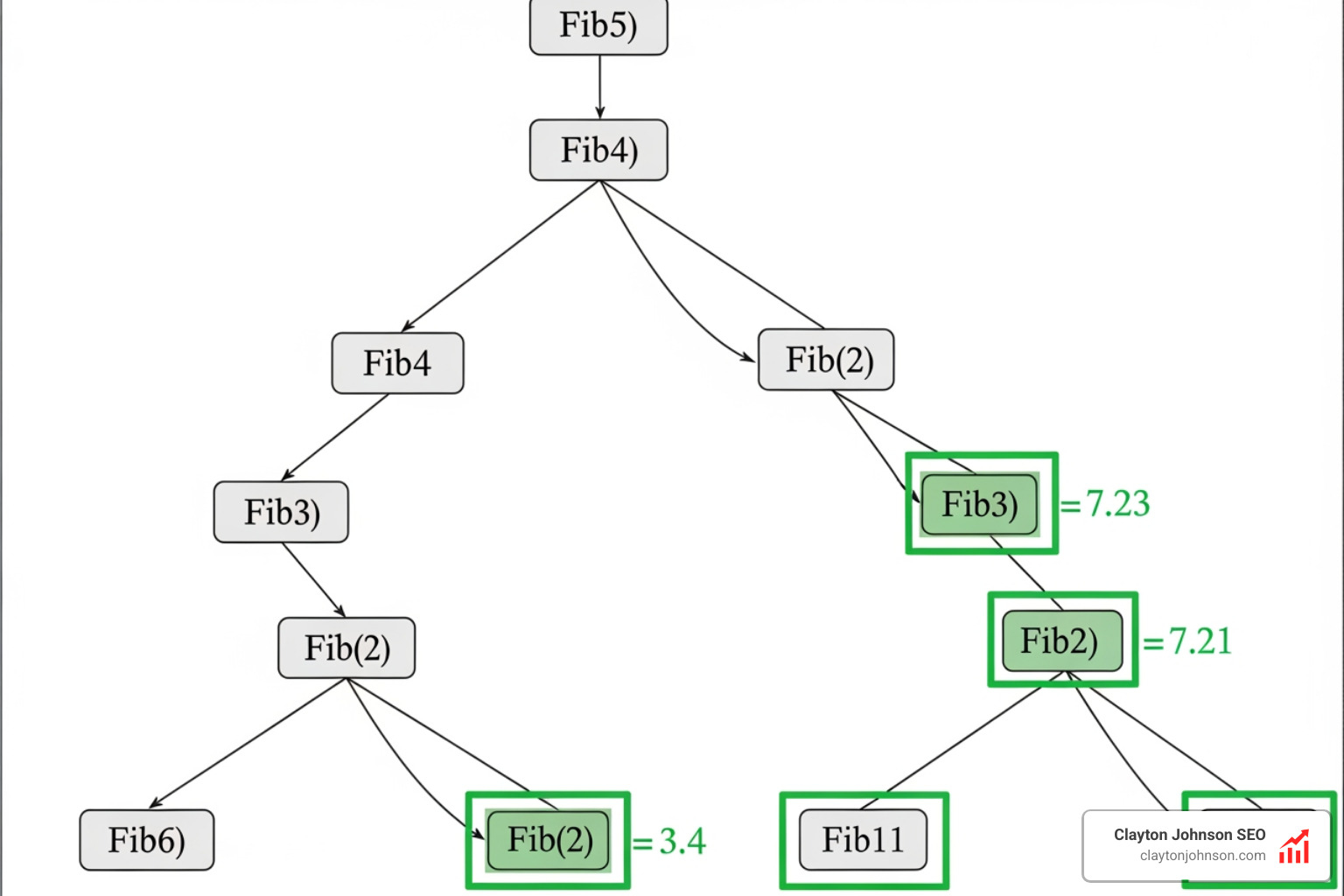
Recursive functions are notorious for “getting dizzy”—or more accurately, causing stack overflows. When Claude implements a recursive solution (like a Fibonacci sequence generator), it often suggests memoization.
By using a dictionary to cache the results of expensive sub-problems, Claude transforms a function with exponential time complexity into one with linear complexity. This ensures that even deeply nested logic remains performant. You can see this in action when mastering the Claude AI code generator, where efficiency is a top-tier priority.
Avoiding Common Pitfalls and Scope Issues
One of the most impressive aspects of How Claude writes functions is its defensive programming. Claude is programmed to avoid the “Mutable Default Argument” trap.
If you ask for a function that appends items to a list, Claude won’t use def add_item(item, my_list=[]). It knows that in Python, that list is created once at definition time and shared across all calls. Instead, Claude uses None as the default and initializes the list inside the function body. It also handles scope issues gracefully, explicitly using the global keyword only when necessary to avoid UnboundLocalError. These “safety first” habits are covered extensively in our Claude AI code completion guide.
The Claude Code Workflow: From Research to Implementation
When using the “Claude Code” agentic tool, the process of writing a function becomes even more disciplined. It doesn’t just write code in a vacuum; it follows a specific lifecycle:
- Research: It reads your files to understand existing patterns.
- Planning: It creates a
plan.mdfile. - Annotation: You provide feedback on the plan.
- Implementation: It writes the code only after the architecture is approved.
How Claude writes functions for Large Codebases
Handling an 18,000-line React component isn’t just about writing a small helper; it’s about understanding “shared state” and complex component relationships. Claude Code succeeds here because it manages the “context window” better than any other tool. It doesn’t get overwhelmed by the sheer volume of code; it uses its research phase to map out the architecture before touching a single line. This is a key focus of our Claude AI code generation and review guide.
Testing and Error Handling Best Practices
Claude is a firm believer in Test-Driven Development (TDD). In many workflows, Claude will actually suggest writing a failing test first. When it implements the function, it wraps risky operations in try-except blocks and provides meaningful error messages. This ensures that the functions it writes don’t just work in the “happy path”—they are resilient to real-world failures. For those looking to set this up, we recommend you integrate Claude with VS Code to see these tests run in real-time.
Scaling with Tool Search and Programmatic Tool Calling
As agents become more complex, they need to access hundreds of potential functions. Loading all of these into the model’s memory at once is expensive and confusing. Claude solves this with two major features:

| Feature | Traditional Tool Use | Programmatic Tool Calling |
|---|---|---|
| Token Usage | High (loads all tools) | Low (loads only what’s needed) |
| Accuracy | 49% (on complex tasks) | 74% – 88% |
| Orchestration | Natural language steps | Python-based logic |
| Best For | Simple, one-off calls | Complex, multi-step workflows |
The Tool Search Tool allows Claude to discover functions on-demand. Instead of loading 100 tool definitions, it searches for the right one. Furthermore, Programmatic Tool Calling allows Claude to write Python code that orchestrates multiple tools in a sandbox, reducing token usage by 37%.
Improving Accuracy with Tool Use Examples
JSON schemas are great, but they don’t always capture the “vibe” of how a function should be used. Claude uses “Tool Use Examples” to bridge this gap. By providing 1-5 concise examples of correct input/output patterns, accuracy for complex parameter handling jumps from 72% to 90%. This is why Documentation for Tool Use Examples is essential reading for anyone building AI agents.
Orchestrating Complex Workflows
When Claude writes an orchestration function, it creates a “control loop.” It can execute code, check intermediate results, and decide the next step—all within a secure sandbox. This makes it a “mechanical executor” that can handle data processing tasks that would overwhelm a model trying to do everything in natural language.
Customizing Logic with CLAUDE.md and Agent Skills
To ensure Claude writes functions that match your specific style, it uses “persistent context.” By placing a CLAUDE.md file in your project root, you can define guardrails, such as “always use pnpm” or “never use the ‘any’ type in TypeScript.” This acts as a permanent memory for your coding standards. For a deeper dive, check out the complete Claude skill pack.
Leveraging MCP for Domain-Specific Functions
The Model Context Protocol (MCP) is a game-changer for How Claude writes functions. It allows Claude to connect to external data sources like Jira, Slack, or Google Drive. Instead of you copy-pasting data, Claude uses MCP to fetch the information it needs to write a function that interacts with those services. You can learn more at the Model Context Protocol Intro.
Building Specialized Agents with Skills
“Skills” are filesystem-based resources that provide Claude with domain-specific expertise. Unlike a simple prompt, a Skill can include entire scripts and reference docs that Claude loads only when needed. This “progressive disclosure” architecture means Claude can have “unlimited” knowledge without hitting a context limit. If you want to build your own, we have a guide on how to extend Claude with custom agent skills.
Frequently Asked Questions about Claude’s Function Logic
How does Claude handle mutable default arguments?
Claude avoids using lists or dictionaries as defaults, instead using None and initializing inside the function to prevent shared state bugs. This ensures that every time the function is called, it starts with a fresh, empty data structure rather than one modified by previous calls.
Can Claude update files larger than 10,000 lines?
Yes, Claude Code has successfully updated 18,000-line React components by navigating complex relationships and shared state that other AI tools struggle to process. It achieves this by using a multi-phase research and planning workflow that maps out the file’s dependencies before making edits.
What is the difference between Skills and MCP?
Skills are filesystem-based resources that provide domain-specific instructions and scripts for Claude to use within a specific environment. MCP (Model Context Protocol) is a standardized protocol for connecting Claude to external services, databases, and third-party APIs like GitHub or Jira.
Conclusion
At Clayton Johnson SEO, we believe that How Claude writes functions represents the future of software engineering: structured growth through intelligent architecture. Just as we build Demandflow.ai to provide founders with a “growth operating system,” Claude provides developers with a “coding operating system.”
By moving away from chaotic, iterative prompting and toward a structured research-plan-implement cycle, we achieve clarity and leverage. This doesn’t just result in code that works; it results in code that scales. If you’re ready to build a compounding growth engine for your brand, explore our SEO Content Marketing Services and see how structured strategy can transform your results.