AI for Keyword Research: Why Your Human Brain Needs a Digital Sidekick


The Fastest Way to Master AI for Keyword Research
AI for keyword research uses machine learning and natural language processing to discover, cluster, and prioritize keywords faster and more strategically than any manual process can.
Here is how it works at a glance:
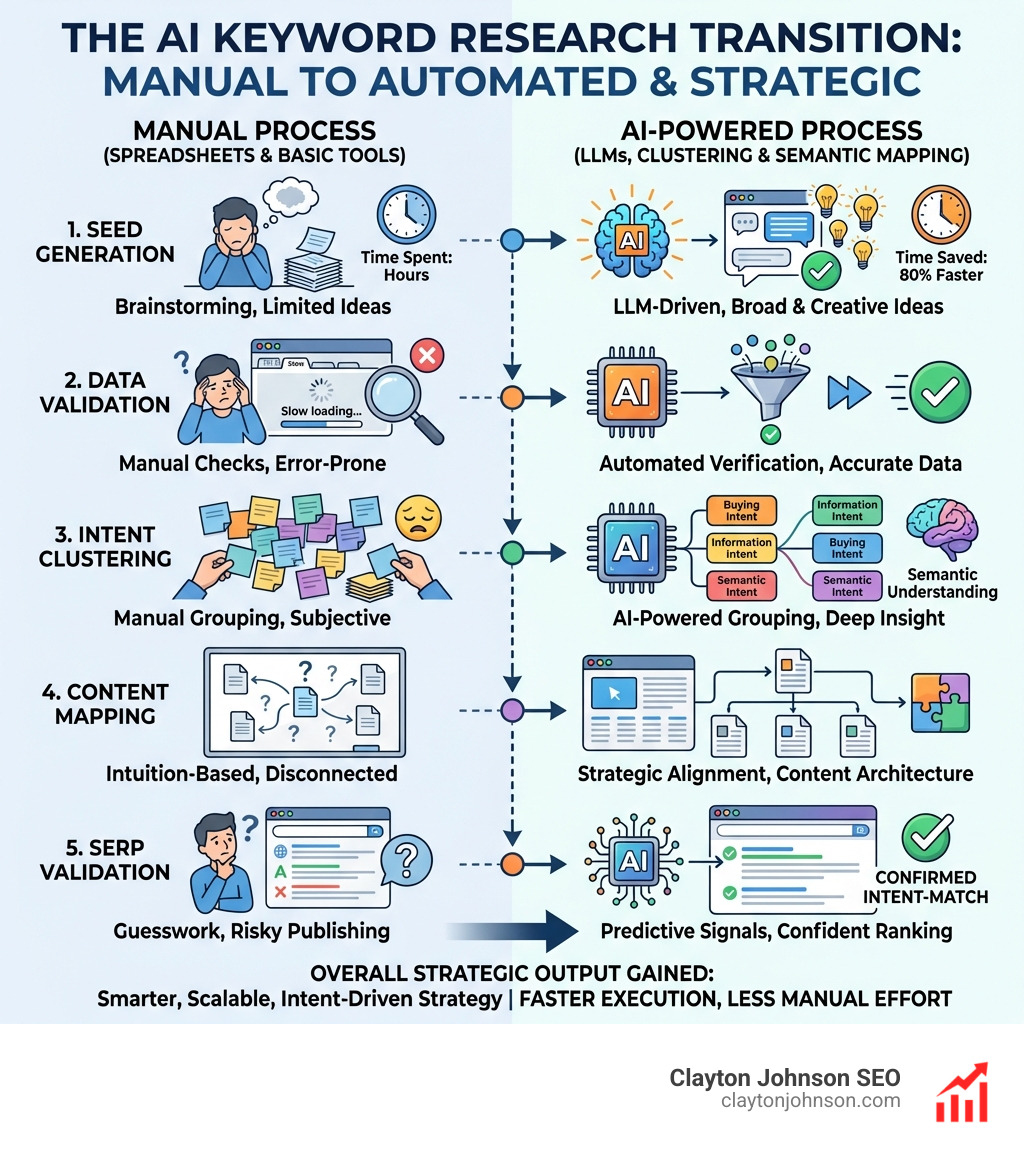
- Generate seed ideas using an LLM like ChatGPT or Claude
- Expand and validate with tools like Semrush, Ahrefs, or Moz Pro
- Cluster by intent using AI-powered grouping instead of manual spreadsheets
- Map to content by aligning clusters to pillar pages and supporting articles
- Validate against SERPs to confirm intent alignment before publishing
- Monitor and refresh using predictive signals and performance data
Be honest: how many hours have you lost buried in spreadsheets, sorting thousands of keywords by hand?
The problem is not effort. The problem is scale. An estimated 15% of daily searches are brand new queries with zero historical data. Manual research cannot keep up. And with over 60% of Google searches ending without a click, chasing raw search volume alone is a losing game.
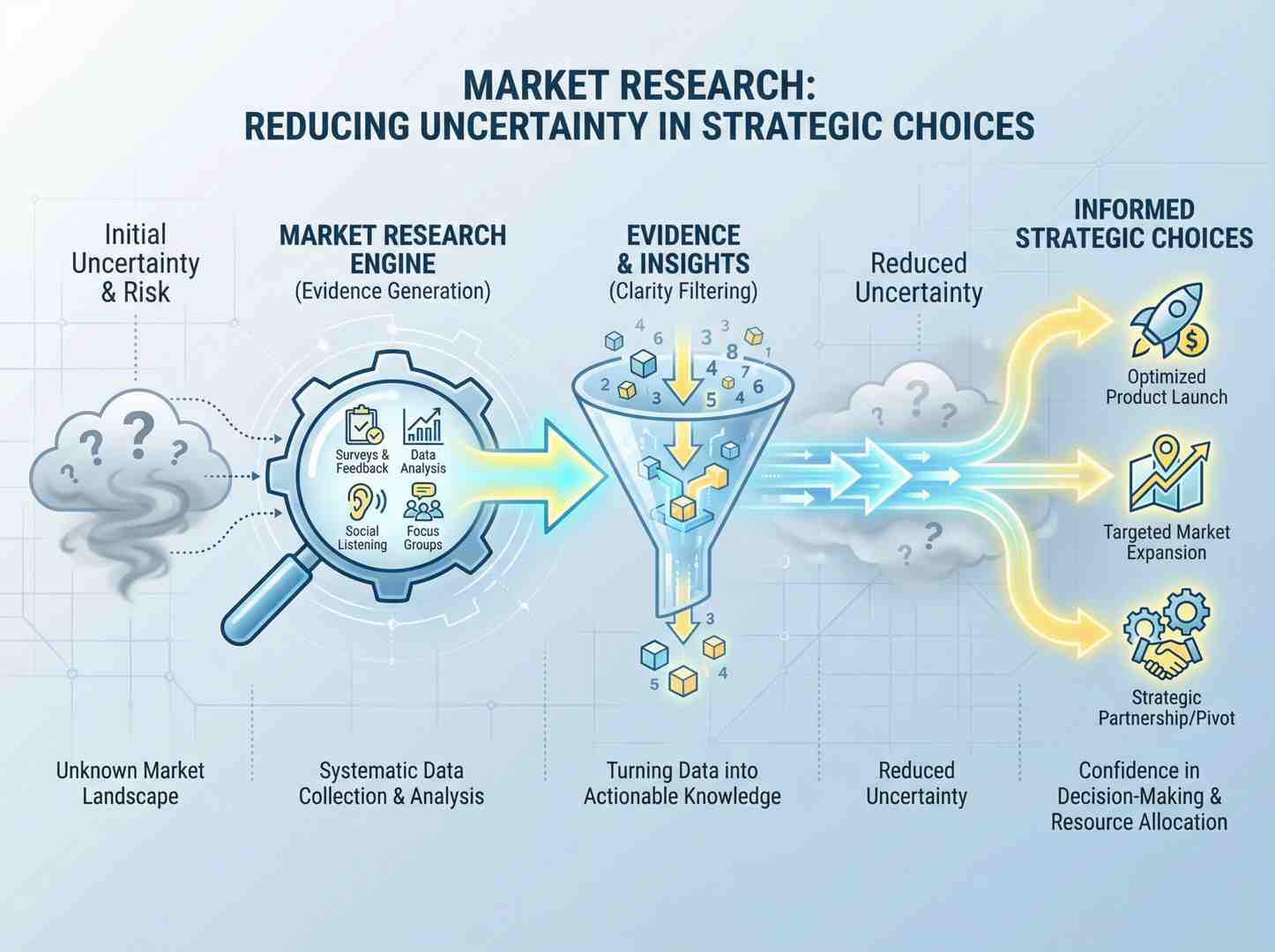
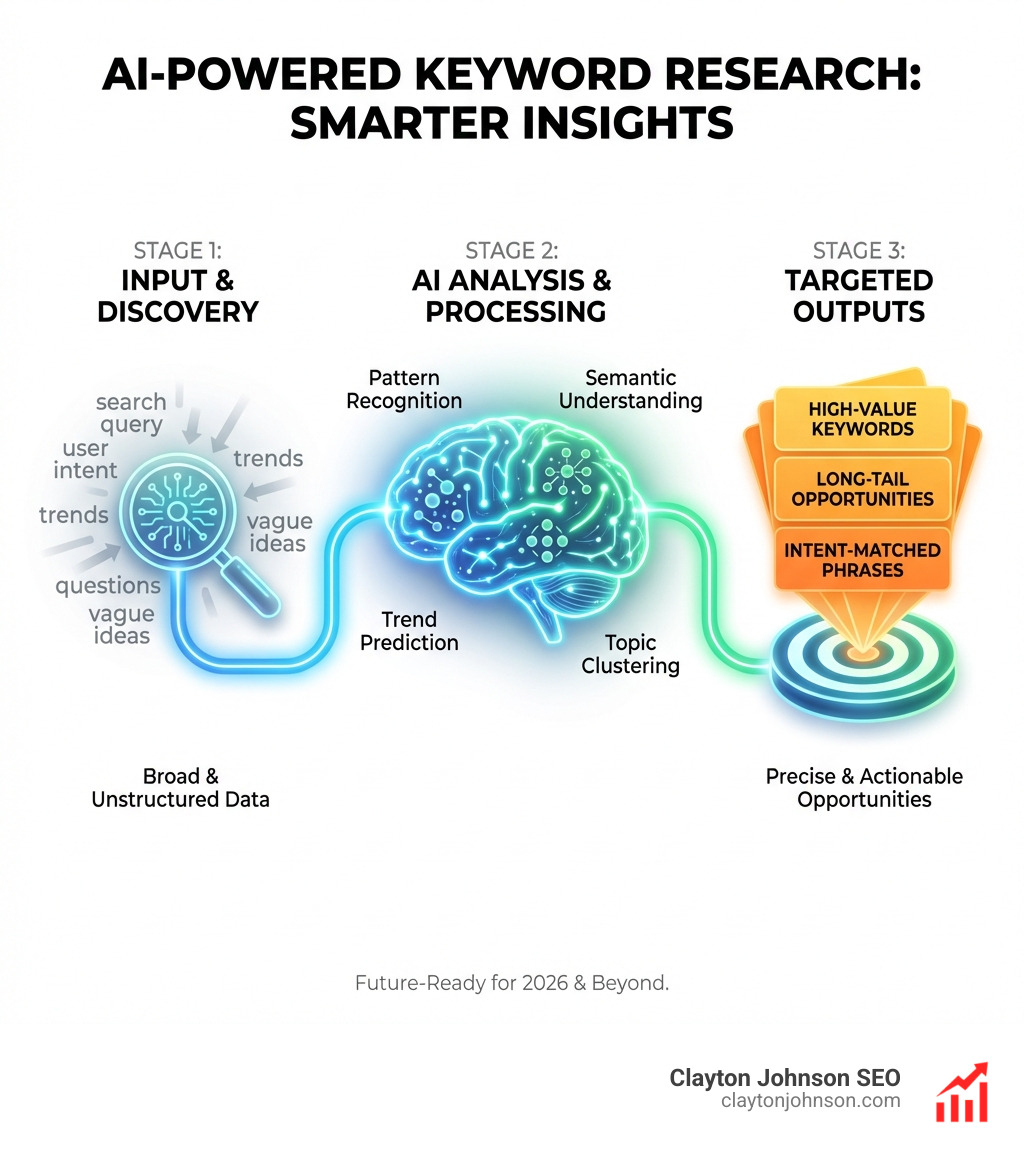
AI changes the equation entirely. It compresses keyword research from hours into minutes by analyzing billions of queries, SERP patterns, and semantic relationships that no human team could process manually. The result is not just faster research — it is smarter research, built around intent, topics, and entities rather than isolated keywords.
This guide is for founders and marketing leaders who want to stop doing keyword research tactically and start doing it systemically.
I’m Clayton Johnson, an SEO strategist and growth operator who specializes in AI-augmented marketing workflows and scalable content architecture. I have used AI for keyword research across dozens of growth systems, and this guide reflects what actually works — not theory, but repeatable process.
Handy ai for keyword research terms:
- AI SEO strategy framework
- AI content optimization guide
- SEO AI workflow automation
The Strategic Shift to AI for Keyword Research
Traditional SEO was a game of “string matching.” You found a word, you looked at its volume, and you tried to mention it enough times to convince a search engine you were relevant. Today, search engines like Google use sophisticated AI models—think BERT and RankBrain—to understand the concept behind the query.
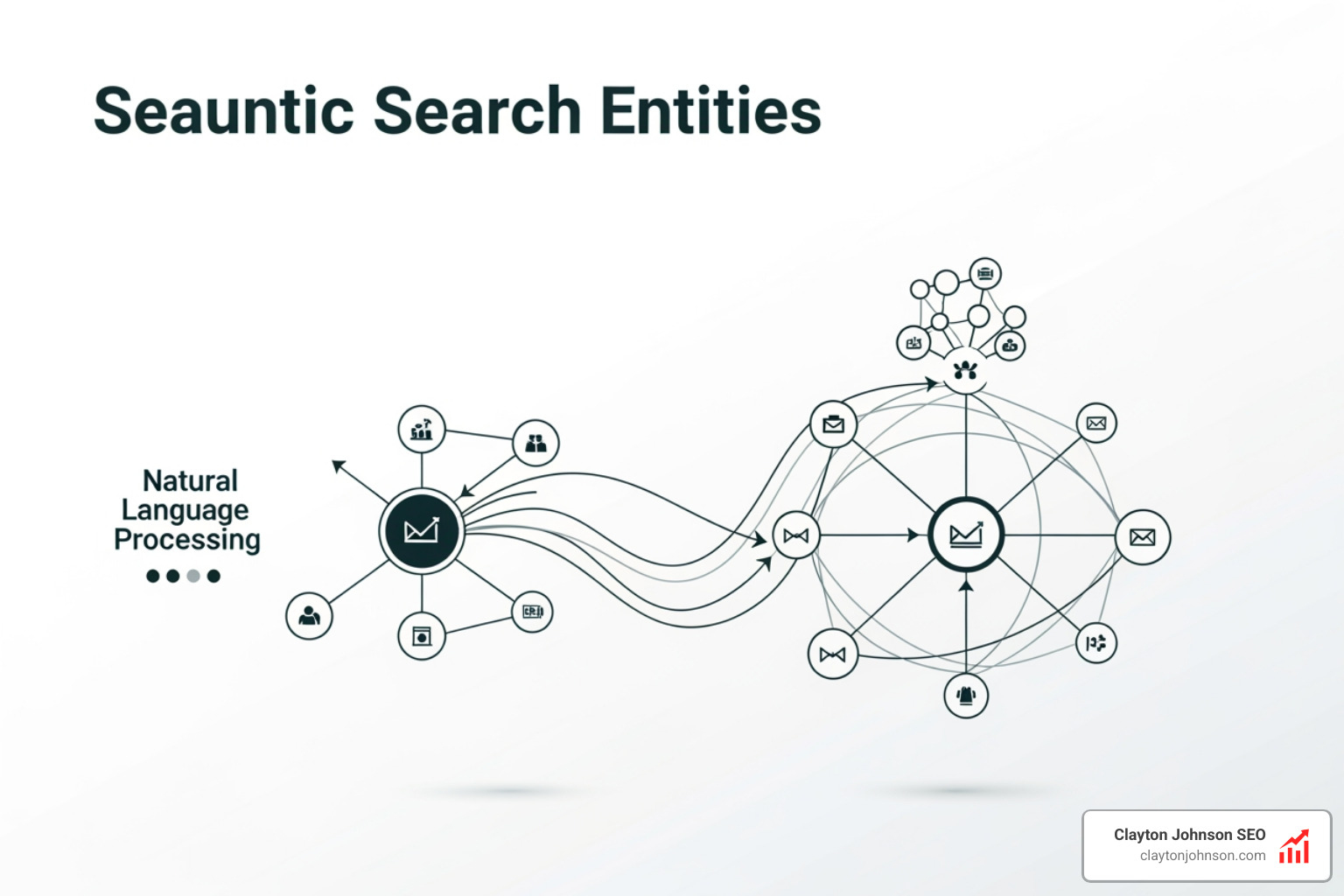
This shift from strings to things means we must change how we research. AI for keyword research allows us to align our content with how modern search engines actually process information. By leveraging machine learning, we can identify semantic relationships that aren’t immediately obvious. While Google Keyword Planner remains a staple for PPC volume, it lacks the depth required for modern organic SEO strategy.
To truly understand the academic foundations of how these systems work, resources like Stanford’s Information Retrieval Textbook explain the core concepts of vector search and clustering that now power our favorite SEO tools.
Using LLMs for AI for Keyword Research Ideation
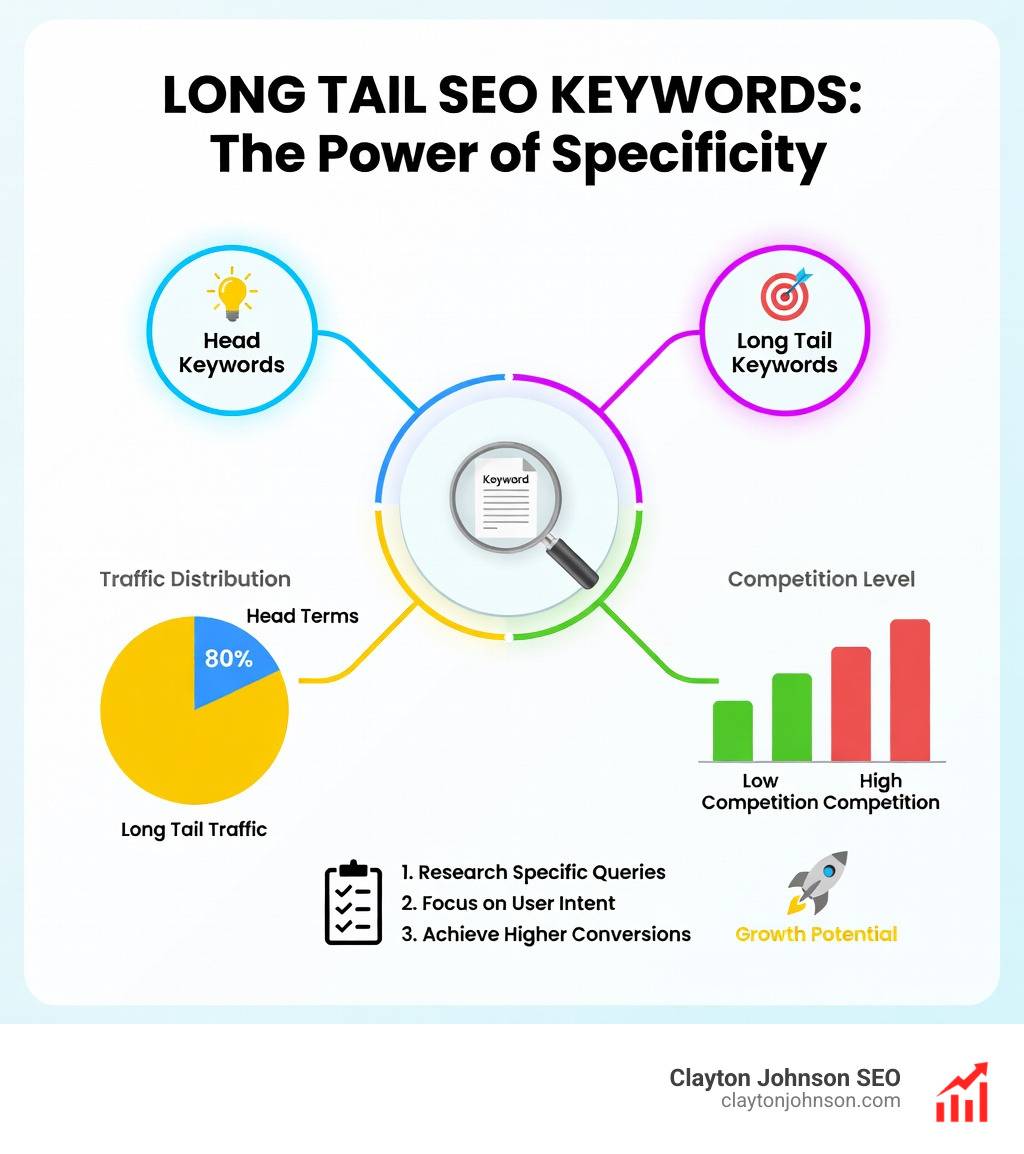
Large Language Models (LLMs) like ChatGPT, Claude, and Gemini have become our primary brainstorming partners. They are exceptional at discovering “Zero Search Volume” (ZSV) keywords—those long-tail, highly specific queries that traditional tools often miss because they haven’t gathered enough historical data yet.
When we use ChatGPT for ideation, we aren’t just asking for a list. We are asking it to step into the shoes of our customer persona. By providing a seed keyword, we can prompt the AI to:
- Identify the underlying pain points of the searcher.
- Generate conversational queries people ask in Reddit threads or support logs.
- Brainstorm semantically related topics that build a comprehensive SEO content marketing strategy.
Validating Data with AI for Keyword Research Software
Ideation is only half the battle. AI can hallucinate, and it doesn’t have real-time access to the exact search volumes or difficulty scores found in proprietary databases. This is where dedicated software like Semrush, Ahrefs, and Moz Pro comes in.
These tools have integrated AI to provide more personalized metrics. For instance, Semrush now offers Personal Keyword Difficulty (PKD%). This metric uses LLMs to create a thematic vector map of your domain. It measures the “distance” between your existing content and the target keyword. If you have high topical authority in a specific area, your PKD% will be lower than the general KD%, signaling a “striking distance” opportunity.
Why Manual Spreadsheets are Obsolete
The era of the “SEO Spreadsheet Grind” is over. In the past, an SEO professional might spend 60% of their time just cleaning data. Today, that is a massive waste of resources.
With over 60% of searches resulting in zero clicks, we are no longer just fighting for a blue link; we are fighting for visibility in Google AI Overviews and ChatGPT responses. This is known as Answer Engine Optimization (AEO).
Manual spreadsheets cannot account for the sheer volume of data required to win in an AEO world. Tools like Semrush and Ahrefs provide instant, data-driven insights that allow us to scale. When you work with an SEO consultant, you aren’t paying for someone to sort rows in Excel; you’re paying for the strategic architecture that only AI-scale data can provide.
The Step-by-Step AI SEO Workflow
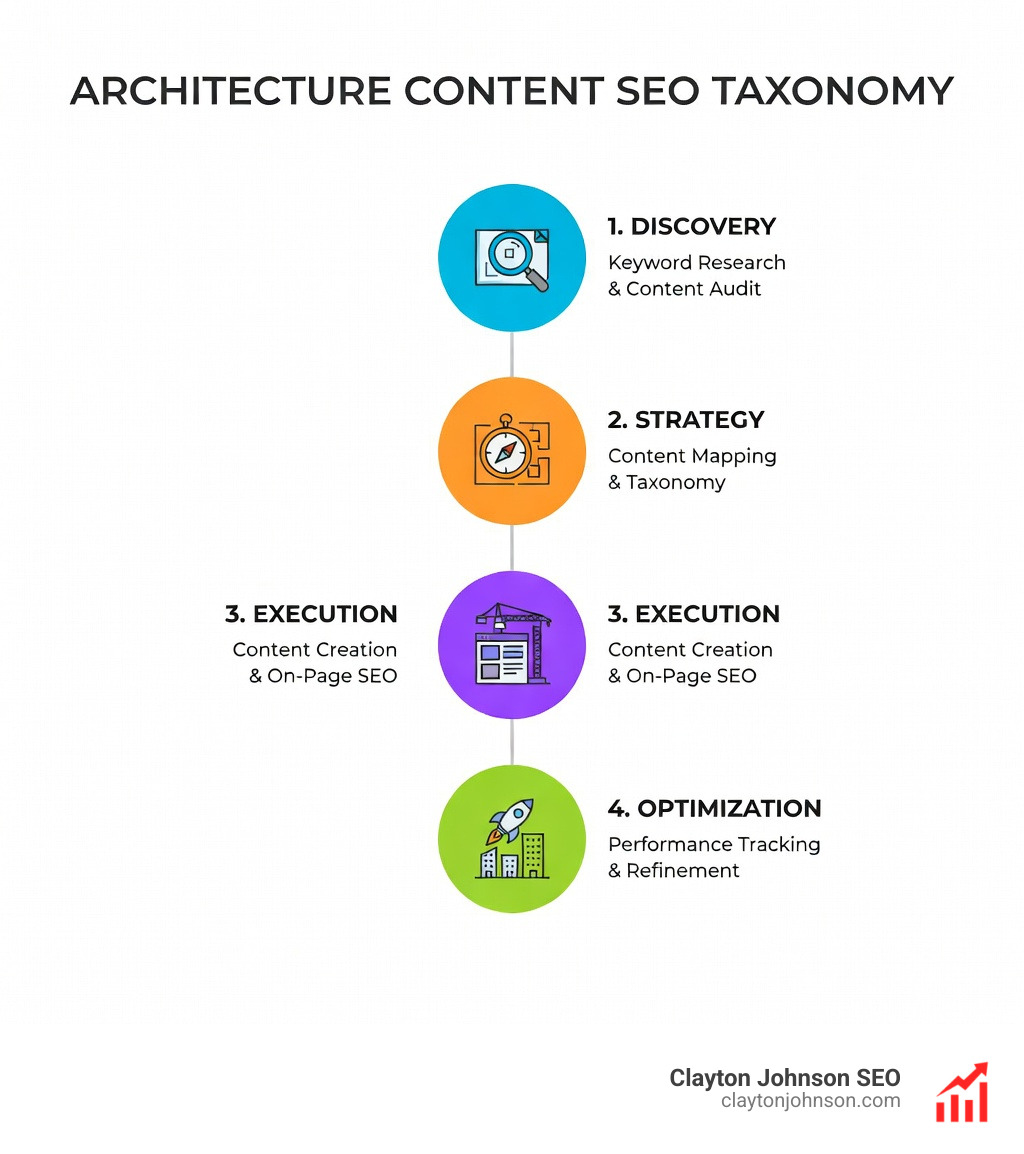
To move from “guessing” to “growing,” we use a structured architecture. We call this the Demandflow approach.
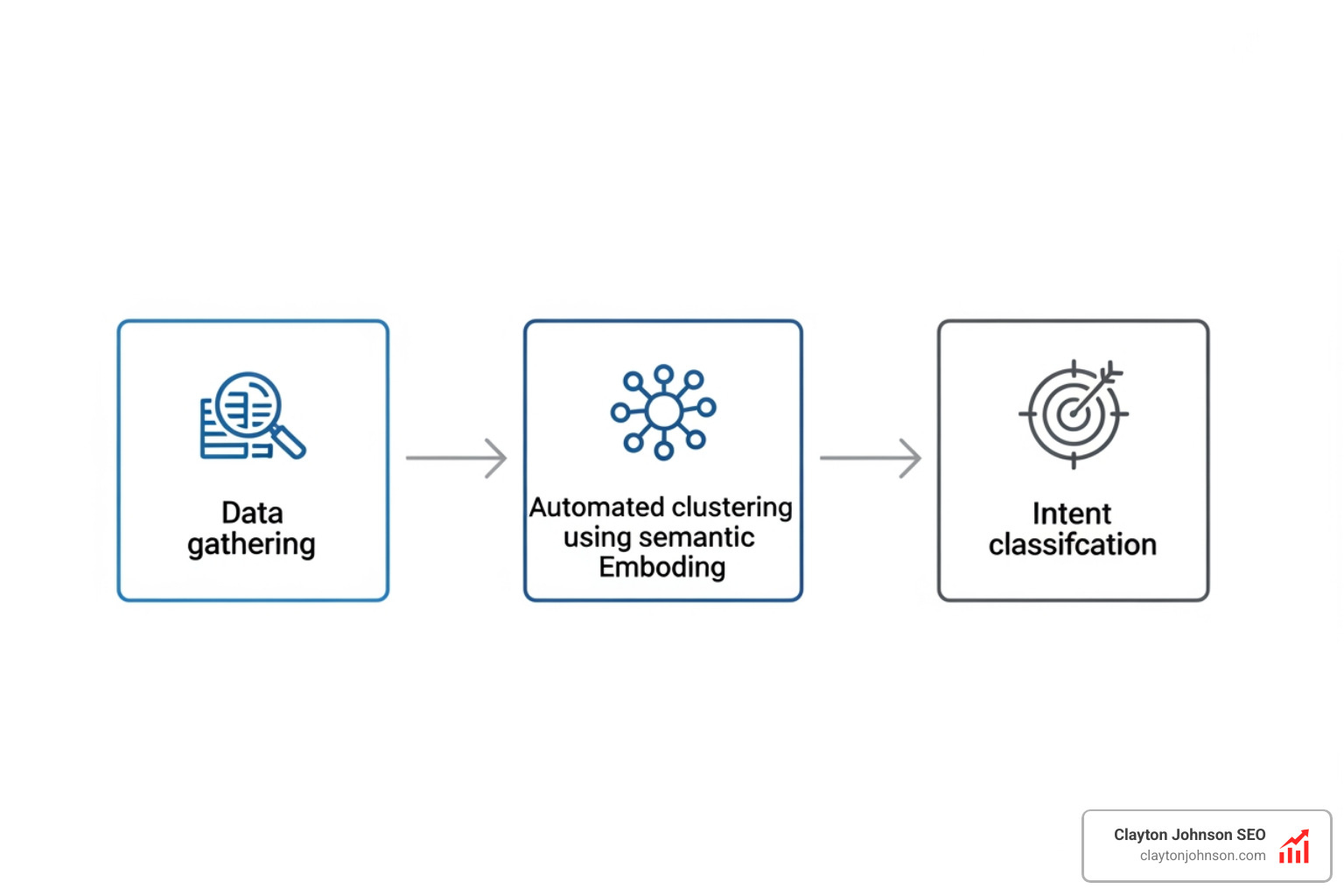
| Step | Manual Method | AI-Powered Method | Strategic Advantage |
|---|---|---|---|
| Data Gathering | Exporting CSVs from 5 tools | API-driven aggregation | 90% time reduction |
| Clustering | Manual tagging by “vibe” | Semantic embedding (HDBSCAN) | Eliminates cannibalization |
| Intent Mapping | Guessing based on modifiers | LLM-based SERP analysis | 80% higher accuracy |
| Content Mapping | One keyword = one page | Topic clusters = pillar pages | Builds topical authority |
| Validation | Checking top 10 results manually | Automated SERP overlap checks | Ensures “rankability” |
This workflow ensures that every piece of content we produce has a specific job to do. We don’t just target “running shoes.” We use AI to cluster “best running shoes for flat feet,” “running shoe reviews,” and “how to clean running shoes” into a single, cohesive keyword strategy.
Advanced Strategies: Semantic SEO and Topic Modeling
Modern SEO is about building an authority ecosystem. We do this through Semantic Cocoons and Topic Clusters.
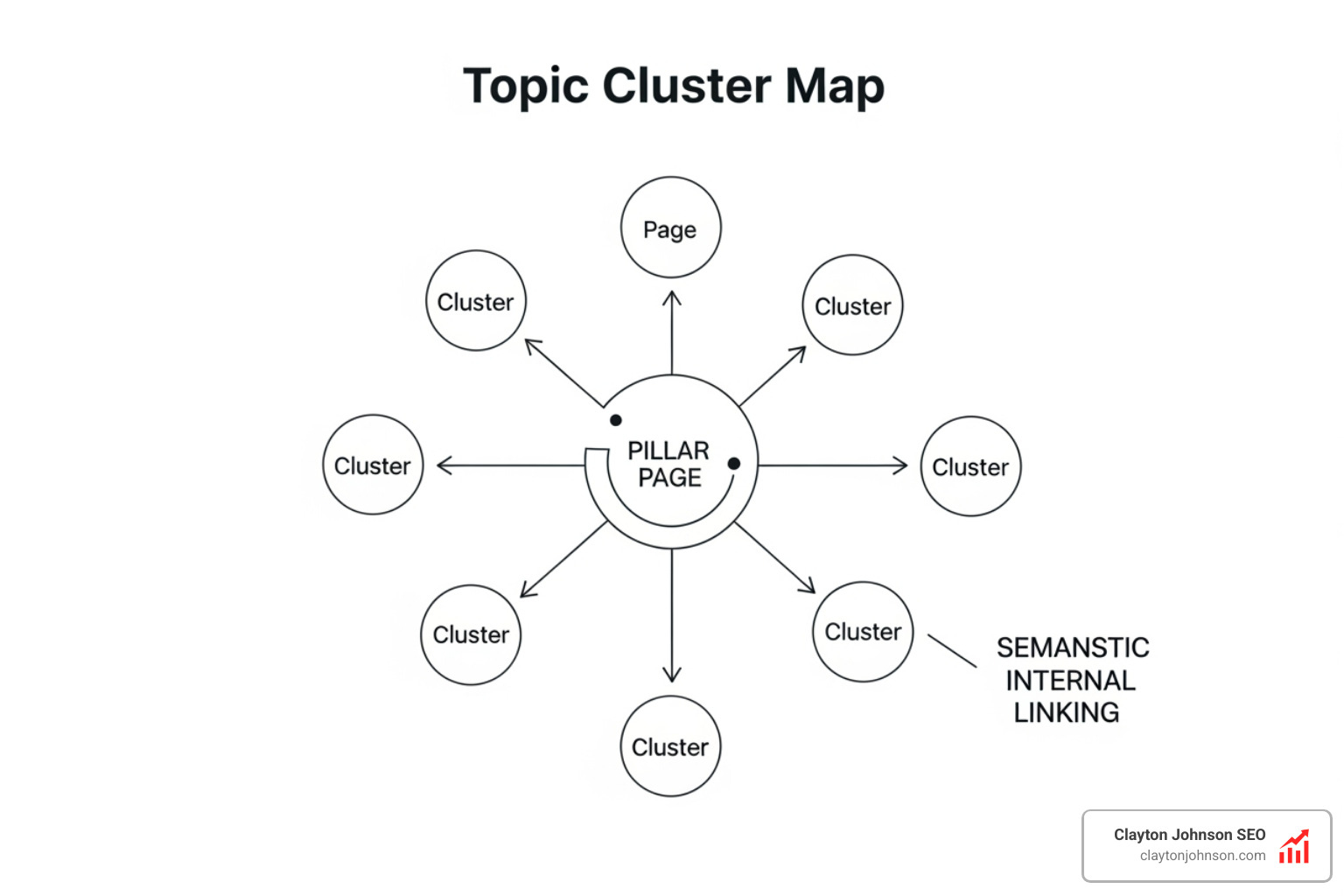
AI excels at identifying the “entities” (people, places, things, or concepts) that need to be present in your content for Google to consider you an expert. By using topic modeling, we can ensure our pillar pages cover the broad topic while our cluster pages answer every specific sub-question.
This isn’t just about keywords; it’s about context. For example, if we are writing about “AI for SEO” in our Minneapolis SEO office, we ensure our internal linking structure mimics a “knowledge graph.” This signals to AI search engines that our site is a hermetic ecosystem of information. However, we must remain mindful of AI’s Ethical and Societal Implications, ensuring our automated systems don’t sacrifice accuracy for the sake of scale.
Evaluating and Validating AI-Generated Clusters
Even the best AI needs a human in the loop. We’ve found that AI clustering is typically 70-80% accurate on the first pass. The final 20% requires strategic oversight to ensure the clusters align with your specific business goals.
We use Opportunity Scoring to prioritize our attack plan. This combines:
- Search Volume (MSV): How many people are looking?
- Personal Difficulty (PKD%): Can we actually win?
- Business Value: Does this keyword drive revenue or just “vanity” traffic?
- Funnel Stage: Is this for awareness (Informational) or closing the deal (Transactional)?
By tracking these KPIs, we can measure the success of our keyword strategy beyond just rankings. We look at “Topical Authority” growth—how well your domain is recognized as an expert across an entire cluster of terms. This scientific approach is backed by research on AI and Ethics, emphasizing that transparency and data quality are paramount.
Common Pitfalls and How to Avoid Them
The biggest danger in ai for keyword research is “Garbage In, Garbage Out.” If you give an AI a generic prompt, you will get generic (and often useless) results.
- Hallucinations: Never trust an LLM for search volume numbers. Always validate with a tool like Semrush or Ahrefs.
- Context Loss: AI doesn’t know your brand’s unique “voice” or specific product nuances unless you tell it.
- Over-reliance: Don’t let the AI make the final decision. Use it to find the gaps, but use your human creativity to fill them.
Our AI search services focus on providing the strategic oversight needed to avoid these traps. We perform competitive gap analysis at the page level, identifying exactly what questions your competitors are failing to answer so you can swoop in and capture that traffic.
Frequently Asked Questions about AI SEO
Can AI chatbots like ChatGPT replace dedicated SEO tools?
No. While ChatGPT is brilliant for brainstorming and clustering, it lacks the real-time search data, click-through rate (CTR) curves, and competitive backlink metrics that tools like Semrush or Ahrefs provide. Use ChatGPT as your creative engine and dedicated SEO tools as your data truth.
How does AI improve keyword clustering and intent mapping?
AI uses “embeddings”—mathematical representations of words—to understand how closely related two queries are. Instead of just looking for the same letters, it looks for the same meaning. This allows you to group hundreds of queries into a single content brief, ensuring you rank for dozens of variations with one high-quality page.
When is it time to upgrade to paid AI keyword platforms?
If you are managing more than one domain or targeting more than 50 keywords, free tools will likely hit their limits. Paid platforms are necessary when you need to track keyword positions daily, perform deep site audits, or use advanced features like Personal Keyword Difficulty.
Conclusion
The future of search is not just about finding keywords; it’s about building structured growth infrastructure. At Clayton Johnson SEO, we believe that clarity leads to structure, which leads to leverage, and ultimately, compounding growth.
By using ai for keyword research, you stop being a “data sorter” and start being a “data strategist.” Whether you are a founder in Minneapolis or a marketing leader looking to scale nationally, the Demandflow.ai system is designed to turn your SEO into a measurable, high-ROI asset.