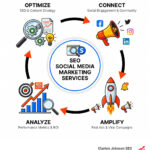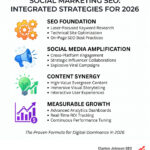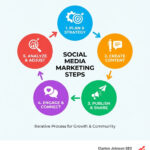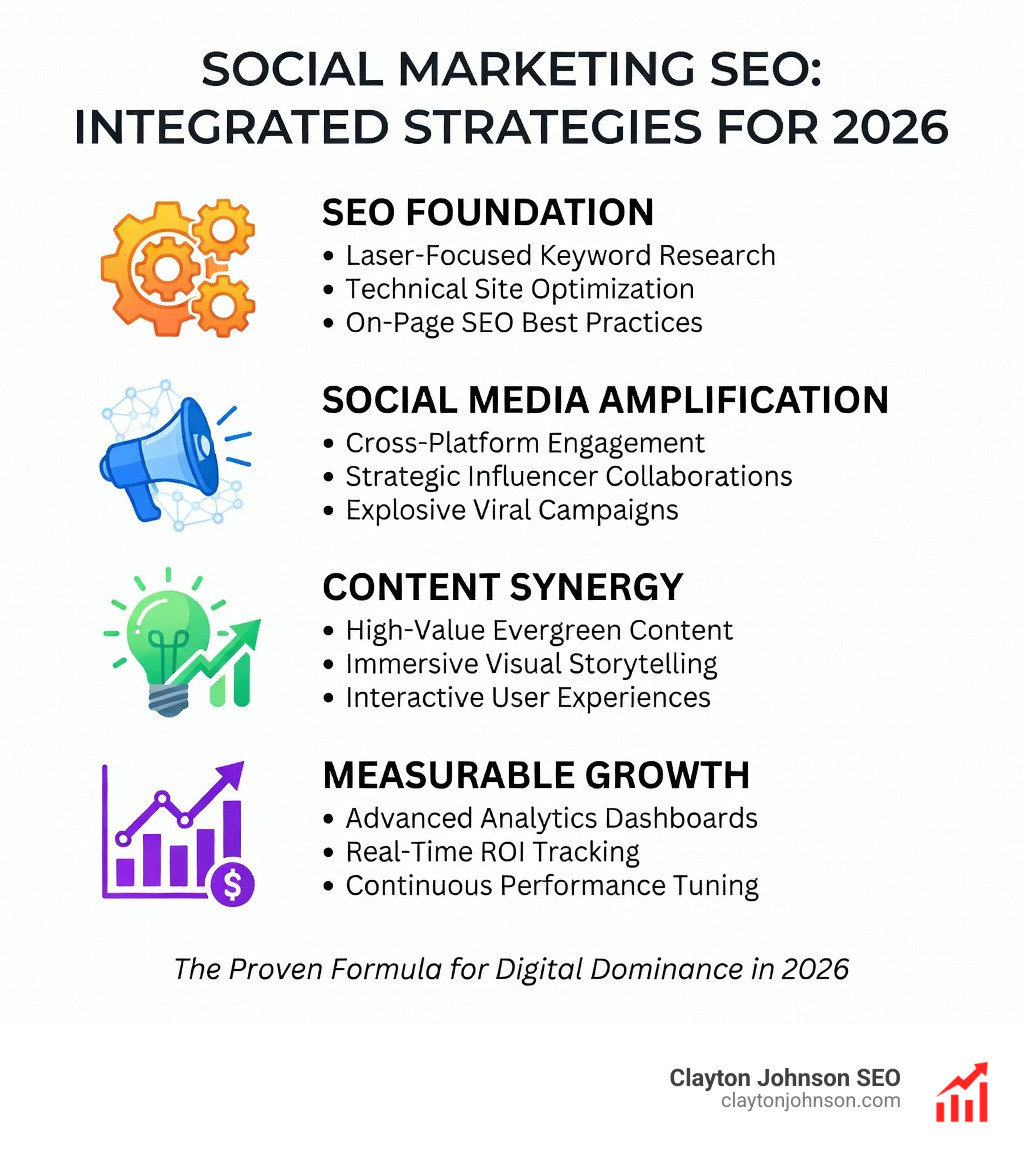
Social marketing SEO is the practice of applying search optimization principles to your social media content — so your posts, profiles, and videos get found both inside social platforms and on Google.
Here’s the quick answer if you need it fast:
| What It Is | Why It Matters | How to Start |
|---|---|---|
| Optimizing social content for search | 67% of Gen Z search on Instagram instead of Google | Add target keywords to bios, captions, and alt text |
| Building visibility across platforms | Google now indexes Instagram Reels and TikTok posts | Treat every post like a mini landing page |
| Connecting social signals to SEO authority | Social shares drive backlinks and brand mentions | Align keyword strategy across SEO and social teams |
The line between search engines and social media is disappearing fast.
A teenager searches for skincare tips on TikTok. A founder scans LinkedIn for SaaS comparisons. A millennial browses Instagram for travel ideas before ever opening Google. Search is no longer one place — it’s everywhere your audience already is.
And yet most businesses still treat SEO and social media as two completely separate strategies. Different teams. Different tools. Different goals.
That’s a mistake that’s costing you visibility, traffic, and authority.
The brands winning right now have figured out something important: social media is a search engine too. And when you optimize for both at once, the results compound.
I’m Clayton Johnson — an SEO strategist who has spent years building scalable content systems and search architectures for founders and growth-stage brands. Social marketing SEO sits at the intersection of everything I work on, from keyword strategy and structured content to AI visibility and cross-channel authority building. In this guide, I’ll show you exactly how to marry these two strategies for lasting, compounding growth.
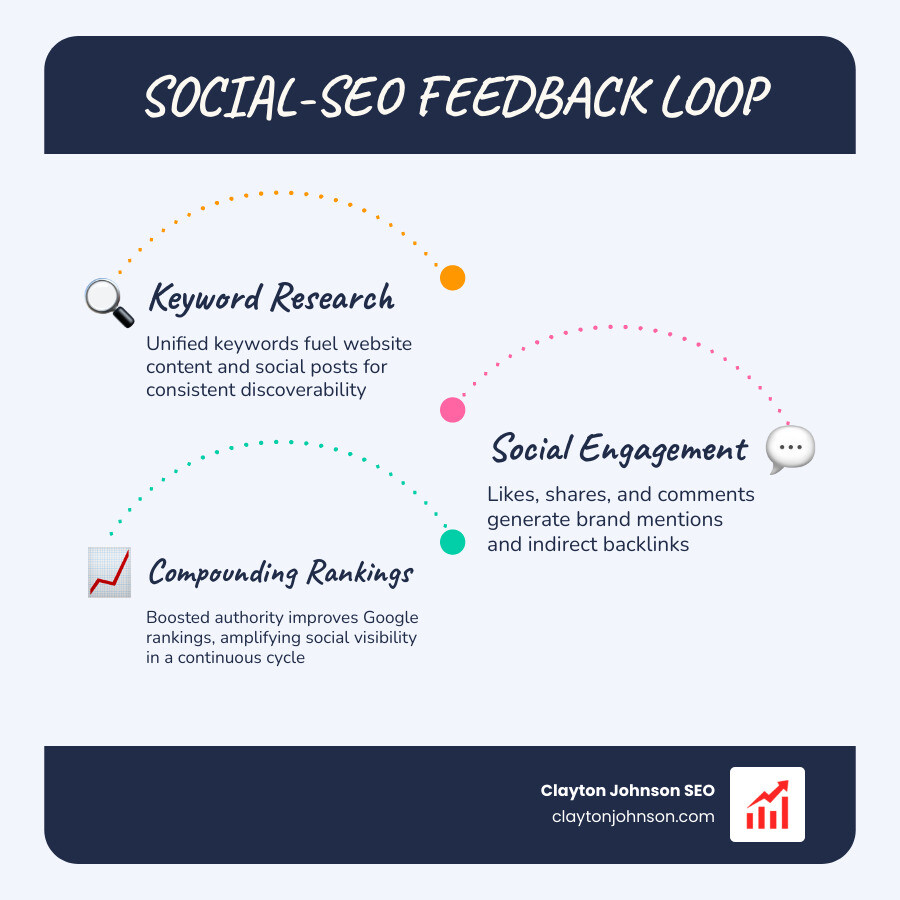
Social marketing seo terms you need:
What is Social Marketing SEO and Why Does It Matter?
At its core, social marketing SEO is the process of optimizing your social media presence to increase its discoverability in two places: within the social platforms themselves (in-app search) and on external search engines like Google.
For a long time, marketers viewed social media as a “passive” discovery channel where users just scrolled until they saw something interesting. But that has changed. According to a report from Marketing Dive, 67% of Gen Z use Instagram for search and discovery instead of traditional search engines.
If you aren’t optimizing your social posts with keywords, you aren’t just missing out on “likes”—you’re missing out on people actively searching for solutions you provide. Understanding SEO 101 is no longer just about your website; it’s about your entire digital footprint.
The Shift in Search Behavior
The way we find information is fundamentally shifting. While Google remains the king of high-intent transactional queries, social media has become the primary channel for product discovery and “how-to” answers for younger generations.
Research shows that 31% of consumers use social media to find answers to questions. This is a massive shift from the “Google it” era. Users now want to see social proof, video demonstrations, and community feedback before they make a decision. This makes social media one of the most critical digital marketing pillars for any modern brand.
How Google Indexes Social Content
If you think social media content is “hidden” from Google, think again. The relationship between search engines and social platforms has reached a tipping point. Google and other search engines have started indexing Instagram posts and Reels in their search results.
This means that a well-optimized Instagram Reel or a viral TikTok can appear on the first page of Google for relevant keywords. For large brands, this is a core component of a successful SEO strategy for enterprises, as it allows them to dominate the entire first page of search results with their own branded assets.
The Blurring Lines Between Traditional Search and Social Discovery
Traditional SEO is often about intent—someone types “best CRM for startups” because they want to buy one. Social media SEO often starts with engagement, but it quickly leads to discovery. The lines are blurring because the “lifespan” of social content is extending. In the past, a tweet lasted minutes. Today, an optimized YouTube video or Pinterest pin can drive traffic for years.
| Feature | Traditional SEO | Social Media SEO |
|---|---|---|
| Primary Goal | Rank on Google/Bing | Rank in-app and on Google |
| Content Type | Long-form blogs, landing pages | Videos, carousels, short-form posts |
| Key Metric | Organic traffic, Backlinks | Engagement, Shares, Discovery |
| Search Intent | Informational/Transactional | Discovery/Visual/Proof |
To stay competitive, you need to look at our SEO services as a holistic approach that covers every corner of the web.
Building a Unified Keyword Strategy for Social Marketing SEO
You shouldn’t be guessing what to write in your captions. Your social content should be fueled by the same data that powers your blog. Start by looking at search volume, but don’t stop there. Use autocomplete features on TikTok and Instagram to see what people are actually typing.
Tools like TikTok’s Keyword Insights are goldmines for real-time trends. You can also use traditional tools like Answer the Public to find the questions your audience is asking. When you align your SEO content marketing with these social queries, you create a unified front that captures users at every stage of the funnel.
Leveraging Platform-Specific Social Marketing SEO
Every platform has its own “algorithm,” which is really just a fancy word for its search engine rules.
- YouTube: Owned by Google, it is the world’s second-largest search engine. Video titles, descriptions, and closed captions are vital.
- LinkedIn: Incredible for building B2B authority. Keywords in your headline and “About” section make you findable by recruiters and potential clients.
- Pinterest: It’s more of a visual search engine than a social network. Pinterest Trends can tell you what people are looking for months in advance.
- TikTok: The new “Google” for Gen Z. Discovery is driven by audio transcripts and keyword-heavy captions.
By mastering these platforms, you are essentially hacking your way to the top of your industry’s visibility.
Tactical Optimization: Making Your Social Content Search-Ready
Optimizing for social marketing SEO isn’t just about keywords; it’s about accessibility and metadata. Search engines (and AI bots) can’t “watch” a video the way humans do—they read the text associated with it.

Using tools like Hootsuite’s SEO Caption Generator can help you craft descriptions that are both engaging and search-friendly. Don’t forget alt text for your images and closed captions for your videos—these are essential data points for search engines. This is a key part of modern AI SEO services.
Optimizing Profiles for Maximum Visibility
Your social media bio is essentially your “Meta Description” for that platform. It needs to be punchy, keyword-rich, and consistent with your brand.
- Consistent Handles: Use the same name across all platforms to help Google verify your business as a legitimate entity.
- Bio Keywords: If you are a plumber in Minnesota, your Instagram bio should say “Plumber in Minneapolis.”
- Link-in-Bio: Use tools like Sprout Social or Linktree to direct traffic to specific, high-value pages on your site.
For local businesses, this is a non-negotiable part of Minneapolis SEO.
The Role of Hashtags and Captions
Hashtags have had a wild ride. Once the king of reach, their role has shifted toward “topic clustering.” While Instagram CEO Adam Mosseri told creators that hashtags weren’t effective in increasing visibility in the traditional sense, they still help the algorithm understand what your content is about.
Think of hashtags as categories. Use 3-5 highly relevant, niche tags rather than 30 generic ones. Focus more on your captions—keyword placement in the first two lines of your caption is far more important for social marketing SEO than a block of hashtags at the bottom. This level of detail is what we emphasize in our SEO strategy for enterprises.
How Social Signals Influence Traditional Rankings and AI Search
While Google has stated that “social signals” (likes and shares) are not a direct ranking factor, they have a massive indirect impact. High engagement leads to more visibility, which leads to more people seeing your content, which leads to more people linking to it from their own blogs. Those are the “backlinks” that Google loves.
Furthermore, we are moving into the era of Generative Engine Optimization (GEO). AI tools like ChatGPT, Gemini, and Perplexity use social data to understand brand sentiment. You can use HubSpot’s AI Search Grader to see how your brand is perceived by these new engines.
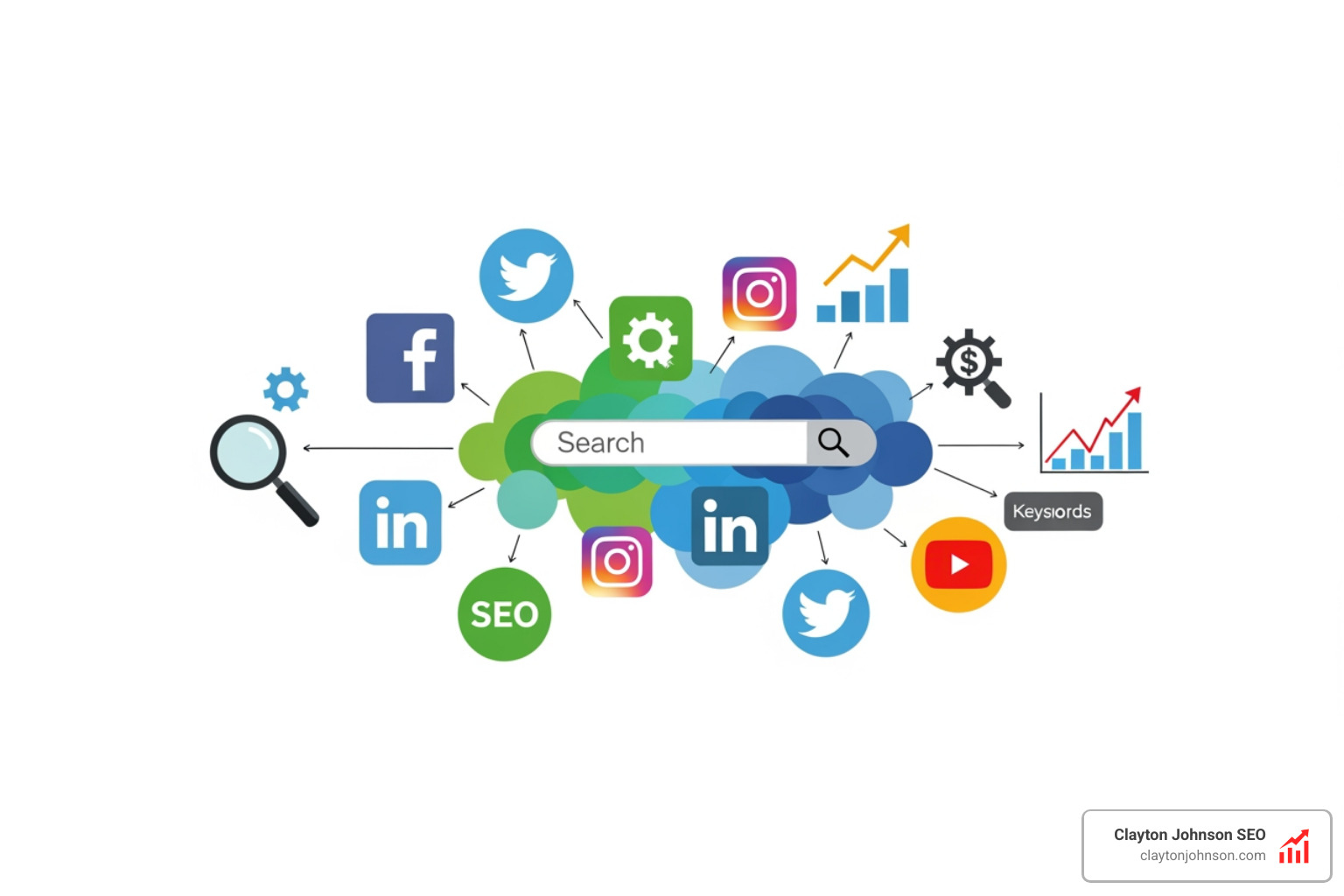
This is the future of digital marketing AI.
Building Topical Authority Through Social Engagement
Topical authority is the “holy grail” of SEO. It means Google trusts you as an expert on a specific subject. Social media is the fastest way to build this. When your content is shared widely, it signals to search engines that your brand is a trusted source of information.
Interestingly, removing social sharing buttons from landing pages can increase click-through rates by 11.9% in some cases because it reduces “friction” and choice overload. However, on your blog posts, these buttons are essential for encouraging the shares that build authority. It’s all about creating growth systems that balance conversion with brand reach.
Integrating SEO and Social Teams for Unified Growth
The “silo” approach to marketing is dead. Your SEO team knows what people are searching for. Your social team knows what people are talking about. If they aren’t sharing that data, you’re wasting money.
Cross-Team KPIs to Track:
- Branded search volume (did more people search for your name after a viral post?)
- Referral traffic from social platforms.
- Number of social posts ranking in Google SERPs.
- Content repurposing efficiency (turning one SEO blog into 10 social snippets).
This unified approach is at the heart of effective demand generation.
Frequently Asked Questions about Social Search
Do social media links count as direct backlinks?
Technically, most social media links are “no-follow,” meaning they don’t pass “link juice” directly to your site. However, they drive traffic and increase brand awareness, which leads to “do-follow” links from other websites. They are a vital part of a natural backlink profile.
How many hashtags should I use for SEO purposes?
The consensus is shifting toward quality over quantity. For Instagram and TikTok, 3-5 highly relevant hashtags are better than a wall of text. Focus on keywords in your captions and alt text instead.
Can social media posts rank on the first page of Google?
Yes! Especially for branded searches, niche “how-to” queries, and trending topics. Google frequently displays “Perspectives” (from Reddit) and video carousels (from YouTube and Instagram) directly in the search results.
Conclusion: Structured Growth for the Modern Web
Social marketing SEO is no longer an “extra” tactic-it is a fundamental part of how your brand is discovered in a world dominated by AI and social discovery. If you treat social media like a playground and SEO like a library, you’ll never see the compounding growth that comes from marrying the two.
At Clayton Johnson SEO, we don’t just “do marketing.” We build structured growth infrastructure. Through Demandflow.ai, we help founders and marketing leaders move past random tactics and into a system where every social post and every keyword works together to build authority.
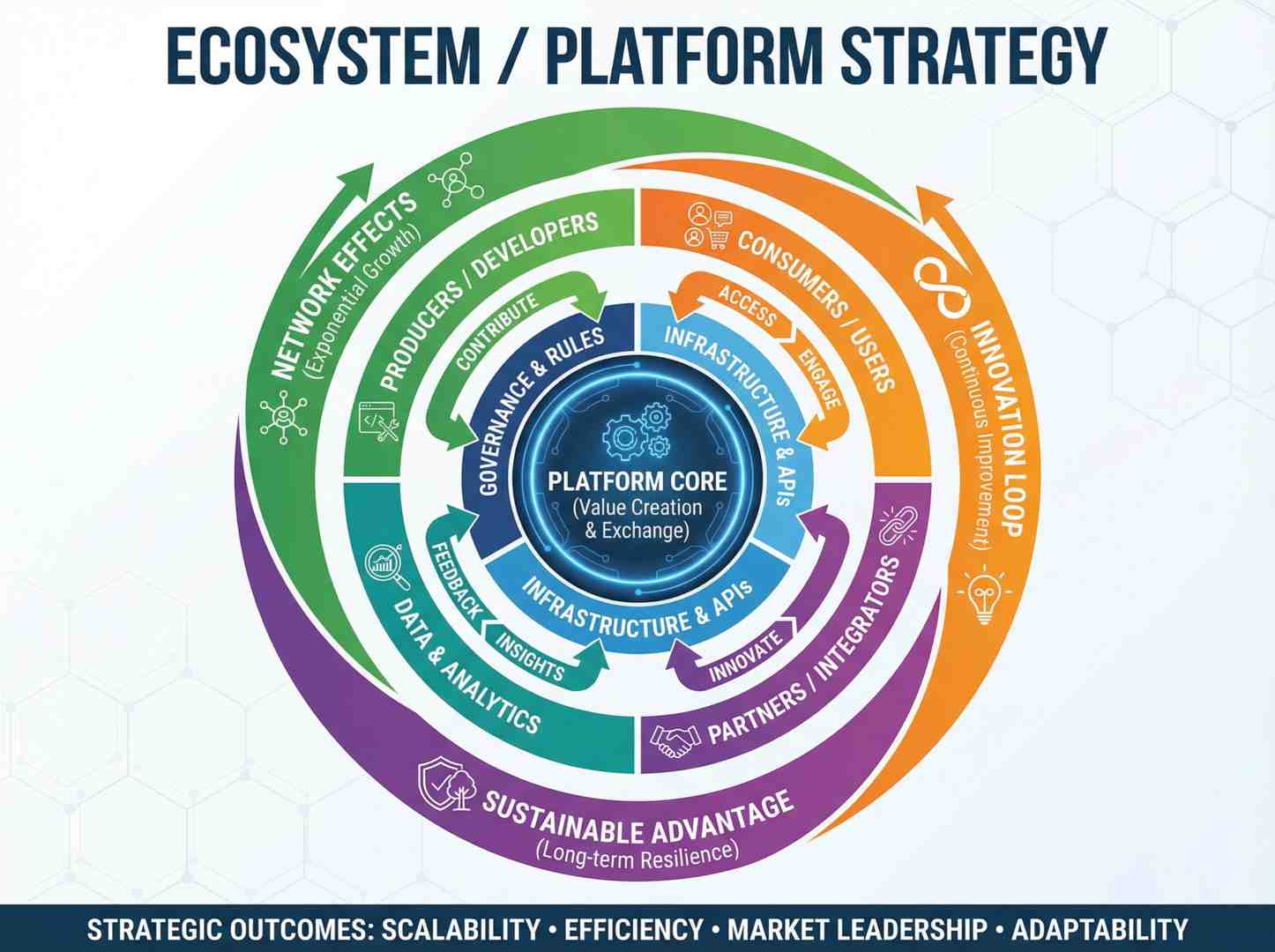
Ready to stop shouting into the void and start building searchable authority? Explore our social media marketing services and let’s build a system that actually scales.