How to Win at Influencer Marketing Strategy

Why an Influencer Marketing Social Media Strategy Is Your Brand’s Biggest Growth Lever
An influencer marketing social media strategy is a structured approach to growing your brand by partnering with trusted content creators who have engaged audiences on platforms like Instagram, TikTok, YouTube, and LinkedIn.
Here’s the quick answer if you need it fast:
| Step | What to Do |
|---|---|
| 1. Set goals | Define what success looks like — awareness, leads, or sales |
| 2. Choose your influencer tier | Nano, micro, macro, or mega — based on budget and reach |
| 3. Pick the right platform | Match platform demographics to your target audience |
| 4. Vet your influencers | Check engagement rate, audience fit, and brand alignment |
| 5. Write a clear brief | Give direction without killing creative freedom |
| 6. Track performance | Use UTMs, engagement data, and conversion metrics |
| 7. Refine and scale | Double down on what works |
The numbers are hard to ignore. 86% of consumers make a purchase inspired by an influencer at least once a year. Almost half do it monthly. And the global influencer marketing industry is on track to hit $33 billion — not because brands are chasing trends, but because it works.
What makes influencer marketing different from traditional social media marketing? Simple. You’re not broadcasting at people. You’re borrowing trust that someone else spent years building. That’s a fundamentally different growth mechanism — and a far more efficient one when done right.
But “done right” is the key phrase. Most brands waste budget chasing follower counts instead of building real audience alignment. The difference between a campaign that converts and one that disappears is strategy — not spend.
I’m Clayton Johnson, an SEO strategist and growth operator who has built scalable content architectures and AI-augmented marketing systems across 50+ business models — including frameworks that integrate influencer marketing social media strategy into compounding demand engines. In the sections ahead, I’ll show you exactly how to build one that drives measurable results.
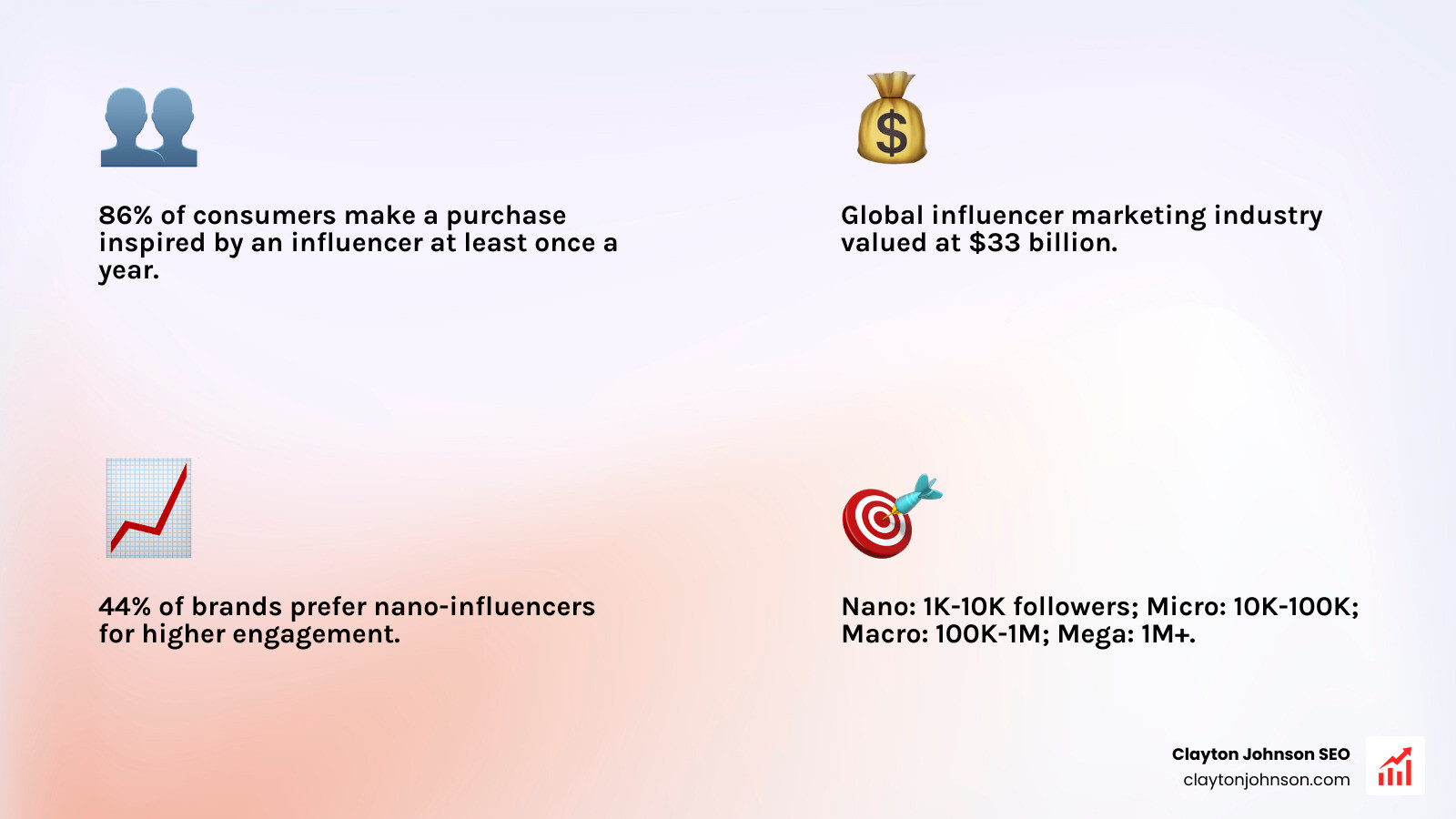
Influencer marketing social media strategy terms explained:
Defining Your Influencer Marketing Social Media Strategy
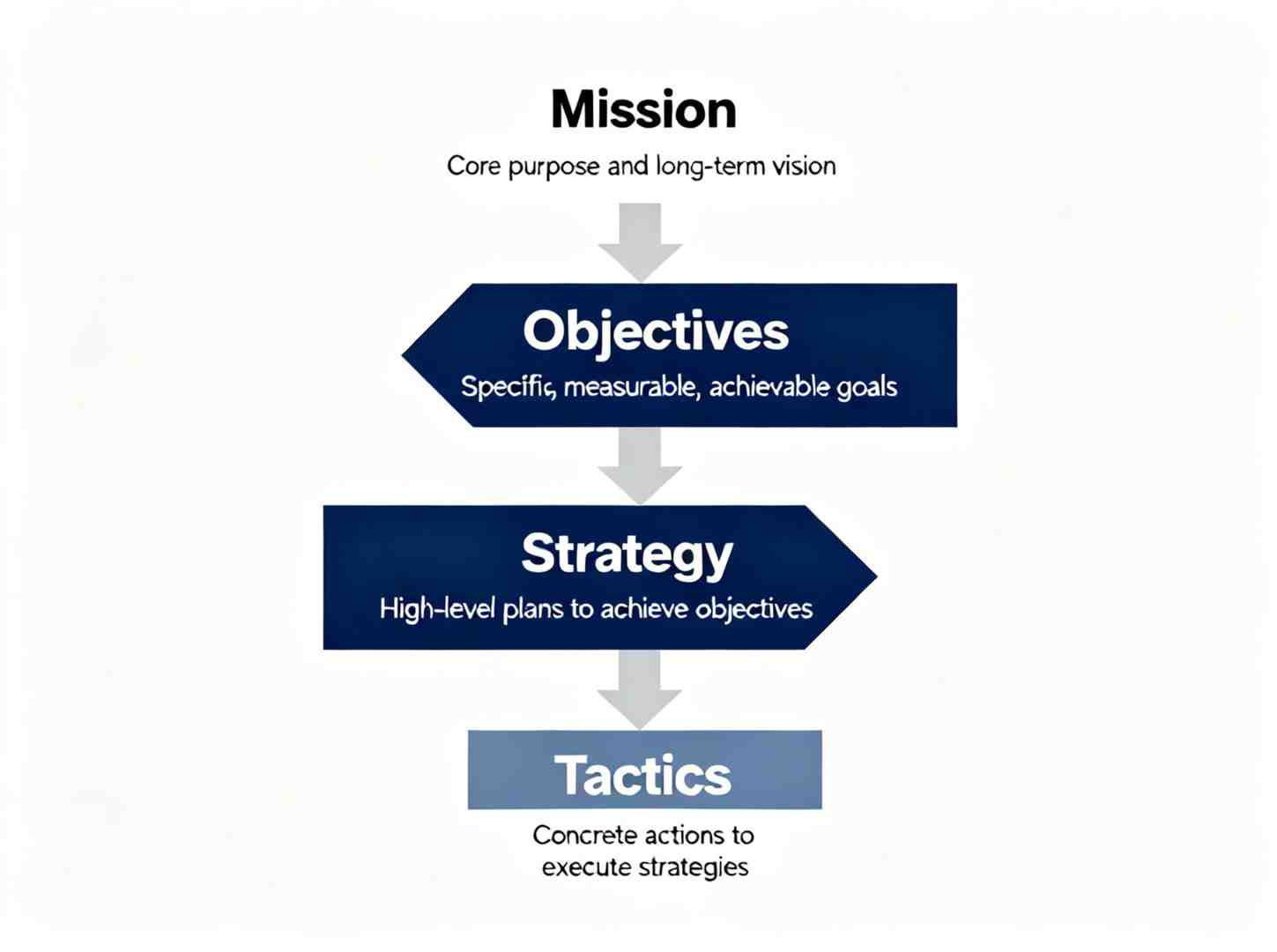
To build a high-leverage influencer marketing social media strategy, we first have to distinguish it from traditional social media marketing. Traditional social marketing is “owned” media—it’s your brand talking about itself on your own channels. Influencer marketing is a hybrid of “earned” and “paid” media. You are paying for access to a pre-built community, but you are earning their attention through the creator’s unique voice.
The growth in this sector is staggering. According to Statista, the global influencer market is expected to reach a record high of $33 billion. This isn’t just a bubble; it’s a shift in how humans consume information. As traditional advertising becomes less effective due to ad-blocking and “banner blindness,” influencers fill the gap by providing social proof.
At Clayton Johnson SEO, we view this as a critical component of Demand Generation Systems. Instead of shouting into the void, you are inserting your brand into existing conversations. This creates a “warm” introduction to your product, significantly lowering the barrier to entry for new customers.
Why Authenticity is the Core of an Influencer Marketing Social Media Strategy
Authenticity is the currency of the creator economy. As Amanjit Heer, founder of social media marketing firms, explains, consumers are increasingly skeptical of brand-led ads. We trust reviews and other people’s opinions more than a corporate logo.
When an influencer shares a product, they aren’t just selling a feature; they are providing a recommendation based on their perceived thought leaders in their niche status. If that recommendation feels forced or “fake,” the trust evaporates instantly. This is why our Authoritative Guide to Not Being a Brand Nobody emphasizes that you must choose partners who would actually use your product. If you’re a vegan protein brand, don’t partner with a BBQ pitmaster—no matter how many followers they have.
The Role of Social Influence in Modern Purchasing
The psychology behind this is fascinating. Psychologist World notes that people feel a need to be informed by accurate information. When we lack confidence in our own knowledge about a new product or category, we turn to others who seem like experts.
This “social influence” acts as a powerful psychological trigger. When 86% of consumers make a purchase inspired by an influencer, they are responding to a form of digital word-of-mouth. It’s the digital version of a friend telling you about a great new restaurant. Because the influencer has already done the “vetting” for their audience, the path to purchase is much shorter.
The Four Tiers of Influence: From Nano to Mega
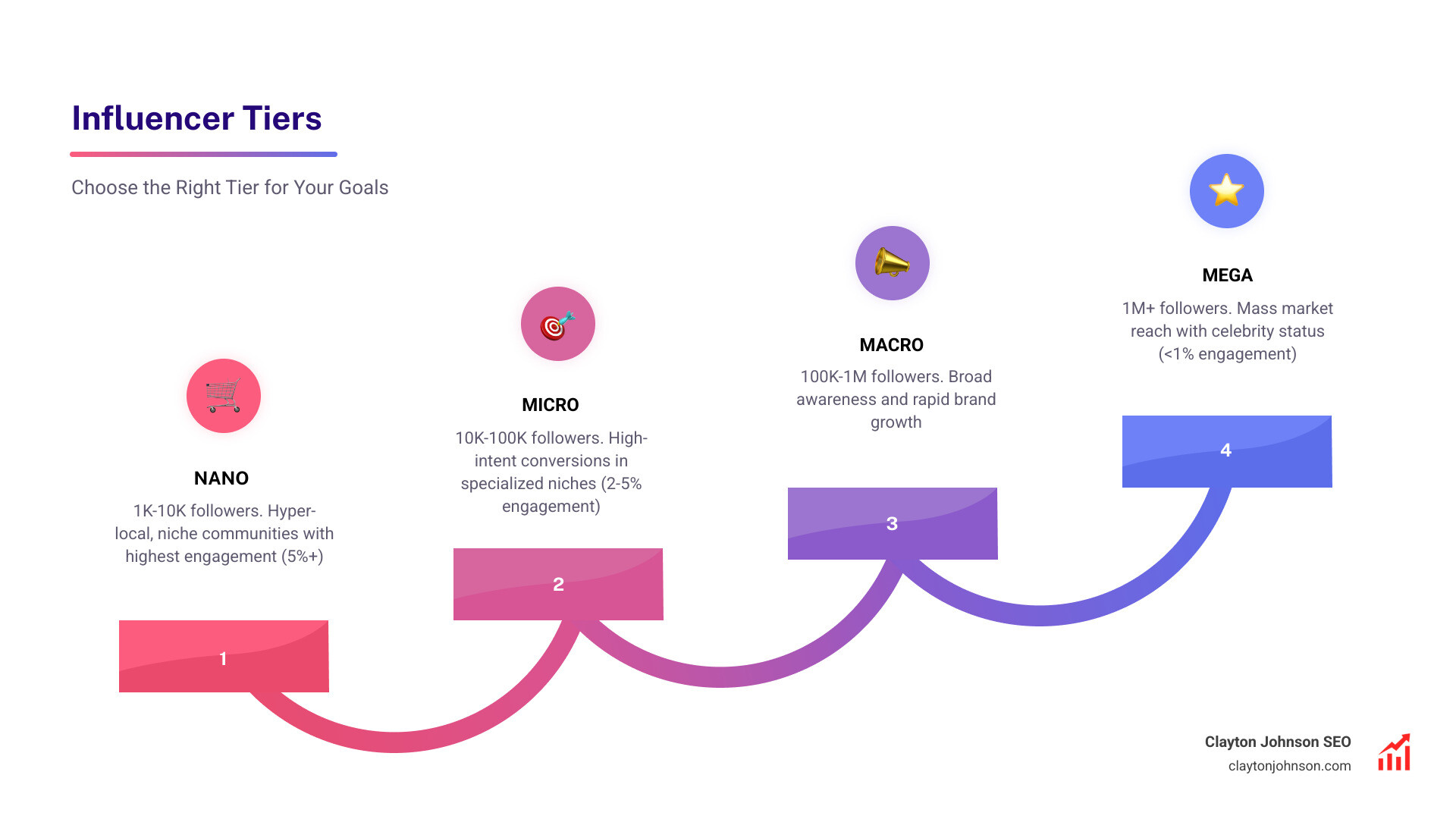
Not all influencers are created equal. Choosing the wrong tier for your specific goal is the fastest way to burn your budget. We categorize them into four distinct levels:
| Tier | Follower Count | Best For | Engagement Rate |
|---|---|---|---|
| Nano | 1K – 10K | Hyper-local targeting, niche communities | Highest (often 5%+) |
| Micro | 10K – 100K | High-intent conversions, specialized niches | High (2% – 5%) |
| Macro | 100K – 1M | Broad awareness, rapid growth | Moderate |
| Mega | 1M+ | Mass market reach, celebrity status | Lowest (usually <1%) |
Reach vs. Resonance
A common mistake is assuming that “bigger is better.” While Cristiano Ronaldo can give you unparalleled global exposure, a nano-influencer might drive more actual sales for a local Minneapolis boutique.
In fact, Influencer Marketing Hub data shows that 44% of brands now prefer partnering with nano-influencers. Why? Because they have “resonance.” Their followers are often friends, family, or highly dedicated hobbyists who actually listen to what they say. Nano and micro-influencers provide a level of intimacy that a mega-celebrity simply cannot match.
Selecting the Right Platform for Your Influencer Marketing Social Media Strategy
Your strategy must live where your audience hangs out. Each platform has a unique “vibe” and algorithm:
- Instagram: The gold standard for lifestyle, fashion, and beauty. Features like Instagram Shopping make it a powerhouse for D2C brands.
- TikTok: The king of virality. If your goal is to spark a trend or reach Gen Z (ages 13-24), TikTok’s algorithm is unmatched.
- YouTube: Ideal for deep dives. Influencers like Alex the Analyst provide long-form tutorials and reviews that build massive authority.
- LinkedIn: The “secret weapon” for B2B. This is where you find CEOs and CMOs looking for professional growth.
- X (Twitter): Best for real-time engagement and thought leadership in tech and finance.
For many of our clients, we integrate these choices into our broader Social Media Marketing Services to ensure the influencer content supports the overall SEO and brand architecture.
Matching Influencer Types to Business Goals
Your business goal dictates your influencer choice. If you are a startup like Canva seeking rapid exposure and credibility, macro-influencers can provide that “wow” factor. However, if you are an artisan food brand, a dozen nano-influencers in the “foodie” niche will likely provide a better ROI.
Always look at the demographics. Instagram users skew 25-34, while TikTok is younger. On YouTube, a significant portion of views comes from males aged 25-34. If your target customer is a 45-year-old B2B buyer, your influencer marketing social media strategy should probably lean heavily into LinkedIn and industry-specific newsletters.
Building a Structured Growth Framework for Campaigns

At Clayton Johnson SEO, we don’t believe in “random acts of marketing.” Every campaign needs a structured framework. This begins with our Brand Growth Systems, which treat influencers as a scalable asset rather than a one-off experiment.
Outreach and Relationship Management
The vetting process is where most brands fail. You need to look beyond the surface. Is their engagement real, or is it “bot” traffic? Tools like HypeAuditor can help analyze subscriber quality.
Once you find the right fit, the relationship should be a partnership, not a transaction. Give them creative freedom. They know their audience better than you do. However, you must ensure they follow FTC disclosure guidelines. Transparency isn’t just a legal requirement; it actually builds trust with the audience.
Consider establishing an ambassador program, similar to how Fujifilm uses creators for new product launches. Long-term partnerships are almost always more effective than one-off posts because the brand becomes part of the influencer’s “story.”
Crafting the Perfect Influencer Brief
A good brief provides guardrails without stifling creativity. It should include:
- Campaign Goals: What are we trying to achieve?
- Messaging Pillars: What are the 3 things the audience must know?
- Deliverables: Exactly what posts/stories/videos are needed?
- Brand Safety: What are the “no-go” zones?
This is where Why Your Brand Needs an AI Growth Strategy Right Now comes into play. We use AI to analyze which messaging pillars resonate most with specific audience segments, allowing us to give influencers data-backed directions that still feel organic.
Measuring Success and Avoiding Common Pitfalls

If you can’t measure it, you can’t manage it. Our Customer Strategy involves tracking every touchpoint.
Top Tools for Campaign Optimization
To track your influencer marketing social media strategy effectively, you need a tech stack:
- Bitly: For creating measurable, shortened links.
- Campaign URL Builder: To add UTM parameters so you can see exactly which influencer drove which sale in Google Analytics.
- Social Blade: To track the growth and authenticity of an influencer’s following over time.
Common Mistakes to Avoid
The biggest mistake is follower count obsession. A million followers mean nothing if none of them are in your target market. Another pitfall is stifling creativity. If you force an influencer to read a script, their audience will smell the “ad” a mile away, and your engagement will plummet.
Finally, poor vetting can lead to brand safety issues. Always check an influencer’s past content. Do they align with your values? Have they worked with your competitors recently? For more on avoiding these traps, check out our guide on how to Hack Your Way to the Top with These Digital Marketing Tips.
Frequently Asked Questions about Influencer Marketing
What is the difference between a micro and macro influencer?
The primary difference is scale and intimacy. Micro-influencers (10K-100K followers) usually have a much tighter relationship with their audience, leading to higher engagement and better conversion rates. Macro-influencers (100K-1M) offer broader reach and more professional content production, making them better for top-of-funnel awareness. Micro-influencers are generally more cost-effective for smaller brands.
How do I measure the ROI of an influencer campaign?
ROI isn’t just about direct sales (though that’s the ultimate goal). You should track:
- Engagement: Likes, comments, and shares.
- Reach/Impressions: How many people actually saw the content?
- Referral Traffic: How many people clicked through to your site?
- Brand Sentiment: Are people talking about your brand more positively?
For a deeper dive into the math, see our section on financial metrics.
Is influencer marketing effective for B2B brands?
Absolutely. In B2B, influencers are often “industry experts,” consultants, or thought leaders. A recommendation from a trusted LinkedIn expert can carry more weight than a million-dollar TV ad. B2B influencer marketing is about building authority within professional networks.
Conclusion
Building a successful influencer marketing social media strategy isn’t about finding the most famous person you can afford. It’s about building a structured growth architecture that connects your brand with the right communities through authentic voices.
When you move away from “random tactics” and toward a compounding growth engine, influencer marketing becomes a secret weapon that drives measurable, long-term ROI. At Clayton Johnson SEO, we help founders and marketing leaders build these systems from the ground up.
Ready to scale? Learn more about our Social Media Marketing Services and let’s build your growth infrastructure together.