Stop Wasting Money on Facebook Ads Without a Strategy

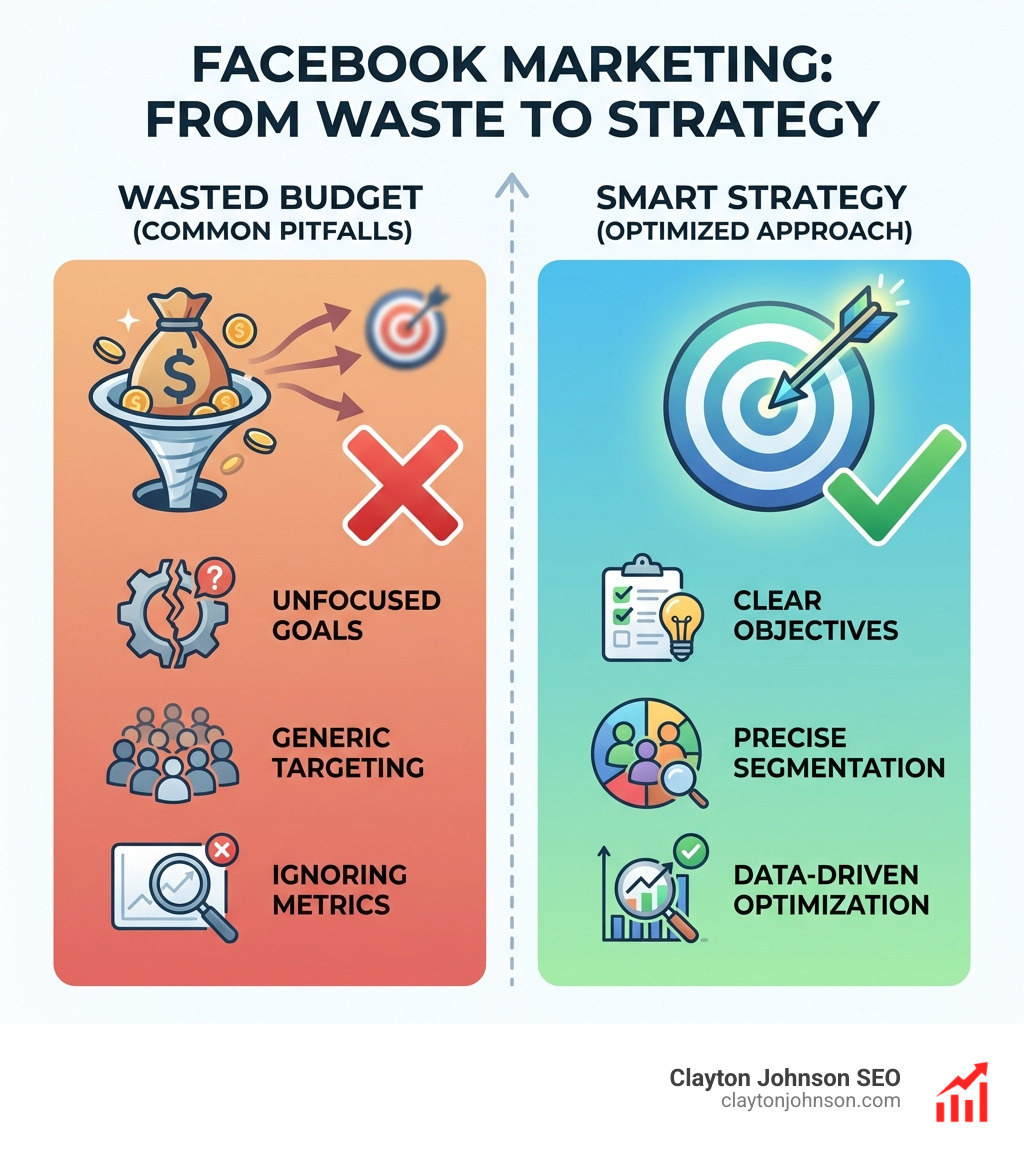
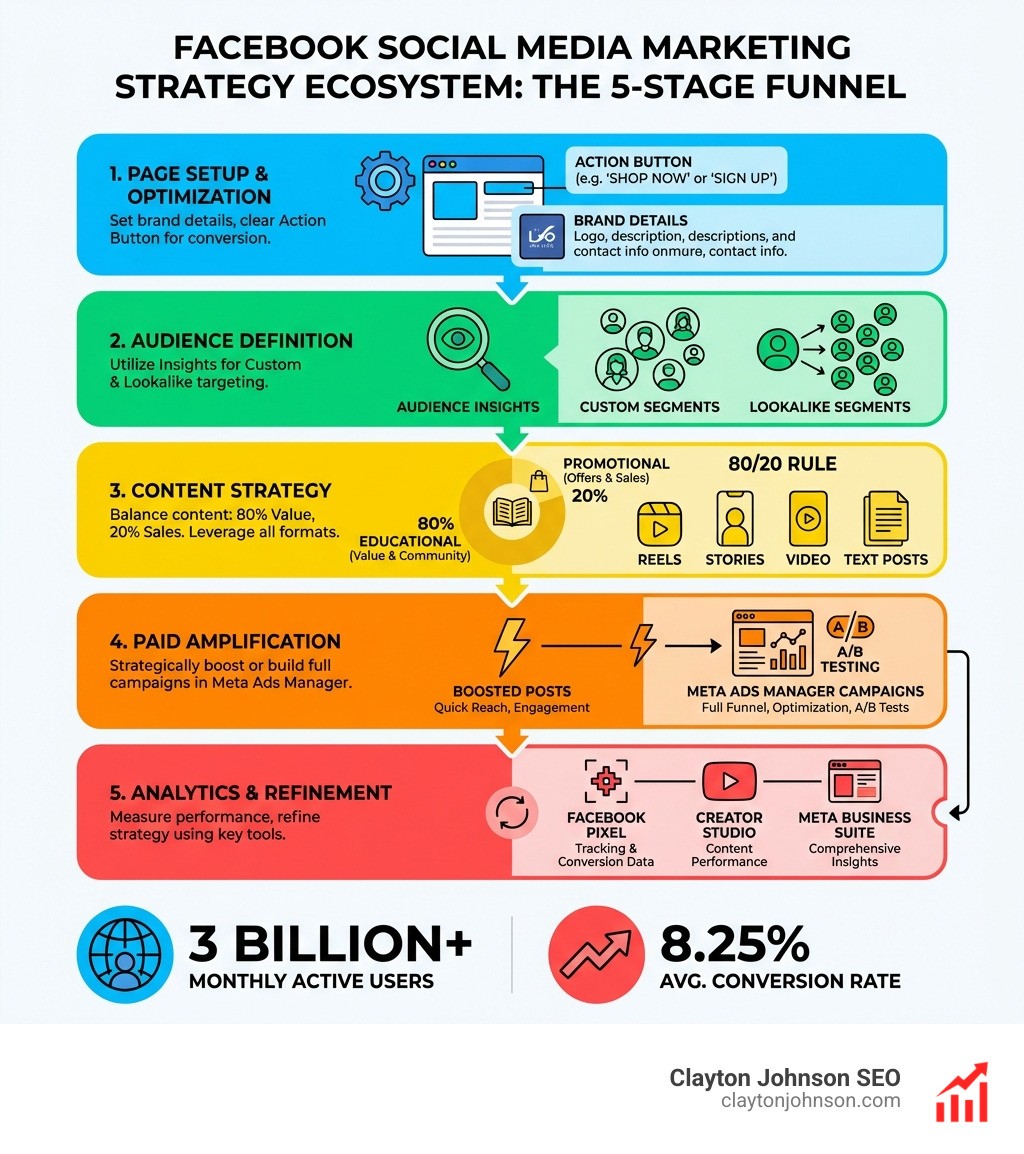
A solid facebook social media marketing strategy is the difference between ads that drain your budget and content that builds a compounding growth engine. Here is what that strategy looks like at a glance:
Core components of an effective Facebook marketing strategy:
- Set clear goals — brand awareness, lead generation, or direct sales
- Define your audience — use Facebook Audience Insights for demographics, behaviors, and interests
- Optimize your Business Page — treat it like a second website with a clear action button
- Build a content calendar — mix educational, community, and promotional posts (80/20 rule)
- Leverage all formats — Reels, Stories, video, images, and text posts
- Grow organically first — use Groups, consistent posting, and genuine engagement
- Scale with paid ads — boost proven posts, then build full campaigns in Meta Ads Manager
- Track and refine — use Facebook Pixel, Ads Manager, and Meta Business Suite
Facebook is not a dying platform. With over 3 billion monthly active users and an average conversion rate of 8.25% across industries, it remains one of the highest-ROI channels available to founders and marketing teams. And yet most businesses treat it like a billboard — broadcasting into the void with no system behind it.
The result? Wasted ad spend, low engagement, and zero compounding growth.
The problem is rarely the platform. It is the absence of a structured strategy.
I am Clayton Johnson, an SEO and growth strategist who has built scalable marketing systems across 50+ business models — including structured facebook social media marketing strategy frameworks that align organic community building with precision paid campaigns. In the sections below, I will walk you through exactly how to build one that drives measurable results.
Relevant articles related to facebook social media marketing strategy:
Building a High-Performance Facebook Social Media Marketing Strategy
To win on Facebook, we have to stop thinking about “posts” and start thinking about “architecture.” Most businesses fail because they post randomly and hope for the best. A high-performance strategy requires a foundation built on data and psychological triggers.
The stakes are high: 62% of U.S. social commerce buyers use Facebook regularly. If your presence is sloppy, you aren’t just losing likes; you’re losing market share. At Clayton Johnson SEO, we view Facebook as a critical pillar of your social media marketing services ecosystem. It is the bridge between initial brand awareness and high-intent conversion.
Defining Your Audience for a Facebook Social Media Marketing Strategy
You cannot sell to “everyone.” If your target audience is too broad, your messaging becomes diluted and your ad costs skyrocket. We use Facebook Audience Insights to dig into the granular details of who your customers actually are. This involves looking at geographic data, demographics (age, gender), and behaviors (what they buy, how they spend their time).
One of the most powerful tools in our arsenal is the use of Custom and Lookalike audiences.
| Audience Type | Description | Best Use Case |
|---|---|---|
| Custom Audience | People who have already interacted with your brand (website visitors, email list). | Retargeting warm leads to close a sale. |
| Lookalike Audience | People who “look” like your best customers based on shared traits. | Scaling your reach to high-probability new prospects. |
Optimizing Your Business Page for Conversion
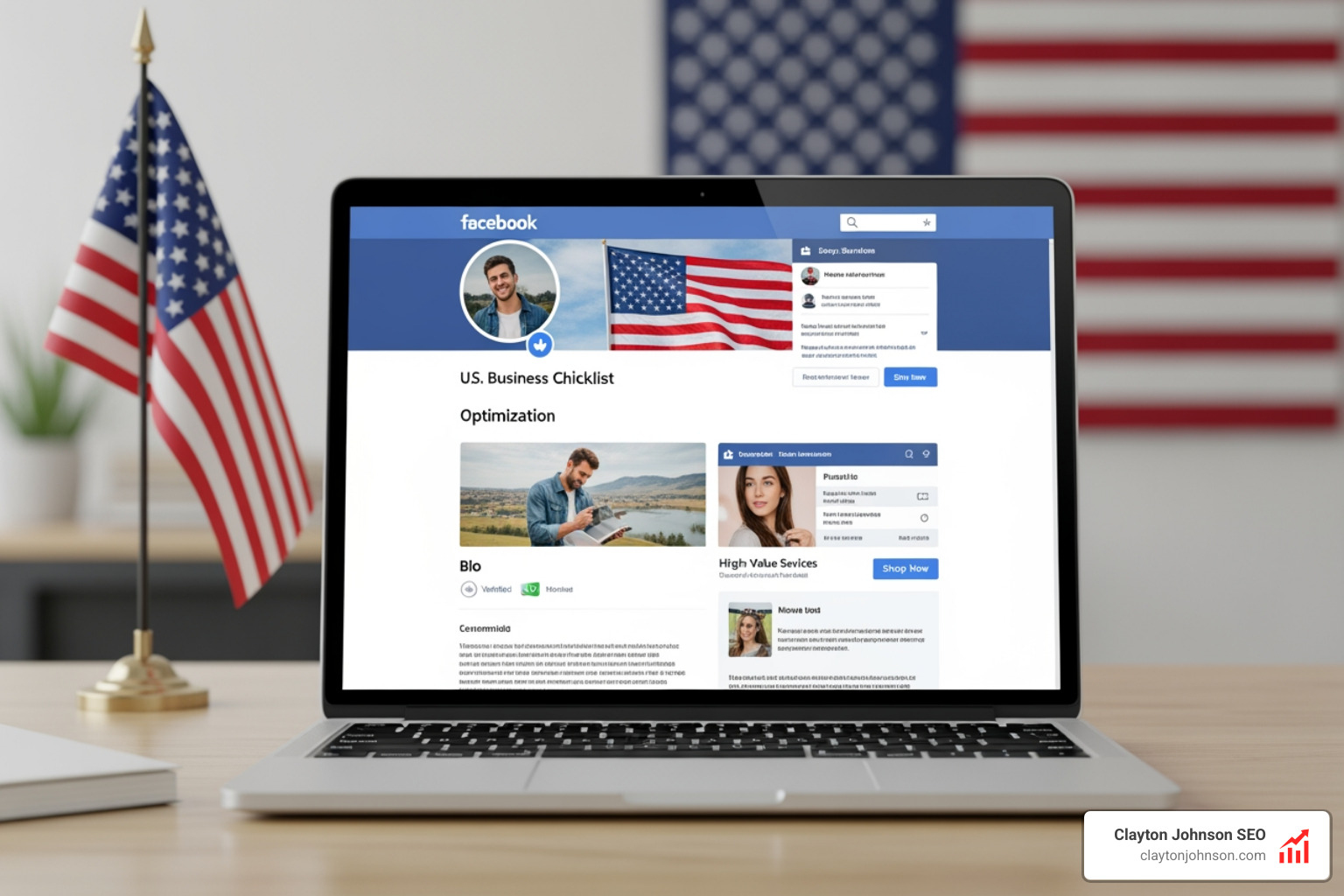
Your Facebook Page is your second homepage. When a prospect lands there, they should know exactly what you do and how to buy from you within three seconds. This means using a clear, high-resolution logo as your profile picture and a cover image that showcases your value proposition.
We highly recommend utilizing “Professional Mode” or a dedicated Business Page to access advanced tools. Ensure your “Action Button” is set to the most valuable goal—whether that’s “Shop Now,” “Book Now,” or “Message Us.” For those looking to dive deeper into the technical setup, the ACE® recommended Meta Blueprint training is an excellent resource for mastering the platform’s native tools. This structural integrity is one of our core Digital Marketing Pillars.
Setting Measurable Goals and KPIs
“Engagement” is a vanity metric unless it leads to revenue. We focus on SMART goals (Specific, Measurable, Achievable, Relevant, Time-bound). Are we trying to increase brand awareness by 20%? Or are we aiming for 50 new leads per month?
By defining these KPIs early, we can align our SEO content marketing services with your Facebook activity, ensuring that the traffic we generate from search is supported by a strong social proof ecosystem.
Organic Growth and Community Architecture
Organic reach on Facebook isn’t dead; it has just changed. The algorithm now prioritizes “meaningful social interactions.” This means a comment or a share is worth significantly more than a passive like. We build community architecture that fosters these interactions.
The secret is relationship-first marketing. Instead of shouting at your audience, we start conversations. You can learn more about these tactics in our guide on how to Hack Your Way to the Top with These Digital Marketing Tips.
Content Pillars for Your Facebook Social Media Marketing Strategy
To maintain consistency without burning out, we use content pillars. We generally follow the 80/20 rule: 80% of your content should be educational, informative, or entertaining, while only 20% should be purely promotional.
Another effective framework is the Rule of Thirds:
- Promote: Content that drives sales or leads.
- Share: Industry news, curated content, or helpful tips.
- Engage: Personal stories, behind-the-scenes looks, and questions that spark replies.
This balanced approach ensures you remain an authority in your space, which complements our broader SEO services.
Leveraging Reels, Stories, and Video
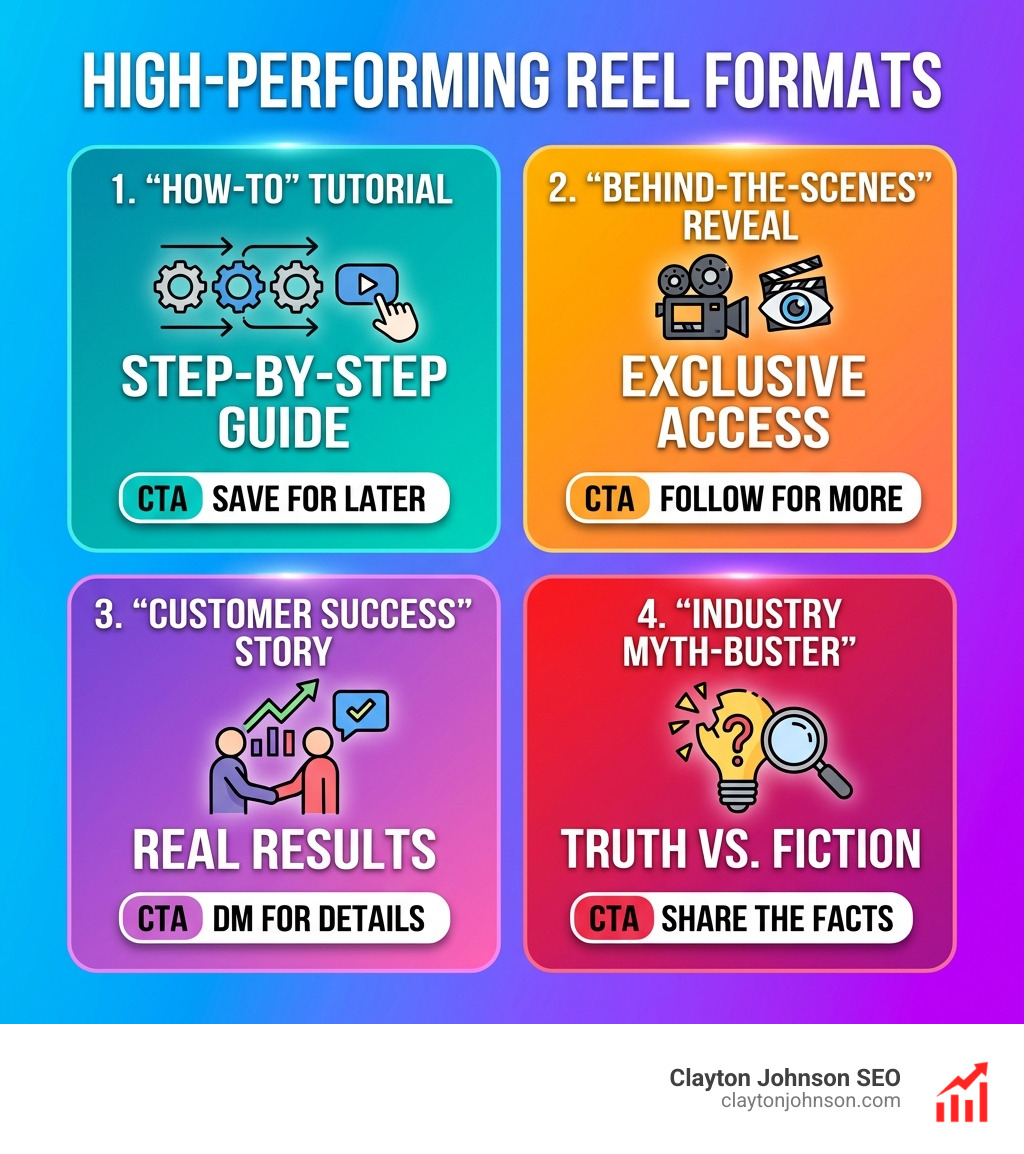
Video is the undisputed king of content on Facebook. Reels, in particular, offer the highest potential for virality and broad organic reach because they are shown to people who don’t follow you yet.
However, there is a catch: 53.5% of videos are played without sound. If you aren’t using subtitles, you are losing half your audience instantly.
Building Authority with Facebook Groups
Groups are the “living room” of Facebook. While your Page is your storefront, your Group is where the real community lives. Over 1.8 billion people interact in Facebook Groups every month. We use Groups for organic lead generation by asking “lead gen questions” to new members and providing exclusive value.
A great example of this is State Bicycle Company, which has built a massive following by engaging directly with their community of cycling enthusiasts. By using micro-moderation and daily touchpoints, you can build an authority-building ecosystem that converts followers into brand advocates.
Scaling with Precision: Paid Campaigns and Lead Generation
Once your organic engine is humming, it’s time to pour gasoline on the fire with paid ads. This is where most businesses lose money because they treat “Boosting” and “Advertising” as the same thing. They aren’t.
Beyond organic posts, Facebook supports four main ad formats: images, video, carousel, and collections. Choosing the right format for your objective is the first step in our paid advertising services.
Boosted Posts vs. Full Ad Campaigns
A “Boosted Post” is a simplified way to get more engagement (likes, shares, comments) on a specific piece of content. It is great for social proof. However, if your goal is sales or leads, you need a full ad campaign built inside Meta Ads Manager.
Ads Manager allows for:
- Advanced A/B testing of headlines and visuals.
- Deep targeting based on pixel data and conversion events.
- Precise budget control and scheduling.
There is a limit on the number of ad accounts a business may hold, which increases as you spend more. Scaling requires a structured approach to conversion optimization services to ensure every dollar spent translates into a measurable return.
Creative Excellence and Ad Copy
Your visuals stop the scroll, but your copy makes the sale. We focus on a visual strategy that aligns with your brand’s style book. Your Call to Action (CTA) must be unmistakable. If you’re feeling stuck, Facebook’s ads library is an incredible resource to see what your competitors are running and what is currently working in your industry.
We often integrate these social ads with our email marketing services, using Facebook to capture leads and email to nurture them into lifelong customers.
Measuring ROI and Performance Analytics
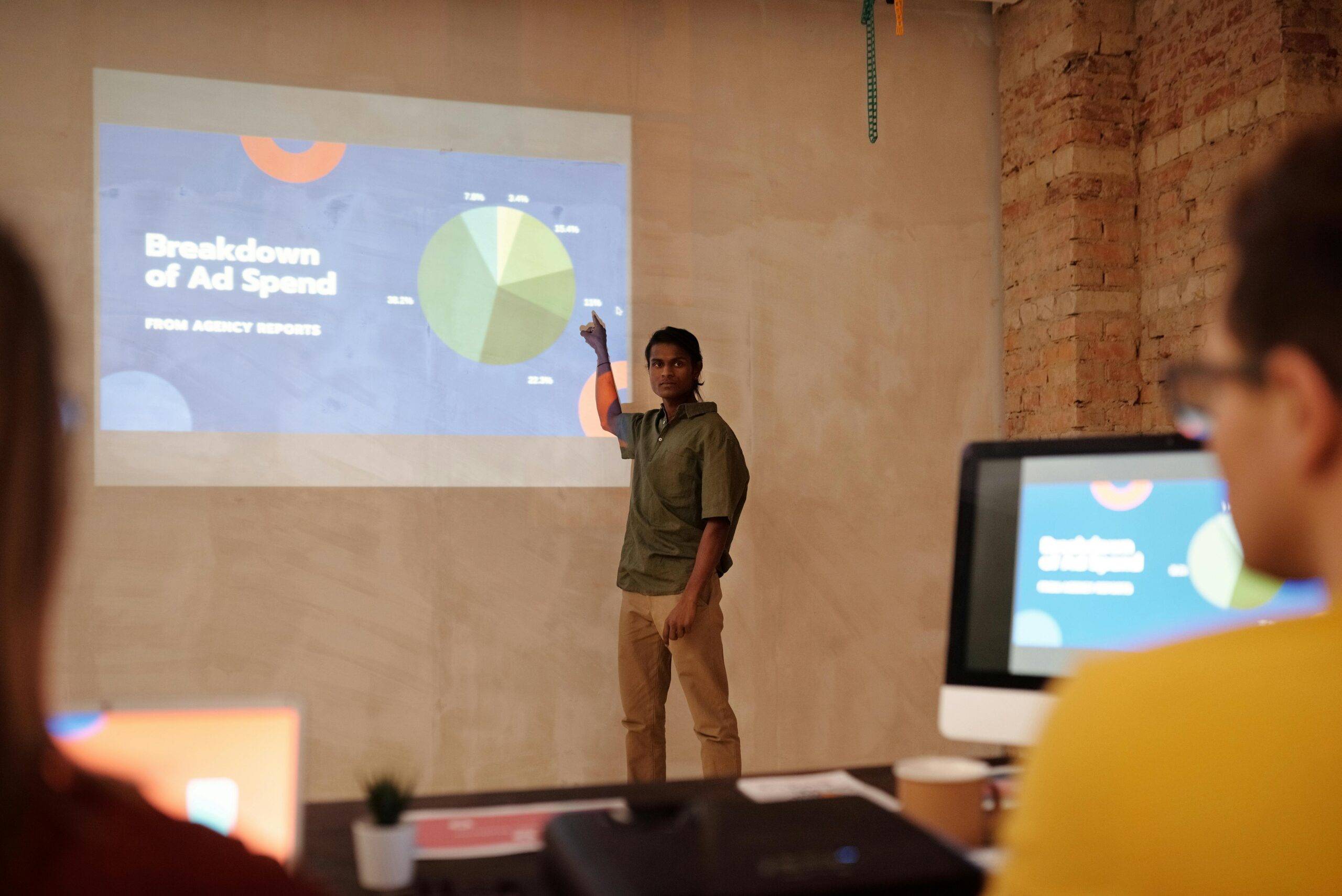
If you can’t measure it, you can’t improve it. We move beyond “likes” and look at hard data: Click-Through Rate (CTR), Conversion Rate, and Cost Per Acquisition (CPA).
We use the Facebook Pixel to track what users do after they click your ad and land on your website. This allows for attribution modeling—understanding which touchpoints actually led to the sale. Tools like Creator Studio help us monitor posting performance and social assets in real-time.
Advanced Tools and Generative AI
The future of a facebook social media marketing strategy lies in AI-augmented workflows. We use AI to help generate ad copy variations, optimize image formats for different placements, and even predict which types of content will perform best based on historical data.
To stay ahead of the curve, check out The Ultimate Guide to Digital Marketing AI. Furthermore, for e-commerce brands, Facebook Commerce Manager is essential for creating catalogs and customizable collections that sync directly with your shopfront.
Common Mistakes and Strategy Refinement
The most common mistake we see? Inconsistency. The Facebook algorithm favors pages that post regularly. If you go dark for three weeks, your reach will plummet. Other pitfalls include:
- Ignoring the data and “posting from the gut.”
- Failing to respond to comments and messages.
- Using low-quality, cluttered visuals.
We use diagnostic tools for growth to identify these gaps in your funnel and refine your strategy until it becomes a predictable lead-generation machine.
Frequently Asked Questions
Is Facebook marketing still relevant?
Absolutely. With over 3 billion monthly users, Facebook is the most popular social network on the planet. Its demographics are diverse, and it remains a powerhouse for social commerce. Facebook’s advertising revenue (over $113 billion in a single year) proves that businesses worldwide find it incredibly profitable.
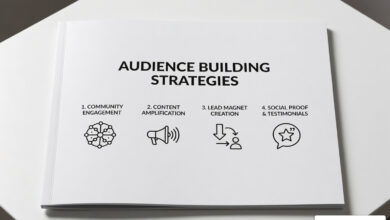
How do I build an audience without ads?
Focus on Groups and “meaningful interactions.” Ask questions that people actually want to answer. Provide value first—teach your industry, share business wins, and be human. Consistency and a growth-oriented traffic generation mindset are key to organic success.
What are the best times to post on Facebook?
While it varies by audience, data generally suggests that weekday mornings (Tuesday-Friday) between 9 AM and noon perform best. However, you should always check your own Meta Business Suite insights to see when your specific followers are most active.
Conclusion
Success on Facebook isn’t about the latest hack or “going viral.” It is about structured growth architecture. At Clayton Johnson SEO, we help founders and marketing leaders move away from fragmented tactics and toward a growth operating system that delivers leverage and compounding results.
Whether you are in Minneapolis or scaling a national brand, your facebook social media marketing strategy should be a predictable engine for your business. Don’t let your marketing be an afterthought—make it your competitive advantage.
Ready to build a strategy that actually works? Master your Facebook social media marketing strategy with us today.