What a Social Media Growth Plan Actually Is (And Why Most Brands Get It Wrong)
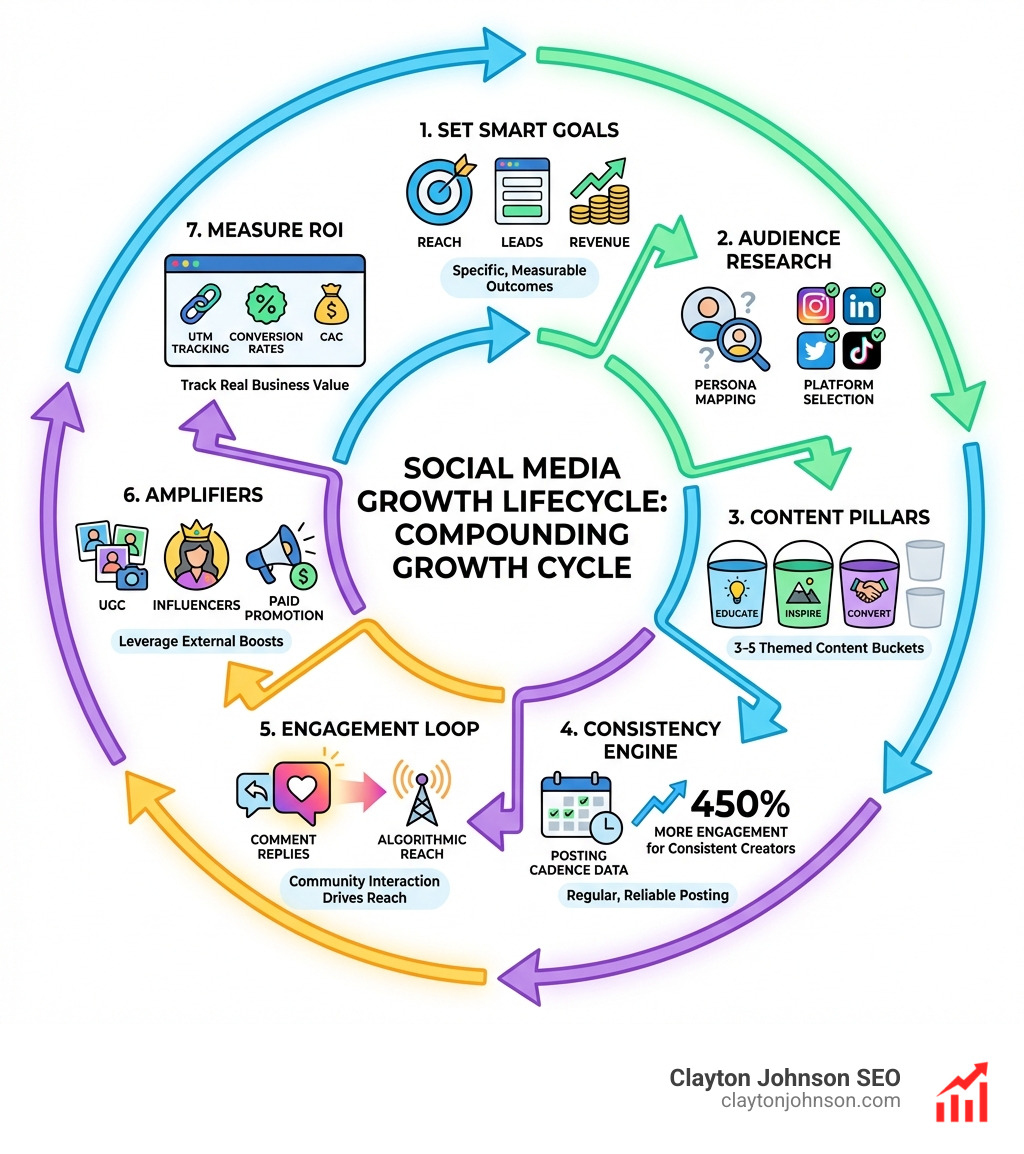
A social media growth plan is a structured, repeatable system for attracting the right audience, earning their attention, and moving them toward a measurable business outcome — not just more followers.
Here is what a strong plan covers:
- Set SMART goals — Specific, Measurable, Attainable, Relevant, Time-bound objectives tied to real business outcomes
- Define your audience — Demographics, psychographics, pain points, and which platforms they actually use
- Build content pillars — 3–5 core themes that guide every post, video, and story you publish
- Show up consistently — Algorithms and audiences both reward regular, reliable posting
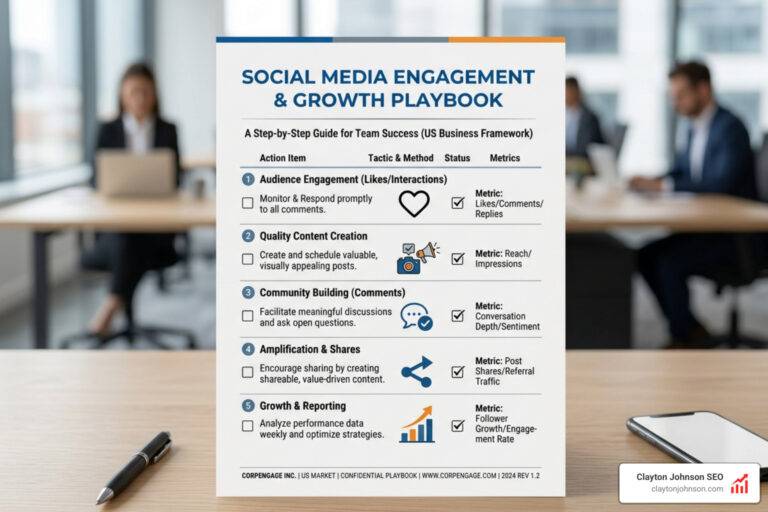
- Engage actively — Reply to comments, ask questions, and treat your community like people, not metrics
- Leverage amplifiers — UGC, influencer partnerships, niche communities, and selective paid promotion
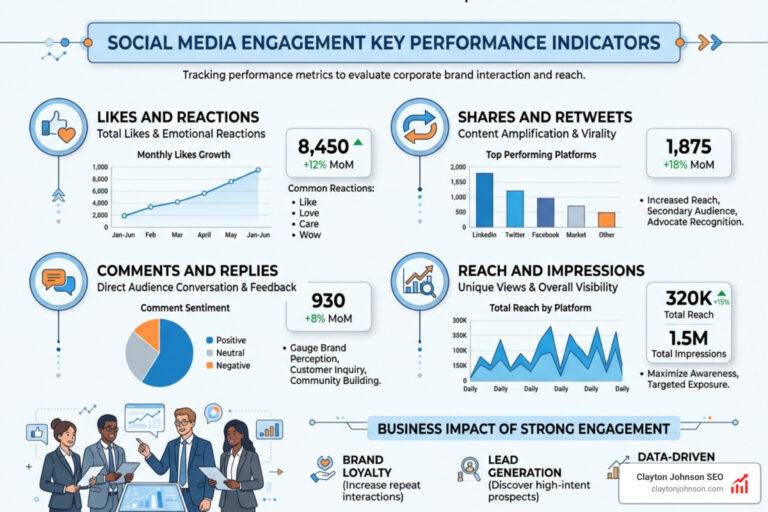
- Measure what matters — Track engagement, reach, leads, and revenue — not just likes
Most brands skip the strategy and go straight to posting. That is why their content feels scattered, their growth stalls, and their social media never connects to actual revenue.
The truth is, organic social media is not dead. But random social media is. As one expert framing puts it, social media marketing should be treated “less like a sale about to happen and more like a tool to build and manage strong relationships with your audience.” That shift in thinking changes everything.
This guide breaks down the full architecture of a social media growth plan — from goal setting to content systems to ROI measurement — so you can build something that compounds over time instead of burning out after a month.
I’m Clayton Johnson, an SEO and growth strategist who builds scalable demand systems for founders and marketing leaders, including the social and content infrastructure that makes a social media growth plan actually convert. The frameworks in this guide come from the same structured, systems-first thinking I apply across 50+ business models.
Social media growth plan terms explained:
Defining Your Social Media Growth Plan and Why It Matters
A social media growth plan is more than just a calendar of posts; it is a strategic roadmap. In an era where organic reach is often suppressed in favor of paid content, having a structured approach is the only way to remain visible. Without a plan, you are essentially “throwing stuff at the wall” and hoping it sticks.
At Clayton Johnson SEO, we view social media as a core component of your brand growth. It serves as a two-way communication channel that allows you to manage your reputation, show authenticity, and understand market trends in real-time. By utilizing frameworks like the RACE Framework by Dave Chaffey, businesses can engage customers through the stages of Reach, Act, Convert, and Engage.
Social media is one of the digital marketing pillars that supports your entire ecosystem. It isn’t just about broadcasting; it’s about relationship building. When you treat social media as a tool for connection rather than just a sales pitch, you build the kind of trust that leads to long-term sustainability.
Setting SMART Goals for Your Social Media Growth Plan
If you don’t know what success looks like, you’ll never know when you’ve achieved it. This is why we insist on the SMART framework: Specific, Measurable, Attainable, Relevant, and Time-bound.
Setting goals like “get more followers” is too vague. Instead, a goal within a social media growth plan should look like: “Increase LinkedIn referral traffic to the website by 15% over the next 90 days.” This gives your team a clear target and a deadline.
Engagement-Oriented vs. Financial-Oriented Goals
It is helpful to categorize your goals to ensure you are balancing brand health with bottom-line results.
| Goal Type | Examples of Metrics | Why It Matters |
|---|---|---|
| Engagement-Oriented | Shares, Comments, Mentions, Sentiment | Measures brand affinity and community health. |
| Financial-Oriented | Leads Generated, Clicks, Conversion Rate, Sales | Measures direct impact on revenue and demand generation. |
Without metrics, you’ll never understand what you’re truly capable of achieving. Data-driven planning ensures that every post serves a purpose, whether it’s warming up a cold audience or closing a deal.
Aligning Your Social Media Growth Plan with Business ROI
For a social media growth plan to be taken seriously by leadership (or your own bank account), it must tie back to ROI. We often hear that social media is “hocus-pocus,” but with the right tracking, it becomes a measurable science.
We recommend using GA4 campaign tagging with UTM parameters religiously. This allows you to see exactly which post led to a lead or a sale. Tracking “velocity”—the speed at which you are acquiring qualified leads—is often more telling than a one-time jump in follower count from a giveaway.
To truly master this, you need a B2B demand gen audit to see how social media fits into your wider sales funnel. Are your social efforts assisting revenue, or are they just “decor”? If it can’t be tied back to a north-star metric like email capture or trials started, it needs to be re-evaluated.
Identifying Your Target Audience and Niche Communities
You cannot be everything to everyone. The most successful brands on social media are those that go deep into specific subcultures.
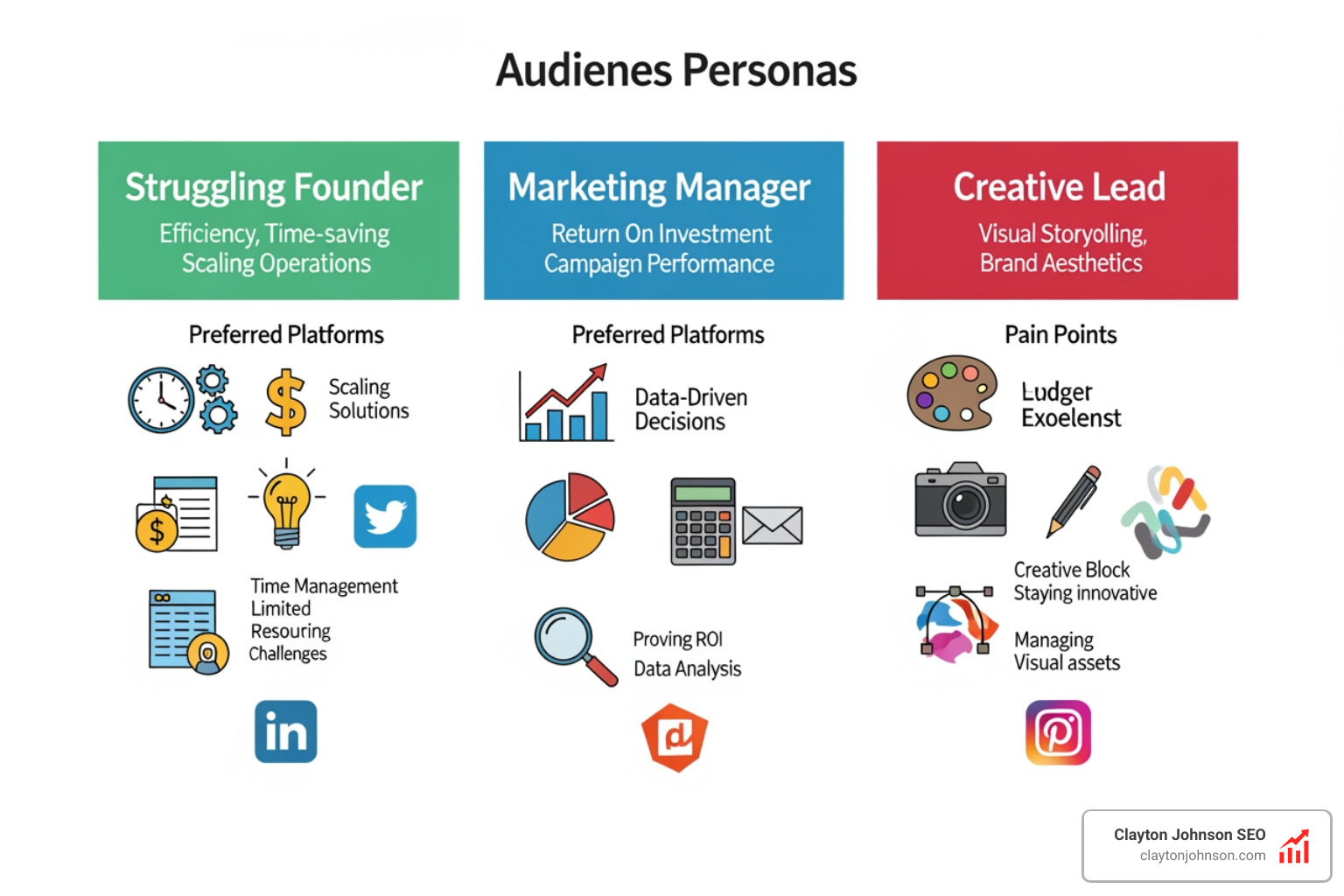
To identify your audience, look beyond basic demographics. Use the “Jobs to Be Done” framework: What “job” is your customer hiring your content to do? Are they looking to be entertained during a lunch break, or are they looking for an “edge” in their professional life?
Emotional and Rational Barriers
Understanding your audience means knowing what stops them from clicking.
- Rational Barriers: “Is this too expensive?” “Does this integrate with my current tools?”
- Emotional Barriers: “Will I look stupid if I recommend this?” “Can I trust this brand?”
By using social media listening, you can identify these barriers and create content that addresses them directly. This also helps you define a tone of voice that resonates. Are you a humorous disruptor like Wendy’s, or an authoritative guide like a top-tier B2B firm? Consistency in this voice is what makes a brand memorable.
Developing a High-Impact Content and Engagement Strategy
Content is the fuel for your social media growth plan. In the current landscape, original content is what makes brands stand out—around half of consumers say it’s what makes their favorite brands memorable.
The Video-First Mandate
Platforms are increasingly favoring dynamic media. A video-first strategy is no longer optional; it is the baseline.
- The 3-Second Hook: You have three seconds to stop the scroll. If you don’t hook them immediately, you’ve lost them.
- Silent Viewing: Most people watch social videos without sound. Use real-time speech-to-text for live captions or “burn-in” subtitles to ensure your message gets across.
- Social SEO: Optimize your content for discovery. Use keywords in your captions and on-screen text. On Instagram, utilize alt-text optimization to help the algorithm categorize your content.
For a deeper dive into how content drives growth, check out our essential guide to demand generation.
The Power of Consistency in Your Social Media Growth Plan
Consistency is the “magic ingredient” that most people underestimate. Algorithms reward stable posting behavior because it signals that your account is active and relevant.
The data is startling: creators who posted in 20 or more weeks out of a 26-week window saw roughly 450% more engagement per post compared to sporadic posters. Even posting in half that window still delivered a 340% lift.
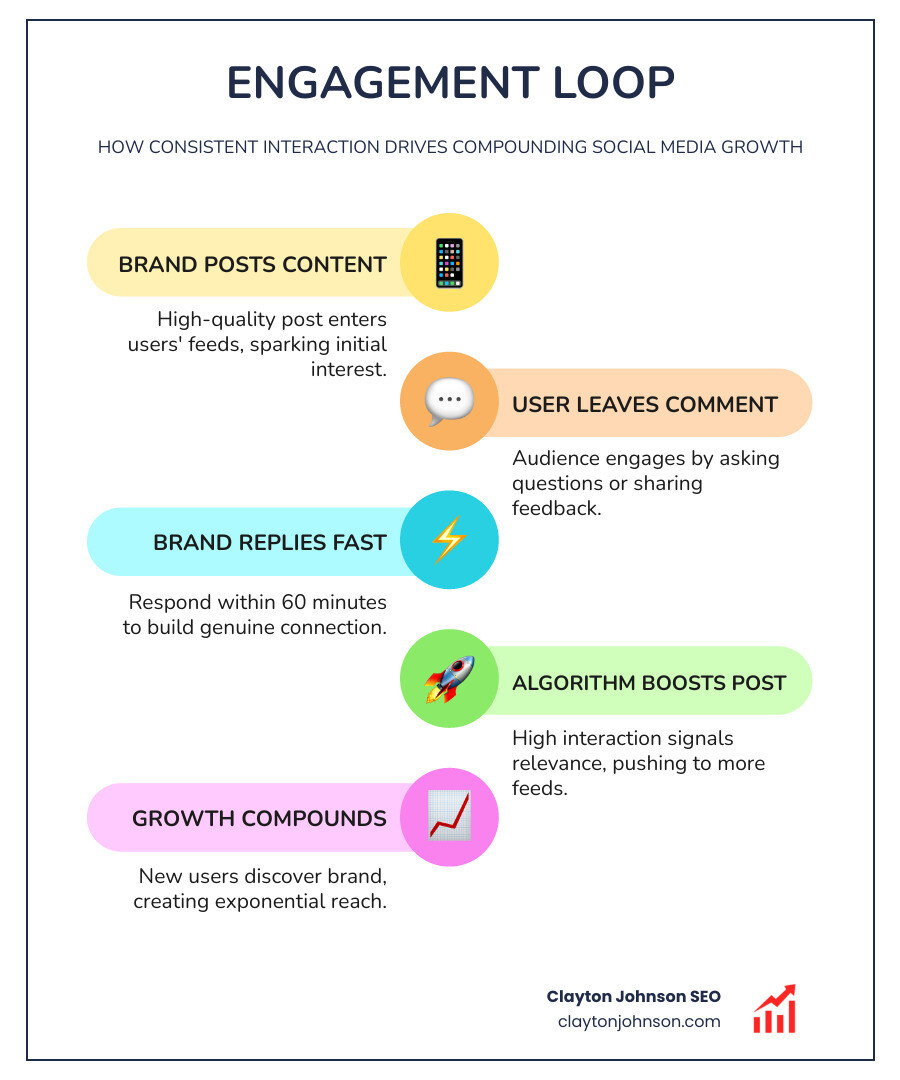
But consistency isn’t just about the algorithm; it’s about the “Engagement Loop.” When you reply to comments, you trigger a human connection that the platform rewards.
- Threads: Replying can lead to 42% higher engagement.
- LinkedIn: Associated with a 30% lift.
- Instagram: Associated with a 21% lift.
Treat the comment section as an extension of your content. It’s where relationships are built and where you can find digital marketing tips hidden in your audience’s questions.
Accelerating Growth with UGC, Influencers, and Paid Promotion
While organic growth is the foundation, you can accelerate your social media growth plan by leveraging others’ audiences and selective spending.
User-Generated Content (UGC) and Influencers
UGC acts as powerful social proof. Brands like Glossier built empires by promoting user content and fostering authentic interactions without relying heavily on paid ads. Similarly, Airbnb uses “regramming” to give their feed a sense of authenticity that studio shots can’t match. 90% of millennials view authenticity as vital, making UGC a gold mine for trust.
When it comes to influencers, prioritize value alignment over follower count. A micro-influencer with 10,000 highly engaged followers is often more valuable than a celebrity with a million passive ones.
Strategic Paid Promotion
Organic growth is great, but social media advertising allows you to scale what’s already working.
- Boost the Winners: Don’t waste money on underperforming posts. Use organic as a testing ground, then put budget behind the “winners.”
- Retargeting: Use pixels to show ads to people who have already visited your site or engaged with your content.
- Employee Advocacy: Arm your team with shareable posts. People trust people more than they trust brands. Tools like Sprout Social Employee Advocacy can multiply your reach instantly.
For a full look at how these pieces fit together, explore our growth systems architecture.
Frequently Asked Questions about Social Media Growth
How do you measure the ROI of social media?
Measuring ROI requires moving past vanity metrics like “likes.” You need to track conversions, leads, and assisted revenue. By using UTM parameters and GA4 set up for key events, you can connect social media clicks to actual dollars in your CRM. Some studies suggest a return of $2.80 for every dollar invested, but this only happens when you have clear financial tracking in place.
What is the balance between organic and paid content?
Think of organic as your “home” and paid as your “outreach.” Organic content builds trust, shows your brand’s personality, and handles customer service. Paid content is for scale and targeting specific ICP (Ideal Customer Profiles). A healthy hybrid strategy uses organic to test ideas and paid to amplify the ones that resonate.
How often should I post to see real growth?
Growth is about a sustainable rhythm, not extreme volume. For most platforms, 3–5 high-quality posts per week is the “sweet spot.” Pushing to 6–10 posts can see higher reach, but only if the quality doesn’t drop. Diminishing returns kick in if you burn out. Consistency over 20+ weeks is the most reliable predictor of success.
Conclusion: Building Your Structured Growth Architecture
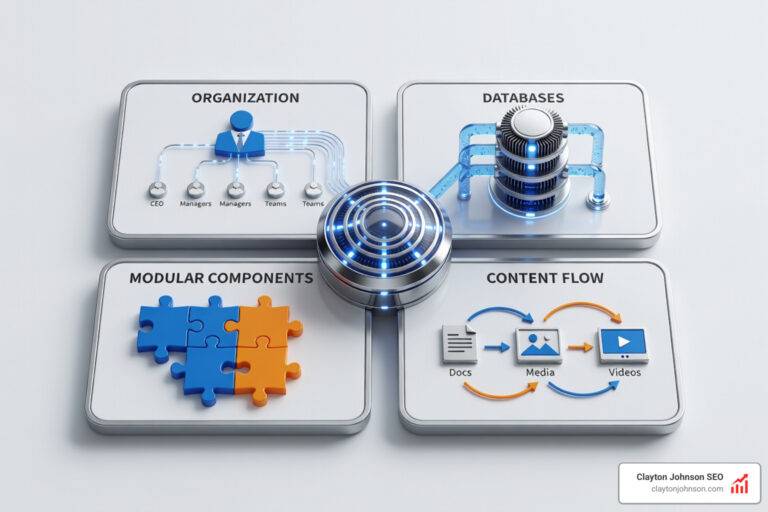
A successful social media growth plan is not a series of lucky viral moments; it is a piece of structured growth architecture. At Demandflow.ai, we believe that clarity leads to structure, which leads to leverage, and ultimately, compounding growth.
Most companies don’t lack tactics—they lack the system to make those tactics work together. By setting SMART goals, deeply understanding your audience, maintaining a consistency engine, and measuring the results with financial discipline, you turn social media from a “time sink” into a revenue driver.
If you are ready to stop “guessing” and start growing, we can help you implement these systems.