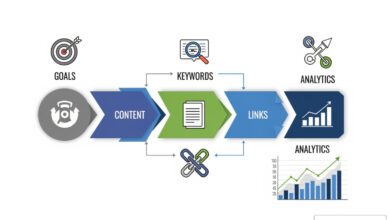
The Only SaaS SEO Checklist You Will Ever Need

Why SaaS Companies Can’t Afford to Skip Organic Search
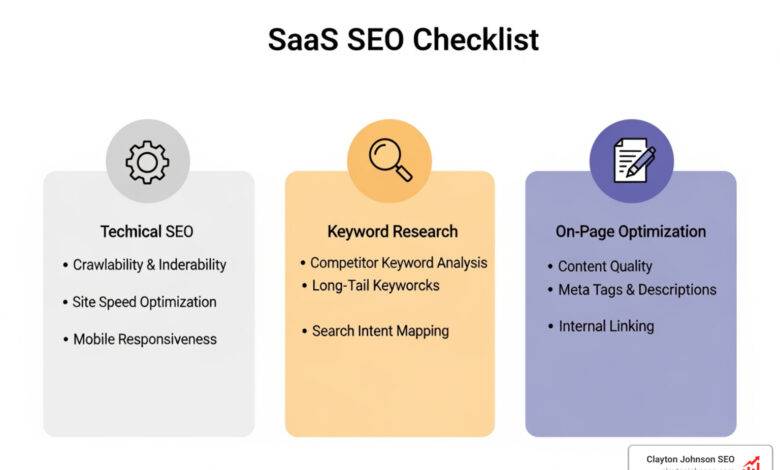
A saas seo checklist is the fastest way to stop guessing and start ranking. Here is a quick overview of what a complete SaaS SEO checklist covers:
- Technical SEO – Fix crawlability, indexing, site speed, HTTPS, and Core Web Vitals
- Keyword Research – Map keywords to TOFU, MOFU, and BOFU funnel stages
- On-Page Optimization – Optimize titles, meta tags, headers, schema, and E-E-A-T signals
- Content Strategy – Build topic clusters and pillar pages around your ICP
- Link Building – Earn authority through directories, digital PR, and guest posts
- Performance Tracking – Measure organic traffic, MQLs, pipeline revenue, and ROI
SaaS buyers are different from most consumers. Before they ever talk to your sales team, they have already searched Google dozens of times. They compare tools. They read reviews. They dig into use cases and pricing. That research journey is your biggest opportunity.
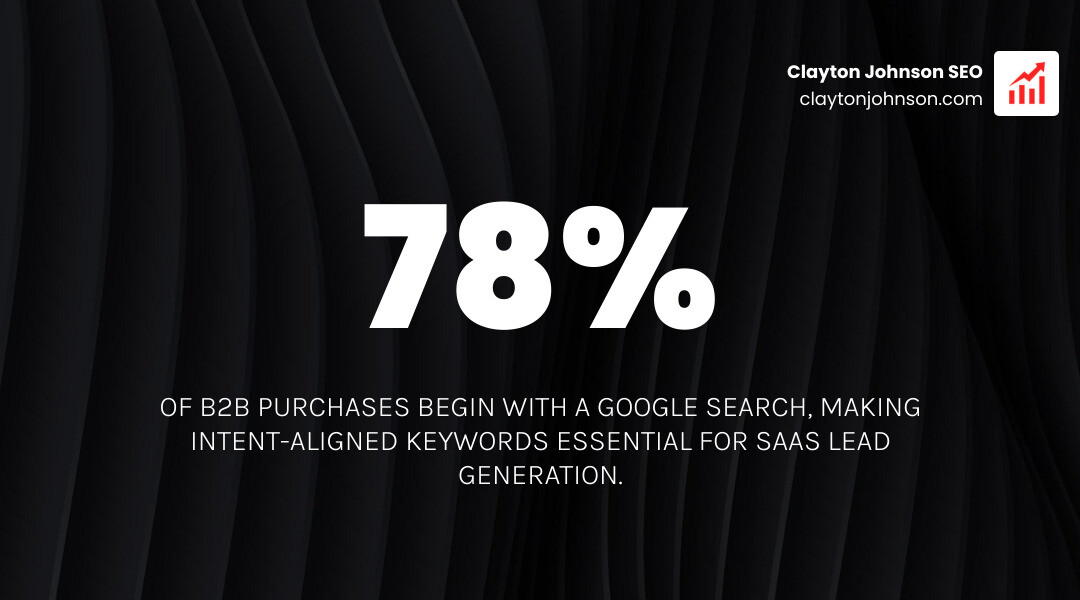
The numbers back this up. Over 8.5 billion searches happen on Google every single day. And 78% of B2B purchases start with a Google search. If your SaaS product is not showing up in those moments, a competitor is.
What makes SEO especially powerful for SaaS is the compounding effect. Unlike paid ads, which stop the moment your budget runs out, organic traffic builds over time. Each optimized page, each earned backlink, and each content cluster you publish keeps working for you long after you hit publish.
But here is the problem most SaaS teams run into: they treat SEO as a collection of one-off tasks rather than a system. They fix a few meta tags, publish some blog posts, and wonder why the leads are not coming. SEO for SaaS requires a structured, repeatable framework — not random effort.
That is exactly what this guide gives you.
I’m Clayton Johnson, an SEO strategist with nearly two decades of experience building scalable organic growth systems for SaaS and B2B companies. I have used this exact saas seo checklist framework to help businesses move from invisible to ranking — driving qualified pipeline, not just vanity traffic. Let’s get into every step you need to execute.

The Definitive SaaS SEO Checklist for Technical Excellence
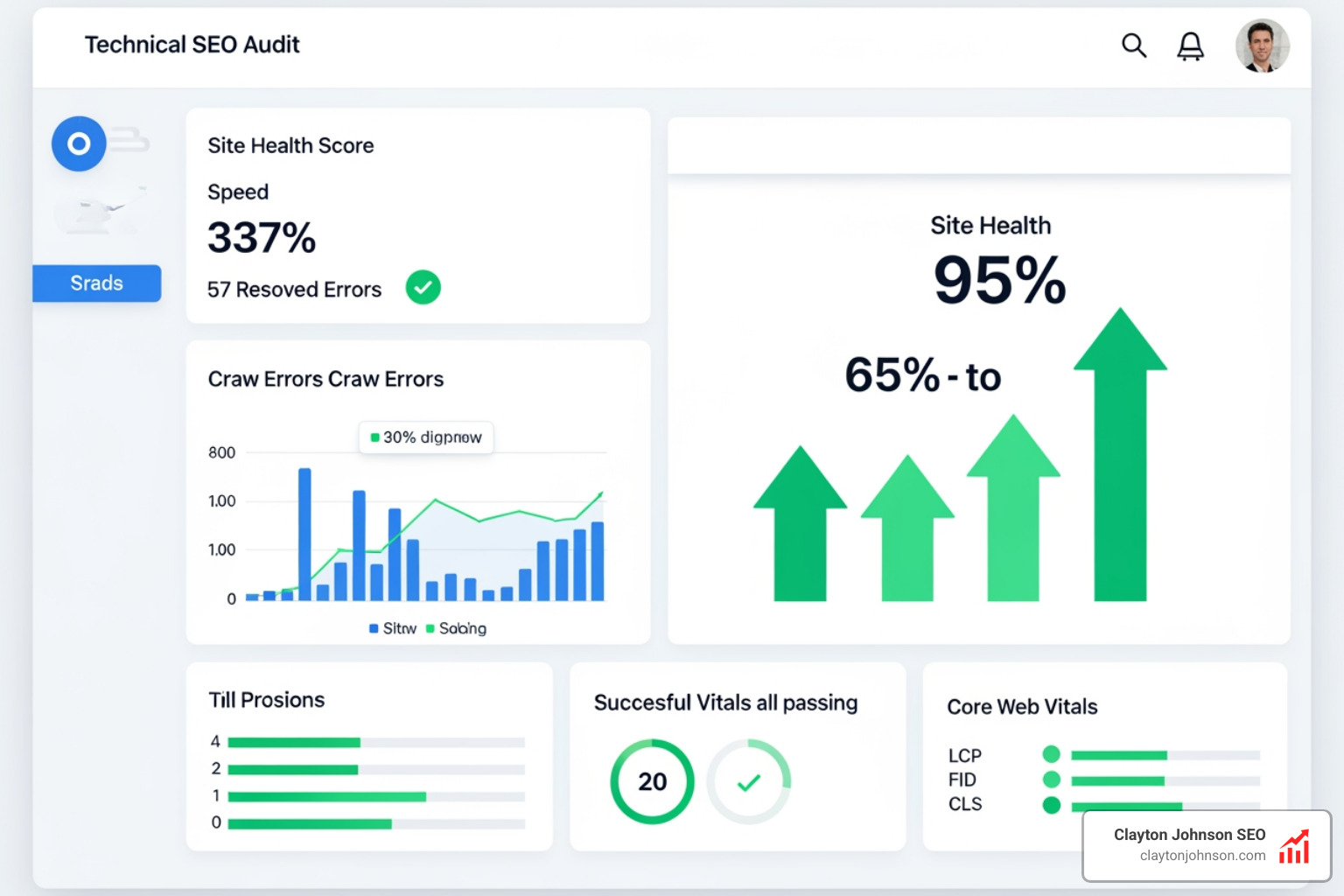
Technical SEO is the foundation of your entire growth engine. If Google cannot crawl your site or if your pages take ten seconds to load, even the best content in the world will not save you. Research shows that SaaS companies get 68% of their organic traffic through SEO, but that traffic only arrives if your technical house is in order.
With over 8.5 billion searches occurring daily, your site needs to be a high-performance machine. Here is your technical saas seo checklist:
1. Master Your Crawlability and Indexation
We need to ensure Google sees exactly what we want it to see. Use Search Console to monitor your “Index Coverage” report. Look for “Excluded” pages that should be indexed and “Indexed” pages that should be hidden (like your internal app pages or staging site).
- Robots.txt: Ensure you are not accidentally blocking high-value landing pages.
- XML Sitemaps: Submit a clean sitemap to GSC. For SaaS, we often have thousands of pages; keep your sitemap updated and free of 404s.
- Canonical Tags: Use these to prevent duplicate content issues, especially if you have multiple versions of feature pages.
2. Optimize for Speed and Core Web Vitals
Site speed is not just a “nice-to-have” anymore; it is a ranking factor. A one-second delay can lead to a massive drop in conversions. Use Google Lighthouse to audit your performance.
- LCP (Largest Contentful Paint): Aim for under 2.5 seconds.
- CLS (Cumulative Layout Shift): Ensure your page elements don’t jump around while loading.
- Image Optimization: Use WebP formats and compress assets to keep load times low.
3. Mobile-First Optimization
Since Google moved to mobile-first indexing, your mobile site is your primary site. Use the Mobile-Friendly Test in GSC to verify that your buttons are clickable and your text is readable on smaller screens. Many SaaS platforms have complex pricing tables that break on mobile — do not let that be you.
4. Fix Redirects and Broken Links
Broken links are “dead ends” for both users and search crawlers. Use Screaming Frog to crawl your site and identify:
- 404 Errors: Redirect these to the most relevant live page.
- Redirect Chains: If Page A redirects to Page B, which redirects to Page C, you are wasting crawl budget. Point A directly to C.
- HTTPS: Site security is mandatory. Ensure your SSL certificate is valid and all “http” versions redirect to “https.”
For more on building a robust technical base, check out our insights on core SEO systems.
Strategic Keyword Research and SaaS SEO Checklist Funnel Mapping
In SaaS, we don’t just target keywords; we target intent. A person searching for “what is project management” is at a very different stage than someone searching for “Asana vs. Monday pricing.”
Your saas seo checklist must align with the buyer’s journey. Since 78% of B2B purchases begin with a search, we need to be present at every step.
Mapping the SaaS Funnel
We categorize keywords into three main buckets:
| Funnel Stage | Intent Type | Example Keyword | Goal |
|---|---|---|---|
| TOFU (Top of Funnel) | Educational | “How to improve team productivity” | Awareness & Brand Trust |
| MOFU (Middle of Funnel) | Comparison/Solution | “Best project management software” | Consideration & Lead Gen |
| BOFU (Bottom of Funnel) | Transactional | “[Product Name] reviews” or “pricing” | Conversion & Sign-ups |
Finding the High-ROI Opportunities
Use tools like Ahrefs or SEMrush to find “competitor gaps.” Look for keywords your competitors rank for that you have ignored.
- ICP Mapping: Start by defining your Ideal Customer Persona. What keeps them up at night? What specific problems does your software solve?
- Problem-Solution Keywords: Target the pain points. If your SaaS helps with “automated invoicing,” create content around “how to stop manual billing errors.”
- Commercial Intent: Prioritize TOFU Keywords that lead naturally into your product.
- Topic Clusters: Instead of writing random blog posts, build a “Pillar Page” (e.g., The Ultimate Guide to CRM) and link multiple sub-topic articles to it. This signals to Google that you are an authority in that niche.
We focus on building keyword strategy frameworks that prioritize revenue over vanity volume.
On-Page Optimization and E-E-A-T for Product Pages
Your product and landing pages are where the magic happens. They need to rank, but they also need to convert. This requires a mix of traditional on-page SEO and the demonstration of E-E-A-T (Experience, Expertise, Authoritativeness, and Trustworthiness).
1. Implementing Schema Markup
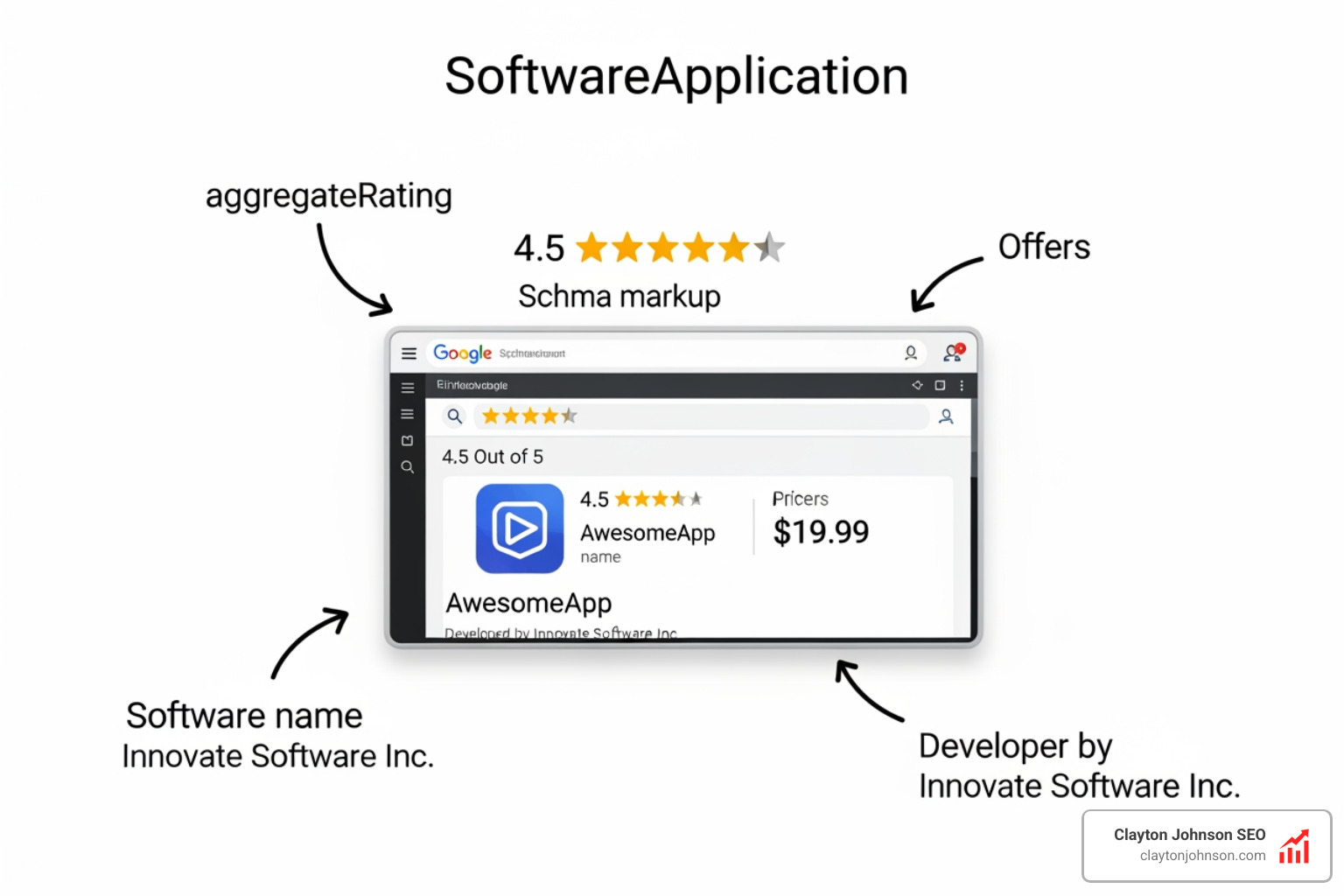
Schema helps search engines understand what your page is about. For SaaS, the most important type is the SoftwareApplication schema. This can help you get those “star ratings” and pricing info directly in the search results.
- Use Google’s Rich Results Test to see if your code is working.
- Use the Structured Data Markup Helper to generate the code without needing a developer.
2. Crafting High-Performance Meta Tags
Your title tag is your “headline” in the SERPs.
- Title Tags: Keep them under 60 characters. Include your primary keyword and a benefit (e.g., “Best Invoicing Software | Save 10 Hours a Week”).
- Meta Descriptions: These don’t directly impact rankings, but they do impact Click-Through Rate (CTR). Write them like ad copy.
3. Demonstrating E-E-A-T
Google wants to rank content written by experts. In SaaS, this means:
- Author Bios: Every blog post should have a bio for the author, linking to their LinkedIn or professional profile.
- Trust Signals: Include badges from G2, Capterra, or SOC2 compliance.
- Customer Proof: Embed real testimonials and case study links directly on your product pages.
4. Semantic Keywords and Internal Linking
Don’t just repeat your main keyword. Use “semantic” or related terms. If you are targeting “CRM software,” also use terms like “pipeline management,” “lead tracking,” and “sales automation.”
- Internal Linking: Link from your high-authority blog posts to your product pages using descriptive anchor text. This passes “link equity” and helps Google crawl your site more effectively.
Learn more about how we use AI SEO systems to enhance on-page performance.
Scalable Link Building and SaaS SEO Checklist Authority Systems
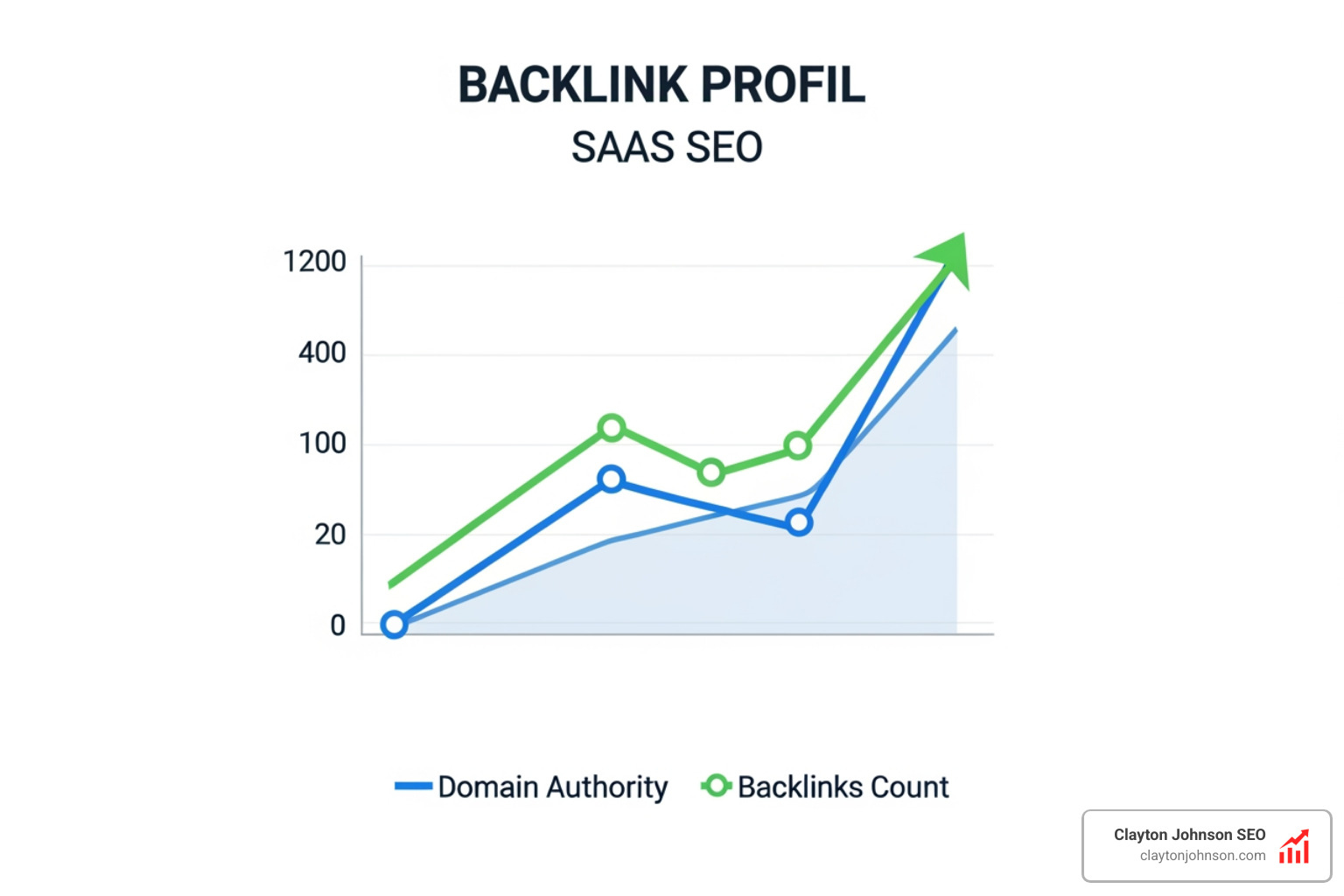
Links are the “votes of confidence” in the eyes of Google. However, in SaaS, we don’t want just any links; we want relevant authority. A link from a major tech blog is worth a thousand links from random directories.
Proven SaaS Link Building Tactics
- SaaS Directories: This is the “low-hanging fruit.” Get your product listed on G2, Capterra, and Product Hunt. These sites have massive authority and often rank for your “best [category] software” keywords.
- Digital PR & HARO: Use HARO (Help A Reporter Out) to provide expert quotes to journalists. This is a great way to land links on high-tier news sites.
- Guest Posting: Write high-quality articles for other sites in your industry. Focus on sites that your ICP actually reads.
- Unlinked Mentions: Set up Google Alerts for your brand name. If someone mentions your SaaS but doesn’t link to it, reach out and politely ask for a link.
- Linkable Assets: Create something so useful people have to link to it. This could be an original industry report, a free tool (like a calculator), or a set of templates.
The Authority Loop
We believe in building traffic generation systems where your content naturally attracts links because it is the most helpful resource available.
Tracking Performance and ROI Metrics
If you can’t measure it, you can’t improve it. For SaaS, we need to look beyond just “organic traffic.” We need to see how that traffic moves through the revenue funnel.
Key SaaS SEO KPIs
- Organic Traffic: The baseline. Is it growing month-over-month?
- Branded vs. Non-Branded Traffic: Branded traffic shows brand awareness; non-branded traffic shows your SEO is working to attract new customers.
- Keyword Rankings: Track your “money keywords” (BOFU terms).
- MQLs and SQLs: How many Marketing Qualified Leads and Sales Qualified Leads is SEO generating?
- Pipeline Revenue: The ultimate metric. How much actual dollar value is SEO contributing to your sales pipeline?
- LTV:CAC: Your Lifetime Value to Customer Acquisition Cost ratio. SEO should significantly lower your CAC over time compared to paid ads.
Using Data to Iterate
Don’t just set it and forget it. Use your SEO dashboard to find pages with high traffic but low conversions. These are your biggest opportunities for conversion optimization. Maybe the CTA is weak, or the content doesn’t match the user’s intent.
Future-Proofing with AI and Search Intent Systems
The search landscape is changing. With AI Overviews and zero-click searches, we need to adapt our saas seo checklist for the next generation of search.
1. Optimizing for AI Overviews
Google’s AI now summarizes answers at the top of the page. To show up here, your content needs to be structured, factual, and direct.
- Check out our video covering 4 ways to rank better in AI Overviews and AI platforms for a deep dive.
- Use clear headings and bulleted lists to make it easy for AI to parse your data.
2. Entity Optimization and Semantic SEO
Search engines are moving away from “keywords” and toward “entities” (concepts). We need to ensure our site is seen as an authority on the entities related to our software. If you sell “HR software,” your site should cover payroll, benefits, hiring, and compliance exhaustively.
3. Predictive Analytics
We use AI tools to predict which keywords will become more valuable and which content is likely to decay. This allows us to stay ahead of the curve rather than reacting to algorithm updates.
Conclusion: Building Your Sustainable Growth Engine
A saas seo checklist is more than just a list of tasks; it is a blueprint for a durable business. When paid acquisition costs are skyrocketing, organic search remains the most scalable and cost-effective way to grow your SaaS.
At Clayton Johnson SEO, we don’t just chase temporary rankings. We build scalable traffic systems and content architectures that stand the test of time. Our philosophy is simple: Clarity lead to Structure, which creates Leverage, resulting in Compounding Growth.
By focusing on system-level thinking — from technical depth to strategic positioning — we turn fragmented marketing efforts into coherent growth engines. Whether you are a founder looking to bootstrap your way to the top or an operator scaling an enterprise solution, the principles remain the same:
- Build a flawless technical foundation.
- Map your content to the buyer’s intent.
- Demonstrate authority through E-E-A-T and quality links.
- Measure what matters (revenue, not just clicks).
If you are ready to stop guessing and start building a measurable growth engine, we are here to help. Explore how our SEO consultants can help you operationalize these systems for your business.
Let’s turn your search visibility into your greatest competitive advantage.