50 Shades of Gold: The World’s Best Hotels

The World’s Best Hotels: Where Excellence Meets Experience
The best luxury hotels in the world combine world-class service, stunning design, and unforgettable experiences that stay with you long after checkout.
Here’s a quick look at the top picks from leading global rankings:
| Rank | Hotel | Location |
|---|---|---|
| 1 | Rosewood Hong Kong | Hong Kong |
| 2 | Four Seasons Bangkok at Chao Phraya River | Bangkok |
| 3 | Capella Bangkok | Bangkok |
| 4 | Passalacqua | Lake Como, Italy |
| 5 | Raffles Singapore | Singapore |
| 6 | Atlantis The Royal | Dubai |
| 7 | Mandarin Oriental Bangkok | Bangkok |
| 8 | Claridge’s | London |
| 9 | Aman Tokyo | Tokyo |
| 10 | Soneva Fushi | Maldives |
These rankings draw from sources like The World’s 50 Best Hotels, Forbes Travel Guide, and Condé Nast Traveler’s Gold List — each using a different but rigorous approach to measuring excellence.
What separates a truly world-class hotel from a very good one? It’s rarely just the thread count. It’s the feeling you get when a butler anticipates your needs before you voice them. It’s a suite that tells the story of its city. It’s a spa that leaves you genuinely transformed.
Some hotels earn their place through peer recognition from an academy of over 800 global experts. Others are vetted by anonymous inspectors evaluating up to 900 objective criteria. And some simply win the hearts of editors who have slept in hundreds of beds across dozens of countries.
This guide pulls from all of those sources to give you the clearest, most complete picture of where luxury hospitality is thriving right now.
I’m Clayton Johnson, an award-winning SEO strategist and avid traveler who has spent years studying how the best luxury hotels in the world build their reputations — both offline and in search. I’ll walk you through what the top rankings reveal, what they miss, and which properties genuinely deserve your attention.

Defining the Best Luxury Hotels in the World
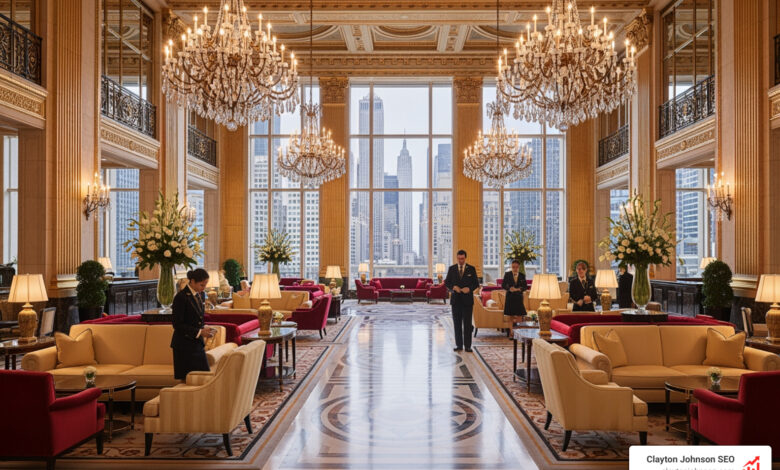
When we talk about the best luxury hotels in the world, we aren’t just discussing expensive rooms. We are looking at a rare intersection of operational precision and emotional resonance. True excellence in hospitality is a moving target; it shifts based on cultural trends, technological integration, and the evolving expectations of global travelers.
To define a “best” list, we look at several pillars:
- Service Standards: The ability to provide intuitive, personalized care.
- Architectural Design: Buildings that serve as landmarks and interiors that offer a sense of place.
- Cultural Authenticity: Properties that don’t just sit in a city but are woven into its fabric.
- Verified Luxury: Objective benchmarks that ensure every guest receives a consistent level of quality.
The Gold Standard: What Defines the Best Luxury Hotels in the World?
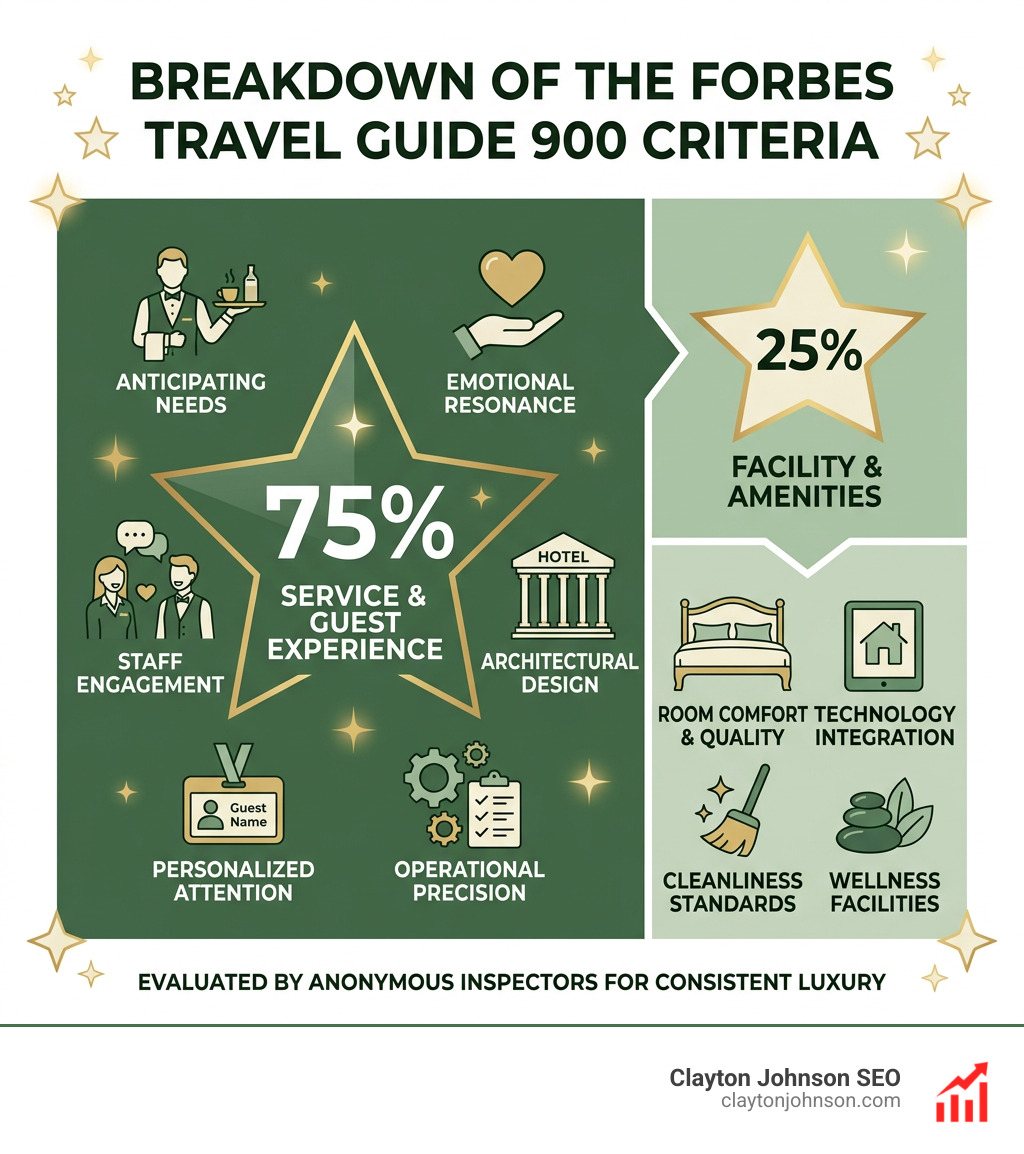
While many lists rely on popular vote, the Forbes Travel Guide Star Award winners represent a more clinical approach to luxury. Their system uses incognito inspectors who stay a minimum of two nights at every property they rate. These experts evaluate hotels against up to 900 objective criteria.
Interestingly, Forbes places a much higher weight on service (roughly 75%) than on the physical facility (25%). This is because luxury is ultimately a feeling. You might forget the color of the marble in the bathroom, but you will never forget how the staff handled a lost passport or a special anniversary. This focus on operational excellence is what we call “verified luxury.”
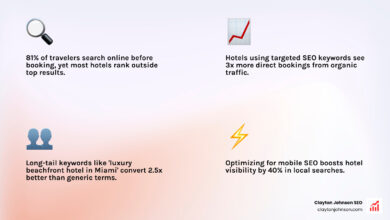
For hotel owners, achieving this level of recognition is about more than just hiring the right staff; it’s about visibility. Understanding how to make your hotel the star of google search is essential for ensuring that these high standards are actually seen by the right audience.
Iconic Stays and Editor Favorites
Beyond the data-driven checklists, there is the “editor’s eye.” The Condé Nast Gold List editor favorites highlight properties that create lifelong memories through sheer character.
Take the Rosewood Hong Kong, currently sitting at the top of many global lists. It’s praised not just for its vertical grandeur but for its “Manor Club” and a design that feels like a private residence rather than a 413-room hotel. In Europe, the Hôtel de Crillon in Paris stands as a monument to French history. After its massive renovation, it successfully blended 18th-century palace vibes with a contemporary, vibrant energy that feels alive rather than like a museum.
Then there are the “Grandes Dames” that never go out of style:
- Raffles Singapore: The birthplace of the Singapore Sling and a true oasis of colonial-era architecture.
- Claridge’s London: A Mayfair icon that has hosted royalty and remains the pinnacle of Art Deco elegance.
- Amanpuri Phuket: The original Aman resort that set the standard for “barefoot luxury” on its own private peninsula.
Boutique Gems and Hidden Escapes
Not every world-class stay requires a thousand-dollar-a-night budget. Platforms like Mr & Mrs Smith curate a collection of over 2,300 boutique properties that often prioritize personality over pomp. These “hidden gems” are frequently design-led and offer a more intimate connection to the destination.
For travelers who value Trustpilot reviews and peer-to-peer feedback, boutique stays provide a sense of discovery. We are seeing a massive shift toward these smaller, more agile properties. In fact, many founders are looking for more info about boutique hotel growth systems to help these independent stays compete with the marketing budgets of the major global chains. Affordable luxury in places like Georgia or Rajasthan is proving that you can have a “five-star” experience for a fraction of the price of a London suite.
The Systems Behind Global Hospitality Excellence
At Clayton Johnson SEO, we look at the hospitality world through a different lens. While the guests see the infinity pool, we see the technical SEO, content architecture, and strategic positioning that put that pool on the guest’s screen in the first place.
The best luxury hotels in the world don’t just happen; they are built on growth frameworks. This involves:
- Intent Modeling: Understanding exactly what a luxury traveler is looking for (e.g., “wellness retreat” vs. “city stay”).
- Competitive Analysis: Knowing how a property in Bangkok stacks up against one in Dubai.
- Scalable Traffic: Building a digital ecosystem that attracts guests year-round.
- AI-Augmented Marketing: Using modern tools to personalize the guest journey before they even arrive.
Expert Consensus on the Best Luxury Hotels in the World
The World’s 50 Best Hotels list is voted on by an International Academy of over 800 experts. While prestigious, this list often sparks debate. Critics point to a heavy bias toward city hotels—Bangkok, for instance, dominated the top 10 recently with properties like the Four Seasons and Capella.
There’s also the question of “trendy” vs. “timeless.” Some experts question the inclusion of lifestyle-heavy properties like Desa Potato Head in Bali, suggesting they might lack the depth of service found at a traditional icon like the Mandarin Oriental.
| Feature | The World’s 50 Best | Forbes Travel Guide |
|---|---|---|
| Voters | 800+ Industry Experts | Anonymous Inspectors |
| Method | Subjective Voting | 900 Objective Criteria |
| Focus | Prestige & Trends | Service & Consistency |
| Vibe | “The Cool List” | “The Quality List” |
Emerging Trends in High-End Travel
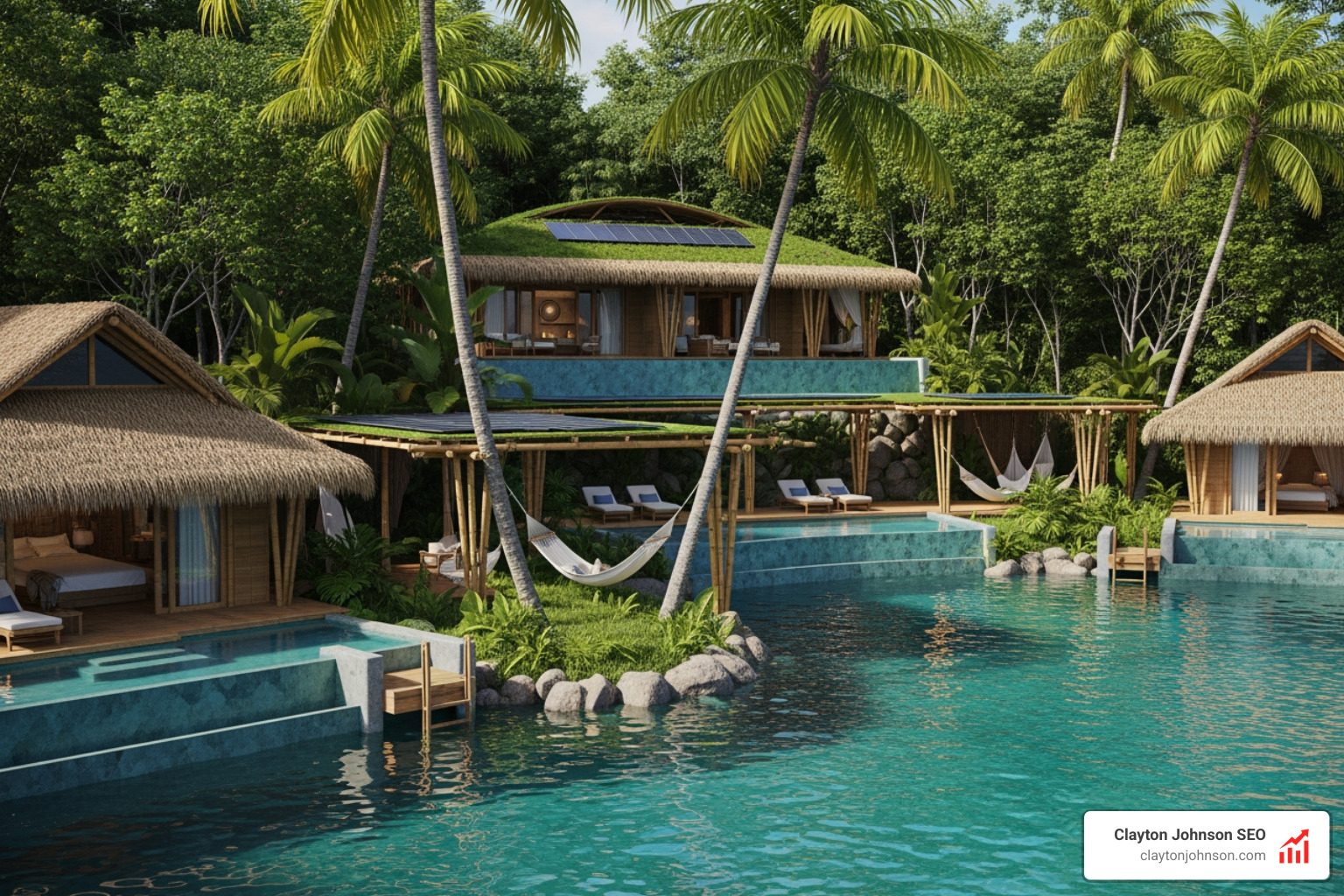
Modern luxury is moving away from gold-plated faucets and toward Sustainability and Wellness. The “Aman” philosophy is a perfect example. Aman Tokyo, located in the Otemachi Tower, uses traditional Japanese design—washi paper, stone furo baths, and engawa platforms—to create a sense of profound serenity in the middle of a chaotic metropolis.
We are seeing a trend toward:
- Wellness Retreats: Places like Chiva-Som in Thailand that focus on 360-degree mental and physical health.
- Eco-Conscious Design: Resorts that give back to the land, like El Questro in Australia, which recently returned 400,000 acres to traditional landowners.
- Cultural Immersion: Hotels that offer unscripted experiences, like the “no-menu” dining at The Nautilus Maldives.
Building a Legacy of Excellence
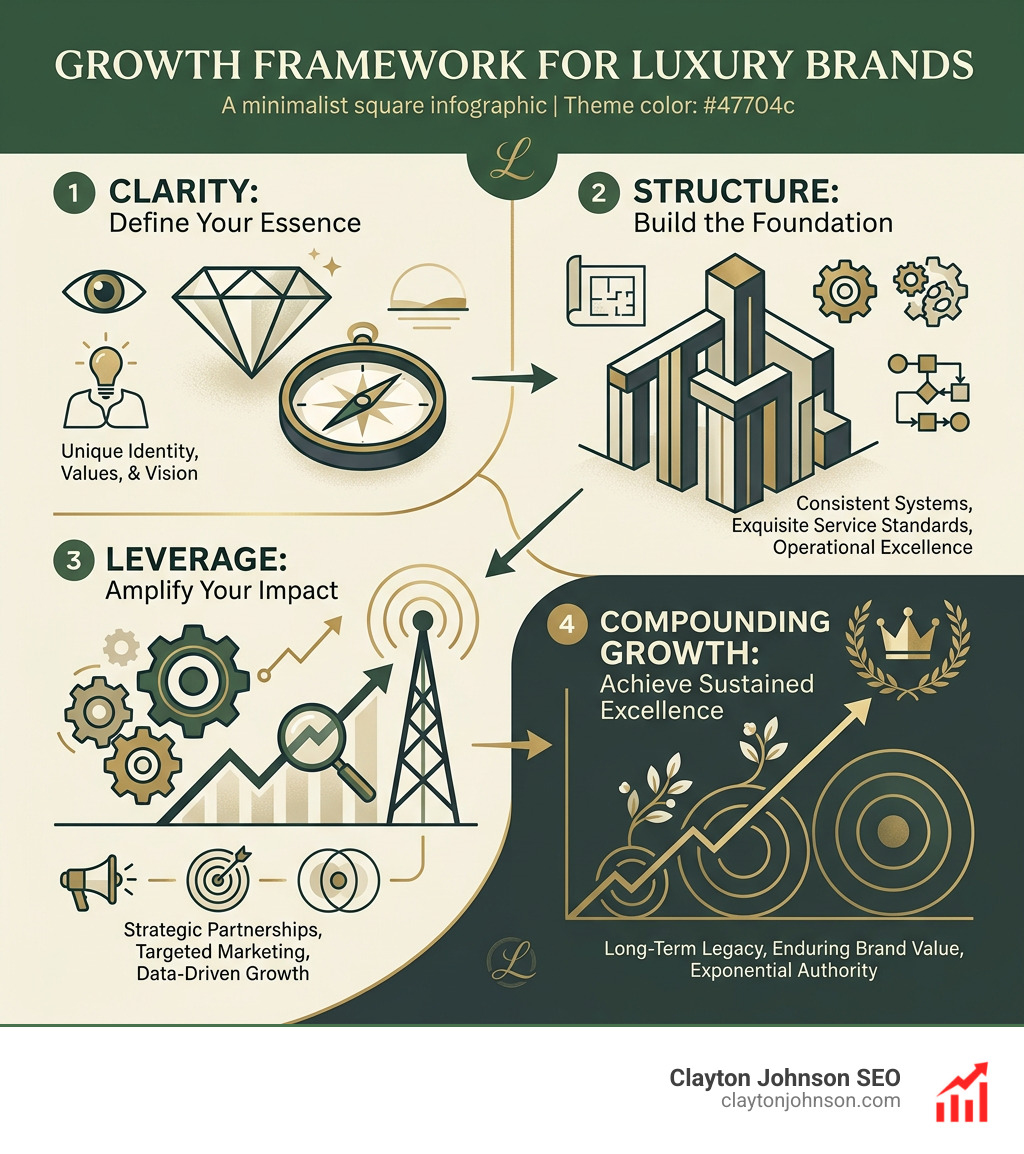
In the end, whether you are a hotelier or a traveler, the goal is Clarity → Structure → Leverage. For a hotel to be considered one of the best luxury hotels in the world, it must have a clear identity, a structured service model, and the strategic leverage to stay relevant in a crowded market.
At Clayton Johnson SEO, we apply these same principles to digital growth. We don’t just chase vanity metrics; we build durable systems—internal linking structures and taxonomy-driven content ecosystems—that lead to compounding growth. For boutique owners, finding more info about boutique hotel growth systems is the first step in turning a beautiful property into a global authority.
Luxury is about more than just a stay; it’s about the systems that ensure that stay is perfect every single time. Whether it’s the 900 criteria of a Forbes inspector or the strategic roadmap of a growth operator, excellence is always intentional.