The Power of QA in Marketing: Why Your Campaigns Need a Safety Net


Why QA in Marketing Is the Difference Between Campaigns That Convert and Ones That Crash
QA in marketing is the process of systematically reviewing, testing, and approving every marketing asset and campaign before it reaches your audience — to catch errors, protect your brand, and make sure everything works as intended.
Here’s a quick breakdown of what it covers:
- Content accuracy — correct copy, no typos, no broken links
- Brand consistency — logos, colors, tone, and messaging all aligned
- Functional testing — forms, tracking pixels, UTM parameters, and landing pages all working
- User experience — smooth navigation, correct rendering across devices and platforms
- Compliance — ads, emails, and data practices follow legal and industry standards
Think of it as your last line of defense before a campaign goes live.
Without QA, even a well-planned campaign can fail publicly. A LinkedIn post with spelling errors goes viral for the wrong reasons. An email with broken dynamic content lands in thousands of inboxes with no way to recall it. A paid ad drives traffic to a broken landing page, burning your budget with nothing to show.
Small errors create outsized consequences. A single mistake doesn’t just write off money — it signals to prospects that your brand can’t be trusted.
And trust, once lost, is expensive to rebuild.
I’m Clayton Johnson, an SEO strategist and demand generation expert who has spent nearly two decades helping businesses build systems that convert traffic into revenue — and QA in marketing is a non-negotiable part of every high-performing growth system I build. If your campaigns aren’t passing rigorous quality checks before launch, you’re leaving conversions — and credibility — on the table.
The strategic framework for qa in marketing
When we talk about qa in marketing, we aren’t just talking about a quick spellcheck before hitting “publish.” We are talking about a comprehensive strategic framework that ensures every output is “fit for purpose.” This means the asset doesn’t just look good; it functions perfectly and aligns with the broader business goals.
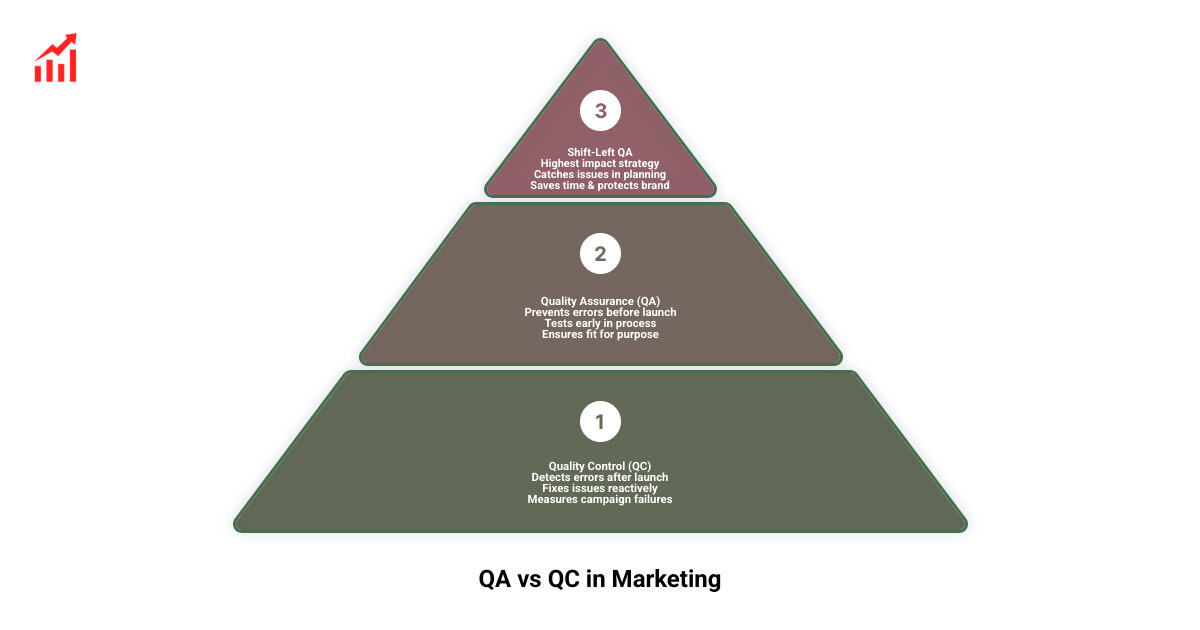
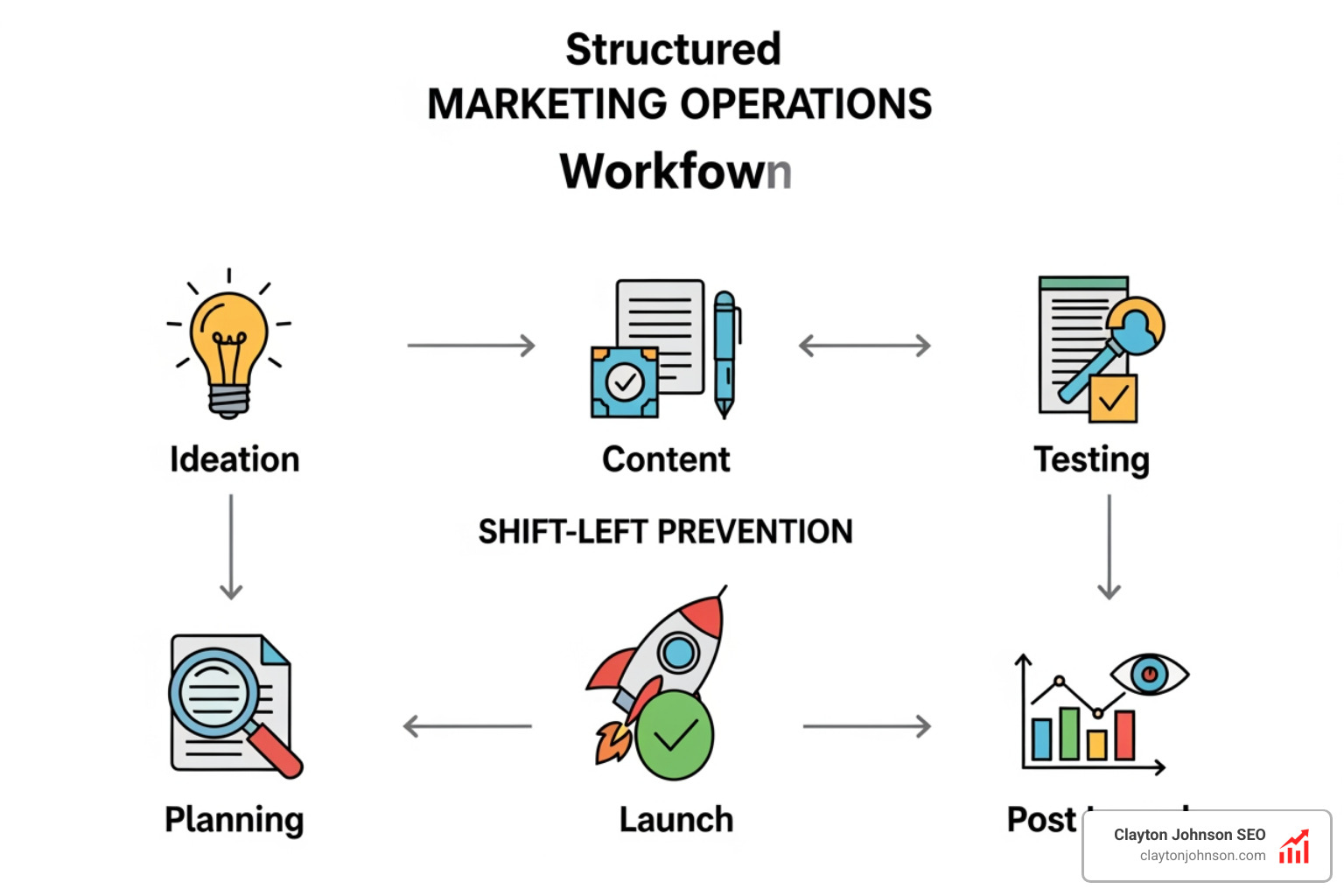
In traditional manufacturing, quality assurance is about the process of preventing mistakes, whereas quality control is about identifying them in the finished product. In the marketing world, we often conflate the two. However, the most successful teams prioritize a “shift-left” approach. This means we move testing and validation as early into the production cycle as possible. By catching a logic error in an automation workflow during the planning phase, we save dozens of hours of troubleshooting later.
According to Quality Assurance vs Quality Control, the focus of QA is on the process, while QC is on the product. In our marketing operations, this translates to building a system where “right first time” isn’t an accident—it’s the expected outcome. This level of rigor is essential for Conversion Rate Optimization, as even a minor tracking error can lead to faulty data, causing us to make poor investment decisions based on “broken” numbers.
Proactive QA vs. Reactive QC in Marketing Operations
| Feature | Proactive QA (Prevention) | Reactive QC (Detection) |
|---|---|---|
| Focus | Processes and Workflows | Final Deliverables |
| Goal | Prevent defects from occurring | Identify defects before the customer sees them |
| Timing | Throughout the entire lifecycle | At the end of production |
| Ownership | The entire marketing team | A specific reviewer or editor |
| Outcome | Improved efficiency and trust | Rework and delayed launches |
Core pillars of a robust qa in marketing strategy
To build a growth engine that doesn’t stall, we must focus on four core pillars. These pillars provide the structure needed to scale without the fear of a public-facing “fail.”
- Content Accuracy and Integrity: This goes beyond grammar. It includes verifying facts, checking that links lead to the correct Digital Marketing Agencies service pages, and ensuring that any claims made are legally defensible.
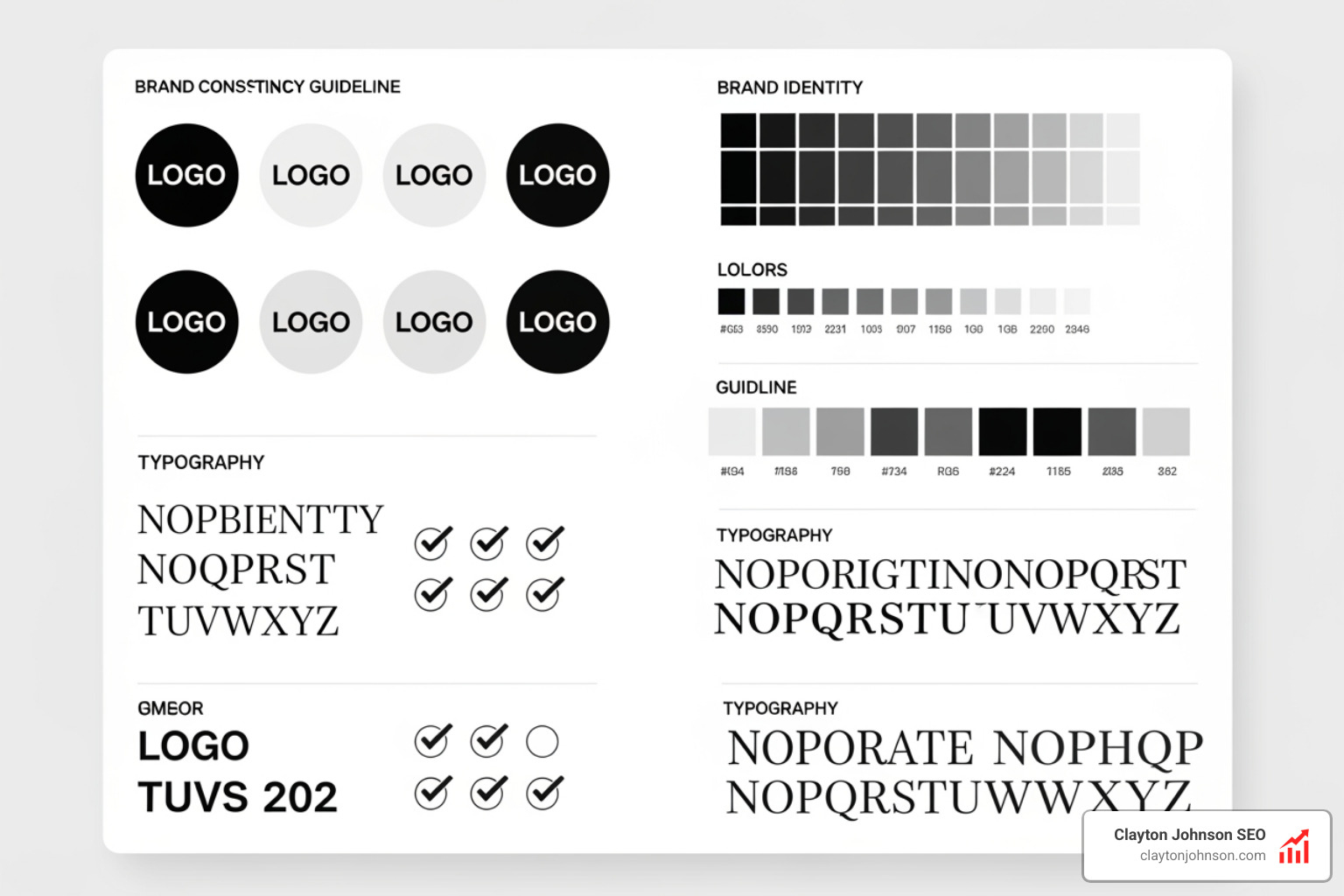
- Brand Consistency: We must ensure that every touchpoint—from a social media graphic to a 50-page whitepaper—uses the correct logos, typography, and imagery. Inconsistent branding erodes the “trust currency” we work so hard to build.
- Functional Testing: Does the “Submit” button actually send the lead to the CRM? Does the tracking pixel fire on the thank-you page? Functional QA ensures the plumbing of our marketing house is leak-proof.
- Compliance and Legal Requirements: Especially in highly regulated industries like financial services or healthcare, compliance is non-negotiable. This includes data protection (GDPR/CCPA) and industry-specific advertising guidelines.
Why email and automation require specialized qa in marketing
If there is one area where qa in marketing is most critical, it is email marketing and automation. Unlike a website page that we can update in real-time or a social post we can delete, an email is irreversible. Once we hit send on a Marketo instance to 100,000 people, the “undo” button doesn’t exist.
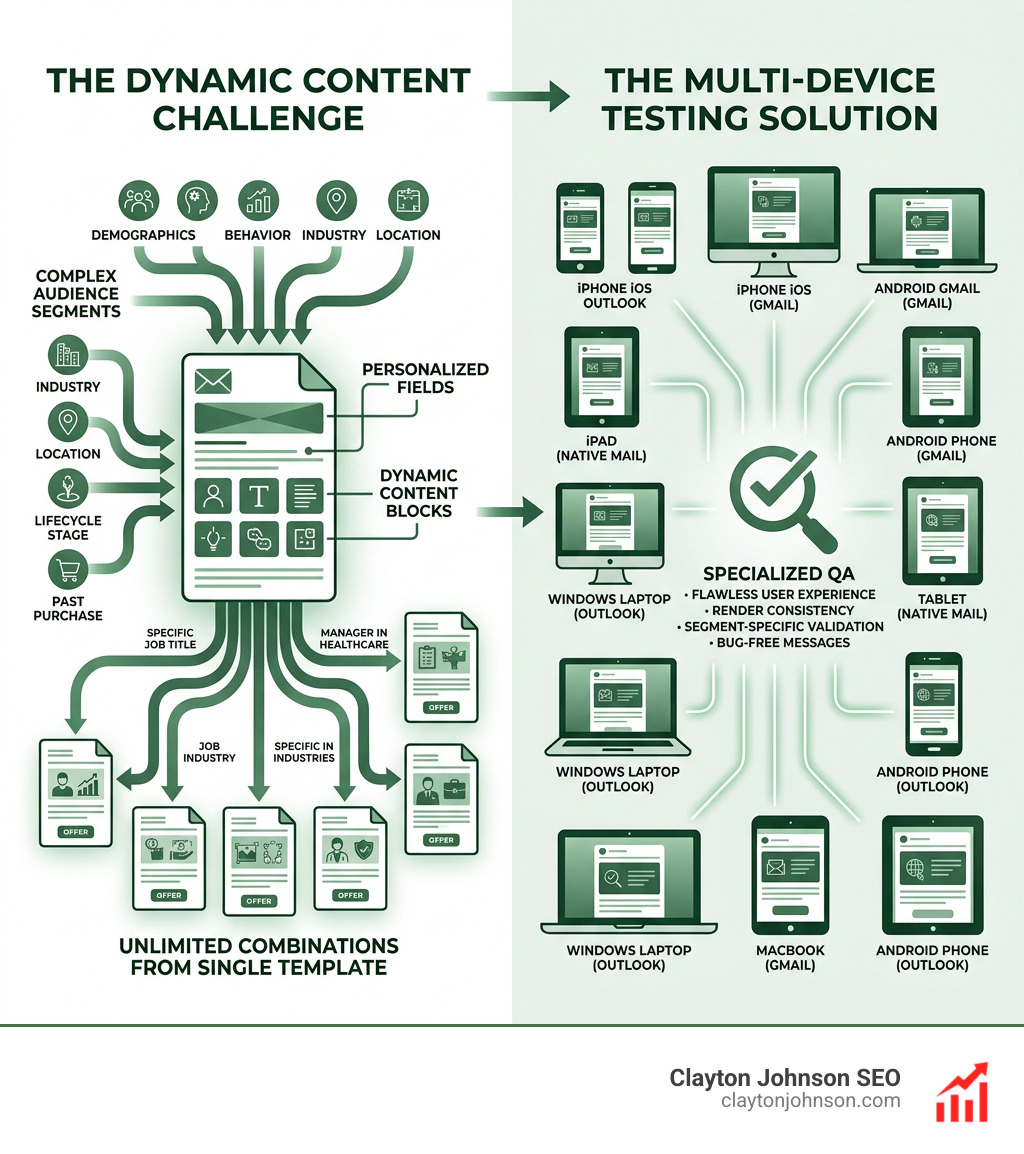
Sophisticated email campaigns often involve complex audience segmentation and dynamic content. We might be sending one email template that renders 50 different ways depending on the recipient’s industry, job title, or past purchase behavior. This complexity introduces 50 different opportunities for things to go wrong.
Email Marketing Agencies often report that rendering issues are the most common headache. An email might look beautiful in Gmail on a Mac but appear completely broken in Outlook on a PC. Specialized QA involves testing across dozens of device and client combinations to ensure a flawless user experience for everyone.
Implementing a durable system for marketing quality
To stop marketing fails, we need more than just “careful” employees. We need a durable system. This involves documenting workflows, automating what can be measured, and ensuring stakeholder alignment at every milestone.
A key part of this system is the use of a centralized content calendar. Whether we are managing a complex Core SEO strategy or a simple social media schedule, having a single source of truth allows everyone to see what is being built, who is reviewing it, and where it stands in the QA process. Documentation is the “glue” that holds these processes together. Without it, knowledge walks out the door when a team member leaves.
For businesses looking to scale, SEO Services must be integrated into this QA workflow. This means checking that every new page has the correct meta tags, internal links, and schema markup before it is indexed by search engines.
Essential steps for a high-performance qa in marketing workflow
A high-performance workflow doesn’t happen by accident. It follows a repeatable set of steps designed to catch errors at every turn:
- Objective Setting: Before a single word is written, we define what success looks like. If the goal is Conversion Optimization, the QA process will prioritize the lead flow and tracking accuracy.
- Milestone Planning: We break the project into phases. Each phase ends with a “gate” that the project must pass through before moving to the next step.
- Regression Testing: Whenever we fix an error or update an existing campaign, we must test the entire system to ensure the change didn’t break something else.
- Stakeholder Approval: We involve the right people at the right time. Getting legal or product approval early prevents expensive re-work at the finish line.
- Post-Mortem Analysis: After a campaign launches, we look back. What went well? What slipped through the cracks? We use these insights to refine the system for the next run.
Balancing speed and precision in marketing operations
The biggest objection to rigorous qa in marketing is usually: “We don’t have time.” In the world of Marketing Agencies, deadlines are often tight. However, the time spent fixing a public blunder is always greater than the time spent on proactive QA.
To balance speed and precision, we recommend building a “Quality Culture.” This means quality is everyone’s responsibility, not just the “QA person.” However, for larger organizations, having a dedicated QA team provides an independent layer of review that developers and creatives often appreciate—it gives them the confidence that someone “has their back.”
Automation also plays a huge role here. We can use tools to automatically check for broken links, scan for accessibility issues, or validate that UTM parameters follow our naming conventions. This allows the human team to focus on the high-level strategic and creative checks that machines can’t handle.
Building scalable growth engines with Clayton Johnson SEO
At Clayton Johnson SEO, we don’t just “do marketing”—we build systems. Our approach is rooted in the belief that Clarity → Structure → Leverage → Compounding Growth.
We help founders and operators turn fragmented, error-prone marketing efforts into coherent growth engines. This involves:
- Systematic Scaling: Building internal linking structures and taxonomy-driven content ecosystems that grow in authority over time.
- AI-Augmented Workflows: Integrating AI to handle the repetitive parts of QA, such as schema validation and initial copy reviews, so your team can focus on strategy.
- Strategic Roadmap Alignment: Ensuring every marketing activity is tied to a measurable business outcome, not just vanity metrics.
- Measurable Outcomes: Using data-driven frameworks to prove exactly how much revenue each campaign is driving.
Rather than chasing the latest “hack,” we build durable systems that stand the test of time. By implementing a robust qa in marketing strategy, we ensure that your growth engine isn’t just fast—it’s reliable.
The Future of Marketing Quality: Automation and Beyond
The role of qa in marketing will only become more automated and data-centric. We are already seeing tools that can predict which subject lines will trigger spam filters or which ad creatives are likely to be disapproved by platforms like Meta or Google.
However, the human element will always remain vital. A machine might tell you that a sentence is grammatically correct, but it can’t tell you if it resonates with your target audience’s deepest pain points. It can’t tell you if a brand-new creative direction feels “right” for your company’s evolving identity.
Critical Validation Checks for Every Campaign
To help you get started, here is a checklist of the most critical validation checks we implement for our clients:
- Extraction Layer Checks: Are we pulling the right data from the right sources?
- Schema Validation: Has an API change broken our data structure?
- UTM Governance: Are we using consistent naming conventions for tracking?
- Budget Enforcements: Are we set up to automatically pause campaigns if they exceed their budget?
- Identity Resolution: Can we accurately match a user’s behavior across multiple devices?
- Cross-Platform Reconciliation: Does the spend reported in Google Ads match what we see in our internal dashboards?
By focusing on these technical and strategic checkpoints, we move away from the “hope and pray” method of marketing and toward a model of predictable, scalable success.
Conclusion: Don’t Let a Simple Mistake Tank Your Strategy
Quality assurance isn’t a hurdle; it’s a competitive advantage. When every brand is shouting for attention, the ones that consistently deliver clear, functional, and professional experiences are the ones that win.
By treating qa in marketing as a core part of your growth framework, you protect your brand’s reputation, ensure your budget is spent efficiently, and—most importantly—build a foundation of trust with your audience.
If you’re ready to stop the marketing fails and start building a durable system for growth, let’s talk. We specialize in turning messy marketing into measurable results. Whether it’s through technical SEO architecture or AI-enhanced workflows, we provide the structure you need to achieve compounding growth.
Ready to build a marketing system that doesn’t fail? Contact us today to learn how we can help you implement a robust QA framework and scale your traffic with precision.