Why Higher Education SEO Must Evolve Beyond Traditional Rankings
AI driven SEO checklists are changing how universities compete for student attention. Traditional SEO focused on rankings and clicks. AI search surfaces answers without visits. Your content either gets cited by ChatGPT, Perplexity, and Google AI Overviews—or it disappears.
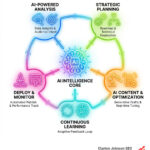
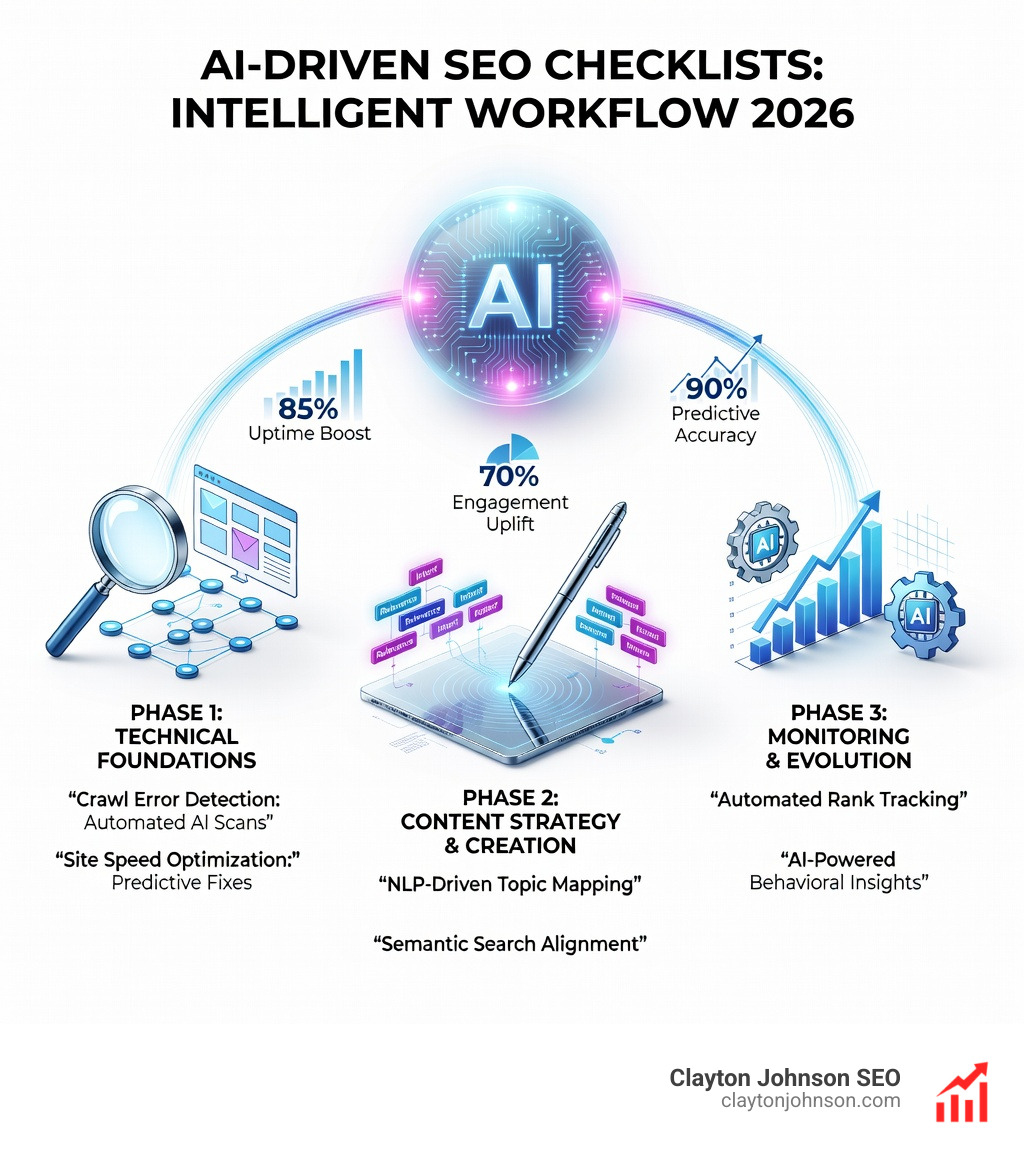
Here’s what AI driven SEO checklists must include for higher education:
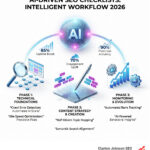
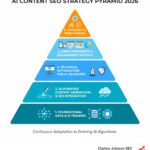
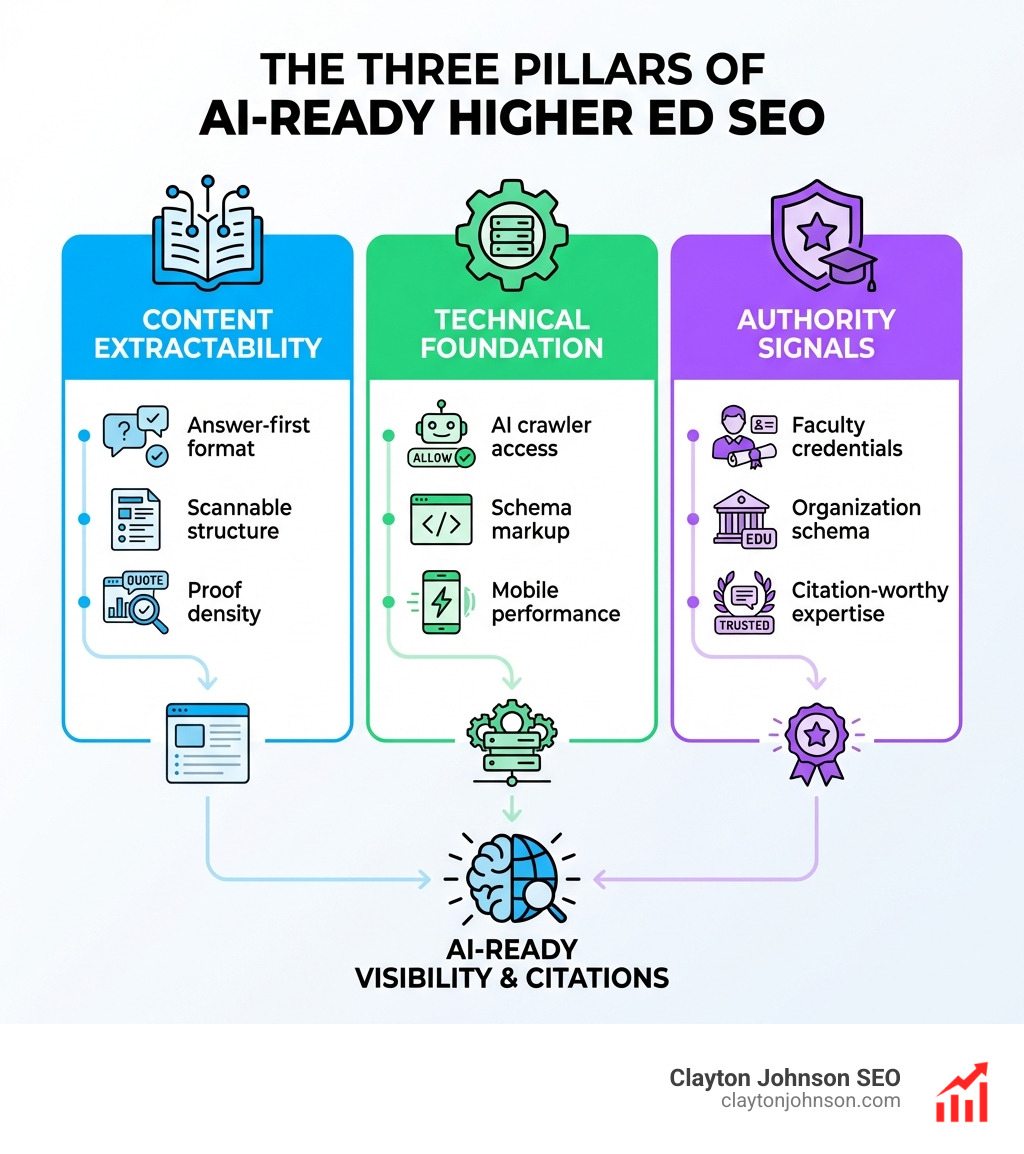
- Content Structure – Answer-first format, scannable headings, extractable data blocks
- Technical Access – AI crawler permissions (GPTBot, PerplexityBot), server-side rendering, clean HTML
- Authority Signals – Faculty credentials, author schema, organization markup, original research
- Proof Density – Statistics, expert quotes, primary sources in every section
- Distribution Readiness – Internal linking, FAQ schema, semantic relationships
The shift is dramatic. BrightEdge research shows 82.5% of AI citations link to deep content pages, not homepages. Princeton researchers found specific tactics boost AI visibility by up to 40%. Yet most higher ed sites still optimize for 2020.
The stakes are real. Gartner predicts traditional search volume will drop 25% in the coming years as students turn to AI assistants for program research. When AI summaries appear, click-through rates fall from 15% to 8%. And LLMs cite only 2-7 domains per response.
This creates both risk and opportunity. Universities that structure content for AI extraction gain massive visibility. Those that don’t become invisible—even if they rank well in traditional search.
The fundamentals haven’t changed. Technical SEO, authority building, and content quality still matter. But execution must adapt. AI can’t cite what it can’t parse. It won’t trust unsourced claims. And it prioritizes fresh, structured content over keyword-stuffed pages.
I’m Clayton Johnson, and I’ve spent years building SEO systems that adapt to search evolution, focusing on AI driven SEO checklists that bridge technical foundations with AI-specific optimization for sustainable visibility. This guide translates that framework into actionable steps for higher education marketers.
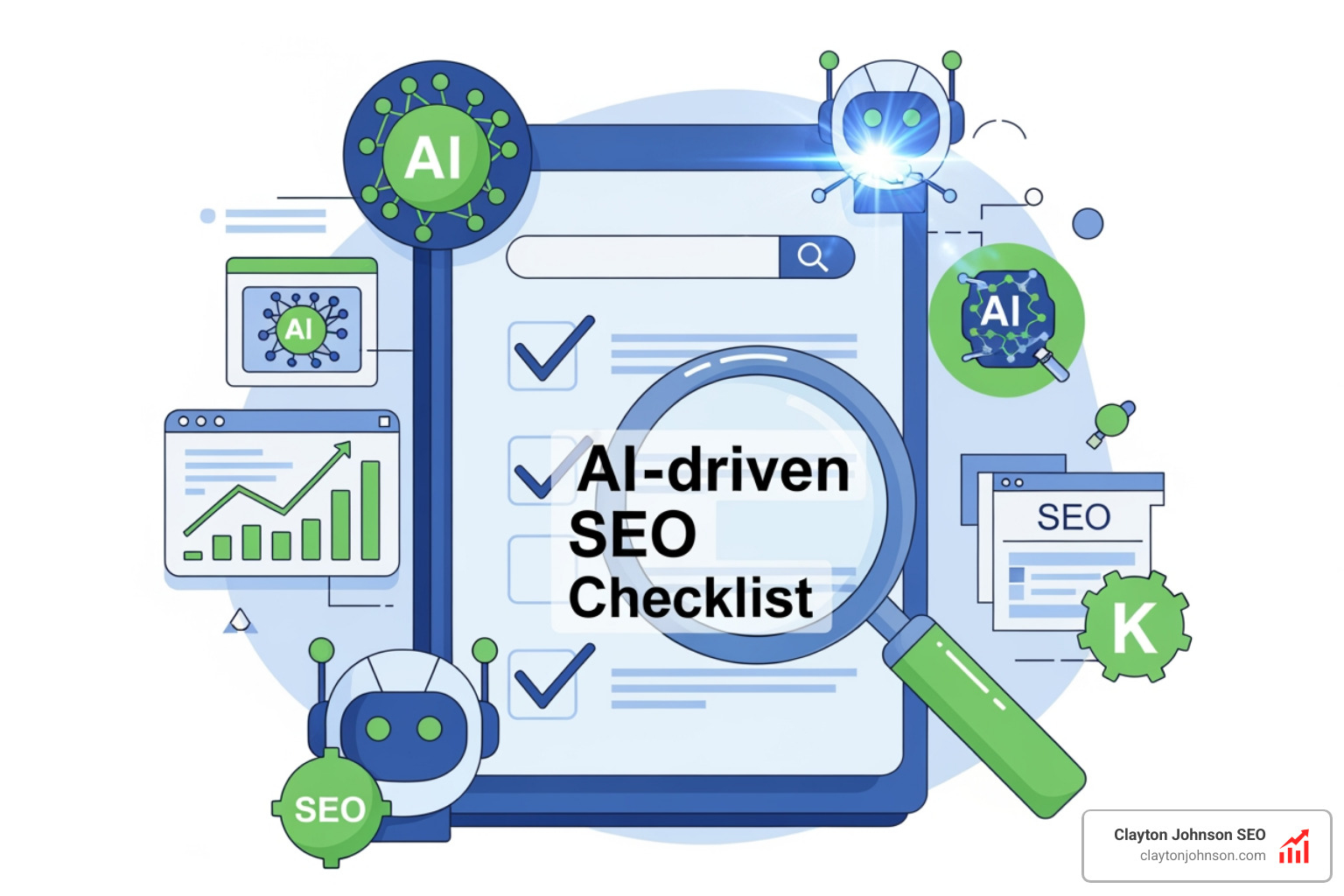
AI driven SEO checklists vocabulary:
Why Higher Ed Needs AI Driven SEO Checklists
The landscape of Higher Education enrollment is shifting. Prospective students no longer just type “best MBA programs in Minneapolis” into a search bar and click the first three links. They ask Perplexity, “Which MBA programs in Minnesota offer the best ROI for mid-career professionals?” or prompt ChatGPT to “Compare the nursing curriculum at the top five universities in the Midwest.”
This shift is what Princeton research on GEO identifies as a move toward Generative Engine Optimization. Their study found that by adding citations, statistics, and quotable statements, websites can boost their visibility in AI responses by up to 40%. For a university, being one of the 2-7 domains cited in an AI summary is the new “Position 1.”
In the Higher Ed world, we face intense citation scarcity. AI engines don’t want to provide a list of links; they want to provide a synthesized answer. If your program page is just a wall of marketing text, the AI will bypass you for a competitor that provides clear, machine-readable data. This is why AI driven SEO audits are no longer optional—they are the baseline for staying relevant in a world where search volume is predicted to drop by 25%.
We also have to consider “information gain.” AI models prioritize content that adds something new to the conversation. If your “Why Choose Our University” page is identical to every other school’s page, you offer zero information gain. Our AI driven SEO checklists help you identify where you can provide original data, unique faculty insights, and specific student outcomes that AI engines crave.
Content Structure and Extractability Audit
AI engines are essentially “picky eaters.” They want content that is easy to digest, categorize, and regurgitate. If your content structure is messy, the AI crawler will move on. We need to treat every page like an API—a clean payload of information that a machine can parse in milliseconds.
The “Answer-First” format is the cornerstone of extractability. We recommend placing the direct answer to the user’s likely query within the first 100 words of the page. For a tuition page, don’t make them scroll; put the total cost and the “why” right at the top.
Scannable formatting is your best friend here. Use:
- Bullet lists for program requirements.
- Numbered lists for application steps.
- Comparison tables for different degree tracks.
- TL;DR capsules under every major heading.
When we build AI content systems, we focus on making every sentence “standalone.” Ask yourself: “If an AI quoted this one sentence out of context, would it still make sense and provide value?” If the answer is no, rewrite it.
Implementing AI Driven SEO Checklists for Content
To win the citation game, you need high “Proof Density.” AI models are trained to look for markers of truth. This means your content needs to be packed with:
- Hard Statistics: Don’t say “many of our graduates find jobs.” Say “94% of our 2024 graduates were employed in their field within six months.”
- Original Data: Publish your own research findings or campus surveys. Pages with original data tables earn 4.1x more AI citations.
- Expert Quotes: Attribute claims to specific faculty members or industry experts. Use their full credentials to build the “Authority” pillar of EEAT.
The latest research on information gain suggests that the more unique, worthwhile answers you provide, the more likely you are to appear in AI search responses. In Minneapolis, where competition for local students is high, providing specific, localized data about the regional job market can give you that critical edge.
Technical Infrastructure for AI Crawler Access
You can have the best content in the world, but if GPTBot or PerplexityBot can’t get past your front door, you’re invisible. Google’s technical requirements for AI features emphasize that basic SEO is the floor, but AI-readiness is the ceiling.
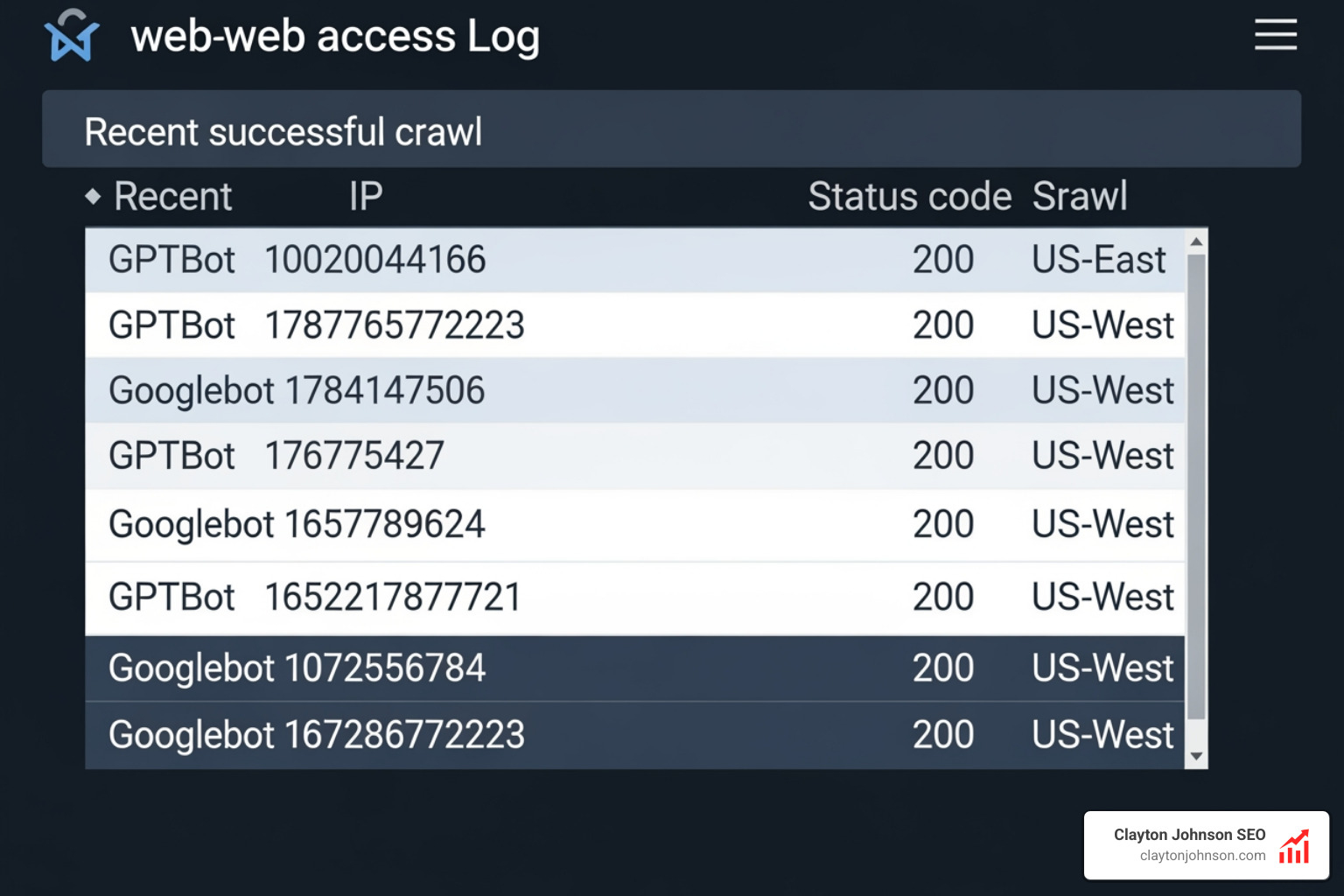
First, check your robots.txt file. Many older Higher Ed sites accidentally block AI crawlers because of outdated security rules. You must explicitly allow:
- GPTBot (OpenAI)
- PerplexityBot (Perplexity)
- ClaudeBot (Anthropic)
- Google-Extended (Google’s AI training bot)
Another critical technical factor is Server-Side Rendering (SSR). Many AI crawlers do not execute JavaScript. If your program search tool or tuition calculator is injected via JavaScript, the AI sees a blank page. We ensure your core content is delivered in raw HTML so it can be parsed instantly.
Technical AI Driven SEO Checklists for Site Architecture
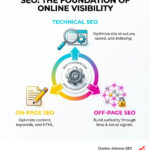
Site architecture for AI is about creating a “Semantic Moat.” We use Schema markup (JSON-LD) to tell the AI exactly what it’s looking at. For a university, this means implementing:
- Organization Schema: Define the university, its locations in Minneapolis, and its official social profiles.
- Course Schema: Explicitly list course names, descriptions, and credits.
- FAQPage Schema: Use this for common admissions and financial aid questions.
- Person Schema: For faculty members to link their expertise to the institution.
Microsoft’s statement on schema for LLMs confirms that Bing’s Copilot (which powers much of the AI search world) uses schema to better understand and recommend content. If you aren’t using schema to connect the dots between your faculty, your research, and your degree programs, you’re leaving your visibility to chance.
Authority, Trust, and EEAT Signals
In the age of AI-generated “slop,” trust is the ultimate currency. AI engines are designed to filter out low-quality, unsourced content. For Higher Ed, this is a massive advantage—if you play it right. You already have the experts; you just need to make them visible to the machines.
Detailed Author Bios are essential. Every blog post or research summary should be attributed to a person, not “Admissions Staff.” Include their faculty credentials, years of experience, and links to their published works. This feeds into the “Experience” and “Expertise” parts of Google’s EEAT.
We also focus on Organization Schema to build entity authority. By linking your university to reputable third-party sources (like educational directories or government databases), you confirm your status as a “trusted entity” in the AI’s Knowledge Graph.
When developing an Anthropic Claude SEO strategy, we prioritize “source trust.” Claude and other models favor content that links out to primary sources—like peer-reviewed journals or official government data—rather than just re-quoting other blogs.
Measuring Visibility and AI Influence
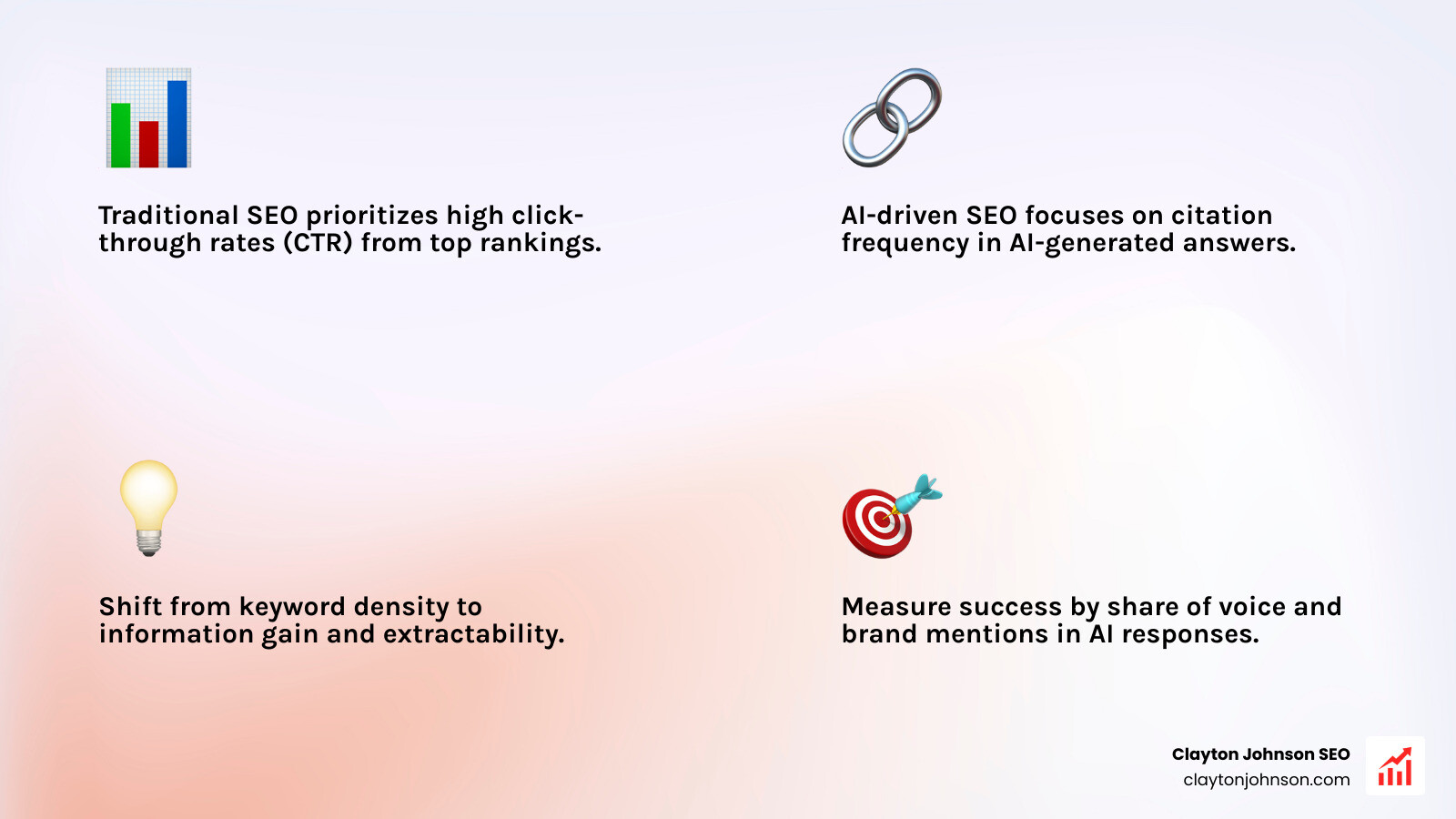
The old way of measuring success—rankings and clicks—is incomplete. In the evolving search landscape, we have to track how often we are cited even if the student never clicks through to the site. This is “Share of Model” or “AI Share of Voice.”
| Metric | Traditional SEO | AI Driven SEO |
|---|---|---|
| Primary Goal | Rank #1 for “MBA Minneapolis” | Be the #1 cited source in AI answers |
| Success Indicator | High Click-Through Rate (CTR) | High AI Citation Frequency |
| Content Focus | Keyword Density & Backlinks | Information Gain & Extractability |
| User Outcome | Website Visit | Intent Fulfillment (with or without visit) |
| KPI | Organic Traffic | Share of Voice / Brand Mentions |
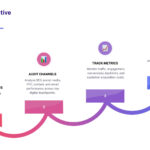
To track this, we monitor:
- Citation Frequency: How often AI tools cite your domain as a source.
- Brand Sentiment in AI: Is the AI recommending your program or just mentioning it?
- Knowledge Graph Presence: Does the AI know your university is located in Minneapolis and what your top-ranked programs are?
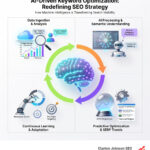
Understanding the future of AI-powered keyword research means moving from “keywords” to “prompt clusters.” We don’t just want to rank for a word; we want to be the answer to a complex, multi-layered student question.
Frequently Asked Questions about AI SEO
Is traditional SEO dead in the age of AI?
Absolutely not. Traditional SEO is the foundation upon which AI SEO is built. AI crawlers still use sitemaps, robots.txt, and clean HTML to find your content. However, “traditional” tactics like keyword stuffing are dead. The new SEO is about being the most helpful, most authoritative, and most extractable source of information.
What is Generative Engine Optimization (GEO)?
GEO is the practice of optimizing content specifically for generative AI engines like ChatGPT, Perplexity, and Google AI Overviews. It involves structuring content for easy extraction, maximizing “proof density” with facts and citations, and ensuring high “information gain” by providing unique value that isn’t found elsewhere.
How do I track if AI is citing my website?
While traditional tools like Google Search Console are starting to show AI Overview data, you often need to perform “prompt sampling.” This involves regularly testing key prompts related to your programs in tools like Perplexity and ChatGPT to see which sources they cite. You can also use specialized GEO audit tools to track your “Share of Model” compared to competitors.
Conclusion
The evolution of search isn’t a threat to Higher Education; it’s an opportunity to let your institutional expertise shine. By moving away from stale, keyword-focused strategies and embracing AI driven SEO checklists, you ensure that your university remains at the center of the student discovery journey.
At Clayton Johnson SEO, we specialize in building these AI-assisted workflows. Whether you’re a marketing leader in Minneapolis or a founder building a new educational platform, our focus is on choosing the right strategy and executing with measurable results. We don’t just want you to rank; we want you to be the authority that AI engines trust and students choose.
If you’re ready to stop guessing and start winning in the AI-first search world, explore our SEO services or check out our interactive tools at Demandflow. The future of discovery is here—make sure your university is part of the answer.