Why Personalized AI Search? Because Your Gmail Knows You Best

AI Search Is Changing How We Find Information
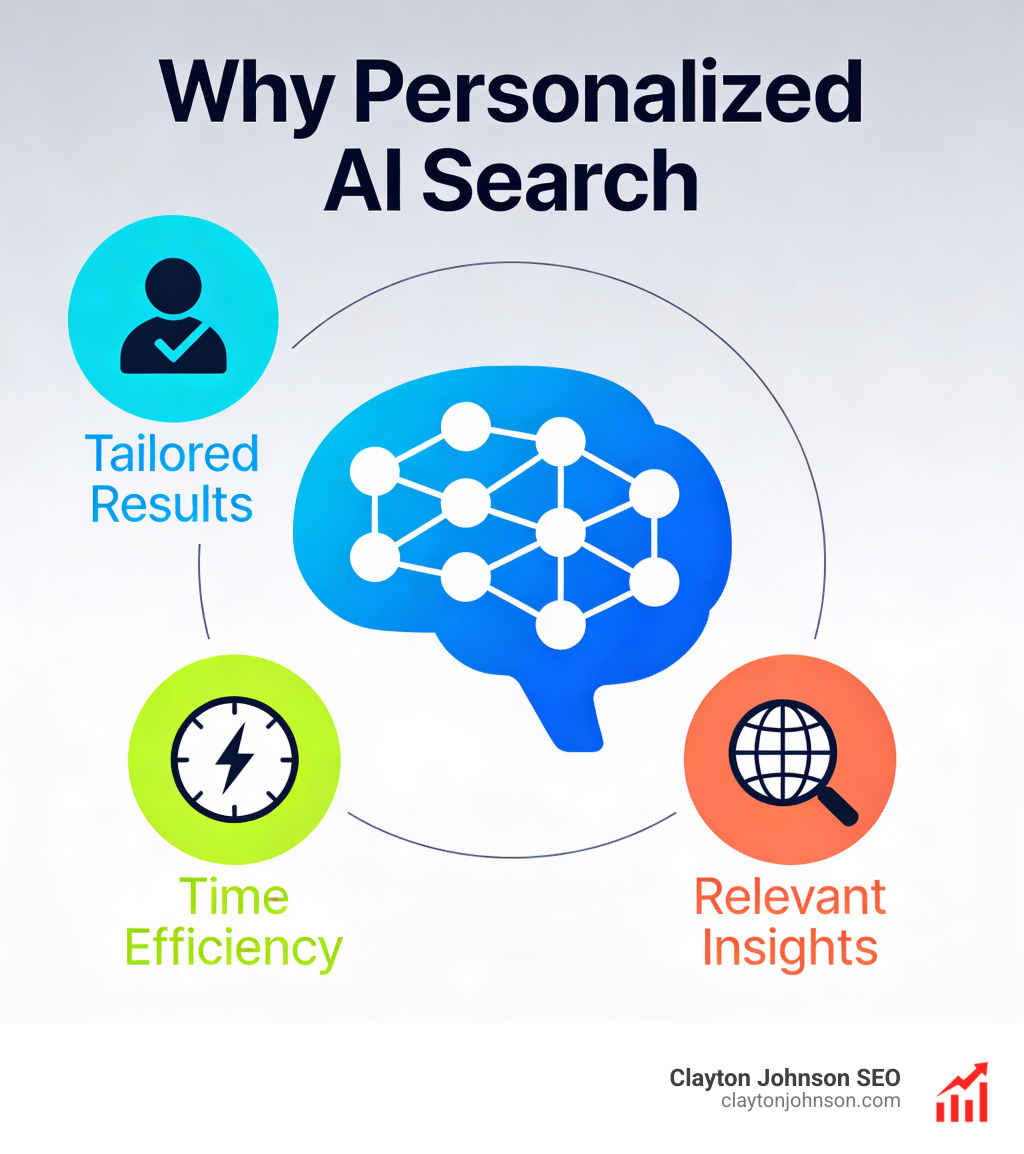
Personalized AI search matters comes down to one simple idea: generic results waste your time. Here is why it is becoming the default standard for smarter information retrieval:
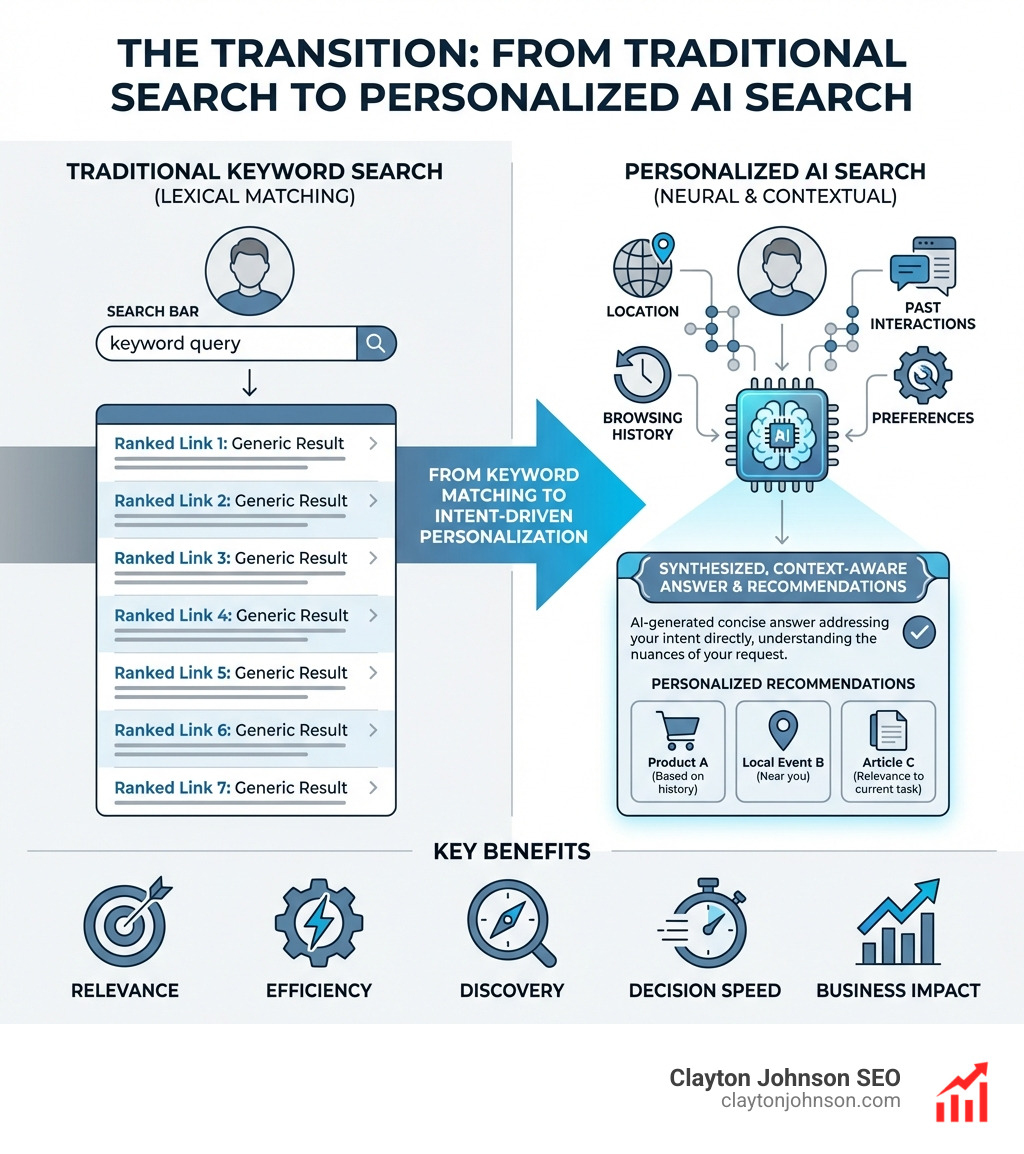
Personalized AI search outperforms traditional search:
- Relevance — Results adapt to your intent, history, and context, not just your keywords
- Efficiency — AI synthesizes answers directly, cutting out the “search, click, read, back, repeat” loop
- Discovery — It surfaces options you would not have thought to search for
- Decision speed — Domain-specific and contextual data compresses research from days to minutes
- Business impact — Personalized AI-driven systems demonstrably lift conversions and engagement
Traditional search hands you a list of links. Personalized AI search acts like a knowledgeable assistant who already knows your preferences, context, and goals — and gives you a direct answer.
The gap between the two is only getting wider. Research on search-augmented large language models shows that leveraging structured user history can boost personalization scores by nearly 12 points compared to generic query handling. Meanwhile, tools like Google’s AI Mode are connecting personal data from Gmail and Google Photos directly into search results to generate hyper-relevant recommendations and itineraries.
But with that power comes real questions about privacy, trust, bias, and control — all of which deserve clear answers.
I’m Clayton Johnson, an SEO strategist and growth operator who has spent years mapping how search behavior and AI-assisted workflows intersect to drive measurable business outcomes. Understanding why personalized AI search is reshaping discoverability is now central to building any durable growth system. This guide breaks down everything you need to know — from the mechanics to the risks to the future trends rewriting the SEO playbook.
The Evolution from Keywords to Context: Why personalized AI search Matters
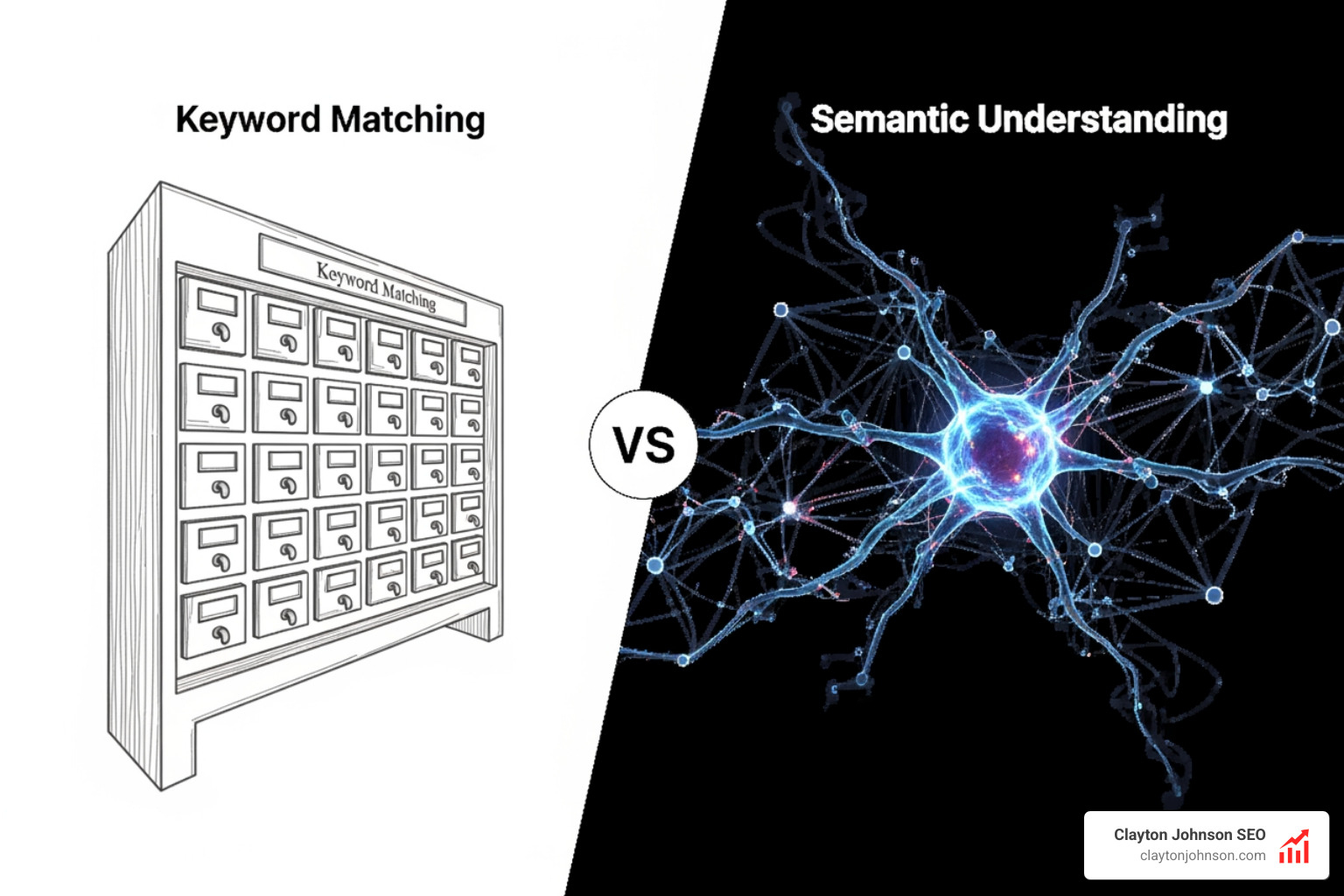
For decades, we were trained to speak “computer.” We typed fragmented keywords like “best pizza Minneapolis” and hoped the algorithm would find a page that matched those exact characters. This was the era of lexical matching—a digital library card catalog that was functional but lacked intuition.
Today, we are moving into a world of “neural” search. Instead of just matching words, AI search understands the relationship between concepts. This shift began with milestones like RankBrain and BERT, which allowed search engines to interpret the intent behind a query rather than just the text. Now, with the advent of Large Language Models (LLMs), search has become conversational and deeply contextual.
Understanding the Mechanics: Why personalized AI search is the ultimate digital butler
At its core, Why personalized AI search works so effectively is due to a combination of three technical pillars:
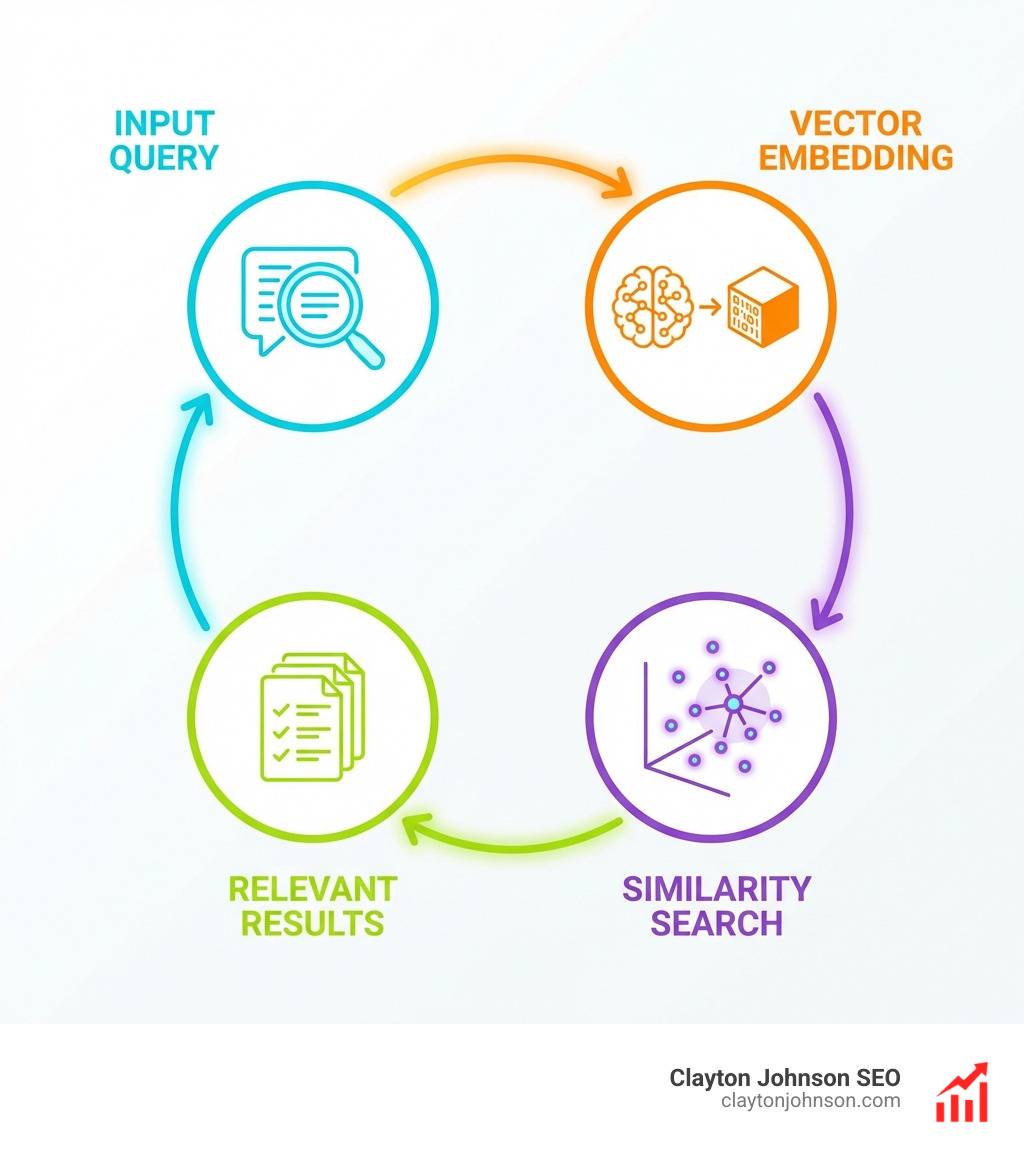
- Vector Embeddings: These convert text, images, and user behaviors into complex numerical arrays. This allows the AI to “see” how a user’s interest in “sustainable architecture” relates to their recent search for “energy-efficient windows.”
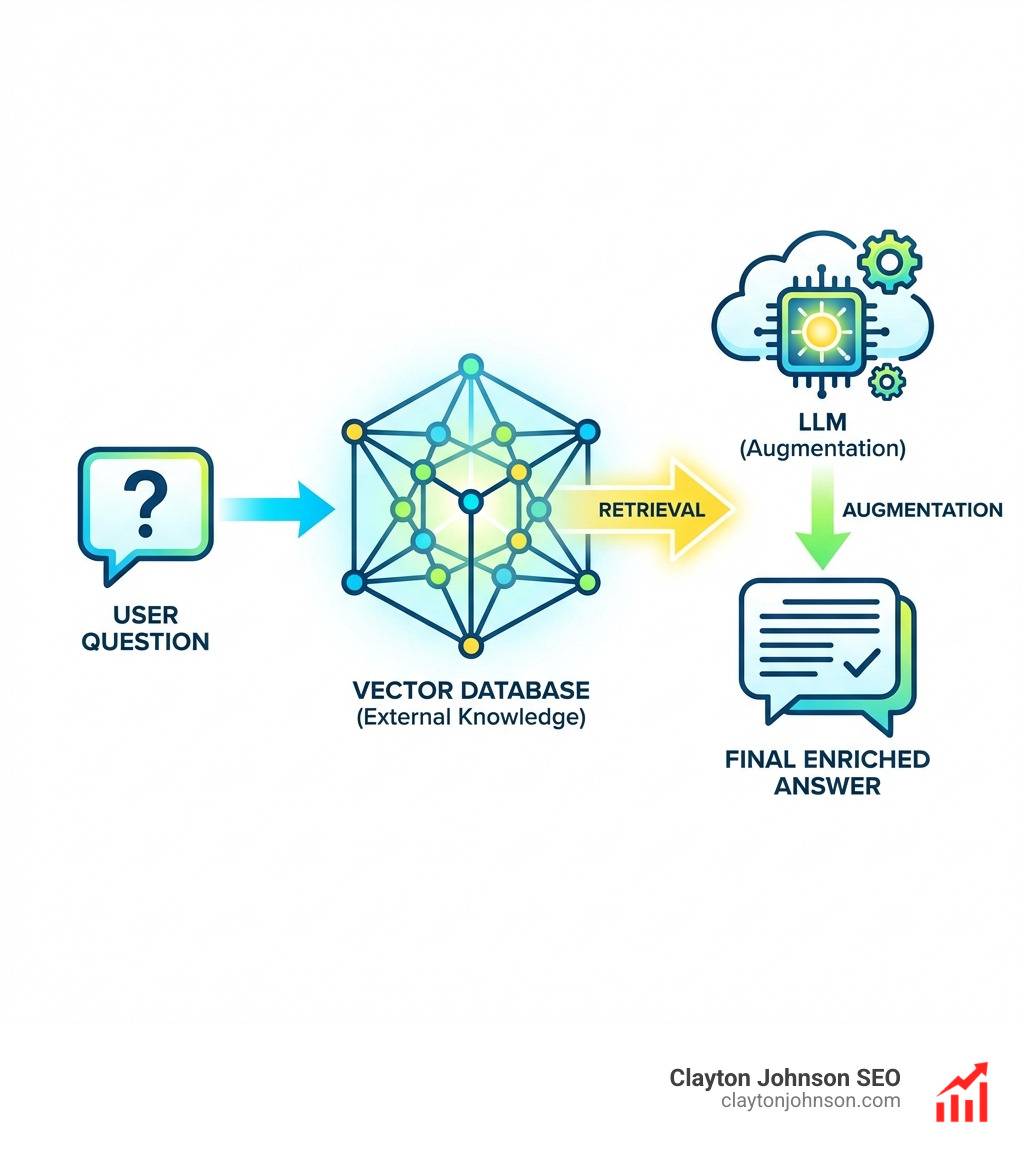
- Retrieval-Augmented Generation (RAG): This is the “fact-checker” of the AI world. Instead of just guessing an answer, the AI retrieves relevant documents from a vast index and then synthesizes a response. This grounds the “butler” in reality, ensuring it doesn’t just make things up.
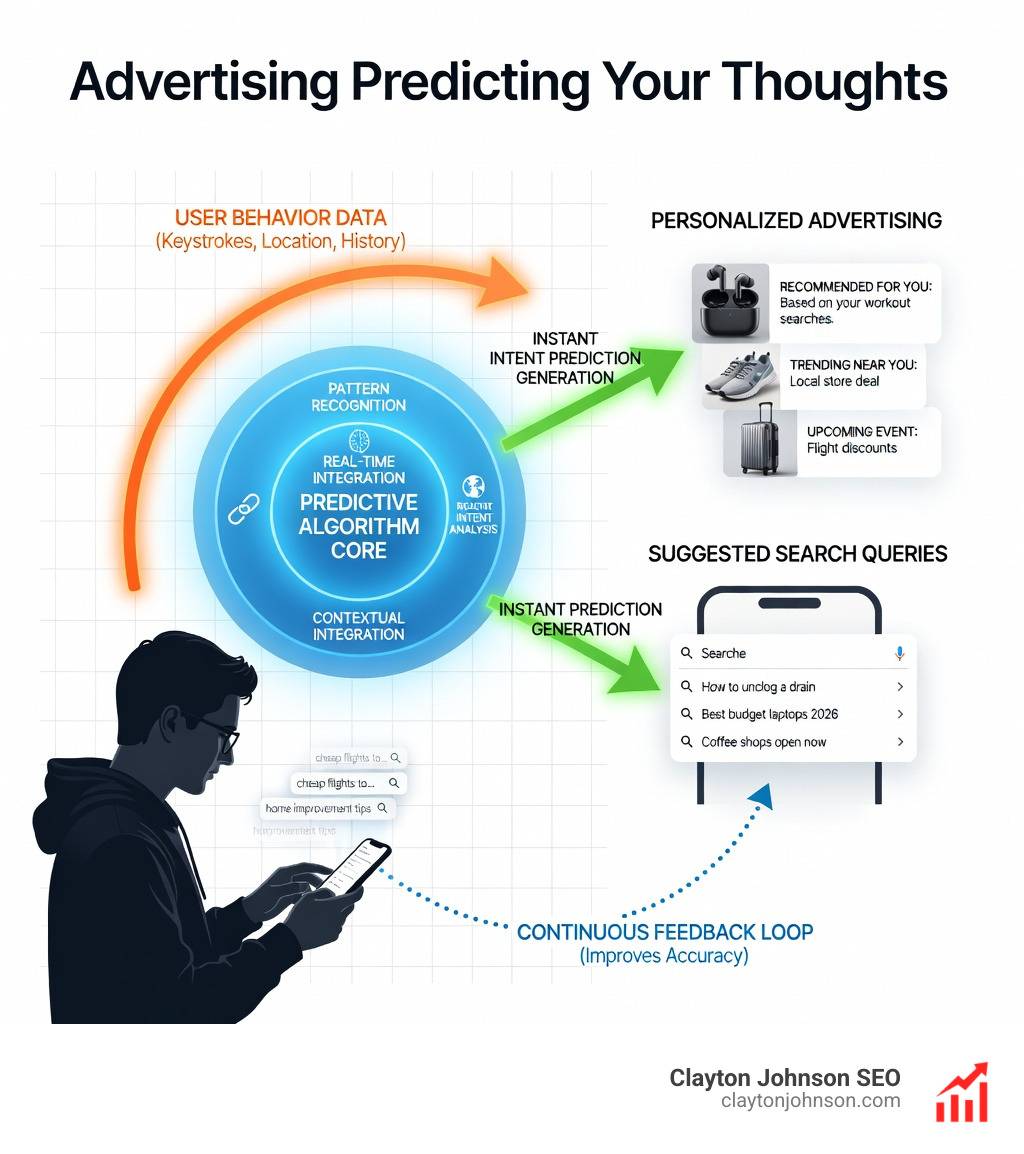
- User Context and History: Modern AI search tools don’t treat every query as a fresh start. They leverage your prior chat and search history to build a “query-aware” profile.
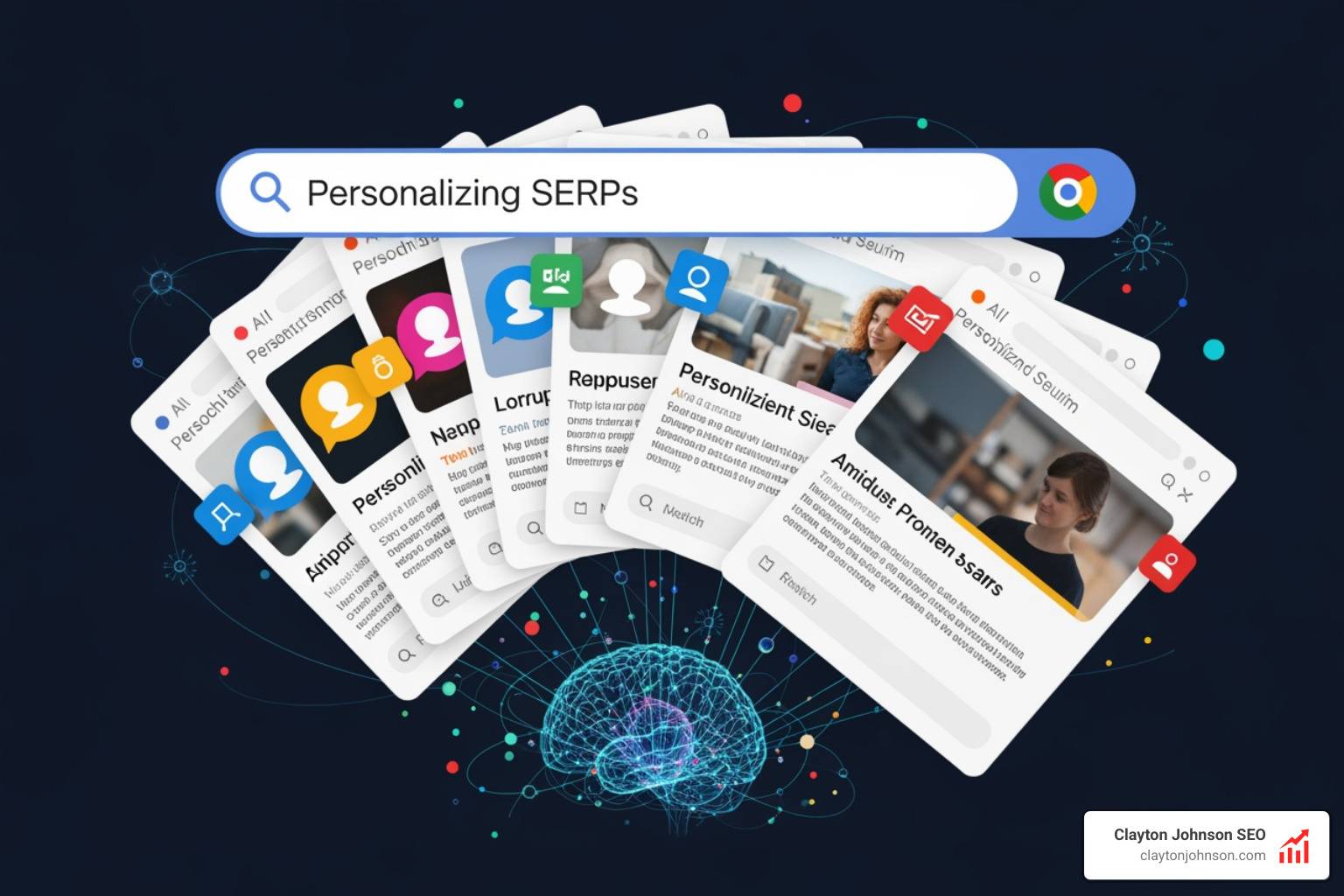
According to research on Personal Intelligence, the most helpful search experiences bring together global knowledge with insights that are uniquely relevant to you. For example, if we search for “itinerary for a 3-day trip,” a personalized AI might look at our past hotel bookings in Gmail or travel photos in Google Photos to suggest a route that matches our specific travel style.
The Shift in SEO Strategy
For businesses, this evolution means the old SEO playbook is being rewritten. We can no longer rely solely on keyword density or backlink volume. In a personalized AI world, Content Authority and E-E-A-T (Experience, Expertise, Authoritativeness, and Trustworthiness) are the new currency.
AI models are looking for structured data and clear intent. If your content doesn’t provide a direct, authoritative answer to a specific user need, the “digital butler” simply won’t recommend it. We must focus on building authority-building ecosystems that demonstrate real-world expertise.
The Benefits of a Tailored Experience for Users and Businesses
The most immediate benefit of personalized AI search is the reduction of cognitive load. We no longer have to sift through pages of “blue links” to find a needle in a haystack.
Why personalized AI search drives business growth
Personalization isn’t just a “nice-to-have” for users; it is a massive performance lever for businesses. When an AI understands exactly what a customer is looking for, the path to conversion becomes much shorter.
Consider these statistics regarding Meta’s Generative Ads Model (GEM):
- GEM is 4x more efficient at driving ad performance gains per unit of data and compute than previous models.
- The launch of these personalized systems delivered a 5% increase in ad conversions on Instagram.
- Efficiency doubled again with recent architectural improvements, showing that the more “personal” the AI gets, the better the business results.
Furthermore, the BESPOKE benchmark, which evaluates personalization in search-augmented LLMs, highlights that leveraging user history consistently improves performance. In realistic environments, using query-aware, selectively chosen user profiles increased personalization scores by up to 11.82 points.
Enhancing Decision-Making with Domain-Specific Data
In an enterprise setting, the “butler” becomes even more specialized. By using vertical indexes—specialized databases for industries like law, medicine, or finance—AI search can provide insights that general search engines miss.
For a founder or marketing leader in Minneapolis, this might mean an AI agent that monitors local market dynamics, supplier availability, and regional demand in real-time. This isn’t just “search”; it’s AI-augmented decision-making. It allows us to move from “shallow search” (finding facts) to “deep reasoning” (finding solutions).
Navigating the Privacy and Security Landscape of AI Personalization
We cannot talk about Why personalized AI search is powerful without addressing the elephant in the room: privacy. To be a good butler, the AI has to know a lot about you. But how much is too much?

The risks are real. Behavioral profiling can lead to unauthorized data use or even “filter bubbles” where we only see information that confirms our existing biases. Miranda Bogen’s research warns that as AI systems start to “know you,” they create entirely new categories of risk that traditional safety frameworks aren’t designed to handle.
User Control and Ethical Data Practices
To build trust, companies must prioritize transparency. We believe that customization works best when paired with clear controls. This includes:
- Opt-in/Opt-out: Users should always choose whether their data is used for personalization.
- Memory Management: Tools like ChatGPT now allow users to view and delete specific “memories” the AI has stored.
- The Model Spec: OpenAI and other leaders are publishing “instruction manuals” (Model Specs) to explain exactly how their AI is programmed to behave and remain objective.
Regulatory Compliance and the EU AI Act
Governments are also stepping in. The EU AI Act is introducing staged obligations that will force AI companies to be more transparent about how they use personal data. For businesses, this means that “ethical data practices” are no longer just a marketing slogan—they are a legal requirement. We must ensure our growth architecture is built on a foundation of secure, compliant data systems.
The Future of Discovery: GEO and Multimodal Search
The way we interact with information is moving beyond text. We are entering the era of Multimodal Personalization, where AI can synthesize text, images, video, and structured data into a single, coherent response.
The Rise of AI Agents as Primary Consumers
One of the most startling trends is that soon, there will be more AI agents using the web than humans. These agents will be searching for information on our behalf—booking flights, researching competitors, or optimizing supply chains.
This has given birth to a new discipline: Generative Engine Optimization (GEO).
- Traditional SEO: Optimize for clicks and link rankings.
- GEO: Optimize for your content to be cited and synthesized by AI models.
To win in the GEO era, we must focus on:
- Content Authority: Being the definitive source on a topic.
- Structured Data: Making it easy for AI “spiders” to extract facts.
- E-E-A-T Signals: Proving to the AI that we are a trustworthy expert.
As research on the future of search suggests, we are moving from “finding” to “synthesizing.” The goal is no longer to find a page that has the answer; it is to have the AI generate the answer using your authoritative data as the source.
Frequently Asked Questions about Personalized AI Search
What is the difference between traditional search and personalized AI search?
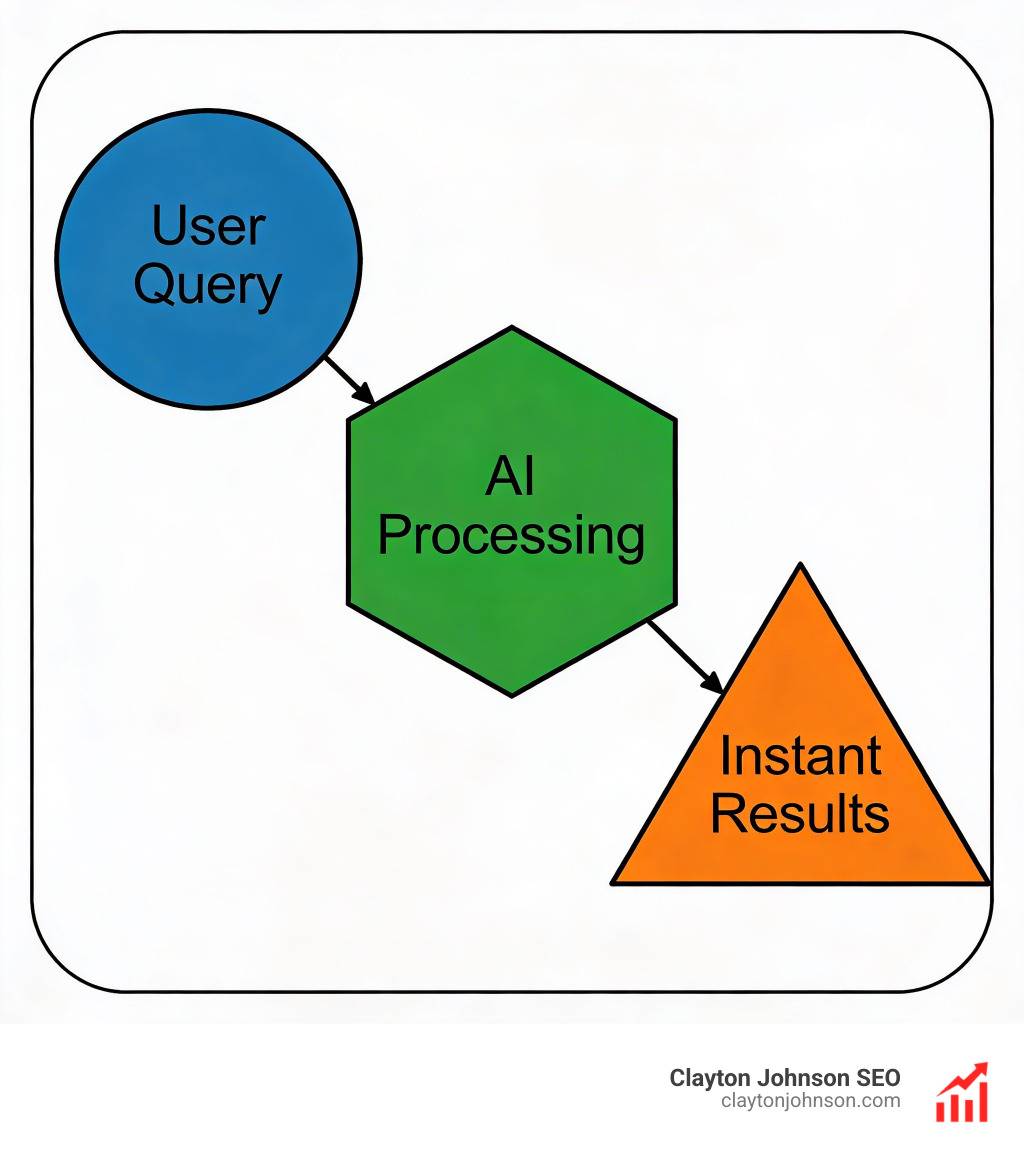
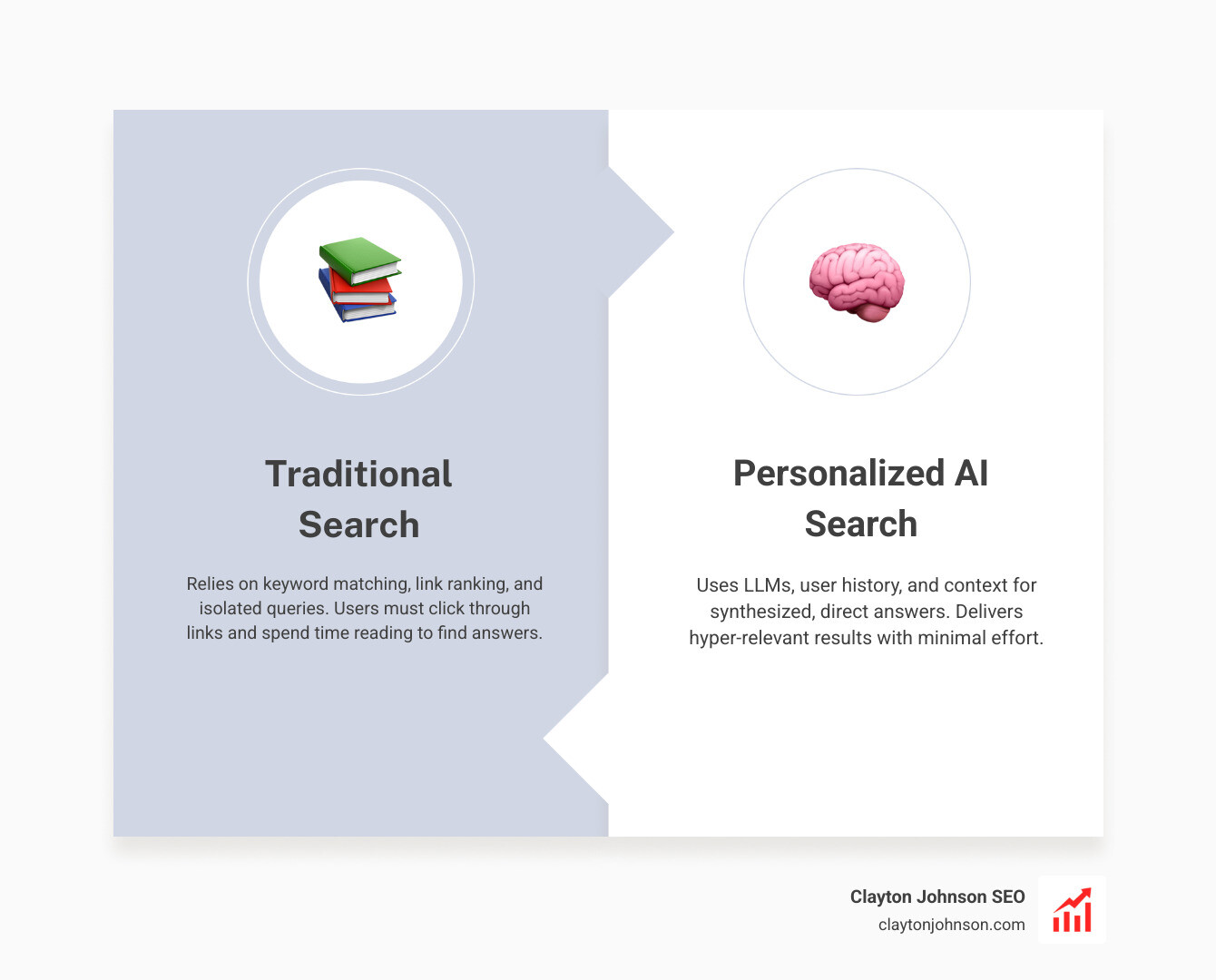
Traditional search relies on keyword matching and link ranking, essentially acting as a middleman between you and a website. Personalized AI search uses LLMs and your specific history to understand the intent behind your question. It then synthesizes a direct, contextual answer, often eliminating the need to click through multiple websites to find what you need.
How can I control what an AI search tool remembers about me?
Most leading tools like ChatGPT and Gemini offer robust memory management settings. We can typically go into the settings to view a list of “factoids” the AI has learned, delete specific items (like a home address or a specific project preference), or turn off the memory feature entirely. It is important to regularly audit these settings to ensure the “butler” only knows what you want it to know.
What is Generative Engine Optimization (GEO)?
GEO is the next evolution of SEO. It is the process of optimizing your digital content so that it is more likely to be used as a source by AI models when they generate answers for users. Instead of focusing on “blue link” rankings, GEO focuses on being the most authoritative, structured, and trustworthy source that the AI can cite in its synthesized responses.
Conclusion
Why personalized AI search is the ultimate digital butler comes down to its ability to turn the chaos of the internet into a streamlined, relevant stream of intelligence. It is a tool that amplifies our productivity, creativity, and decision-making speed.
At Clayton Johnson, we are building Demandflow.ai to help founders and marketing leaders navigate this shift. We don’t just provide tactics; we provide the structured growth architecture needed to thrive in an AI-driven world. By combining actionable strategic frameworks with AI-augmented workflows, we help companies move from clarity to compounding growth.
The future of search is personal, contextual, and generative. Whether you are a business looking to be discovered or a user looking for better answers, the “digital butler” is here to stay.