What is a Market Positioning Strategy (And Why It Matters)
A market positioning strategy is how you shape the way customers think about your brand compared to competitors. It’s the mental shortcut people use to answer: “Why should I choose this over everything else?”
Quick answer: A market positioning strategy defines the unique place your brand occupies in customers’ minds. It combines your target audience, your core benefit, and your key differentiator into a clear, consistent message that drives purchasing decisions.
The core elements of any positioning strategy:
- Target audience – Who you’re specifically for
- Market category – What space you compete in
- Key differentiator – What makes you meaningfully different
- Proof – Why customers should believe you
Think about Volvo. One word comes to mind: safety. That’s not an accident. It’s decades of deliberate, consistent positioning. Or consider how Apple owns “innovation” and Nike owns “performance.” These brands didn’t end up there by chance.
As Al Ries and Jack Trout famously put it in their landmark book Positioning: The Battle for Your Mind — positioning is not what you do to a product, it’s what you do to the mind of the prospect.
Here’s the uncomfortable truth: a great product with bad positioning will lose to a mediocre product with great positioning. Every time.
This guide walks you through everything — from the core types of positioning to building a strategy, writing a positioning statement, and measuring whether it’s actually working.
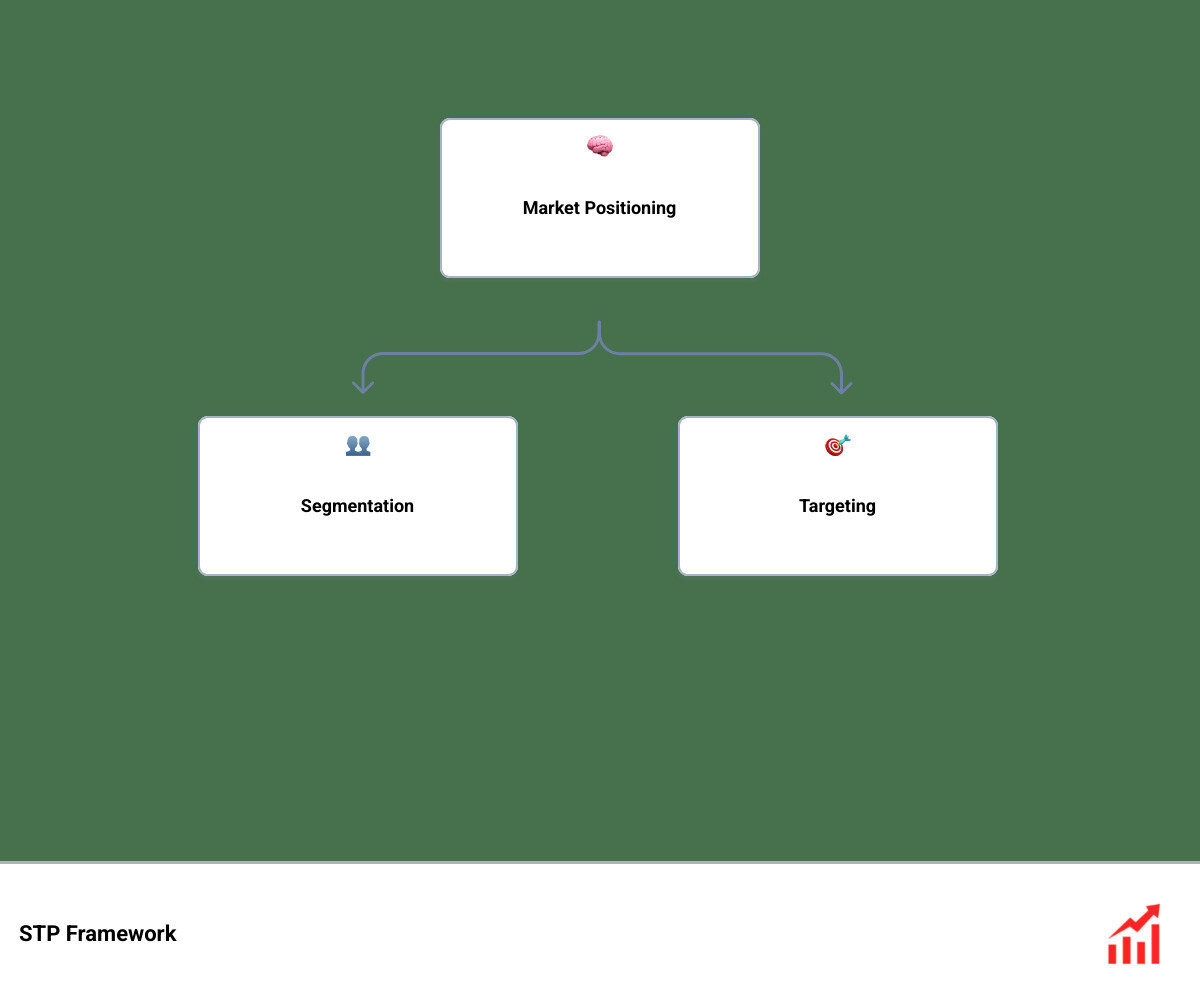
What is Market Positioning and Why is it Vital?
When the average consumer is bombarded with thousands of marketing messages daily, market positioning strategy acts as a beacon. It isn’t just a “nice-to-have” marketing exercise; it is the foundation of your business identity. Without a clear position, you are essentially a “brand nobody”—easily ignored and quickly forgotten.
Why is this so critical for us as business owners? Because positioning dictates your pricing power, your customer loyalty, and your ability to scale. When you occupy a specific “slot” in a customer’s brain, you don’t have to fight as hard for every lead. The funnel begins to do the heavy lifting for you.
Research shows that 86% of consumers prefer a relaxed and casual brand position over a luxurious and sophisticated one in many everyday categories. This suggests that “premium” isn’t always the winning ticket—relevance is. By understanding these preferences, we can avoid the trap of being a brand nobody and instead build a presence that resonates deeply with our target audience.
Defining the Mental Shortcut
At its heart, positioning is about visibility and brand image. It’s the “vibe” and the “logic” combined. It helps a customer instantly categorize you. If you’re a software company, are you the “complex but powerful” option or the “simple and friendly” one?
Effective positioning creates a mental shortcut. Instead of the customer evaluating fifty different features, they think, “Oh, that’s the one for small businesses who hate tech.” If you want to dive deeper into how to structure this, you can Download your free positioning eBook to start mapping out your own brand’s visibility.
Positioning vs. Messaging and Branding
We often see businesses confuse these terms, but they serve very different roles in your growth strategy.
- Market Positioning Strategy: The internal “north star.” It defines your unique value and where you sit relative to competitors.
- Value Proposition: The specific promise of value to be delivered. It’s the “what’s in it for me” for the customer.
- Differentiation: The specific features or benefits that make you different (the “how”).
- Messaging: The external words you use to communicate your positioning.
- Branding: The visual and emotional identity (logos, colors, tone) that reinforces the position.
| Feature | Positioning | Messaging | Branding |
|---|---|---|---|
| Audience | Internal / Strategic | External / Customer-facing | External / Emotional |
| Goal | Define the “space” owned | Communicate the value | Create recognition & feel |
| Example | “The safest family car” | “Protect what matters most” | Volvo logo, Swedish design |
Modern marketers are also looking toward “narrative design”—building a story where the customer is the hero and your product is the essential tool for their journey. This goes beyond simple positioning and creates an immersive brand experience.
Core Types of Market Positioning Strategy
How do you actually decide where to stand? You can’t be everything to everyone. Trying to be the highest quality and the lowest price usually results in being neither. We use several standard models to help businesses find their “gap” in the market.
Differentiation and Niche Targeting
One of the most effective ways to win is to stop trying to beat the giants at their own game and instead find a niche they are ignoring. This is about specialized expertise.
For example, Glossier provides a great example of a brand that positioned itself as “relaxed and casual.” While legacy beauty brands like Dior or Estée Lauder focused on high-glamour and “perfection,” Glossier focused on “skin first, makeup second,” using informal language and natural imagery. They didn’t try to be Dior; they tried to be the “cool older sister” of beauty.
If you feel like you’re getting lost in the noise, it’s time to stop blending in and start positioning like April Dunford, focusing on the specific context where your product is the “obviously best” choice. To see more ways to frame this, check out the ultimate guide to market positioning models.
Price and Quality Leadership
This is the classic “high-low” split.
- Premium Positioning: You charge more because you offer more—more status, better materials, or exclusive access. Think Rolex or Tesla.
- Value Positioning: You focus on being “good enough” for a significantly lower price. Think IKEA or Dollar Shave Club.
Interestingly, scientific research on positioning history shows that these concepts have been used in advertising since the 1920s. Even then, agencies knew that a brand had to stand for something—whether it was the luxury of a fine soap or the reliability of a winter car.
How to Develop an Effective Market Positioning Strategy
Building a market positioning strategy isn’t a guessing game; it’s a research project. We follow a structured process to ensure the position is grounded in reality, not just wishful thinking.
- Market Research: Understand the current landscape. What are people actually buying?
- Customer Segmentation: Don’t just look at demographics. Look at behaviors and pain points. We recommend creating distinct customer personas to visualize exactly who you are talking to.
- Competitive Analysis: What are your rivals saying? Where are they failing? You can stop guessing and start positioning with competitive intelligence by looking for “underrepresented” segments.
- SWOT Analysis: Be honest about your Strengths, Weaknesses, Opportunities, and Threats.
Crafting a Compelling Positioning Statement
Once you have the data, you need to boil it down into a single, punchy statement. This isn’t your tagline (which is for customers); it’s your internal guide.
The standard template is:
For [Target Audience], who [Statement of Need], [Brand Name] is the [Market Category] that [Key Benefit/Differentiator] because [Proof].
If you want to master this craft, you can Get Positioning Certified to ensure your strategy is world-class.
Using AI and Data in Strategy Development
We live in the age of big data, and positioning has evolved. We now use quantitative analysis—like cluster analysis—to find groups of customers with similar needs that aren’t being met.
But what about artificial intelligence? What is an AI positioning model anyway? It’s using machine learning to analyze thousands of competitor reviews and social media posts to find the “white space” in a market. The key is knowing how to use AI for positioning without looking like a robot—you still need that human touch to create an emotional connection.
Measuring Success and Avoiding Common Pitfalls
You’ve launched your new market positioning strategy. How do you know if it’s working? You can’t just rely on “gut feeling.”
Measuring the Effectiveness of Your Market Positioning Strategy
We track several key metrics to validate our positioning:
- Market Share: Are you actually capturing more of the pie?
- Brand Recognition: Does your target audience know who you are and what you stand for?
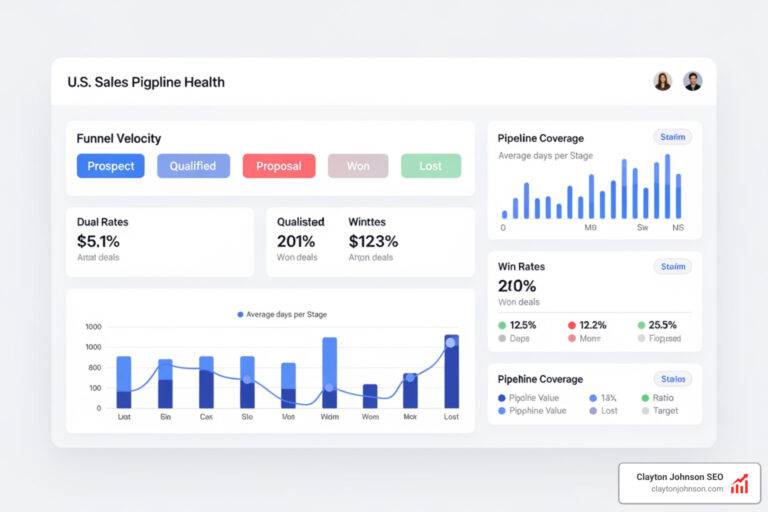
- Win Rates: When you go head-to-head with a competitor, how often do you win?
- Organic Search Visibility: Are you showing up for terms related to your key differentiators?
- Social Sentiment: What are people saying about you in the “wild”?
When done right, you can position your brand so competitors cry because you’ve made yourself the only logical choice for your specific niche.
When and How to Reposition Your Brand
Sometimes, the market moves, and you get left behind. This is when “repositioning” comes into play.
- Sales Decline: If your once-popular product is stalling, your position might be stale.
- New Competitors: If a “disruptor” enters with a better price or cooler image, you may need to shift.
- Brand Evolution: As companies grow, they often outgrow their original niche (like Amazon moving from “online bookstore” to “the everything store”).
Repositioning involves “attitude manipulation”—changing how people perceive your existing brand through new messaging, updated pricing, or even a total visual overhaul.
Frequently Asked Questions about Market Positioning
What are real-world examples of successful positioning?
- Apple: Positioned on “Innovation” and “Think Different.” They don’t sell computers; they sell tools for creative rebels.
- Volvo: Positioned on “Safety.” For decades, their entire engineering and marketing narrative has focused on protecting your family.
- Nike: Positioned on “Performance” and “Inspiration.” Their “Just Do It” campaign moved them from a shoe company to a lifestyle brand for anyone with a body.
- Airbnb: Positioned on “Belong Anywhere,” offering unique local experiences rather than just a hotel room.
For more classic insights, we highly recommend reading the original Positioning: The Battle for Your Mind.
How does market positioning differ from product positioning?
Think of it as the “macro” vs. the “micro.”
Market positioning is about the brand’s overarching identity in the industry. It’s how the whole company is perceived.
Product positioning is specific to a single offering. A company like Procter & Gamble has a broad market position as a “household goods giant,” but their product, Tide, has a specific position as the “tough stain remover.”
What are the most common positioning mistakes?
- Appealing to everyone: If you try to please everyone, you please no one. You end up with “beige” messaging.
- Vague claims: Saying you are “the best” or “high quality” means nothing. Every competitor says that. Be specific.
- Copying competitors: If you just do what the market leader does, you’ll always be the “cheaper, worse version” of them.
- Inconsistent messaging: If your website says one thing, but your sales team says another, the customer gets confused. Confusion is the death of a sale.
Conclusion
A strong market positioning strategy is the difference between a business that struggles for every click and one that commands a loyal following. It’s about finding your unique “why” and shouting it from the rooftops—consistently and clearly.
At Clayton Johnson SEO, we understand that positioning is especially vital in crowded digital spaces. We provide specialized SEO services designed to help brands—particularly wealth management firms—stand out and capture the right kind of attention.
Don’t let your brand be a “nobody.” Define your space, own your niche, and watch your business grow. If you’re ready to dominate your market, let’s talk about building a strategy that makes your competitors irrelevant.