From Red Bull to B2B: The Best Content Marketing Examples


What the Best Content Marketing Actually Looks Like
The best content marketing doesn’t interrupt people — it earns their attention by being genuinely useful.
Here are the standout examples covered in this guide:
| Brand | Strategy | Result |
|---|---|---|
| Red Bull | Extreme sports content + YouTube | 17.2M subscribers |
| Dollar Shave Club | Viral humor video | 27M views, 12K orders |
| LEGO | Fan-submitted designs + YouTube | 18M+ subscribers |
| HubSpot | Educational blog + tools | Industry authority |
| Duolingo | TikTok character persona | Viral social growth |
| Airbnb | Storytelling + UGC | $2.2B revenue |
These brands didn’t get there by publishing more. They won by publishing smarter.
Content marketing works because 92% of consumers trust peer recommendations over ads. The brands above understood that. They stopped selling and started helping — and their audiences rewarded them for it.
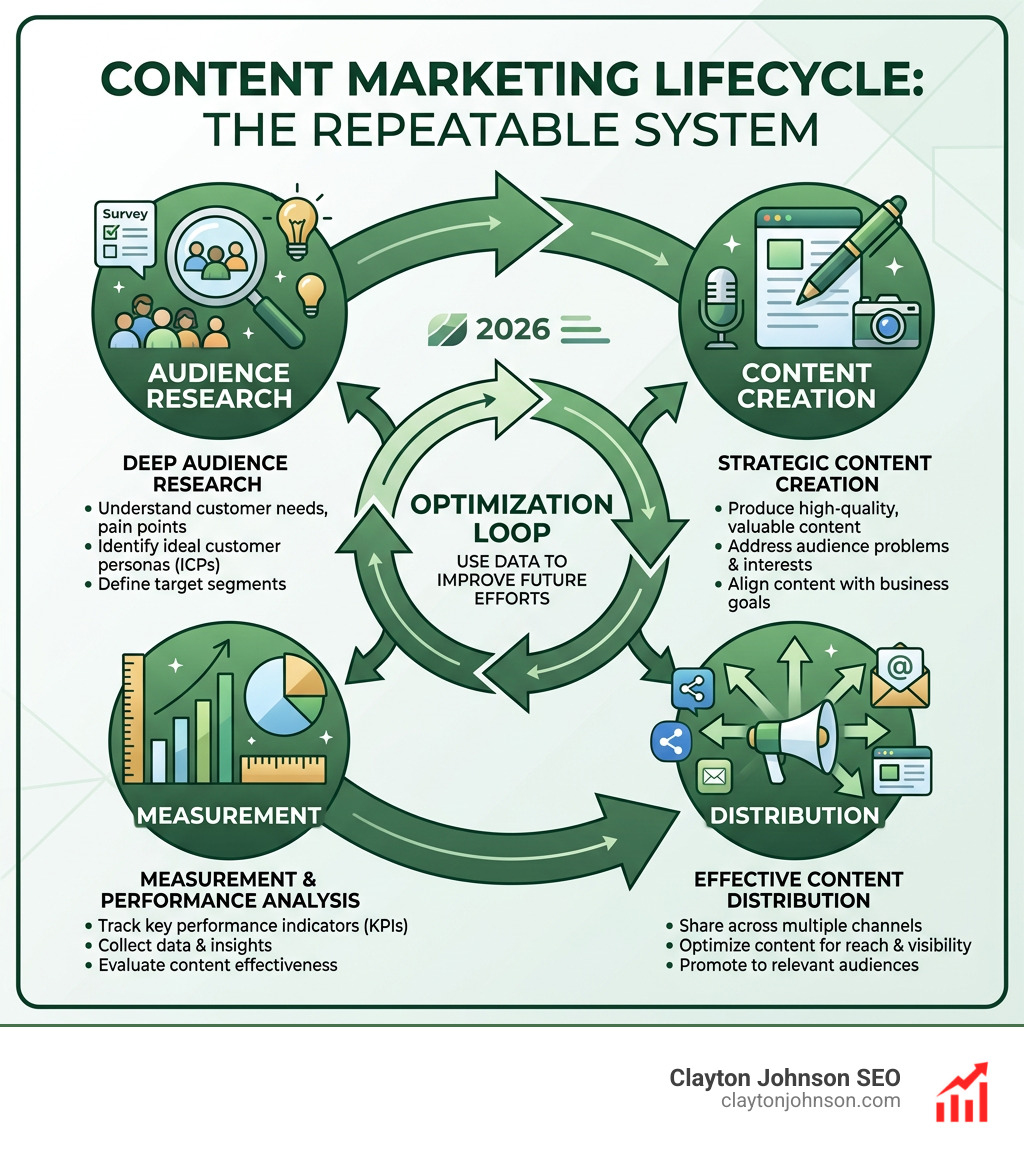
But knowing what works is only half the battle. The harder part is building a repeatable system that generates visibility and leads without burning out your team.
I’m Clayton Johnson, an SEO strategist and demand generation expert who has spent nearly two decades helping businesses build the kind of scalable content systems that drive the best content marketing results — turning organic search into a consistent source of qualified leads.
The Core Pillars of the Best Content Marketing
At its heart, content marketing is the art of communicating with your customers without the hard sell. It is “non-interruption” marketing. Instead of pitching your products, you deliver information that makes your buyer more intelligent. The essence of the best content marketing is the belief that if we, as businesses, deliver consistent, ongoing value to buyers, they ultimately reward us with their business and loyalty.
However, the landscape is becoming increasingly crowded. There are more than 600 million blogs on the internet, and WordPress users alone post approximately 70 million new posts every month. This “content shock” has led to a startling statistic: 67% of content marketers surveyed noted that their workload has increased, but their resources have not.
To survive this resource gap, we must shift from quantity to quality. True SEO Content Strategy isn’t about filling a calendar; it’s about building authority.
Content Marketing vs. Native Advertising
It is easy to confuse these terms, but the distinction is vital for your ROI.
| Feature | Content Marketing | Native Advertising |
|---|---|---|
| Ownership | You own the platform (Blog, Newsletter) | You rent the platform (Social ads, Sponsored posts) |
| Goal | Long-term authority and trust | Short-term visibility and clicks |
| Cost | Compounding (Initial investment grows over time) | Linear (Stop paying, stop seeing results) |
| Strategy | Inbound strategy | Outbound/Paid strategy |
Iconic Examples: From Red Bull to Dollar Shave Club
When we look at the best content marketing, we see brands that have transcended their products to become media houses.
- Red Bull: They don’t just sell energy drinks; they sell the “extreme” lifestyle. By sponsoring events like Felix Baumgartner’s space jump, they created content so compelling that 17.2 million people subscribed to their YouTube channel just to watch it.
- Dollar Shave Club: They disrupted a multi-billion dollar industry with a single viral video. With nearly 27 million views, the video used humor to solve a common pain point (overpriced razors), leading to 12,000 orders in the first 48 hours.
- LEGO: They turned their customers into creators. Their “LEGO Ideas” platform allows fans to submit designs; if a design gets enough votes, LEGO produces it. This creates a cycle of loyalty and fresh content that keeps their 18 million YouTube subscribers engaged.
- Duolingo: On TikTok, Duolingo abandoned corporate polish for a quirky, unhinged mascot persona. By leaning into platform-native humor and trends, they achieved viral growth that traditional ads could never buy.
The common thread? They leaned into User-Generated Content (UGC) and authenticity. As Nielsen reports, 92% of consumers trust peer recommendations over traditional advertising.
Why Strategy Trumps Tactics in the Best Content Marketing
Tactics are shiny objects. A TikTok trend is a tactic. A blog post is a tactic. But without a system, you are just shouting into a void. To win, you must Stop Shouting and Start Building Authority with These Content Systems.
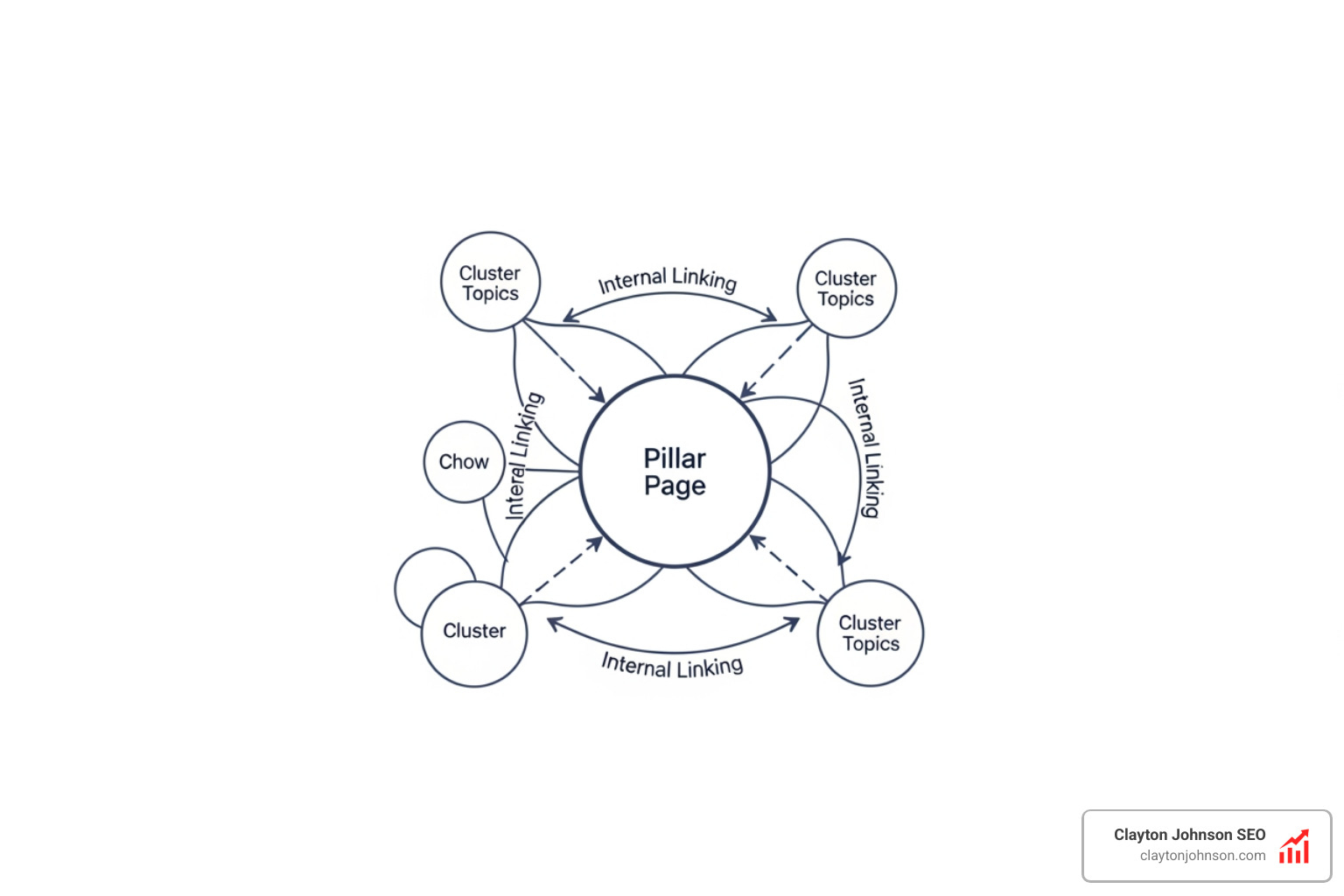
A winning strategy is built on a solid content taxonomy. Think of your content as an ecosystem. You need “Pillar” content (comprehensive guides) that branches out into “Cluster” content (specific articles). This structure tells search engines that you are an expert in your field, leading to compounding growth and scalable traffic.
When we build a content taxonomy that doesn’t suck, we map every piece of content to a specific search intent. Are they looking for information (Awareness)? Are they comparing solutions (Consideration)? Or are they ready to buy (Decision)?
Leveraging AI and Data for the Best Content Marketing Results
We are living in the age of the AI Content System. Tools like ChatGPT and Perplexity AI are no longer just for writing drafts; they are for orchestration.
We use AI to:
- Analyze Data: Sifting through thousands of keywords to find untapped opportunities.
- Audit Content: You should let AI audit your content to find underperforming pages that need a refresh.
- Personalize: Tailoring email subject lines and content to specific user behaviors.
- Automate Workflows: Moving a content piece from “draft” to “published” with minimal manual intervention.
The goal isn’t to replace the human voice — it’s to remove the friction. By using AI-enhanced workflow integrations, we free up our teams to focus on high-level storytelling while the machines handle the data-heavy heavy lifting.
Mastering the Buyer’s Journey and Audience Personas
You cannot create the best content marketing if you don’t know who you are talking to. This starts with lead nurturing and the customer lifecycle.
Generic personas like “SaaS Sally” aren’t enough. We need to understand the “emotional searchability” of our audience. What are they complaining about on Reddit at 10 p.m.? What friction points are stopping them from solving their problems?
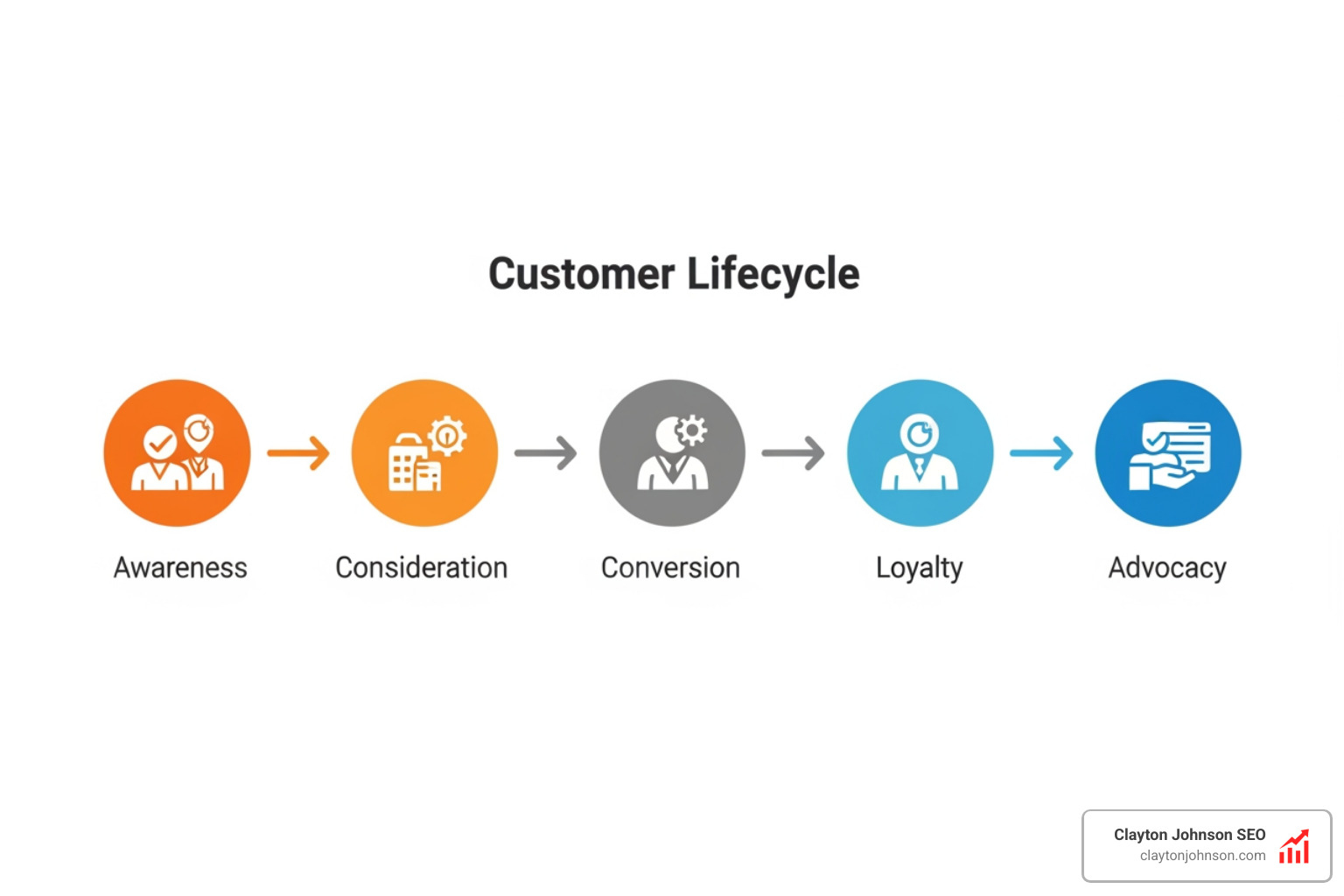
When you map content to the buyer’s journey, you ensure you are providing the right value at the right time.
- Awareness: Educational blog posts, infographics, and “how-to” videos.
- Consideration: Case studies, product comparisons, and webinars.
- Decision: ROI calculators, free trials, and detailed documentation.
High-Impact Formats: Video, UGC, and Interactive Tools
The best content marketing leverages formats that stop the scroll.
- Video: YouTube publishers upload 500 hours of video every minute. To stand out, we treat video as the “main course,” not a marketing dessert. This includes everything from high-production brand stories to raw, authentic TikTok tutorials.
- Interactive Tools: HubSpot’s blog idea generator and Neil Patel’s Ubersuggest are classic examples of “tool-led” content. These provide immediate value, solve a problem, and naturally lead the user into the sales funnel.
- Calculators: ROI and savings calculators (like those from Outgrow) convert passive readers into active participants by providing personalized data.
- Accessibility: With 1.3 billion people living with visual impairments, accessibility design best practices are no longer optional. This includes alt text for images, high-contrast visuals, and readable fonts.
Distribution and the 80/20 Promotion Rule
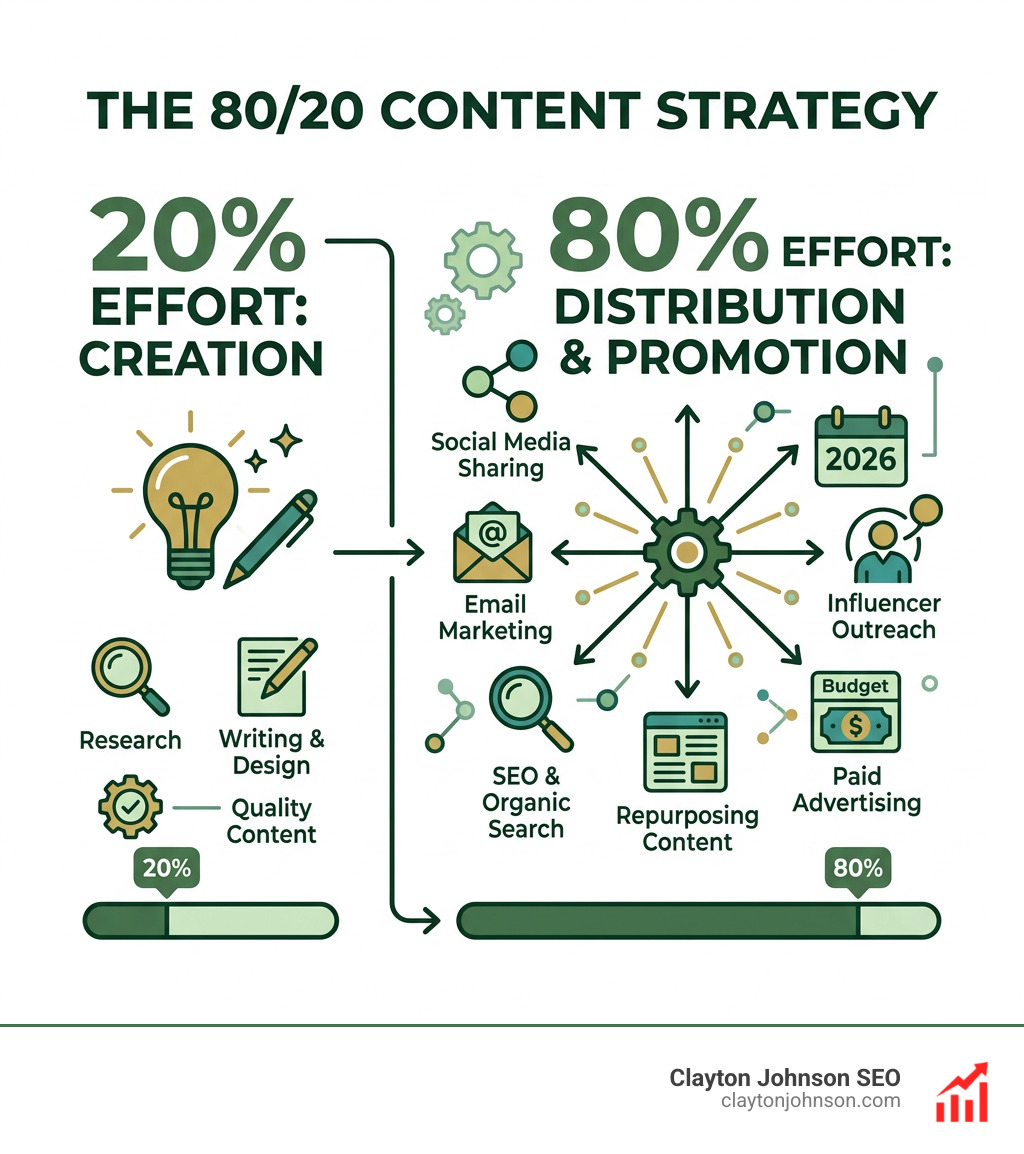
Creating content is only 20% of the job. The other 80% is Winning the No-Click Game with Better Content Strategy.
The 80/20 rule suggests that for every hour spent creating, you should spend four hours promoting. This includes:
- Email Marketing: Producing a massive $38 return on every dollar spent.
- Repurposing: Turning one long-form guide into 10 social posts, a newsletter, and a video script.
- Native Distribution: Posting the value of your content directly on LinkedIn or Reddit rather than just dropping a link.
To ensure your efforts drive ROI, you must be hyper-focused on a handful of metrics. Move away from vanity metrics (like page views) and toward business impact (like lead quality and conversion assists).
Conclusion: Building Your Own Authority System
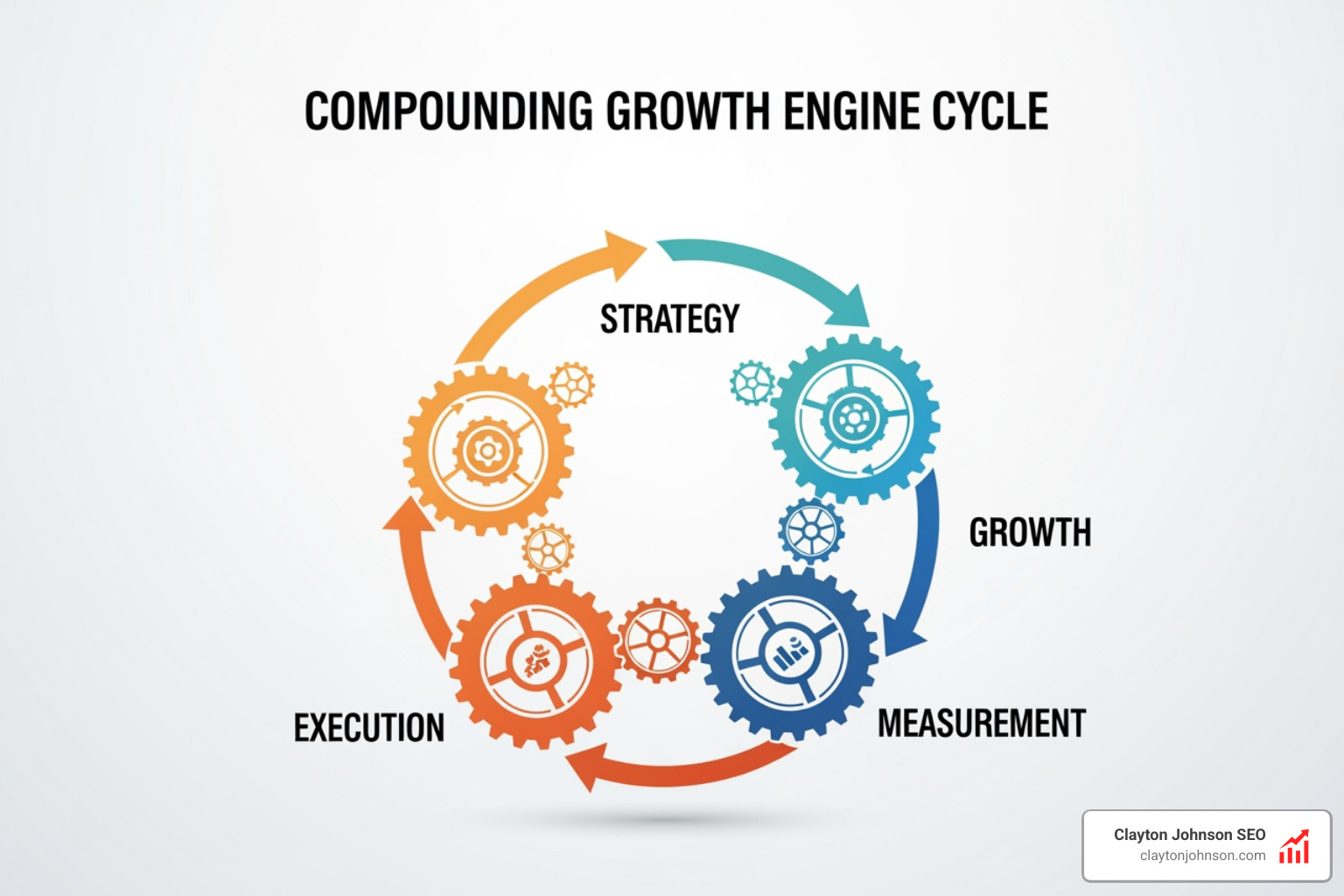
The best content marketing is not about luck; it is about systems. Whether you are a global brand like Red Bull or a B2B startup, the path to growth remains the same: Clarity → Structure → Leverage → Compounding Growth.
At Clayton Johnson SEO, we don’t just advise on strategy — we build the systems that operationalize it. We specialize in turning fragmented marketing efforts into coherent growth engines driven by search intent and structured content.
If you are ready to move beyond “busywork” and start building a scalable traffic system that delivers measurable ROI, we can help. From technical SEO and content architecture to AI-enhanced workflows, we build durable systems designed for long-term authority.
Learn more about our SEO services and how we can help you dominate your niche. Let’s stop shouting and start building.