How to Rank Higher Than Your Competition’s Stress Levels

Why Wellness Coaches Can’t Afford to Ignore SEO
wellness coaching SEO tools are the software and platforms that help health and wellness coaches rank higher on Google, attract organic traffic, and convert website visitors into paying clients.
Here are the top tools, grouped by purpose:
| Category | Top Tools |
|---|---|
| Keyword Research (Free) | Google Keyword Planner, Google Search Console, Google Autocomplete |
| Keyword Research (Paid) | Semrush, Mangools, Keywords Everywhere, Ubersuggest |
| Local SEO | Google Business Profile |
| Technical SEO | Google PageSpeed Insights |
| Analytics | Google Analytics 4 |
| Content & Design | Canva |
| Automation | Make.com, Zapier |
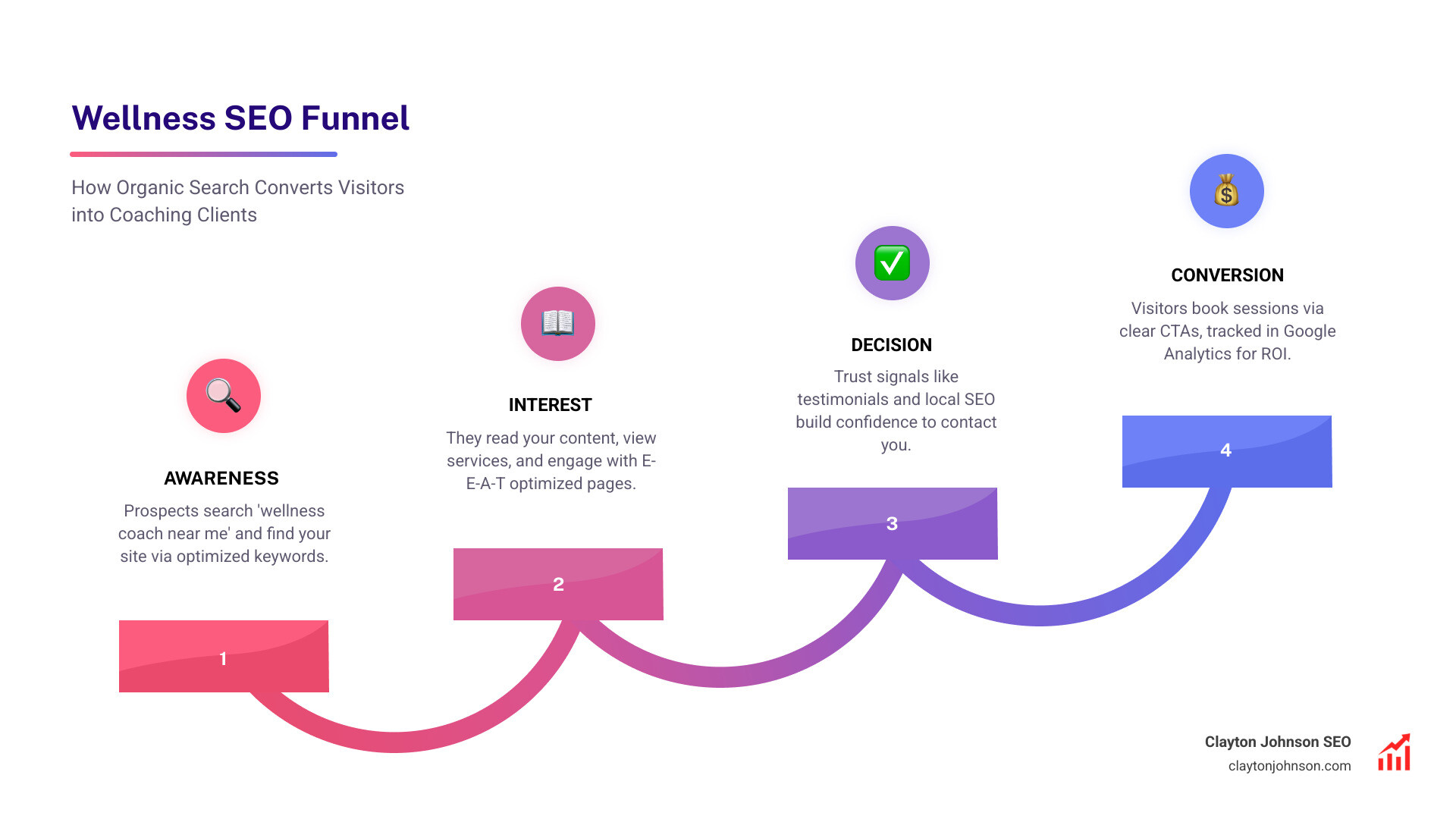
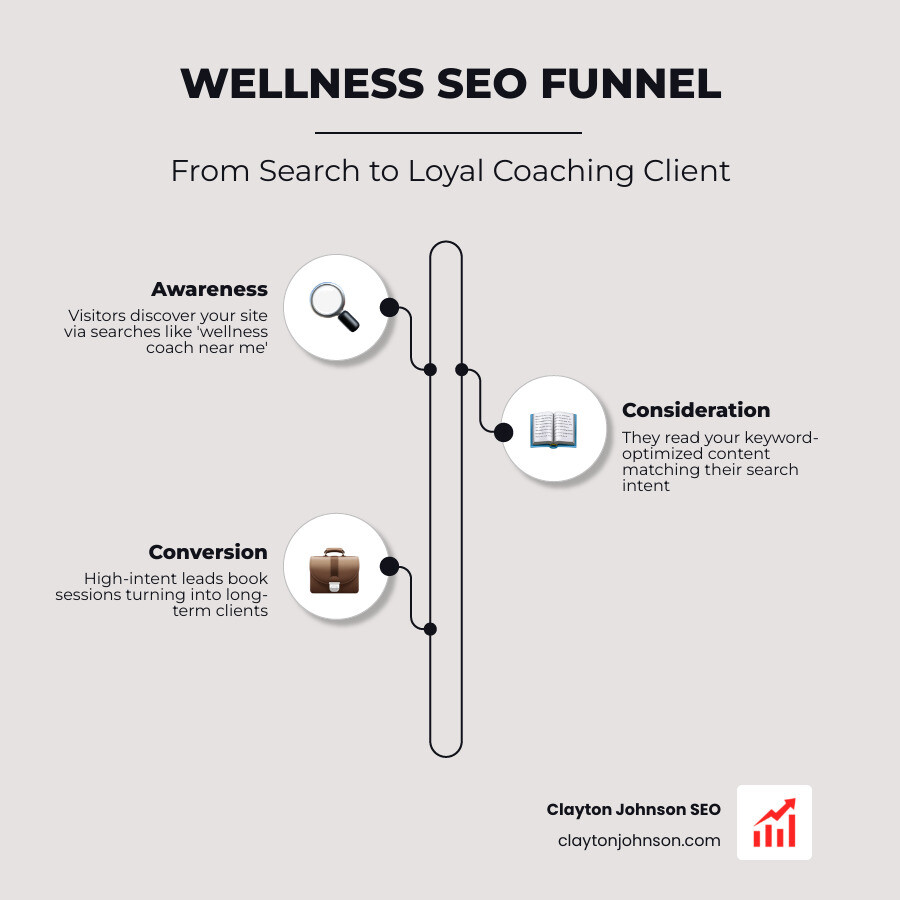
Your ideal clients are already searching for you online. They’re typing things like “wellness coach near me” or “nutrition coach for weight loss” into Google right now. If your website doesn’t show up, someone else gets that client.
The problem is that most wellness coaches rely almost entirely on social media to get clients. Social media works — but it stops the moment you stop posting.
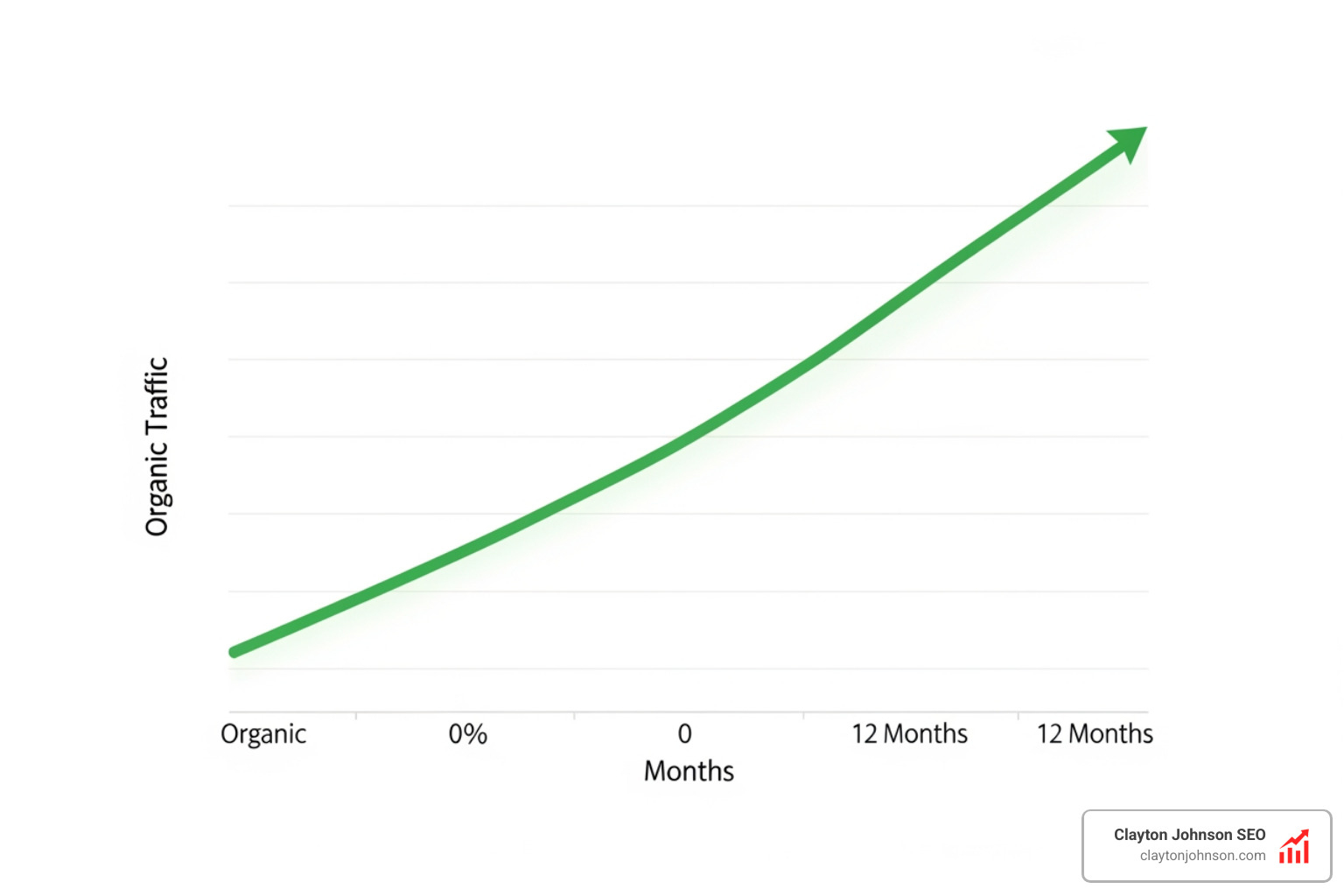
SEO is different. A well-optimized page keeps bringing in clients month after month, even while you sleep. The tradeoff? It takes time. Expect to wait 3 to 6 months before clicks start rolling in, and up to 12 months before a page reaches its full potential in Google’s rankings.
That’s not a flaw — it’s a feature. SEO compounds over time, like a savings account that keeps growing.
The right tools make this process faster, clearer, and far less overwhelming — even if you’re not a tech person.
Essential Wellness Coaching SEO Tools for Sustainable Growth
When we talk about wellness coaching SEO tools, we aren’t just talking about shiny gadgets. We are talking about the foundation of a sustainable business. Search Engine Optimization (SEO) is the process of making your website “legible” and “trustworthy” to search engines like Google.
For wellness coaches, SEO is essential because it captures “high-intent” traffic. Someone scrolling Instagram might be looking for inspiration, but someone searching “how to stop stress eating at night” is looking for a solution. If you are that solution, SEO is how they find you.
The ROI of SEO is a slow burn that turns into a wildfire. Unlike social media ads that disappear when the budget runs out, or posts that vanish into the feed after 24 hours, an optimized blog post can rank for years. We view SEO as a compounding asset. The more high-quality, keyword-optimized content you produce, the more “authority” your site gains, making it easier to rank for even more competitive terms later.
Free Wellness Coaching SEO Tools for Keyword Discovery
You don’t need a massive budget to start ranking. In fact, some of the most powerful wellness coaching SEO tools are completely free.
- Google Autocomplete & Related Searches: This is the ultimate “low-tech” method. Start typing a phrase like “health coach for…” into the Google search bar. Google will suggest endings like “women over 50” or “busy professionals.” These aren’t random; they are actual searches people are making. Scroll to the bottom of the results page to see “Related searches” for even more ideas.
- Google Keyword Planner (GKP): Originally for advertisers, this tool is a goldmine for coaches. It shows you how many people search for specific terms and how competitive those terms are. It helps you avoid “keyword stuffing”—an outdated and harmful practice—and instead focus on terms that actually drive traffic.
- Google Search Console (GSC): Think of this as your website’s report card. It tells you which keywords are currently bringing people to your site and if there are any technical “broken” parts Google is struggling to read.
For those just starting, we recommend checking out this beginners guide to medical practice seo which covers the fundamentals that apply perfectly to the wellness niche. If you are looking to deepen your coaching knowledge while you build your site, you can also look into how to Become a Certified Holistic Health Coach to add that extra layer of authority to your content.
Premium Wellness Coaching SEO Tools for Competitive Analysis
Once you’re ready to scale, premium tools provide the “competitive intelligence” you need to outrank the big players.
- Keywords Everywhere: This is a browser extension that costs about $10 for 100,000 searches. It shows search volume and competition data directly on your Google search results page. It’s perfect for finding “low-hanging fruit”—keywords with decent volume but low competition.
- Ubersuggest: This tool offers a few free searches a day and is very user-friendly. It reveals what your competitors are ranking for, allowing you to “borrow” their best ideas.
- Mangools: We love Mangools for its simplicity. It’s an all-in-one suite that helps with keyword research, tracking your rankings, and seeing who is linking to your site.
- Semrush: This is the “heavy lifter.” It’s a bit pricier but offers deep audits, content suggestions, and advanced competitive analysis.
If you’re feeling overwhelmed by the technical side, take a breath. Our an absolute beginners guide to mastering core seo can help you navigate these tools without a tech degree.
Optimizing Local Visibility and Google Business Profiles
If you see clients in person or want to be the “go-to” coach in your city, Local SEO is your best friend. This is how you show up in the “Map Pack” when someone searches “wellness coach near me.”
The most important tool here is your Google Business Profile (formerly Google My Business). You need to claim it, verify it, and optimize it. This means:
- Ensuring your Name, Address, and Phone number (NAP) are consistent across the web.
- Adding high-quality photos of your office or yourself in action.
- Asking for client reviews regularly. Google loves seeing active, highly-rated businesses.
- Posting weekly updates or offers directly to your profile.
Local SEO is particularly vital for medical practices and wellness clinics that rely on neighborhood foot traffic. Even if you are 100% online, having a verified local profile helps build “trust signals” with Google.
Technical Performance and Mobile Speed Optimization
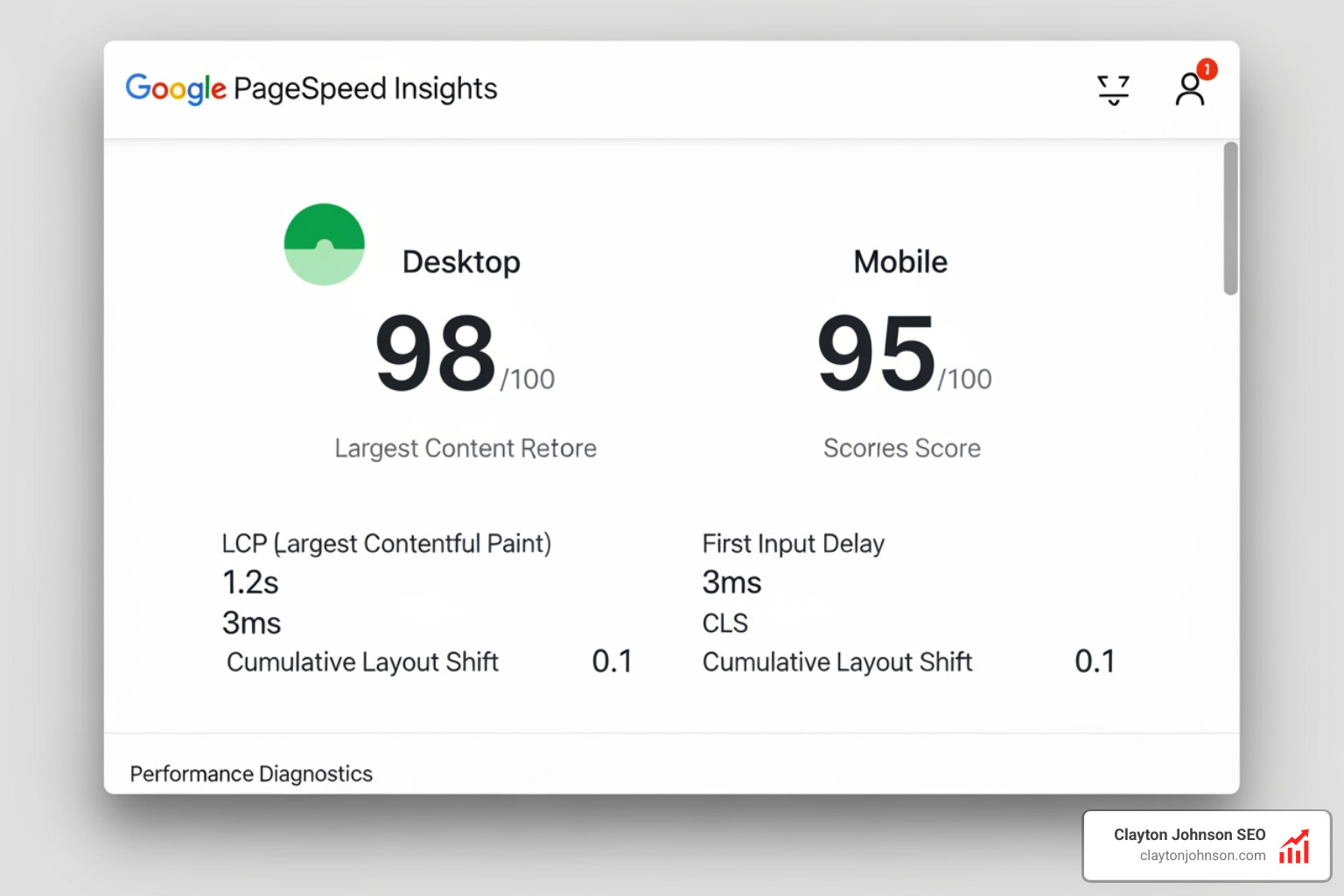
Google is a bit of a speed demon. If your website takes more than 3 seconds to load, most users will “bounce” (leave), and Google will demote you in the rankings. Many wellness websites are unfortunately slow—loading in 15-18 seconds—usually because of massive, unoptimized images of kale salads and sunset yoga poses.
Google PageSpeed Insights is the primary tool we use to diagnose these issues. It gives you a score and a specific list of what to fix.
To improve your speed:
- Image Compression: Use tools to shrink your images. Aim for under 100KB per image, with dimensions under 1000 pixels.
- Hosting: Don’t settle for the cheapest hosting. We often recommend WPX Hosting for managed WordPress sites because of its incredible speed and customer service.
- Mobile-First Design: More people will view your site on a phone than a computer. Ensure your site is “responsive,” meaning it looks and works perfectly on any screen size.
Understanding the technical side is part of the investment. You can find more about the financial side of this in our guide on everything you need to know about wellness coach seo pricing.
Content Architecture and On-Page Authority Building
Content is the “queen” of SEO. But you can’t just write random blog posts and hope for the best. You need a structure.
We use Topic Clusters. This involves creating one massive “Pillar Page” (like a 3,000-word guide on “The Ultimate Guide to Gut Health”) and then writing 4-5 smaller, related posts (like “5 Probiotic Foods” or “How Stress Affects Digestion”) that all link back to the pillar. This tells Google you are an expert on the entire topic.
On-Page Elements to Optimize:
- Meta Titles: This is the blue link people see in search results. It should include your main keyword and be “click-worthy.”
- Meta Descriptions: The short blurb under the link. It doesn’t help you rank directly, but it convinces people to click.
- E-E-A-T: This stands for Experience, Expertise, Authoritativeness, and Trustworthiness. For wellness coaches, this means including an author bio with your credentials, linking to scientific studies (like PubMed), and sharing real-world client success stories.
To streamline this, we often use the ultimate guide to ai seo workflows to help brainstorm and structure content at scale without losing the human touch.
Measuring ROI and Tracking Search Performance
How do you know if your wellness coaching SEO tools are actually working? You track the data.
Google Analytics 4 (GA4) is the industry standard. It allows you to see:
- Where your traffic is coming from (Organic Search vs. Social Media).
- Which pages people stay on the longest.
- Conversions: This is the most important metric. How many people who found you via Google actually clicked “Book a Consultation” or signed up for your newsletter?
By setting up “Events” in GA4, you can track the exact journey a client takes from their first search to their first payment. This allows you to measure your ROI and see that SEO, while slower than social media, often provides a much higher “lifetime value” client. We also suggest using top ai content audit tools for smarter websites to periodically check which parts of your site are performing and which need a tune-up.
Building a Scalable Traffic System for Your Wellness Practice
At Clayton Johnson SEO, we don’t believe in chasing “hacks” or temporary glitches in the algorithm. We believe in building durable systems. For a wellness coach, that means moving away from the “hamster wheel” of social media and toward a structured, intent-driven content ecosystem.
We help coaches turn fragmented marketing into a coherent growth engine. This involves:
- Strategic Positioning: Finding the specific niche where you can win (e.g., “SEO for pelvic health coaches” instead of just “health coach”).
- Content Architecture: Building the internal linking and taxonomy that makes your site an authority.
- AI-Augmented Execution: Using tools like Make.com or Zapier to automate the boring stuff, like repurposing a podcast transcript into a keyword-optimized blog post, so you have more time for your clients.
Common SEO Mistakes to Avoid:
- Ignoring Metadata: Leaving your “Alt Text” blank or using default titles like “Home – My Website.”
- No Keyword Research: Writing about what you want to talk about, rather than what your clients are searching for.
- Inconsistency: Posting five blogs in one week and then nothing for three months. Google rewards the “steady drip.”
If you are ready to stop guessing and start growing, we invite you to explore our services seo services or download our seo template download to start organizing your strategy today.
SEO is like health coaching itself: it requires a bit of initial effort, a lot of consistency, and the right tools. But once the results start showing up, the transformation is permanent.
More info about wellness business growth
Additional Resources Mentioned in This Guide:
- Video & Communication: Zoom, Skype
- Scheduling: Acuity Scheduling
- Organization: Evernote, Trello, Google Drive
- Website Builders: WordPress, Squarespace, Wix
- Social Management: Buffer, Later
- Email Marketing: ConvertKit
- Design: Canva