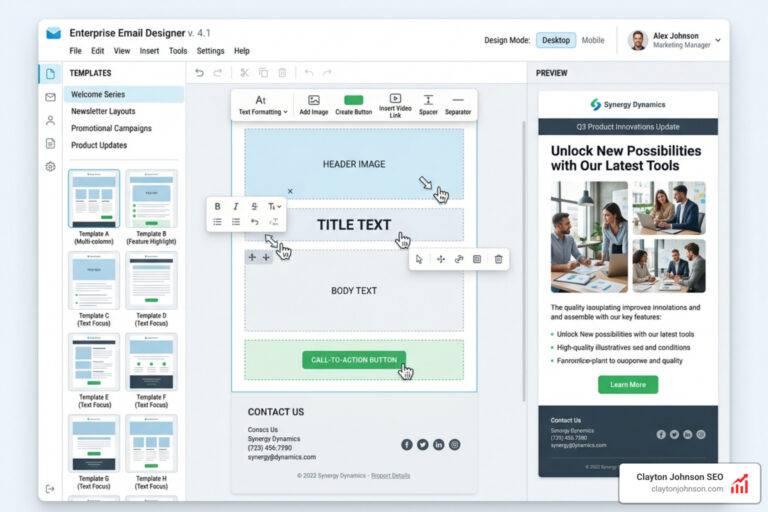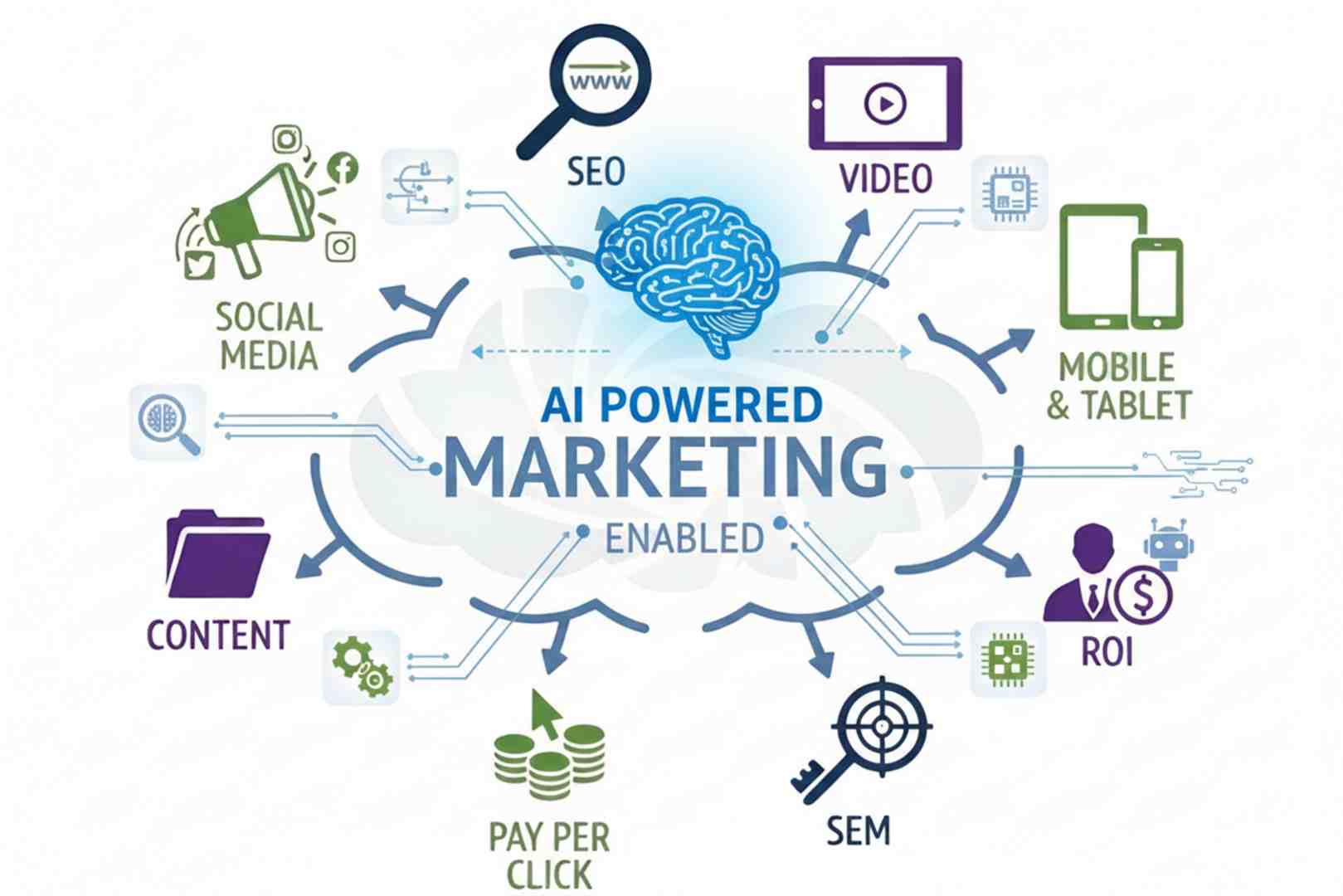
AI Content Systems are integrated platforms that use artificial intelligence to automate and optimize the entire content lifecycle—from ideation and drafting to editing, distribution, and performance tracking. Unlike standalone AI writing tools, these systems combine multiple AI capabilities (language models, search optimization, automation workflows, and analytics) into cohesive stacks that scale content production while maintaining quality and strategic alignment.
Key components of AI Content Systems include:
- Content generation engines (GPT-4, Claude, Jasper) for drafting blog posts, social copy, and multimedia assets
- SEO optimization platforms (Surfer SEO, Brandwell) that align content with search intent and keyword targets
- Automation connectors (Gumloop, Zapier) that link AI models to workflows without custom coding
- Quality assurance tools (Originality AI, Grammarly) that detect hallucinations, check for plagiarism, and refine tone
- Content discovery and retrieval systems (RAG-powered platforms like Box AI) that surface relevant internal assets from unstructured data
Organizations using AI content systems report 35% faster content creation, 90% faster deployment of new content, and 70% increases in web traffic, with ROI studies showing returns as high as 320%. However, these systems also introduce risks—hallucinations, bias in training data, ethical concerns around originality, and potential penalties from search engines detecting low-quality AI output.
I’m Clayton Johnson, and I’ve spent years building SEO strategies and growth systems that integrate AI-assisted workflows into marketing operations. Through hands-on testing of AI Content Systems across client engagements, I’ve identified the tools, controls, and human-AI collaboration patterns that reliably improve outcomes without sacrificing trust or rankings.
Defining AI Content Systems vs. Traditional Tools
When we talk about AI Content Systems, we are moving far beyond a simple text editor. Traditional tools like Microsoft Word or a standard WordPress editor are “passive”—they wait for you to type. In contrast, an AI content system is “active” or even “agentic.”
These systems leverage Large Language Models (LLMs) like GPT-4 to understand context, generate ideas, and even perform ai-driven-seo-audits on existing pages. One of the biggest shifts we’ve seen is the move toward the Model Context Protocol (MCP), which allows different AI tools to “talk” to each other and your data more effectively.
Research on AI-Generated Content (AIGC) highlights that these systems aren’t just for writing; they are designed to handle unstructured data. Considering that 90% of information generated by organizations is unstructured—think of all those PDFs, Slack messages, and meeting recordings—an AI system acts as a bridge, turning raw data into polished marketing assets.
The Evolution of AI Content Systems
The journey of AIGC has moved through distinct phases. We started with auxiliary generation, where AI acted as a simple “autocomplete” or grammar checker. Now, we are entering the era of automatic generation and intelligent content discovery.
As noted in the research on The Evolution and Future Perspectives of AIGC, modern systems can now take a single keyword and build an entire content pillar. This evolution is transforming how businesses in places like Minneapolis manage their digital presence, moving from “content as a chore” to “content as an engine.”
How RAG Enhances AI Content Systems
One of the most important technical hurdles for AI is staying factual. This is where Retrieval-Augmented Generation (RAG) comes in.
Instead of the AI relying solely on what it learned during training, retrieval-augmented generation (RAG) systems allow the AI to “look up” your specific business documents, metadata, and brand guidelines before it writes a single word. This semantic search capability ensures that the output isn’t just generic AI fluff, but is grounded in your actual expertise.
Core Benefits of Scaling with AI Content Systems
Why are 72% of organizations now adopting AI, up from 55% just a year ago? The answer lies in the numbers. When we help clients level-up your writing with the best AI content tools, the efficiency gains are staggering.
The benefits of AI Content Systems include:
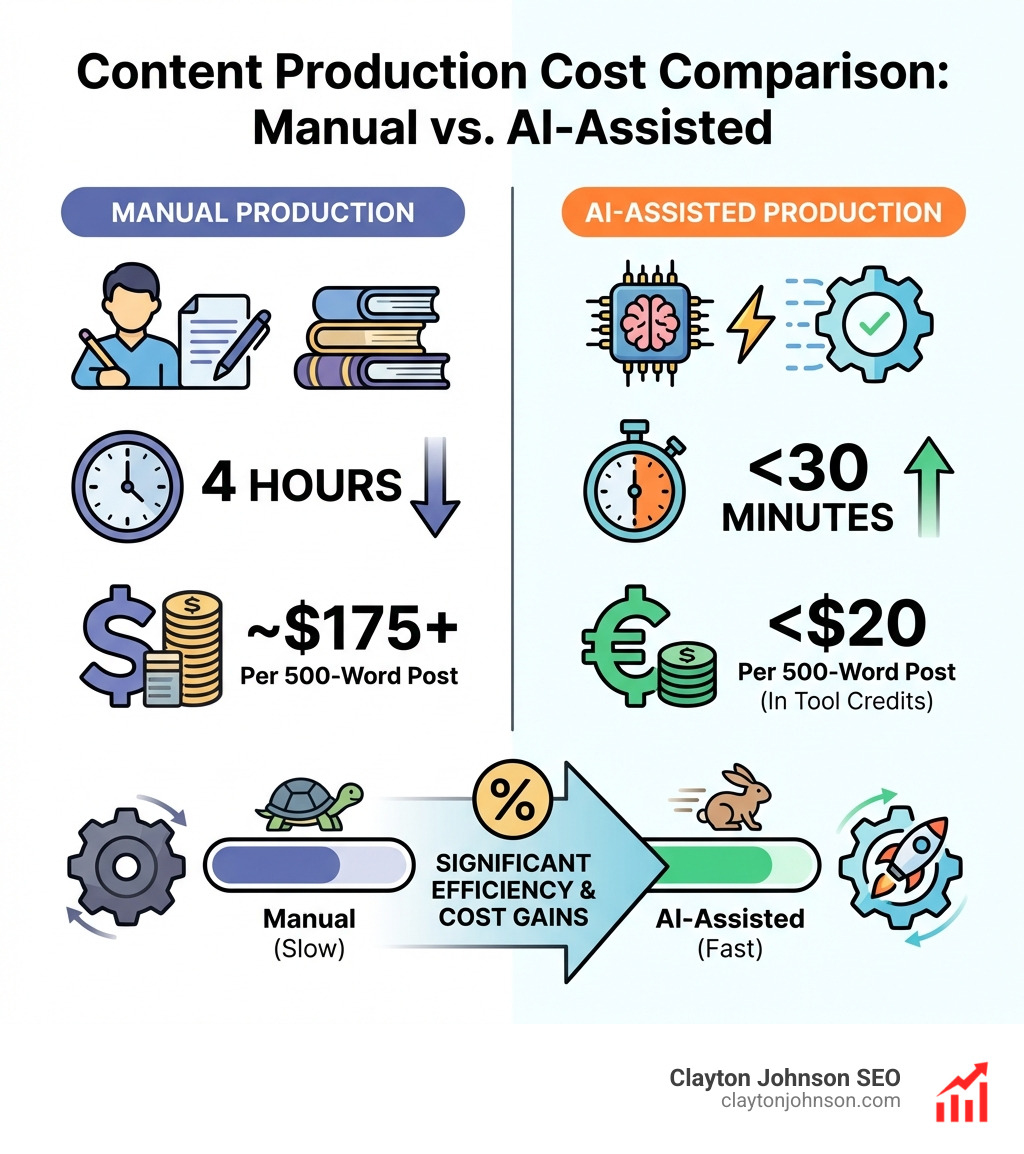
- Scalability: You can produce 10x the content without 10x the headcount.
- Cost Savings: Reducing the reliance on expensive, slow manual drafting processes.
- Performance: According to a McKinsey survey on AI adoption, businesses are seeing real ROI, including 70% traffic increases and 320% ROI in some enterprise cases.
- Speed: Content that used to take months to deploy can now be live in minutes.
Top Tools for Building an Effective AI Content Stack
Building an AI Content System requires a “stack” approach—connecting different tools so they work as one unit.

We recommend using top AI content audit tools for smarter websites to first understand what you have, then choosing the right “brain” for your system.
Jasper and Claude for AI Content Systems
- Jasper: The “OG” of marketing AI. It’s fantastic for teams that need to maintain a strict brand voice across multi-channel campaigns. It “read” 10% of the internet to understand how people write, making it a powerhouse for creative drafts.
- Claude: Anthropic’s model is often preferred for long-form drafting because of its superior context retention. If you need an AI to remember a 50-page technical manual while writing a blog post, Claude is your best friend.
Automation and SEO in AI Content Systems
To turn these writers into a system, you need “glue” and “direction.”
- Gumloop: Think of this as the “baby” of Zapier and ChatGPT. It allows you to build complex AI workflows without writing a single line of code.
- Surfer SEO: This is the compass. It tells the AI exactly which keywords to use and how to structure the headers to rank. We consider this essential for anyone looking for the best-ai-seo-services.
- Brandwell: A unique tool that combines research, writing, and optimization into one “self-sustaining” engine. It even helps content pass AI detectors by sounding more human.
Mitigating Risks: Hallucinations, Ethics, and SEO Detection
We have to be honest: AI isn’t perfect. It can “hallucinate” (make things up with total confidence) and it can carry biases from its training data. This is why we advocate for a “Human-in-the-Loop” approach.
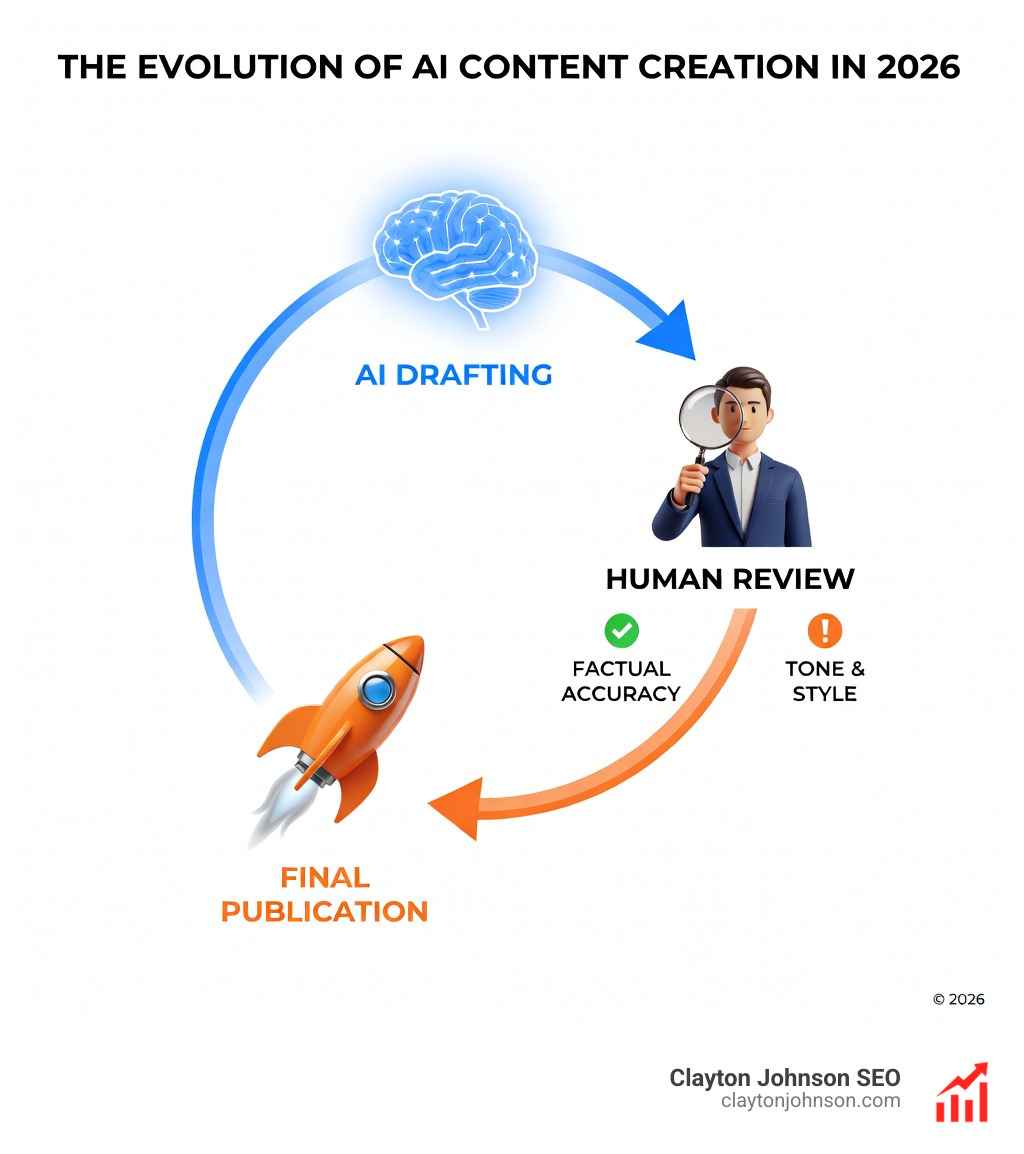
To protect your brand, you should follow these protocols:
- Source-Gated Drafting: Never allow the AI to make a claim without a cited URL or internal document to back it up.
- SME Checklists: Every piece of content should be reviewed by a Subject Matter Expert. Use content-auditing-for-humans-who-use-robots to ensure your quality bar remains high.
- Detection & Rewriting: Tools like Undetectable AI and Originality AI can help you ensure your content doesn’t trigger “low-quality” flags from search engines.
OpenAI’s GPT-4 Technical Report admits that while factuality is improving, models still struggle with reasoning errors. Don’t let your blog become a statistic of AI failure!
Integrating AI into Professional Marketing Workflows
How do you actually use this in a Tuesday morning meeting? You integrate it into your existing workflow.
A professional workflow looks like this:
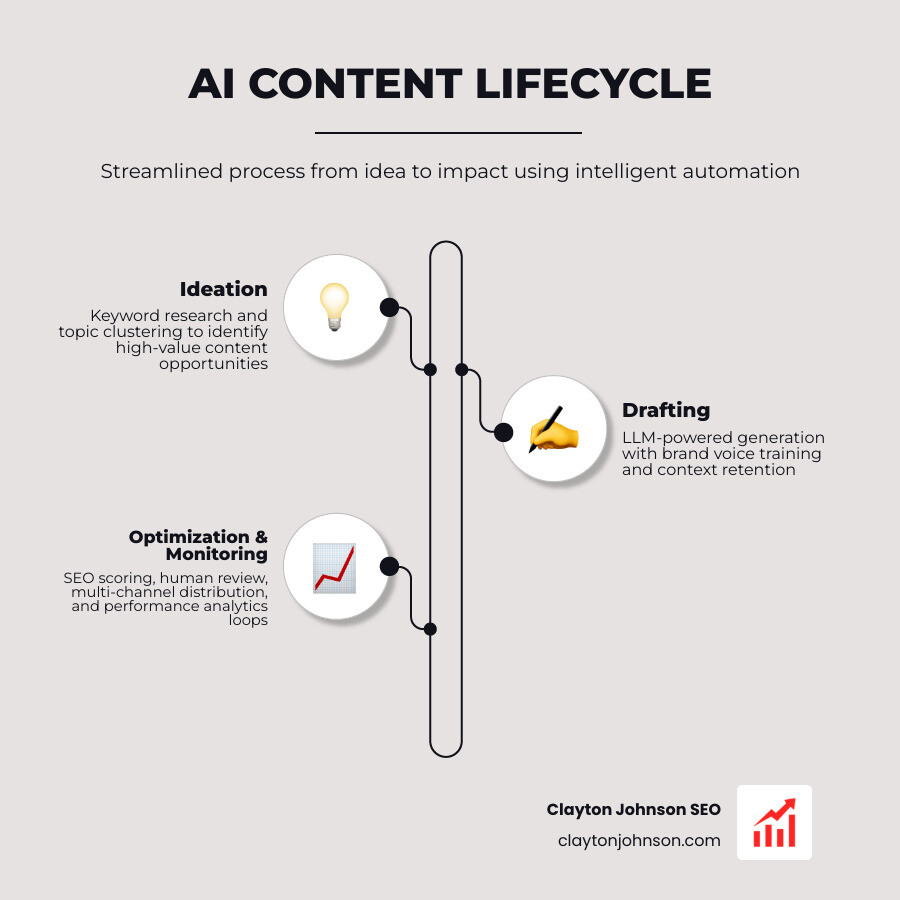
- Ideation: Use Fullstory to see what users are actually doing on your site, then use AI to brainstorm content that solves their problems.
- Drafting: Use a tool like Writer to ensure the AI follows your company’s specific style guide.
- Optimization: Follow an ai-content-optimization-guide-from-zero-to-hero to ensure every post is primed for Google.
- QA: Implement change logs to track what the AI wrote versus what the human edited.
The Future Outlook for AI Content Operations
The future of AI Content Systems is “Agentic.” We are moving toward the Agentic CMS, where the system doesn’t just store your contentit audits it, localizes it for different languages, and updates old statistics automatically.
Enterprises are increasingly looking toward the Intelligent Content Cloud (like Box AI) to centralize their data. According to a survey by Gartner on AI software investment, 92% of organizations are ready to pull the trigger on these systems.
Frequently Asked Questions about AI Content Systems
What is the difference between an AI tool and an AI content system?
An AI tool is a single-purpose application (like a chatbot). An AI Content System is a networked stack of tools that manages the entire lifecycle of content, from the first spark of an idea to the final analytics report.
How do AI content systems handle data privacy and security?
Enterprise-grade systems use “AI Trust” frameworks. This means your data is not used to train the public models. We always recommend checking for SOC 2 or GDPR compliance before uploading sensitive company data.
Can AI content systems help with video and audio production?
Absolutely. Tools like Descript (for video editing via text) and ElevenLabs (for lifelike voice generation) are core parts of a modern multimedia AI stack.
Conclusion
At Clayton Johnson SEO, we believe that AI Content Systems are the ultimate leverage for growth. Whether you are a founder in Minneapolis or a marketing leader for a global brand, the goal isn’t just to “use AI”—it’s to build a system that produces better content, faster, without losing your unique human voice.
If you’re ready to stop guessing and start scaling, check out our guide on growth-auditing-in-the-age-of-artificial-intelligence or Work with us to build your AI content system through Demandflow. Let’s turn your content into a high-performance engine.