Why Generative Engine Optimization GEO Matters for Modern Search Visibility
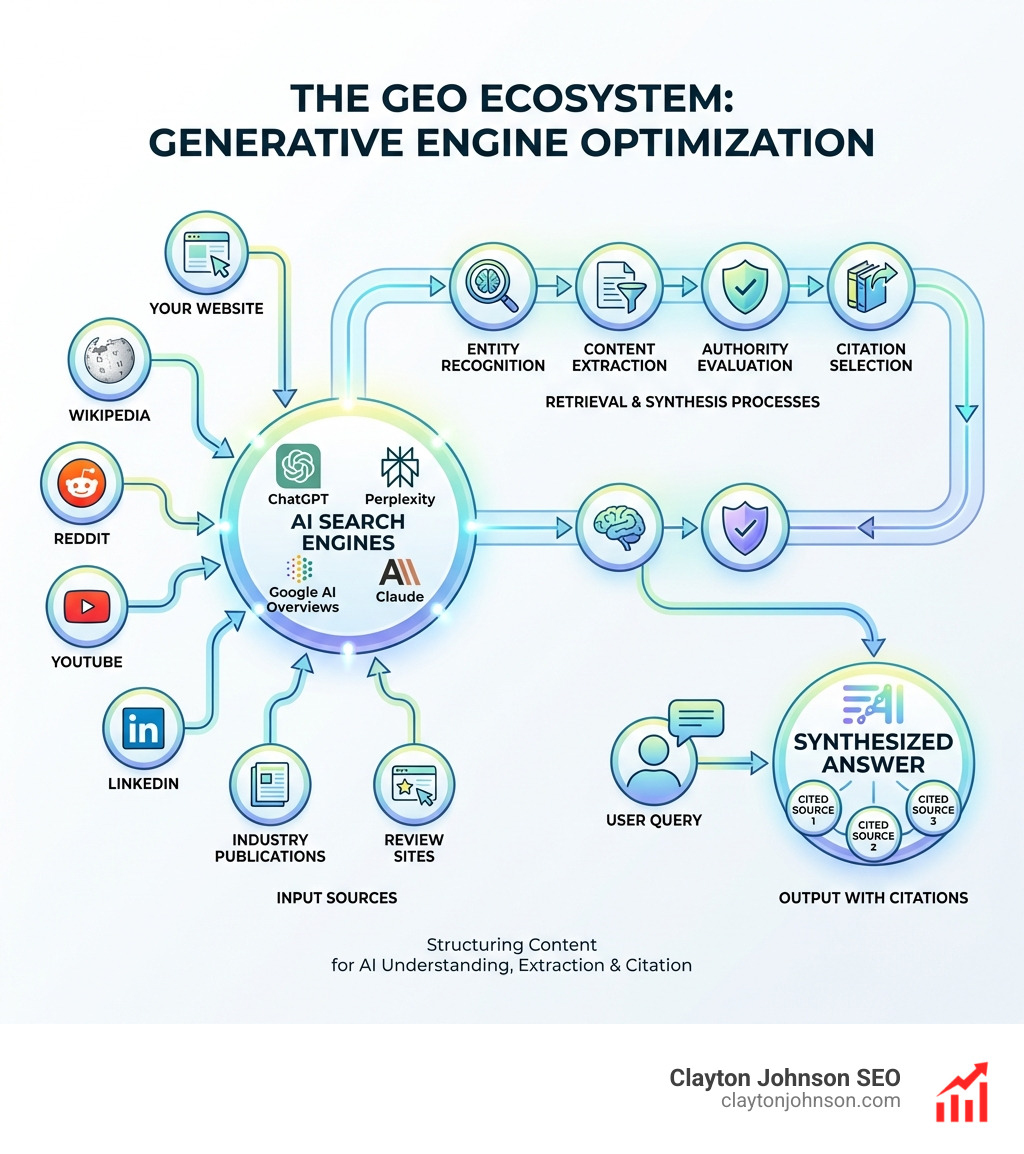
Generative engine optimization GEO is the practice of structuring and positioning your content so AI-powered search engines—like ChatGPT, Google AI Overviews, Perplexity, and Claude—can understand, extract, and cite it within their generated responses.
Quick Answer: How GEO Works
- AI systems retrieve and synthesize content from multiple sources to generate conversational answers
- Your goal shifts from ranking #1 to being cited within the AI-generated response itself
- Core strategies include: entity clarity, structured content formatting, authoritative citations, multi-platform presence, and consistent brand messaging
- Success is measured differently: track citation frequency, share of AI voice, brand mention context, and visibility trends—not just rankings
The shift is happening fast. ChatGPT hit 100 million users faster than any app in history. Google’s AI Overviews now appear for billions of searches every month. And AI search queries now average 23 words compared to Google’s 4-word standard—a fundamental change in how people find information.
Here’s what’s actually changing:
Traditional SEO optimized for rankings. You targeted keywords, built backlinks, and aimed for position #1 in search results. Success meant clicks to your website.
Generative engine optimization GEO optimizes for citations. You structure content for AI extraction, build entity authority, and aim to be part of the answer itself. Success means being referenced inside AI-generated responses—whether users click through or not.
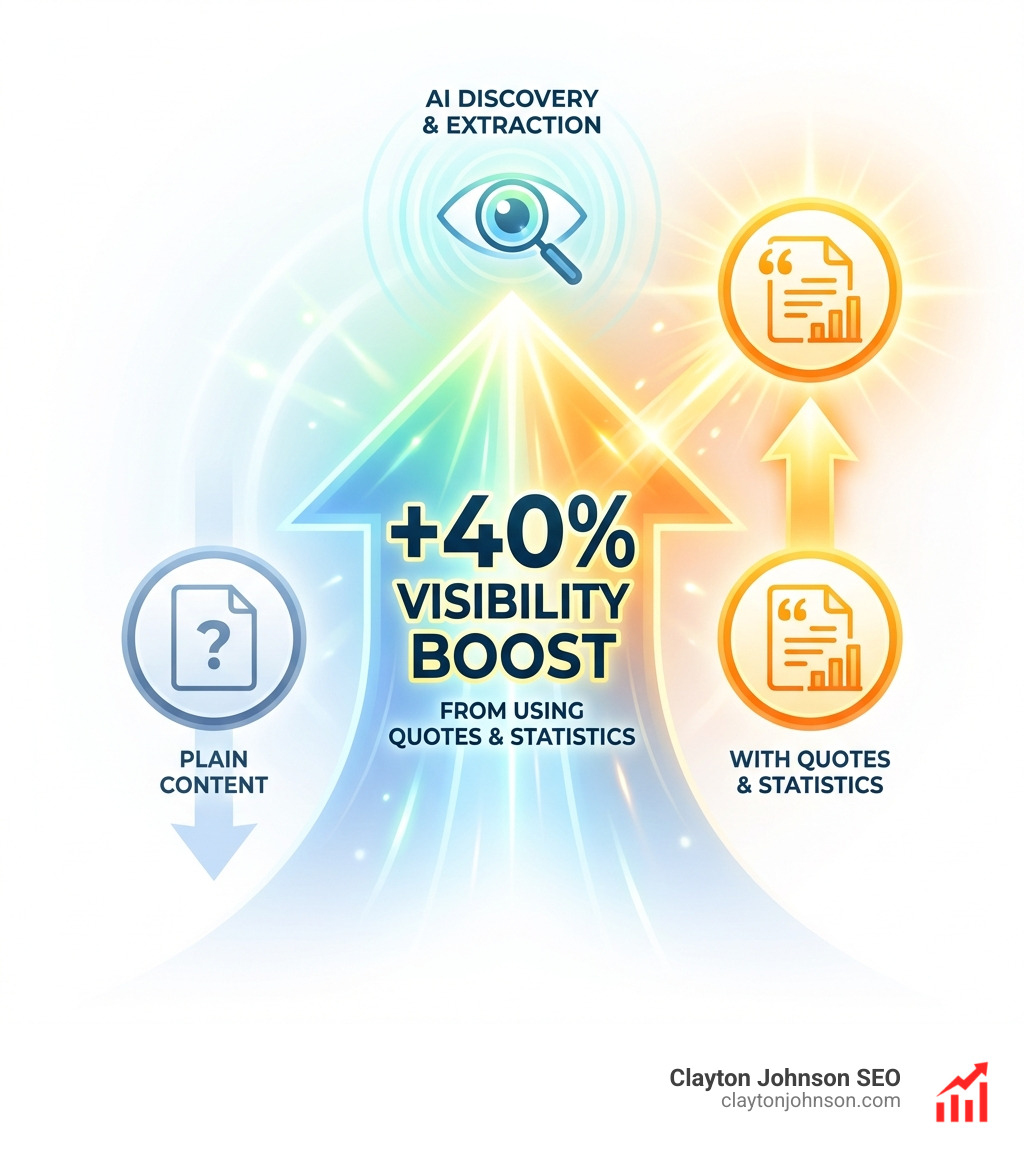
This isn’t theoretical. Research shows that pages containing quotes and statistics had 30-40% higher visibility in AI responses compared to content without them. One bootstrapped company reported that up to 25% of their signups now come from AI mentions. Another brand is seeing around 15% of total traffic from ChatGPT alone.
The good news: GEO builds on SEO fundamentals, not replaces them. The same principles that made content discoverable to Google—technical accessibility, authoritative signals, clear structure, quality information—still matter. But the application changes. You’re no longer optimizing for crawlers that rank pages. You’re optimizing for language models that extract and synthesize information.
The challenge: AI citations are volatile. Between 40 and 60% of cited sources change from month to month in AI Overviews and ChatGPT. Yet the underlying patterns are stable. AI systems consistently favor clarity, authority, structured data, and multi-platform presence.
This guide breaks down exactly how generative engine optimization GEO works, what strategies actually move the needle, and how to measure performance in an environment where traditional SEO metrics no longer tell the full story.
I’m Clayton Johnson, and I’ve spent the past several years building structured growth systems at the intersection of SEO strategy, content architecture, and AI-augmented workflows—including practical frameworks for generative engine optimization GEO that align traditional search fundamentals with emerging AI visibility demands. This guide synthesizes research, real-world implementation patterns, and strategic frameworks designed for founder-operators and marketing leaders navigating this transition.
What is Generative Engine Optimization GEO?
At its heart, generative engine optimization geo is about influence. It is the strategic process of ensuring your brand’s information is the most reliable, clear, and extractable option for an AI model looking to answer a user’s question.
Traditional search engines act like a librarian pointing you to a shelf. Generative engines act like a researcher who reads the books for you and summarizes the findings. If your “book” is messy, unverified, or hard to read, the researcher will simply skip it.

The Shift from Links to Answers
In the old world, we fought for a “blue link.” In the new world of generative engine optimization geo, we fight for a citation. This matters because the way users interact with information has fundamentally changed. AI search users spend an average of 6 minutes per session—significantly longer than a quick Google bounce—and they ask much more complex questions.
| Feature | Traditional SEO | Generative Engine Optimization (GEO) |
|---|---|---|
| Primary Goal | Rank #1 for specific keywords | Be cited and synthesized in AI answers |
| Target | Search engine algorithms (Google) | Large Language Models (LLMs) |
| User Intent | Finding a list of relevant links | Getting a direct, conversational answer |
| Content Focus | Keyword density and backlink profile | Clarity, factual accuracy, and extractability |
| Success Metric | Click-through rate (CTR) and traffic | Citation frequency and share of AI voice |
By focusing on GEO, we aren’t just chasing traffic; we are managing our brand narrative. When ChatGPT or Perplexity mentions our brand, they aren’t just providing a link; they are providing a recommendation. This creates high-intent organic visibility that often converts at a higher rate than traditional search traffic.
Core Strategies for AI Visibility and Content Extraction
To win in the GEO landscape, we must understand that AI models don’t “read” pages the way humans do. They retrieve “chunks” of information. If our content isn’t technically accessible or structured for extraction, it remains invisible to the model.
We start with the foundation: E-E-A-T (Experience, Expertise, Authoritativeness, and Trustworthiness). AI models are programmed to favor content that displays these signals. Microsoft’s official guidelines for generative search reinforce this: make your content machine-readable, answer real questions, and establish authority through credible sources.
For those looking to dive deeper into how this integrates with broader marketing, our SEO content marketing services focus on building these exact authority-building ecosystems.
Fundamental Principles of Generative Engine Optimization GEO
The first rule of GEO is to speak the language of the user. Because AI search queries now average 23 words, we can no longer rely on short-tail keywords. We must optimize for conversational intent.
- Natural Language: Write the way people talk and ask questions.
- Entity Clarity: Be crystal clear about who you are and what you do. If you are a “tax consultant in Minneapolis,” state it explicitly across all platforms.
- Brand Messaging: Consistency is key. If your website says one thing and your LinkedIn says another, the AI may view your brand as an unreliable source.
- Authority Signals: Unlinked brand mentions now carry significant weight. The more the web “talks” about you as an expert, the more the AI trusts you.
Structuring Content for Generative Engine Optimization GEO
Structure is the “secret sauce” of content extraction. If an LLM can’t easily parse your page, it won’t cite you. We use several specific tactics to make our content “AI-friendly”:
- The BLUF Principle: “Bottom Line Up Front.” Answer the user’s question in the very first paragraph.
- Scannable Lists: Use bullet points and numbered lists. Testing by experts like Chris Long suggests that AI-driven search heavily favors extremely structured content.
- Quotes and Statistics: One study on quotes and statistics found that including these elements can boost visibility by up to 40%. AI models love verifiable data.
- Expert Quotations: Don’t just state a fact; attribute it to an expert. This reinforces the “Expertise” part of E-E-A-T.
- Schema Markup: Use Schema markup to provide a machine-readable map of your content. This helps AI understand the relationships between different entities on your site.
Beyond the Website: Multi-Platform AI Influence
One of the biggest misconceptions about generative engine optimization geo is that it only happens on your website. In reality, AI models are trained on a massive swath of the internet. To be visible, we need to be present where the models learn.
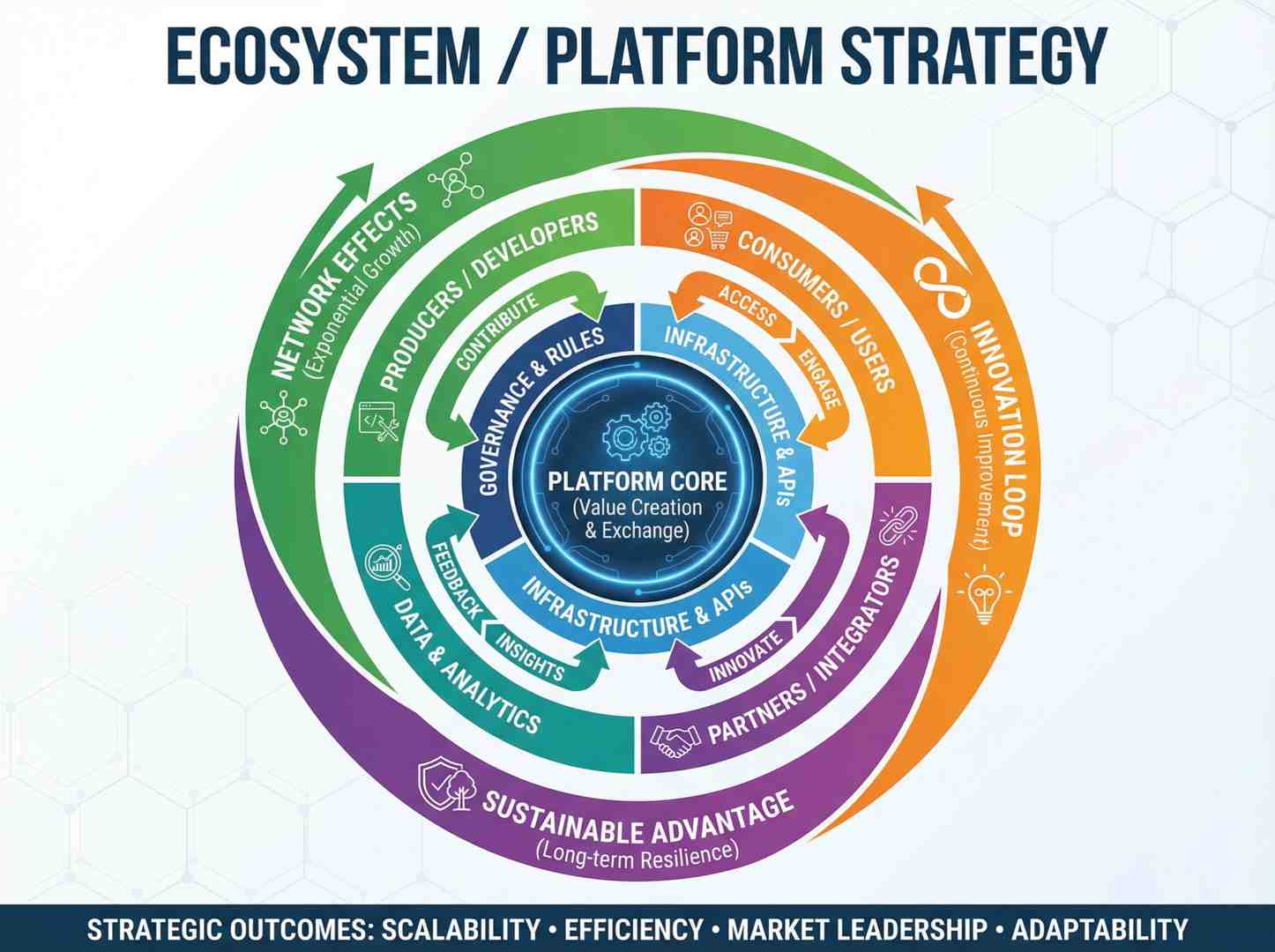
Research indicates that Wikipedia makes up a significant portion of training data. While getting a Wikipedia page is difficult, having an accurate presence there—or even in the citations of relevant entries—can massively boost AI visibility.
But it doesn’t stop there. Platforms like Reddit, YouTube, and LinkedIn are frequently cited by LLMs as of late. These “User-Generated Content” (UGC) platforms provide the conversational, real-world validation that AI models crave. If a user on Reddit recommends your software, that mention counts toward your authority in the eyes of a generative engine.
- Earned Mentions: Focus on PR and guest appearances.
- Third-Party Validation: Reviews on sites like G2, Trustpilot, or Google Business (especially for our Minneapolis-based clients) are critical.
- Citation-Worthy Content: Create original research or unique tools that people have to link to and talk about.
Measuring Performance and Avoiding Common Mistakes
You can’t manage what you can’t measure. However, the old metrics of “rankings” and “clicks” don’t provide the full picture of GEO success. We have to look deeper into how AI models perceive our brand.
As Aleyda Solís points out, simply seeing where your brand appears isn’t enough. We need to measure:
- Citation Frequency: How often are you the source for an answer?
- Share of AI Voice: How often are you mentioned compared to your competitors for a specific prompt?
- Sentiment and Context: Is the AI describing your brand positively? Is it placing you in the right category?
- Conversion Quality: While traffic might be lower, are the users coming from AI search more likely to buy? Our conversion optimization services help bridge this gap.
Common GEO Mistakes to Avoid
- Keyword Stuffing: AI models are smarter than old-school algorithms. They recognize “fluff” and over-optimization.
- Thin Content: If your page doesn’t provide a comprehensive answer, the AI will find a source that does.
- Outdated Information: AI models favor fresh content. If your “Best VPN” list is from three years ago, Perplexity will ignore it.
- Ignoring Technical SEO: If your site uses heavy JavaScript that AI crawlers can’t render, your content effectively doesn’t exist.
Frequently Asked Questions about GEO
Will GEO replace traditional SEO?
No. They are complementary strategies. Traditional SEO provides the technical foundation and the “library” that generative engines use to find information. Think of SEO as getting into the building, and generative engine optimization geo as getting the researcher to pick up your book. As the search landscape evolves, a hybrid approach is the only way to ensure long-term visibility.
How is the success of GEO measured?
Success is measured through AI visibility metrics: how often your brand appears in AI-generated answers, the frequency of citations, and your “Share of AI Voice” compared to competitors. Tools are emerging to track these, but manual testing—asking ChatGPT and Perplexity questions related to your niche—is still a highly effective baseline.
Are there specific considerations for different AI engines?
Yes. ChatGPT often relies on its training data but can browse the web for fresh info. Perplexity is a “search-first” AI that prioritizes real-time citations. Google AI Overviews are heavily tied to traditional search rankings (76% of citations come from the top 10 results). Model preferences vary, but clarity and authority remain the universal currency.
Conclusion
The era of “search” is transforming into the era of “answers.” To stay relevant, businesses must move beyond simple keyword targeting and embrace a structured growth architecture. Generative engine optimization geo isn’t just a new tactic; it’s a fundamental shift in how we establish authority and trust in a digital world.
At Clayton Johnson SEO, we build the systems that make this possible. Through Demandflow.ai, we provide the taxonomy-driven SEO systems and AI-augmented workflows that founders and marketing leaders need to win in this new landscape. Whether you are in Minneapolis or looking to scale globally, the principles of clarity, structure, and leverage remain the same.
If you’re ready to future-proof your visibility, let’s talk about building your structured growth architecture.