Why Most Businesses Are Posting Without a Plan 📋
A Social Media Marketing Strategy is a structured plan that defines your goals, target audience, content approach, platforms, and how you measure success — before you post a single thing.
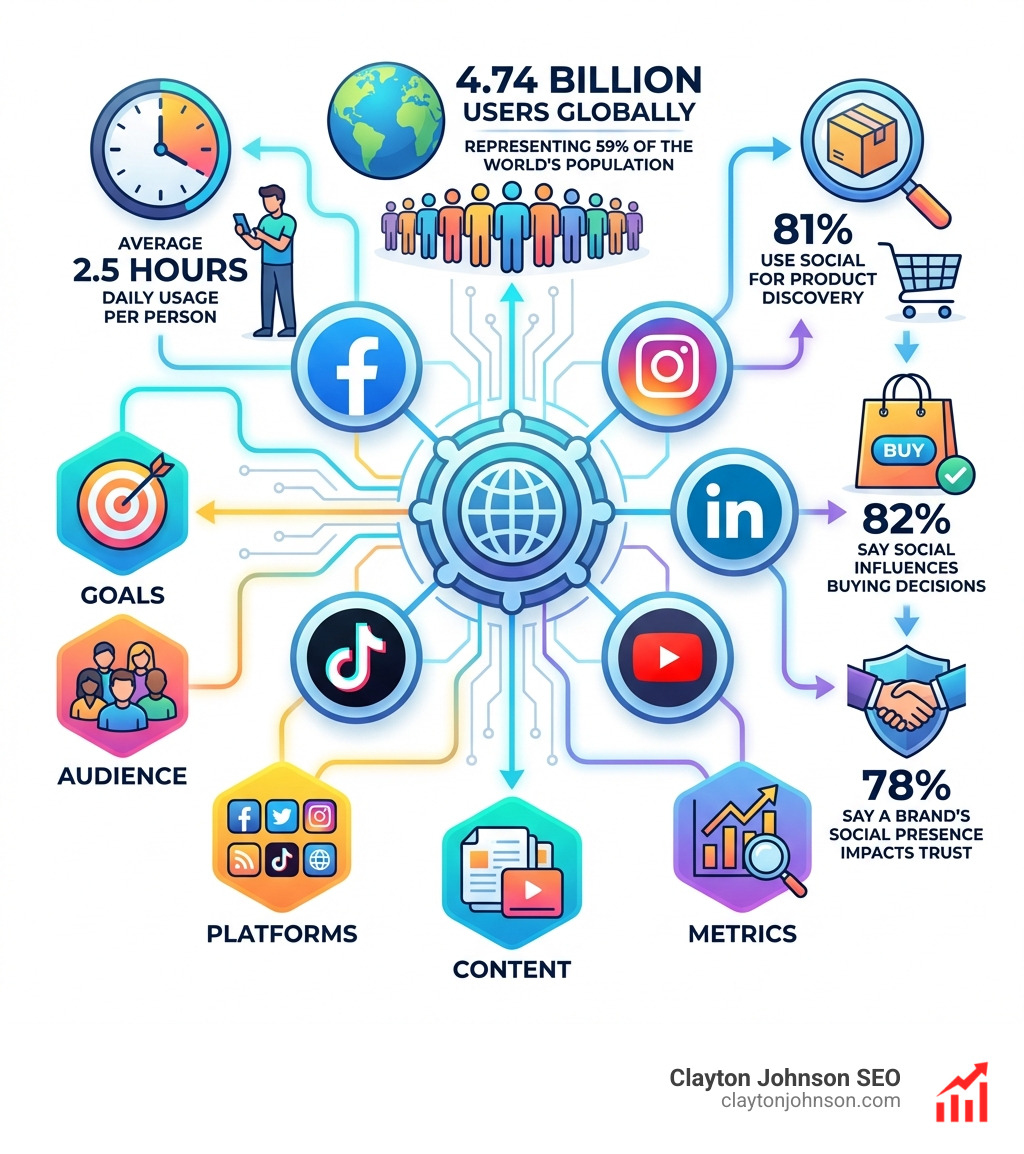
Here’s what a solid strategy covers:
- Goals — What you want to achieve (brand awareness, leads, sales)
- Audience — Who you’re talking to and where they spend time
- Platforms — Which channels fit your audience and content strengths
- Content plan — What you post, how often, and in what format
- Metrics — How you track progress and prove ROI
Over 4.74 billion people use social media. That’s more than 59% of the entire global population — spending an average of two and a half hours on these platforms every single day.
And yet, most businesses treat social media like a bulletin board. They post when they feel like it, copy what competitors do, and wonder why nothing moves the needle.
Here’s the uncomfortable truth: posting is not a strategy.
Platforms reward consistency, intent, and relevance. Without a clear plan, you’re producing content that gets lost in the feed — burning time and budget with no measurable return.
The businesses that win on social aren’t just more creative. They’re more structured. They know exactly who they’re reaching, why they’re posting, and what success looks like before they hit publish.
“Diving into social media without a strategy is like trying to cook a gourmet meal without a recipe. You might get lucky, but chances are, it’s going to be a mess.”
This guide walks you through how to build a social media marketing strategy that’s grounded in data, aligned to business goals, and actually executable.
I’m Clayton Johnson — an SEO and growth strategist who helps founders and marketing leaders build scalable demand systems, including structured Social Media Marketing Strategy frameworks that connect content to measurable business outcomes. Everything in this guide is built on the same strategic architecture I apply across growth-stage companies.
Simple guide to Social Media Marketing Strategy:
What is Social Media Marketing and Why It Matters
At its core, social media marketing is the practice of using platforms like Facebook, Instagram, LinkedIn, and TikTok to connect with your audience, build your brand, and drive sales. But it has evolved far beyond simple status updates. Today, it serves as the primary means of modern, global communication.
Think of it as the digital version of word-of-mouth. In the past, you’d ask a neighbor for a mechanic recommendation; now, you check a brand’s Instagram feed or ask for suggestions in a local Facebook group. This shift is powerful because social media allows brands to “listen” to the virtual water cooler, engaging in real-time conversations that build deep trust.

The data backs this up. Out of 1,000 U.S. consumers surveyed, social media influences their buying decisions for 82% of respondents. Furthermore, 78% of consumers agree that a brand’s social media presence has a larger impact on whether or not they trust that brand.
For modern businesses, social media is one of the essential Digital Marketing Pillars. It’s often the first touchpoint for customer discovery, with 81% of consumers using it as their top channel for finding new products. In fact, entire brands have launched successfully using nothing but an Instagram business model. By humanizing your brand through authentic interaction, you move from being a faceless corporation to a relatable entity that customers actually want to support.
The Core Pillars of a Social Media Marketing Strategy
A successful Social Media Marketing Strategy isn’t built on “viral” luck; it’s built on structure. We view a strategy as the blueprint that turns random online activity into a compounding business asset. To get there, you need alignment between your social efforts and your overarching company goals.

One of the most effective ways to manage this is through the 70-20-10 rule:
- 70% of content should focus on building your brand’s persona and providing value (educational or entertaining).
- 20% of content should be shared from others (curated content with credit), which builds community and positions you as an industry resource.
- 10% of content should be promotional, directly asking for the sale or sign-up.
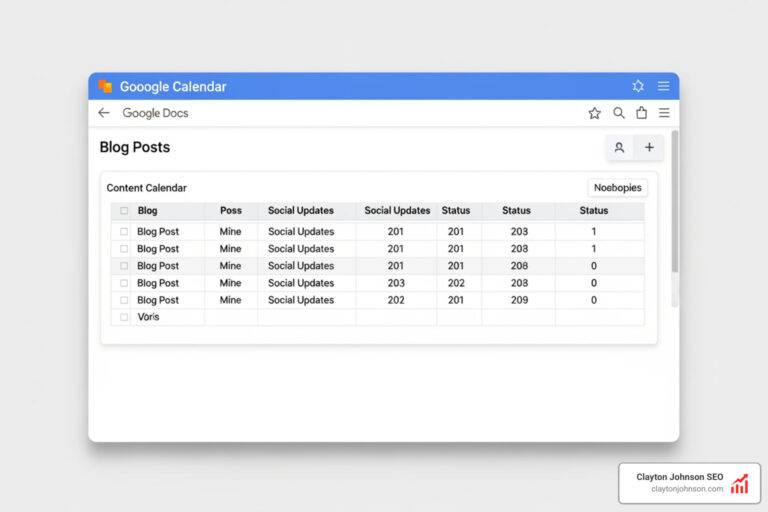
This balance ensures you aren’t just shouting at your audience. You must treat Social media marketing as a two-way street. This means responding to comments, answering questions, and even sponsoring customer-generated content. Consistency is the glue that holds this together. Using a Publishing Calendar helps you maintain a steady presence so you don’t disappear for weeks at a time.
Furthermore, social media should never exist in a vacuum. It works best when integrated with SEO Content Marketing. High-quality blog posts can be repurposed into dozens of social snippets, creating a flywheel of traffic and authority.
Defining Your Audience for a Social Media Marketing Strategy
You cannot speak to everyone at once. Effective marketing requires knowing where, when and how your specific customers engage online. With 4.74 billion people now active on these platforms, the “spray and pray” method is a guaranteed way to waste your budget.
To truly know your audience, we recommend building detailed audience personas. These should go beyond basic demographics like age and location to include “psychographics”—their motivations, common buying objections, and emotional needs.
We use social listening to gather this data. By monitoring hashtags and industry discussions, we can uncover what your customers are actually complaining about or celebrating. This real-world data is far more valuable than internal assumptions.
Selecting Platforms for Your Social Media Marketing Strategy
Not every platform is right for every business. Your choice should depend on where your target demographics for each social site overlap with your content capabilities.
- Facebook: With over 3 billion users, it remains the giant. It’s excellent for community building and has the most sophisticated Paid Advertising tools for targeting specific life events or interests.
- Instagram: A visual powerhouse where 2 billion users go for storytelling. It has the highest engagement rates for short-form video via Reels.
- TikTok: The place for trend-driven, authentic content. It boasts an incredible 17.99% engagement rate for influencers, making it a top choice for reaching Gen Z.
- LinkedIn: The professional hub. It is one of the most effective platforms for B2B lead generation and establishing thought leadership.
- YouTube: The world’s second-largest search engine. It’s the home for long-form educational content that continues to drive traffic years after it’s posted.
Leveraging Data and Tactics for Growth
Modern social media is a data game. Every time a user agrees to a platform’s terms of use, they are essentially providing the data that allows businesses to target them with surgical precision.

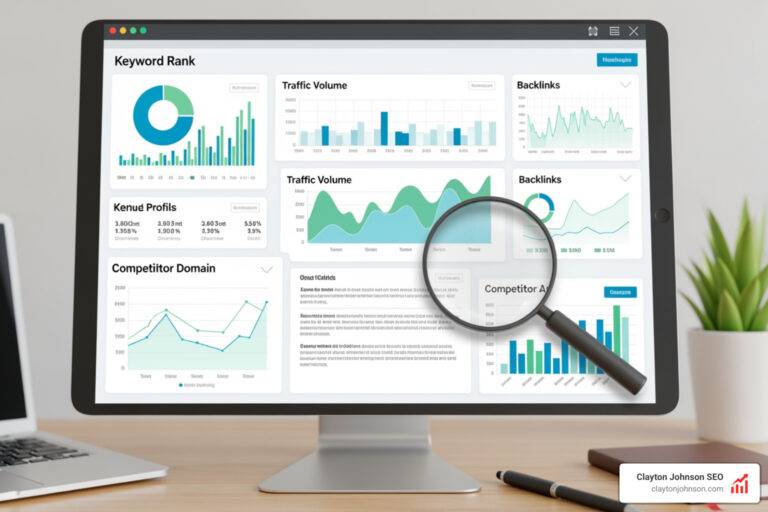
Successful brands use Analytics & Data to refine their approach. For example, by analyzing referral traffic, you might find that while Instagram gets more likes, LinkedIn drives more actual sales. This insight allows you to shift your resources where they matter most.
Tactically, we often look at two high-growth methods:
- Influencer Marketing: This tactic involves partnering with creators who already have the trust of your target audience. Interestingly, 90% of marketers report that sponsored influencer content performs better than organic brand content.
- Viral Marketing: While you can’t fully control it, you can aim for virality by capitalizing on trending challenges or memes. However, be careful—unintentional virality can sometimes backfire if the message is misunderstood.
Beyond marketing, social data provides a goldmine of insights for other departments. According to the Sprout Social Index, sharing social insights with your sales or product teams can help them understand customer pain points in real-time, leading to better product development and smarter sales pitches.
Measuring Success and Overcoming Challenges
If you can’t measure it, you can’t improve it. We focus on KPIs that align with the stages of the customer funnel.
| Funnel Stage | Key Performance Indicator (KPI) | Business Impact |
|---|---|---|
| Awareness | Reach & Impressions | Increases brand visibility in a crowded market. |
| Engagement | Likes, Comments, Shares | Builds brand affinity and “social proof.” |
| Conversion | Click-Through Rate (CTR) | Drives traffic to your site for Conversion Optimization. |
| Loyalty | Response Rate & Sentiment | Improves customer retention and lifetime value. |
However, social media isn’t without its risks. A poorly-timed or -worded post can trigger a PR nightmare in minutes. This is especially critical for brands posting “your money or your life” (YMYL) content—information that could impact a user’s finances or health. For these brands, every claim must be verified and accurate.
To manage these complexities, we use tools like Hootsuite to monitor mentions and schedule content, ensuring that a human error—like forgetting to log out of a personal account—doesn’t damage the brand’s reputation.
Frequently Asked Questions about Social Media Strategy
What are the essential steps to build a strategy from scratch?
Start by aligning your social goals with your business objectives. Then, conduct a deep dive into your target audience to create personas. Perform a social media audit of your current accounts, analyze your competitors, and create a content calendar. Finally, select your tracking tools to measure and adjust your performance weekly.
How do businesses choose the right social media platforms?
Choose based on your audience’s location and your own content strengths. If your audience is professionals aged 25-34, LinkedIn is non-negotiable. If you are a visual brand targeting Gen Z, TikTok and Instagram are your best bets. Don’t try to be everywhere; focus on 1-2 platforms and do them well before expanding.
What KPIs are most important for measuring social media ROI?
While likes and followers are nice, the most important KPIs for ROI are conversion rates, website referral traffic, and lead generation numbers. If you’re running paid ads, keep a close eye on your Cost Per Click (CPC) and Return on Ad Spend (ROAS).
Conclusion
A Social Media Marketing Strategy is not a “set it and forget it” project. It is a dynamic, living framework that requires constant evaluation and adaptation. In an age where search and social are merging—with platforms like TikTok becoming search engines for younger generations—having a structured approach is the only way to ensure your brand remains visible and trusted.
At Clayton Johnson SEO, we believe that most companies don’t lack tactics; they lack structured growth architecture. Through Demandflow.ai, we provide the operating system founders need to turn social media from a time-sink into a scalable demand engine.
Whether you are looking to humanize your brand or drive high-intent traffic, the key is to stop posting and start planning.
Ready to build a strategy that actually scales? Let’s connect.
Scalable Authority Framework:
- Foundation Authority ($1,997/mo): Baseline growth and initial AI visibility.
- Growth Authority ($2,997/mo): Increased link velocity and cluster depth.
- Market Leader Authority ($9,997/mo): Durable market dominance and competitive displacement.
Social Media Marketing is the engine, but strategy is the fuel. Let’s get moving.