Building the Best Internal Link Structure Without Getting Lost

What Is Internal Link Structure (And Why It Determines Your Rankings)
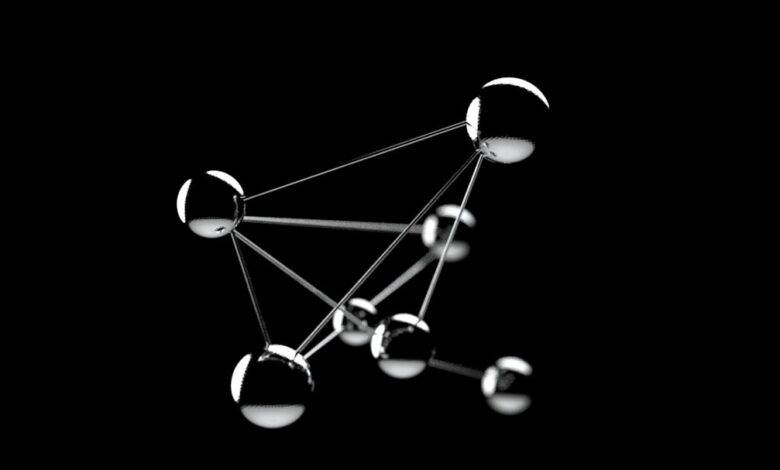
Internal link structure is the system of hyperlinks that connect pages within your own website to each other.
Think of it like the road network inside a city. Without well-planned roads, visitors get lost, and entire neighborhoods go undiscovered. Your internal links are those roads — they guide both users and search engine crawlers from one page to the next.
Here is a quick breakdown of what internal link structure covers:
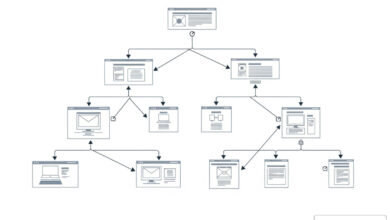
- Site hierarchy — how pages are organized in relation to each other (homepage → categories → subpages)
- Crawlability — whether search engines can find and index all your important pages
- Link equity flow — how authority and ranking power passes from strong pages to weaker ones
- User experience — how easily visitors can navigate to the content they need
- Search discovery — how quickly new pages get found and indexed by Google
A strong internal link structure does all of these things at once. A weak one leaves pages invisible to Google and frustrating for users.
Here is why this matters directly to your bottom line: pages that are hard to reach get treated as less important by search engines. Research consistently shows that important pages should be reachable within 3 to 4 clicks from your homepage. Pages buried deeper than that tend to rank lower — or not at all.
Most websites get this wrong. In fact, analysis of thousands of sites suggests that the vast majority have serious internal linking gaps that silently hurt their rankings.
The good news? Unlike backlinks, internal links are entirely within your control. You can fix them today.
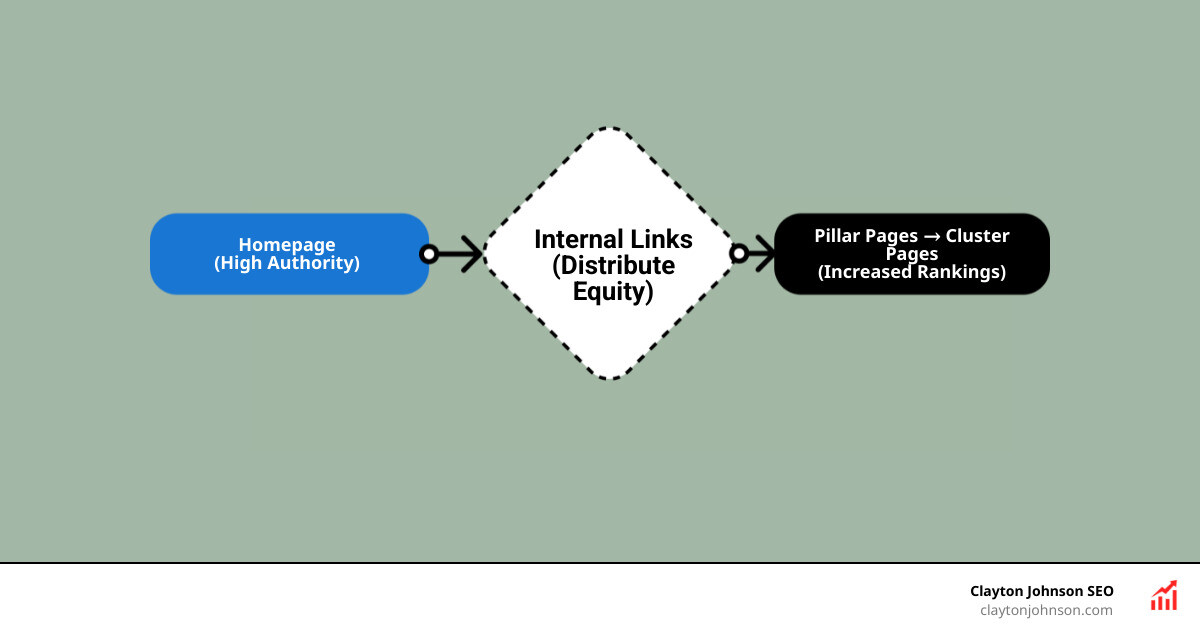
The Mechanics of a High-Performance Internal Link Structure
When we talk about a high-performance internal link structure, we aren’t just talking about adding a few links here and there. We are talking about building a deliberate system that functions as the backbone of your website’s information architecture.
Search engines use these links to discover content and determine its importance. If a page has hundreds of internal links pointing to it, Google assumes it’s a big deal. If it has none, it becomes an “orphan page,” essentially invisible to the world. At Clayton Johnson SEO, we view this as a core part of an-absolute-beginners-guide-to-mastering-core-seo, because without a solid foundation, your content simply won’t surface.

Distinguishing Internal vs. External Links
It’s easy to get these two confused, but their roles are very different.
- Internal Links: These connect Page A on your site to Page B on your site. They keep users on your domain, distribute authority (link equity), and help define your site’s hierarchy.
- External Links: These point from your site to a different domain. While these are great for citing sources, they don’t help your internal architecture.
As seen on http://www.jonwye.com, the basic mechanics of a link involve the tag. This tag can wrap around text, images, or buttons, creating a “clickable” area. This simple piece of code is what allows the “hyperlink” to function, moving a user from one digital location to another. While external links build your site’s reputation in the wider web, internal links build the strength of your own digital house. If you’re new to these concepts, starting with seo-101 can help clarify how these links interact with search algorithms.
How Internal Link Structure Impacts Crawl Budget and Indexing
Search engine spiders are busy. They have a “crawl budget,” which is the limited amount of time and resources they spend on your site. A messy internal link structure wastes that budget.
Google explains that they discover pages by following links from known pages to new ones. If your site is a maze, the spider might give up before it finds your most valuable content. By keeping your structure shallow—aiming for a “3-click rule” where every page is reachable within three clicks from the homepage—you ensure that the crawl budget is used efficiently.
Technical barriers can also stop spiders in their tracks. We often see sites hiding links inside submission-required forms or internal search boxes. Spiders won’t “fill out” a form to find a link. Similarly, links buried in un-parseable JavaScript or Flash (yes, some sites still have it!) are essentially dead ends.
Types of Links: Navigational, Contextual, and Breadcrumbs
Not all links are created equal. To build a robust internal link structure, we use several different types:
- Navigational Links: These are your main menu, sidebar, and footer links. They help users find the big-picture categories.
- Contextual Links: These are the most powerful for SEO. They appear within the body of your content. When you link from a blog post to a related service page, you are telling Google exactly what that service page is about through the surrounding text.
- Breadcrumbs: These are the “You are here” markers (e.g., Home > SEO > Technical SEO). They reinforce site hierarchy and provide an easy way for users to navigate back up the chain.
Learning how-to-build-a-content-taxonomy-that-doesnt-suck is essential here. A good taxonomy ensures that your navigational links aren’t just a random list, but a logical progression that makes sense to both humans and bots.
Strategic Implementation and Auditing for Scalable Growth
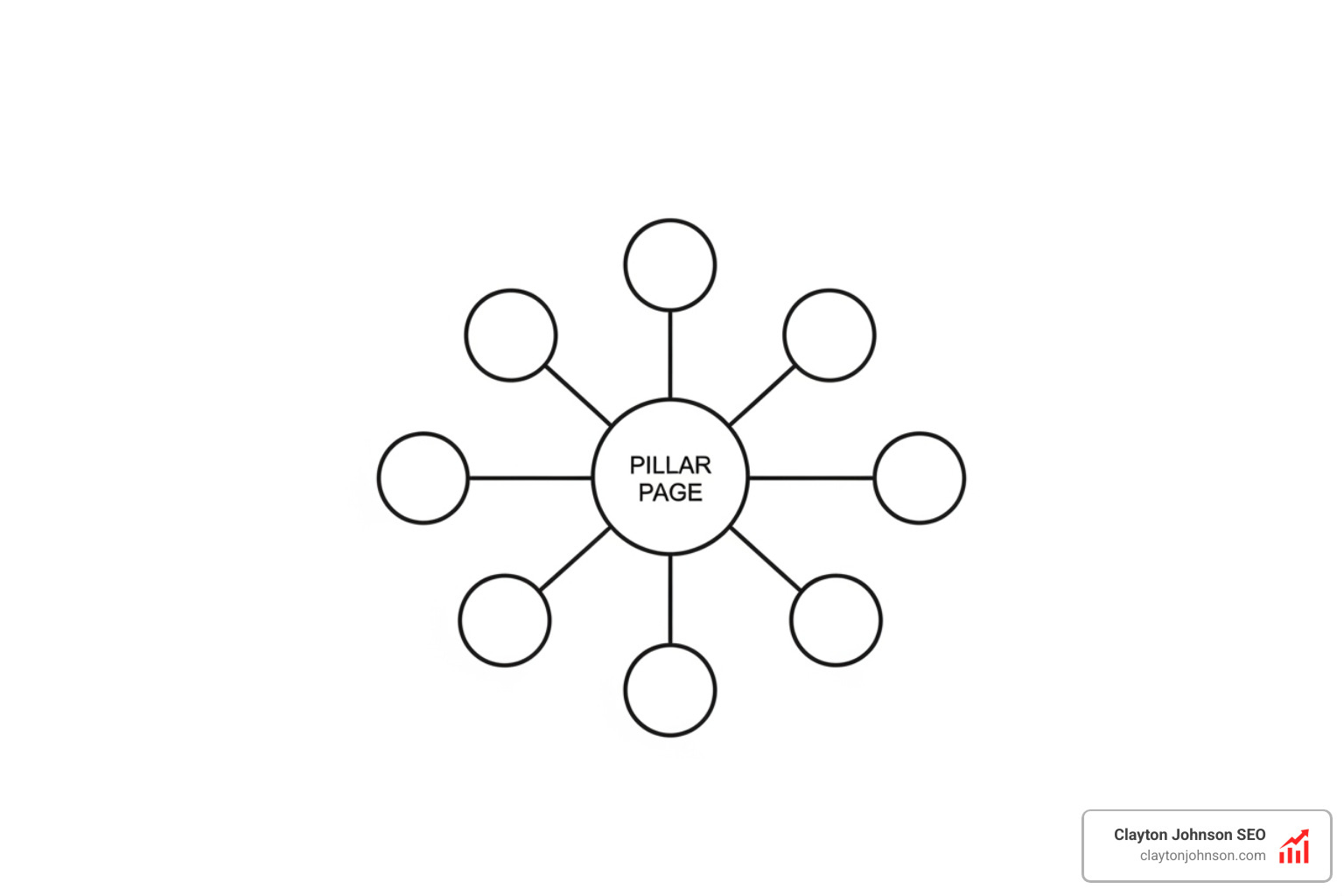
Once you understand the “what,” it’s time to tackle the “how.” We don’t just add links at random; we build scalable structures. The most effective way to do this is through the Hub-and-Spoke or Topic Cluster model.
Building Authority with Topic Clusters and Silos
A “Topic Cluster” consists of a single “Pillar Page” (a comprehensive guide on a broad topic) and multiple “Cluster Pages” (specific articles covering sub-topics).
- Pillar Page: Targets broad, high-volume keywords (like “washing machines”).
- Cluster Pages: Target specific, long-tail keywords (like “how to clean a front-load washing machine”).
The magic happens in the linking. All cluster pages link back to the pillar page, and the pillar page links out to the clusters. This creates a “silo” of topical authority. Even Wikipedia’s massive success is often attributed to this internal linking density. It proves to Google that you aren’t just writing random posts; you are an authority on an entire entity or subject.
To dive deeper into this, check out pillar-pages-and-topic-clusters-explained-for-mere-mortals. When you combine this with a data-driven website taxonomy, you create a site that is virtually impossible for Google to ignore.
Optimizing Your Internal Link Structure for Search Intent
The text you use for your link—the anchor text—is a massive signal. If every link on your site says “click here,” you are wasting a huge opportunity. Google uses anchor text to understand the context of the destination page.
However, balance is key. While internal links allow for more “exact match” keywords than external links, over-optimizing can look spammy. We recommend a mix:
| Anchor Text Type | Example | Use Case |
|---|---|---|
| Exact Match | “internal link structure” | High-priority pillar pages |
| Partial Match | “how to build a link structure” | Supporting blog posts |
| Descriptive/Long-tail | “guide to website architecture for beginners” | Contextual flow |
| Generic (Avoid) | “read more” or “click here” | Low SEO value |
Natural language is always the winner. If you’re struggling with how to phrase these, the-ultimate-guide-to-keyword-strategy offers a framework for aligning your keywords with user intent.
Auditing Technical Issues and Measuring Impact
Even the best-laid plans can go wrong. Links break, pages get deleted, and “redirect chains” (where Link A goes to B, which goes to C) can dilute your link equity by 15-20%.
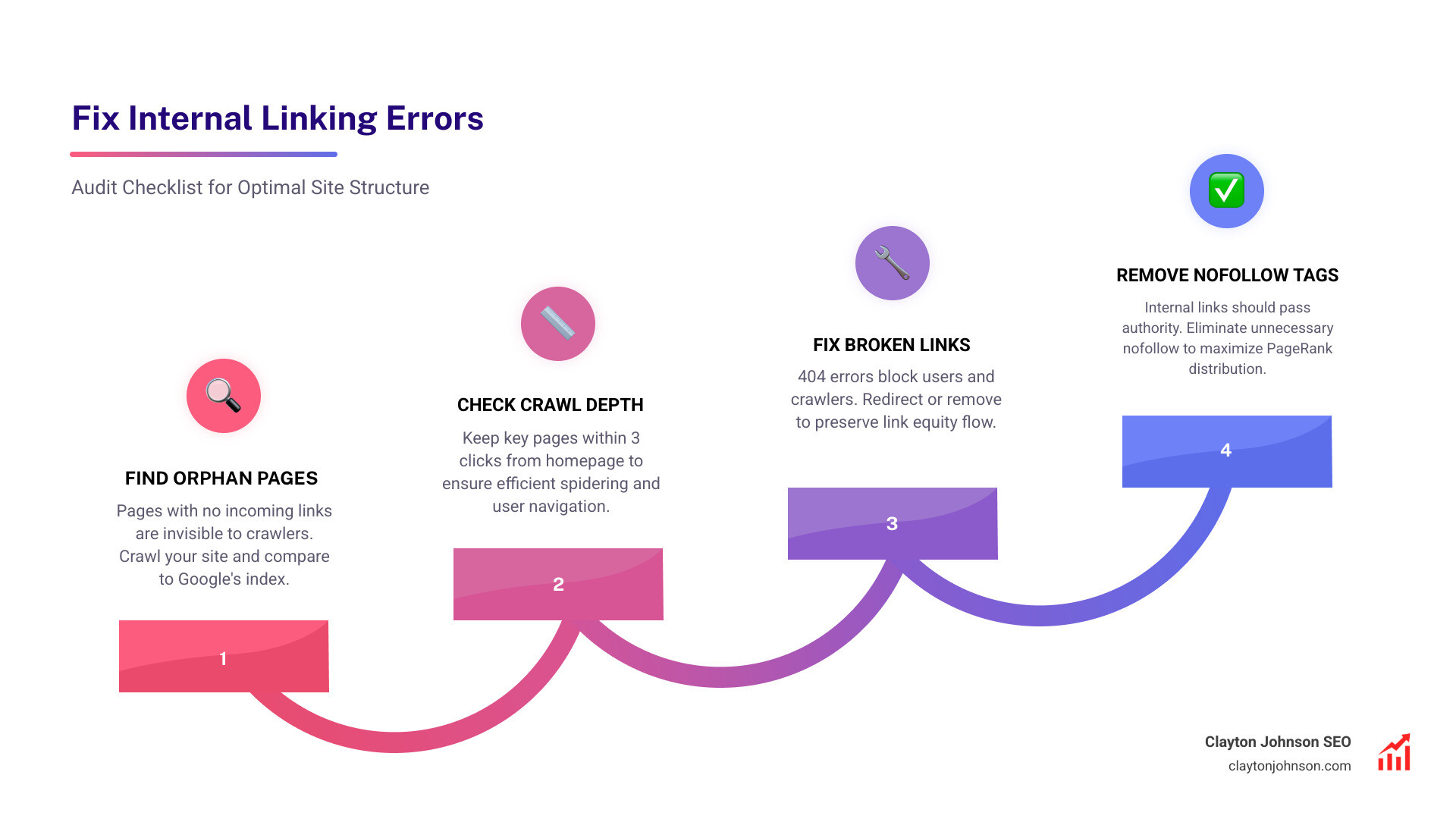
We use an audit checklist to keep things clean:
- Find Orphan Pages: Use a tool like Screaming Frog to crawl your site. Compare the number of pages found in the crawl to the number of pages Google has indexed. If there’s a gap, you have orphans.
- Check Crawl Depth: Ensure no important page is more than 3 clicks away.
- Fix Broken Links: A 404 error is a dead end for a user and a crawler.
- Remove Nofollow Tags: There is almost no reason to use
rel="nofollow"on your own internal links. You want that authority to flow!
At Clayton Johnson SEO, we build these auditing processes into our SEO services. We don’t just guess; we use tool-backed decision processes to measure the impact of every link. If you’re ready to turn your fragmented site into a coherent growth engine, you can always contact us to start building a durable system.
Advanced Techniques and Maintenance
As your site grows, maintaining a logical internal link structure becomes more difficult. This is where automation and AI-augmented workflows come in. We can use NLP (Natural Language Processing) to identify “entity” mentions in your new content that should be linked back to existing cornerstone pages.
Search engines have a rough crawl limit of about 150-250 links per page. If you have a footer with 500 links, you’re likely confusing the crawlers and diluting the value of your most important “money” pages. Keep it clean, keep it relevant, and keep it helpful for the user.
Conclusion: The Compounding Power of Structure
Internal linking is one of the few SEO tactics that offers an immediate ROI. By simply reorganizing how your pages talk to each other, you can see ranking improvements of 25% to 60% without writing a single new word of content.
It’s about moving from a collection of pages to a unified ecosystem. When you provide clear roads, Google can index your site faster, and users stay longer. That’s the definition of leverage. By applying the philosophy of Clarity → Structure → Leverage, you set the stage for compounding growth that lasts for years.
Stop letting your best content sit in isolation. Build the roads, connect the dots, and watch your authority grow.