Why Choosing the Best Email Automation Service Changes Everything
The best email automation service for most businesses comes down to your use case — here’s a quick breakdown:
| Use Case | Top Pick | Why |
|---|---|---|
| SaaS / Product-Led Growth | Encharge | Behavior-based triggers, Stripe integration |
| Ecommerce | Klaviyo | Purchase history, cart abandonment, revenue attribution |
| Small Business / Budget | MailerLite or Brevo | Generous free plans, easy setup |
| Advanced Automation | ActiveCampaign | 900+ templates, deep segmentation |
| Creators / Newsletters | Kit (formerly ConvertKit) | Up to 10K free subscribers, unlimited sends |
Most businesses already know they should be doing email automation. The harder question is: which tool won’t let you down?
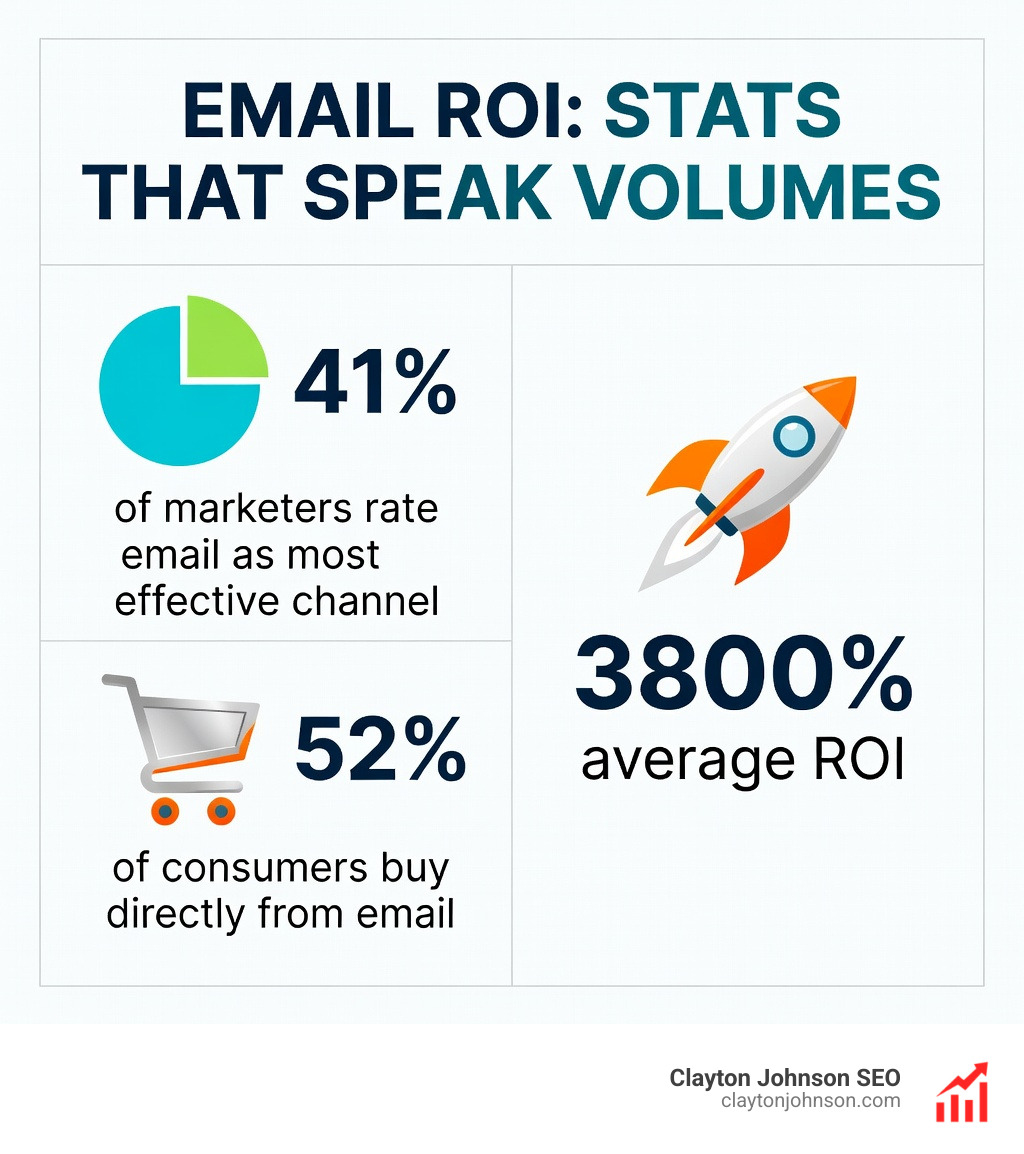
Here’s the reality. Email still delivers one of the highest ROIs in marketing — somewhere between 3,600% and 3,800% on average. That means for every $1 you spend, you get back $36 or more. And yet, most marketers are still sending emails manually, copying old follow-ups, and losing leads in the process.
The problem isn’t motivation. It’s picking the wrong tool for the job.
There are dozens of platforms out there. Some are built for ecommerce. Some are built for SaaS. Some are great for beginners. Others will overwhelm you on day one. The ratings cluster tightly — most top tools sit between 4.4 and 4.9 out of 5 across G2 and Capterra — so star ratings alone won’t help you decide.
What actually matters is fit: your audience size, your tech stack, your team’s skill level, and what you’re trying to automate.
I’m Clayton Johnson — SEO strategist and growth operator — and finding the best email automation service is something I’ve evaluated across dozens of business models while building scalable marketing systems for founders and growth teams. I’ll cut through the noise and show you exactly which tools earn their reputation.
What Defines the Best Email Automation Service?
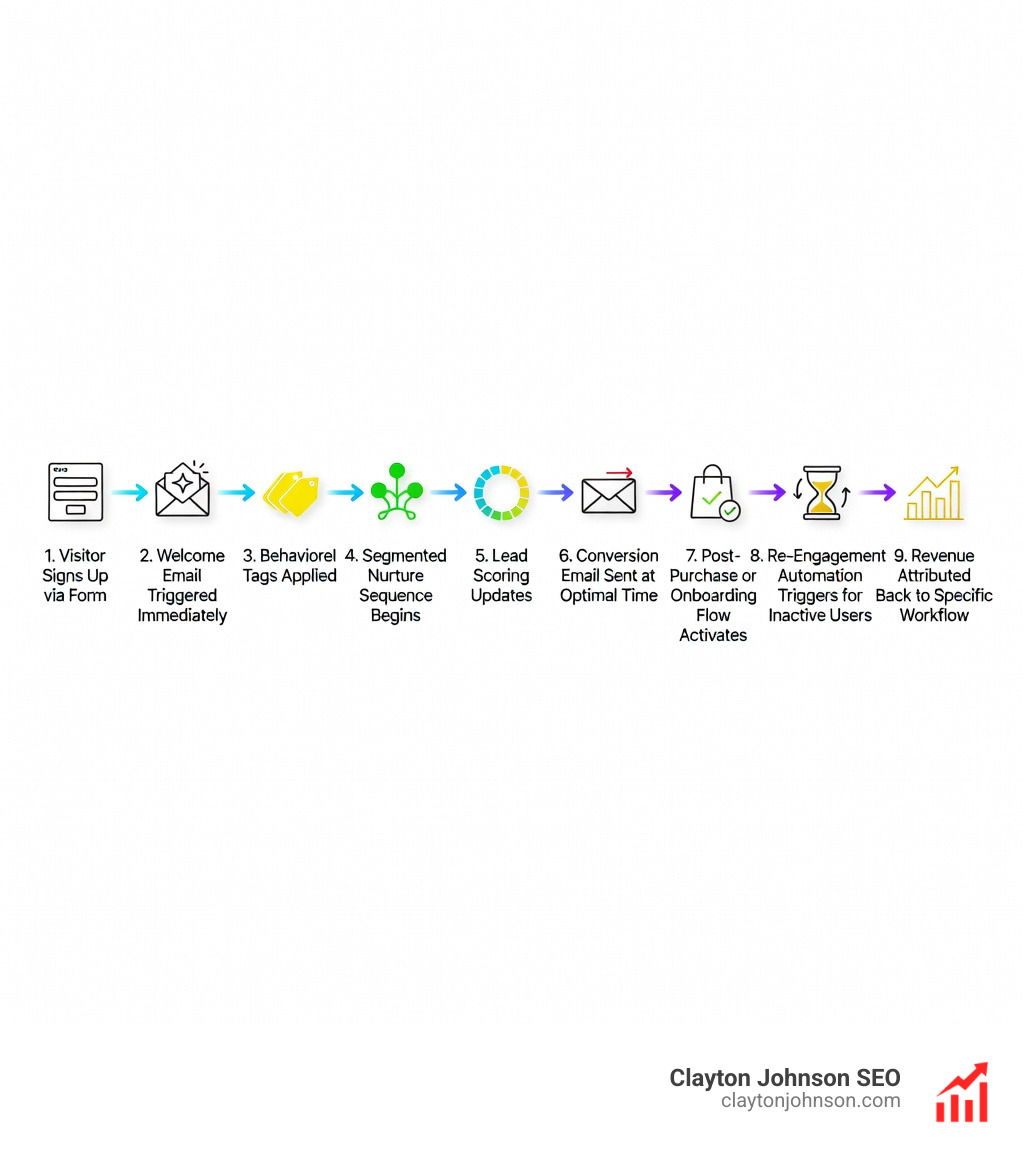
When we talk about the “best,” we aren’t just looking for a fancy drag-and-drop editor. In the modern marketing landscape, an email tool is only as good as the data it can process. The average ROI of between 3600% and 3800% is only achievable if you are sending the right message at the exact moment a user is ready to receive it.

To find a service that actually moves the needle, we look for these core pillars:
- Event-Based Triggers: Gone are the days of simple time-based drips (Email 1 on Day 1, Email 2 on Day 2). The best email automation service must react to what users do. Did they view your pricing page three times? Trigger a discount. Did they stop using a key feature in your app? Trigger a tutorial.
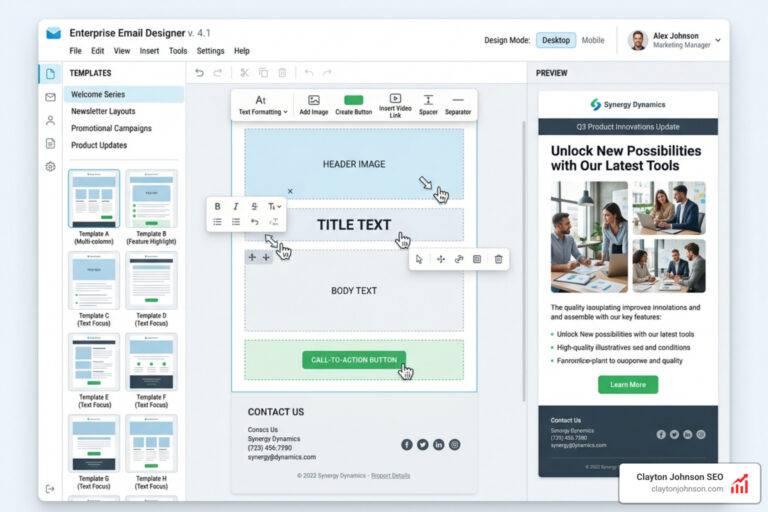
- Visual Flow Builders: You shouldn’t need a computer science degree to build a sequence. We look for “if-then-else” logic that is easy to visualize. If a user clicks a link, they go down Path A; if they don’t, they go down Path B.
- Advanced Segmentation: Your list isn’t a monolith. You need to slice and dice your audience by demographics, purchase history, and engagement levels.
- Deliverability Rates: It doesn’t matter how pretty your email is if it lands in the “Promotions” tab or, worse, the spam folder. Top-tier services like Brevo boast 99% delivery rates because they aggressively manage sender reputations.
- CRM Integration: Your email tool needs to talk to the rest of your stack. Whether it’s syncing with Salesforce or pulling data from Shopify, seamless integration is non-negotiable for scaling.
Top-Rated Software for Every Business Model
One size does not fit all. A local Minneapolis boutique has very different needs than a global SaaS company. We’ve found that the most successful growth architectures are built on tools specialized for their niche.
If you are looking for professional help setting these systems up, you can explore our services/email-marketing/ to see how we build these frameworks for our clients.
Choosing the Best Email Automation Service for SaaS
For SaaS and Product-Led Growth (PLG) teams, the “best” tool is one that understands user behavior inside the application.
- Encharge: This is a powerhouse for SaaS. It holds a 4.7/5 rating ⭐️ (300+ reviews) on G2 and an even higher 4.9/5 ⭐️ (250+ reviews) on Capterra. Why? Because it integrates natively with Stripe and Segment. You can trigger emails based on MRR (Monthly Recurring Revenue) changes, trial expiration dates, or even specific feature adoption.
- ActiveCampaign: While some find it a bit cluttered, it remains a gold standard for advanced automation. With over 900+ automation templates, it allows SaaS teams to build incredibly complex “choose your own adventure” styles of onboarding.
- Sequenzy: A rising star for subscription businesses. It uses AI to generate entire workflows from a single goal (like “reduce churn”) and offers native billing integrations with Stripe and Polar to track revenue attribution directly within the app.
Finding the Best Email Automation Service for Ecommerce
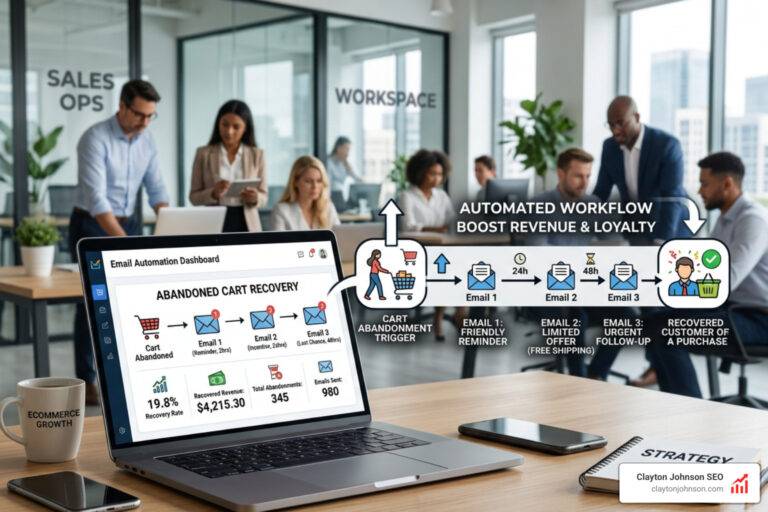
Ecommerce is all about timing and personalization. You need to know when someone abandoned their cart and exactly what was in it.
- Klaviyo: Widely considered the king of ecommerce email. Its deep integration with Shopify and BigCommerce allows for sophisticated predictive analytics—telling you exactly when a customer is likely to buy again or when they are at risk of churning.
- Omnisend: A fantastic alternative to Klaviyo, especially for those who want to combine email with SMS and push notifications in a single workflow. It offers 16 pre-built segments specifically for online stores, making it easy to get started.
- Drip: Known for its “People, not lists” philosophy, Drip focuses heavily on the individual customer journey. However, some users note it can be slower and more difficult to handle compared to newer competitors.
Comparing Features and Pricing Across Leading Platforms
Pricing can be a minefield. Most services charge based on the number of subscribers, but some (like Brevo) charge based on the number of emails sent. This distinction is huge if you have a large list but only send once a month.

| Platform | Free Tier | Starting Price | Best For |
|---|---|---|---|
| MailerLite | 1,000 subs / 12k emails | $9/mo | Beginners & SMBs |
| Brevo | Unlimited contacts / 300 daily emails | $9/mo | Budget-conscious teams |
| Encharge | Limited Free Plan | $79/mo (2k subs) | SaaS & Product Teams |
| ActiveCampaign | No (Free Trial only) | $15/mo | Complex Automations |
| HubSpot | Free tools available | $890/mo (Pro) | Enterprise/All-in-one |
| Sender | 2,500 subs / 15k emails | $15/mo | High-volume free users |
The “Free” Factor
If you’re a small business in Minnesota looking to keep costs low, MailerLite and Brevo are your best bets. MailerLite is incredibly intuitive, while Brevo allows you to keep an unlimited number of contacts for free, only charging when you actually hit “send.”
On the other hand, Mailchimp—once the darling of the free world—has significantly tightened its limits. It now caps free plans at 250 subscribers, which most businesses outgrow in their first month. Many users have expressed relief after switching from Mailchimp to more flexible alternatives.
List Hygiene and A/B Testing
As you scale toward 50,000+ contacts, features like list hygiene (automatically removing inactive users) and A/B testing become critical. Tools like ActiveCampaign and Klaviyo excel here, helping you optimize subject lines and send times to squeeze every bit of profit out of your campaigns.
Frequently Asked Questions about Email Automation
What is the difference between email marketing and email automation?
Email marketing is the broad category of sending messages to a list. This includes manual newsletters or one-off “blasts.” Email automation is a subset of marketing where emails are sent automatically based on predefined triggers. While marketing says “Send this to everyone,” automation says “Send this specific tutorial to John because he just clicked the ‘Settings’ button for the first time.”
Is there a reliable free email automation service for small businesses?
Yes. MailerLite offers one of the most balanced free plans, including automation features for up to 1,000 subscribers. Sender is even more generous, allowing up to 2,500 subscribers and 15,000 emails per month on their free tier. For creators, Kit (formerly ConvertKit) now allows up to 10,000 subscribers for free, though their automation features are more limited on the $0 tier.
How do I choose the right tool based on my industry?
Start by looking at your “source of truth” for data.
- If you are an Ecommerce store, your data lives in Shopify; choose Klaviyo or Omnisend.
- If you are a SaaS company, your data lives in your app and Stripe; choose Encharge or ActiveCampaign.
- If you are a B2B service provider, your data lives in a CRM; choose HubSpot or Brevo.
- If you are a Creator/Blogger, your data is your subscriber list; choose Kit or beehiiv.
Conclusion
Choosing the best email automation service isn’t about finding the tool with the most features; it’s about finding the one that fits your “growth architecture.” A tool is just a tactic. Without a structured strategy, even the most expensive software will just send “automated” spam that your customers ignore.
At Clayton Johnson, we believe that clarity leads to structure, and structure leads to leverage. We build Demandflow.ai to help founders and marketing leaders move beyond simple tactics and into a world of compounding growth. Our approach combines actionable strategic frameworks with AI-augmented marketing workflows to ensure your email automation isn’t just a cost center, but a revenue engine.
If you’re tired of “manual” being your primary marketing strategy, it’s time to build a system that works while you sleep. Build your growth system with us today and see the difference that structured growth architecture can make for your business.