CX Roadmap Template: Your GPS for Customer Success

Why a Customer Experience Roadmap Template Drives Revenue Growth
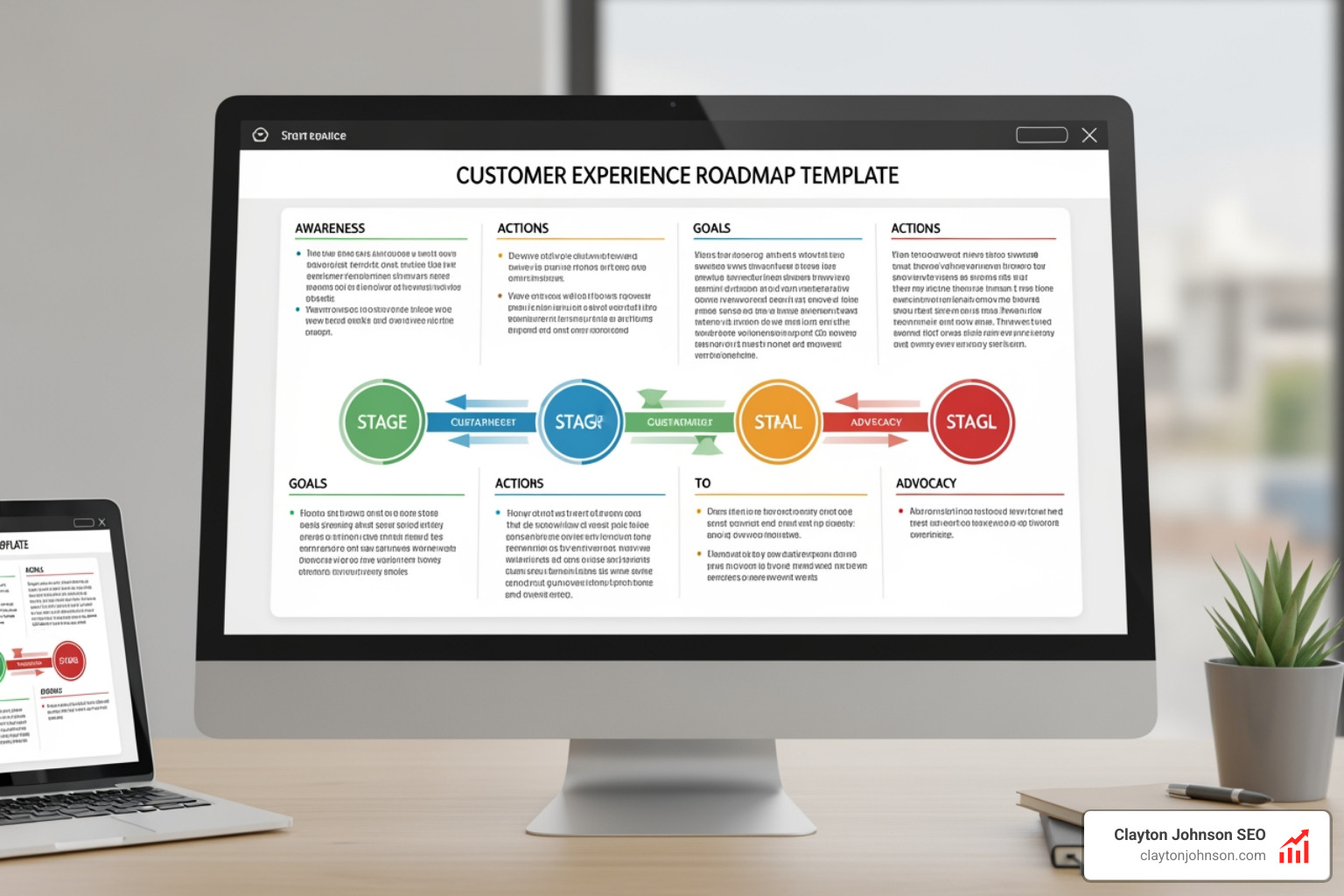
A customer experience roadmap template is a structured blueprint that defines how customers interact with your brand at every touchpoint — and prioritizes improvements based on data, not guesswork. Here’s what you need to build one:
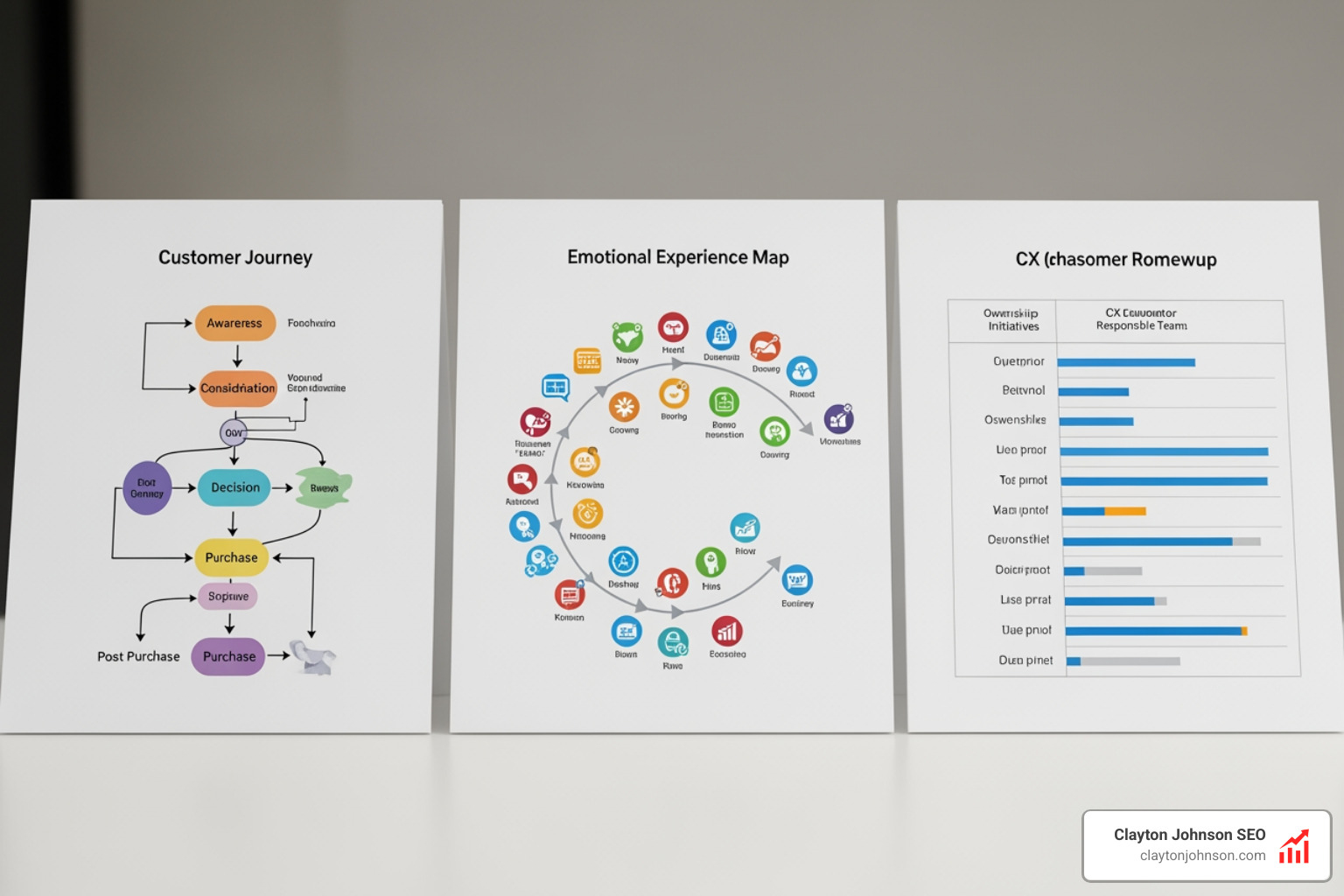
- Define your CX vision aligned with business goals
- Map the customer journey from awareness to loyalty
- Identify friction points using surveys, heatmaps, and session replays
- Prioritize initiatives with a Value vs. Effort framework
- Visualize the roadmap with timelines and ownership
- Measure success using CES, NPS, CSAT, and retention metrics
Most businesses run on assumptions about what customers want. They miss the invisible friction points that quietly erode conversion rates and brand loyalty. The result? Marketing teams publish content no one reads. Product teams build features no one uses. Customer success teams firefight the same complaints every quarter.
A customer experience roadmap changes that. It’s not just a PowerPoint deck — it’s a tactical blueprint that aligns teams around the moments that actually matter to customers. When done right, it becomes your most valuable operational asset.
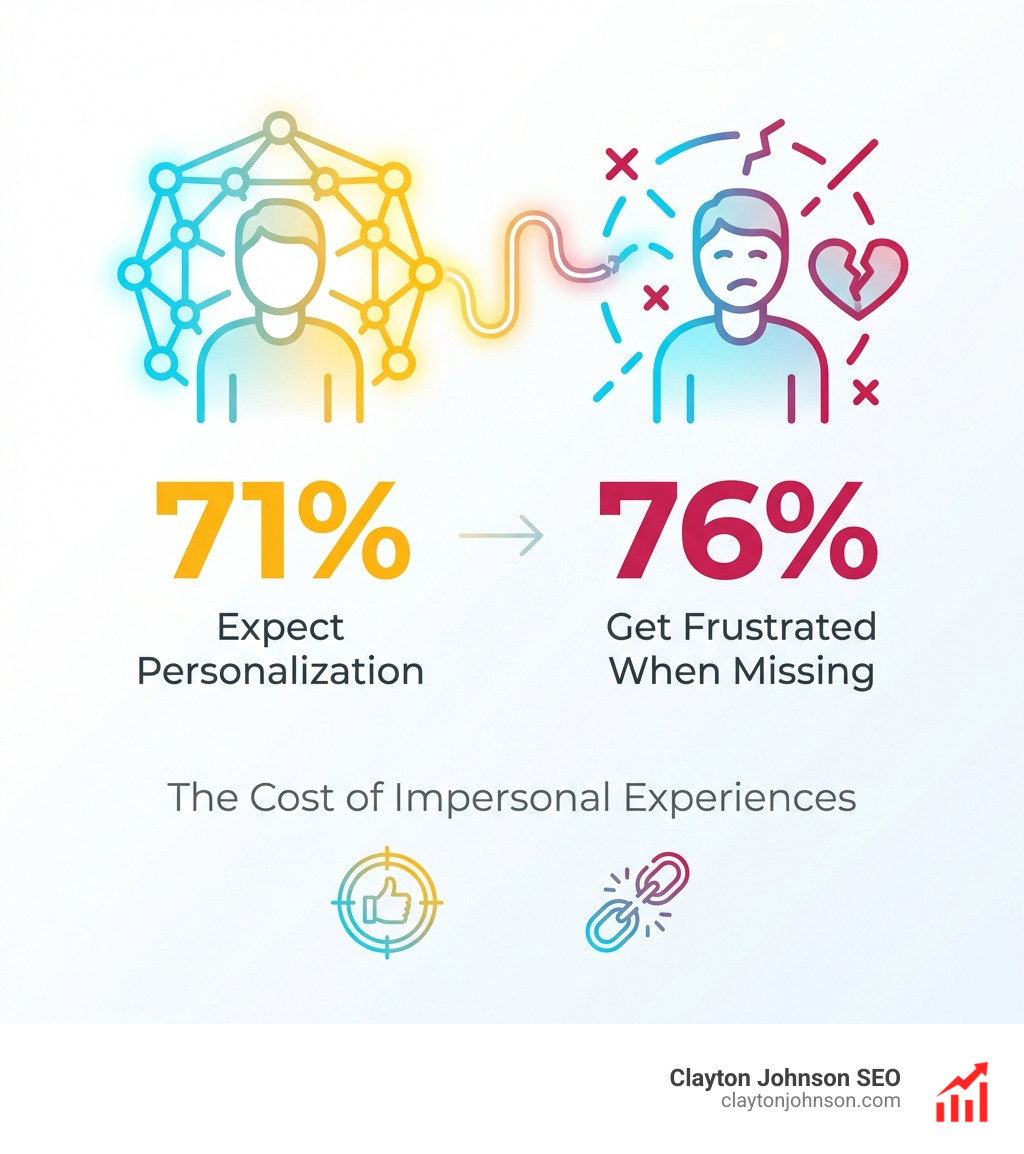
The stakes are real. Increasing customer retention by as little as 5% can increase profits by up to 95%. But 54% of customers say they’ll leave a brand after one bad experience. And seventy-one percent of consumers expect companies to deliver personalized interactions — while 76% get frustrated when it doesn’t happen.
This guide shows you how to build a customer experience roadmap template that actually drives results — not just documentation. You’ll learn how to gather real insights, prioritize what matters, and measure the outcomes that move revenue.
I’m Clayton Johnson, and I’ve spent the last decade helping founders and marketing leaders build structured growth systems that compound over time. I’ve developed customer experience roadmap templates for SaaS, fintech, and enterprise companies that translated customer feedback into measurable pipeline growth.
Defining the Customer Experience Roadmap Template vs. Journey Maps
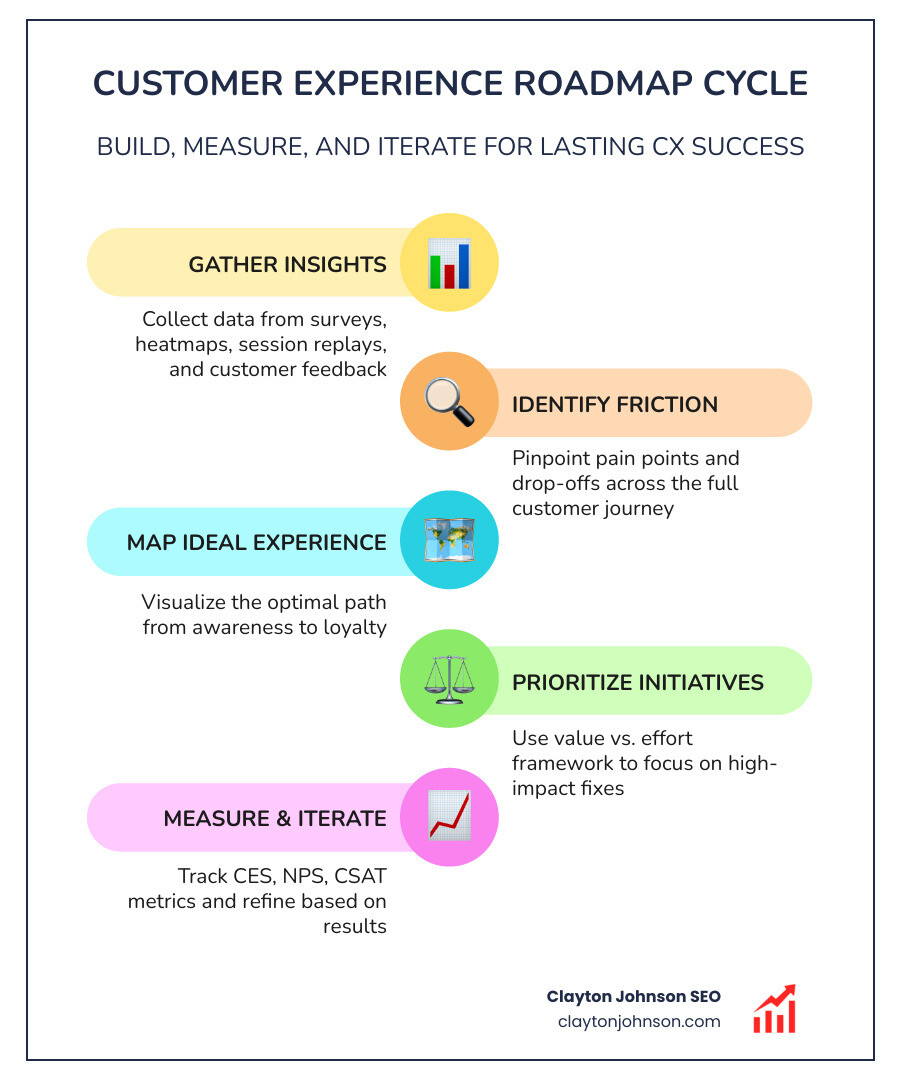
If you are confused about the difference between an experience map and a journey map, you aren’t alone. We often see these terms used interchangeably, but in structured growth architecture, they serve very different purposes.
Think of it this way: A Customer Journey Map is a visualization of a specific path. It might track how a user goes from a Google search to buying a digital magazine subscription. It is product-specific and often focuses on a single persona’s interaction with a particular feature.
An Experience Map, on the other hand, is brand-wide and generic. It looks at the end-to-end human experience of a person trying to achieve a goal, regardless of whether they are using your specific product yet.
The customer experience roadmap template is the bridge between these visualizations and actual execution. It is your tactical blueprint. It doesn’t just show you where the problems are; it tells you what you are going to do about them, when you are going to do it, and who is responsible.
| Feature | Customer Journey Map | Experience Map | CX Roadmap |
|---|---|---|---|
| Focus | Specific product/service path | Generic human experience with a brand | Strategic action plan |
| Scope | Tactical/Feature-level | High-level/Emotional | Execution-focused |
| Goal | Identify touchpoints | Understand human context | Prioritize and implement improvements |
| Timeframe | Linear (Start to Finish) | Broad (Life context) | Phased (0-24 months) |
We believe that increasing customer retention by as little as 5% can increase profits by up to 95%. To achieve that kind of growth, you need more than just a map; you need a roadmap that aligns your entire team on a common CX strategy.
Why Your Business Needs a Strategic CX Plan
Most companies don’t lack tactics; they lack structured growth architecture. Without a strategic CX plan, your initiatives are just a “wish list” of ideas. A roadmap provides the structure needed to turn those ideas into revenue.
- Revenue Growth and Retention: When you remove friction, you remove the barriers to purchase. Happy customers don’t just stay; they spend more.
- Competitive Positioning: When 54% of customers say they’ll leave a brand after one bad experience, a seamless experience is your greatest competitive advantage.
- Empathy Cultivation: Mapping the journey forces your team to step into the customer’s shoes. You stop building for “users” and start building for humans.
- Team Accountability: A roadmap assigns ownership. It breaks down silos between marketing, product, and sales, ensuring everyone is working toward the same “North Star” vision.
Key Principles for an Effective Roadmap
To build a roadmap that actually works, we follow a few core principles:
- Data-Grounded Decisions: Don’t guess. Use website analytics, heatmaps, and customer feedback to spot pain points.
- Customer-Centric Interactions: Design steps that help customers achieve their goals, not just yours. If your sign-up form is ten pages long, you aren’t being customer-centric.
- Personalization Opportunities: Seventy-one percent of consumers expect companies to deliver personalized interactions. Your roadmap should include initiatives like triggered content recommendations or tailored onboarding.
- Emotional Architecture: It’s not just about what the customer does; it’s about how they feel. A great roadmap plans for “moments of delight” that build long-term memory salience.
6 Steps to Build Your Customer Experience Roadmap Template
Creating a roadmap from scratch can feel overwhelming, but it follows a logical sequence. At Demandflow, we use a six-step process to ensure clarity and structure.
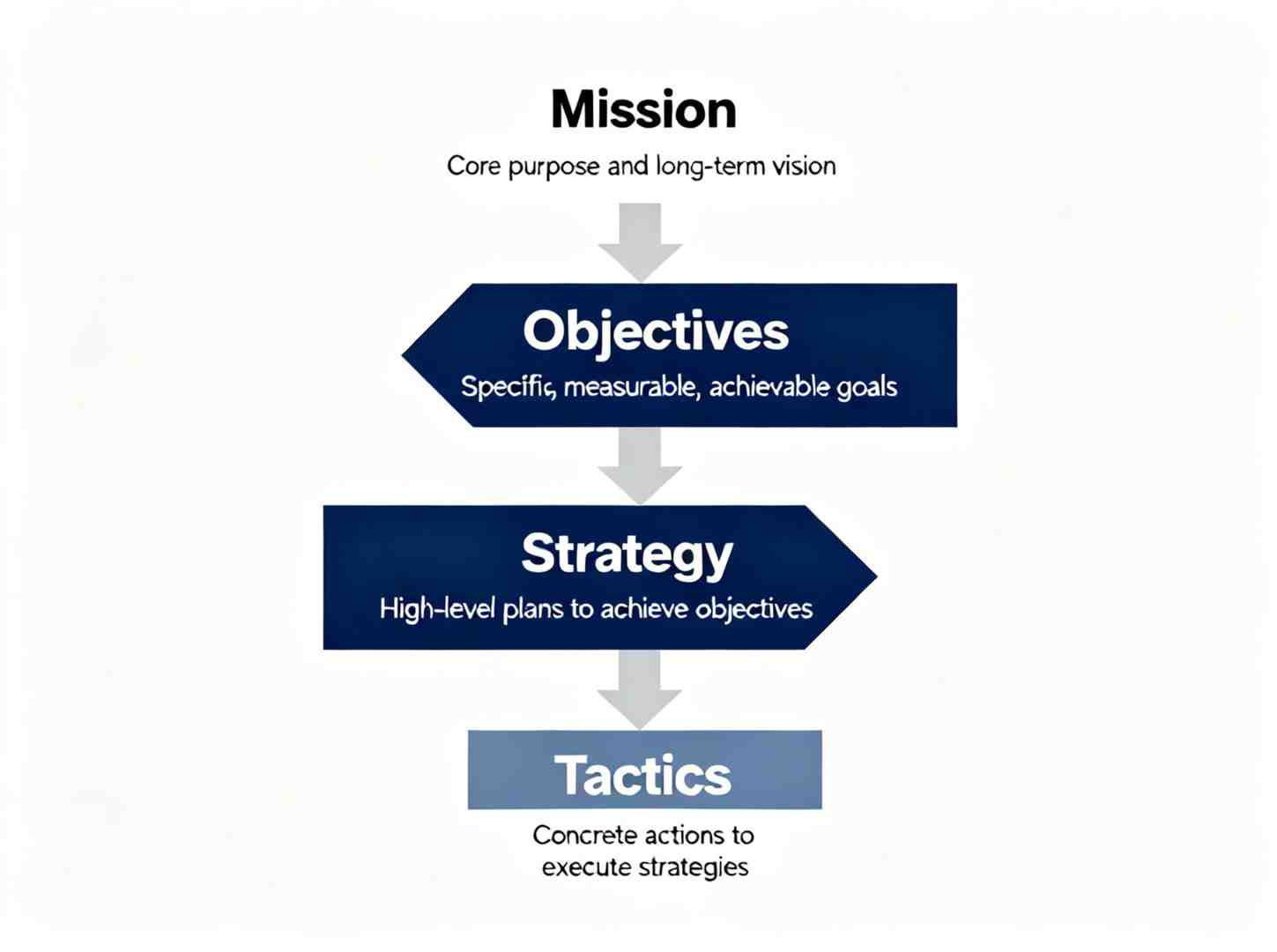
Step 1: Gathering Insights and Identifying Friction Points
You cannot fix what you don’t understand. The first step is to evaluate your current state. We recommend a mix of quantitative and qualitative data.
- Customer Interviews: Talk to your users. Ask open-ended questions like, “What were you doing the last time you used our product?” or “What obstacles did you encounter?”
- On-Site Surveys: Use exit-intent surveys or CSAT polls on key pages (like the checkout page) to catch struggles in real-time.
- Heatmaps and Session Replays: Tools like Contentsquare allow you to see exactly where users get stuck. Are they clicking on things that aren’t links? Are they scrolling past your most important CTA?
- Analytics Deep Dive: Look for high bounce rates or drop-offs in your funnels. If 80% of people leave on page three of your onboarding, you’ve found a friction point.
- Customer Success Feedback: Your support team knows exactly what people are complaining about. Use their insights to identify common “how-to” questions that could be solved with better UX.
If you need help building the content architecture to support these insights, check out our SEO content marketing services.
Step 2: Prioritizing Initiatives in Your Customer Experience Roadmap Template
Once you have a list of fifty things to fix, you need a prioritization framework. You can’t do everything at once. We suggest using a Value vs. Effort matrix.
- Quick Wins (Low Effort, High Value): These are your first priorities. Examples include fixing a broken link, increasing the size of a mobile checkout button, or adding shipping details to a product page based on usability testing.
- Strategic Investments (High Effort, High Value): These are your long-term projects, like redesigning the entire onboarding flow or implementing a new CRM.
- Nice-to-Haves (Low Effort, Low Value): Save these for when you have extra cycles.
- Distractions (High Effort, Low Value): Avoid these. They are often “pet projects” that don’t move the needle for the customer.
Using the RICE model (Reach, Impact, Confidence, Effort) or the Kano model can also help you determine which features will truly “delight” customers versus those that are just basic expectations.
Leveraging Data and Personalization for CX Success
Personalization is no longer a “bonus” feature; it is a requirement. As McKinsey noted, seventy-one percent of consumers expect companies to deliver personalized interactions.
In your customer experience roadmap template, you should plan for data-driven personalization. This might include:
- Pop-up content recommendations: Showing users articles or products based on their viewing history.
- Fatigue filters: Ensuring you don’t over-message your users. If someone hasn’t engaged with the third email in a sequence, use a filter to stop sending and prevent brand annoyance.
- Behavioral Economics: Use “timing nudges” to reach customers when they are most likely to convert. For example, sending a welcome email within five minutes of sign-up can increase retention by 37%.
Measuring Success with Your Customer Experience Roadmap Template
What gets measured gets managed. You need to define your CX metrics early on. Different initiatives will have different definitions of success.
- Customer Effort Score (CES): This measures how easy it was for a customer to get their issue resolved or complete a task. It’s a powerful predictor of loyalty.
- CSAT Surveys: These help you understand satisfaction with a specific interaction, like a support call or a new feature launch.
- Net Promoter Score (NPS): This measures long-term brand advocacy.
- Churn Rate: The ultimate metric. If your CX roadmap is working, your churn should go down.
Remember to measure and analyze each CX initiative against its baseline. If you increased the button size on mobile, did the mobile conversion rate actually go up?
Recommended Tools and Real-World Examples
To visualize your roadmap, you don’t need fancy software, but structure is key.
- Miro: Great for collaborative brainstorming and Experience Maps.
- Trello or Jira: Excellent for tracking the tactical execution of roadmap items.
- Productboard: Helps align product features with customer needs and feedback.
- Customer Experience Roadmap – Slide Geeks: Provides editable templates for professional presentations.
Real-World Example: Mortgage Refinancing
A leading real estate group used experience mapping to overhaul their refinancing process. They identified that clients felt “lost” after the initial application. Their roadmap included:
- Immediate Step: A success screen introducing their specific agent with a direct booking link.
- Mid-term Step: An automated “educational series” explaining what “Mortgage Success” looks like.
- Result: They reduced their NPS gap by 21 points in under a year.
Real-World Example: SaaS Onboarding
A software company noticed a high drop-off after the first login. Their roadmap prioritized a “Welcome Guide” and a checklist of “First 3 Actions” to take. By making the experience effortless, they saw a 46% boost in app re-engagement.
If you are looking for a deeper dive into the mechanics of mapping, this Customer journey mapping workbook with templates is a fantastic resource.
Frequently Asked Questions about CX Roadmaps
What is the difference between an experience map and a journey map?
An experience map is brand-level and generic. it tracks the human experience of a person trying to achieve a goal (like “buying a home”). A journey map is product-specific and tracks how a user interacts with your specific features or services. The experience map is the “forest,” and the journey map is the “path.”
How often should I update my customer experience roadmap?
We recommend quarterly reviews. However, you should also revisit it whenever there is a significant shift in metrics (like a sudden spike in churn), a major product launch, or a change in market conditions. A roadmap is a living document, not a static file.
Which teams should be involved in creating the roadmap?
CX is a team sport. You need a cross-functional squad including Marketing (for awareness/acquisition), Product (for the user experience), Customer Success (for retention/support), and Sales. Leadership buy-in is essential to ensure resources are allocated to the initiatives you prioritize.
Conclusion
At the end of the day, a customer experience roadmap template is about one thing: moving from a collection of random tactics to a structured growth architecture.
At Clayton Johnson, we are building Demandflow.ai to help founders and marketing leaders escape the “tactic trap.” Most companies don’t fail because they don’t have good ideas; they fail because they lack the systems to implement those ideas strategically.
By grounding your CX decisions in data, prioritizing based on impact, and aligning your team around a shared vision, you create a growth operating system that compounds over time. This is how you move from “fighting fires” to building an authority-building ecosystem.
Ready to build your structured growth engine? Learn more about our SEO consultant services and how we can help you turn your CX roadmap into a compounding growth machine.
Clarity leads to structure. Structure leads to leverage. Leverage leads to compounding growth. Let’s get to work.