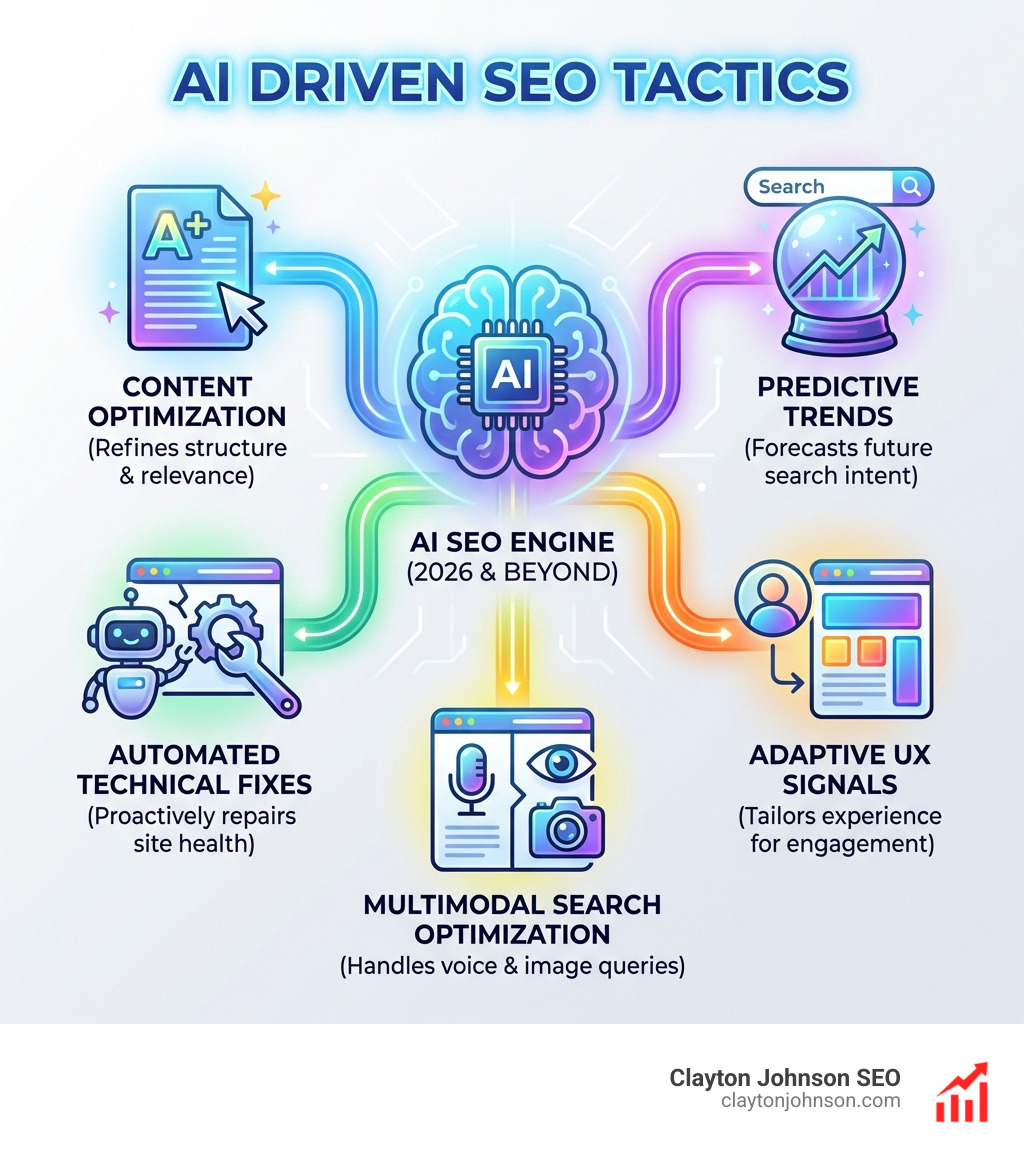
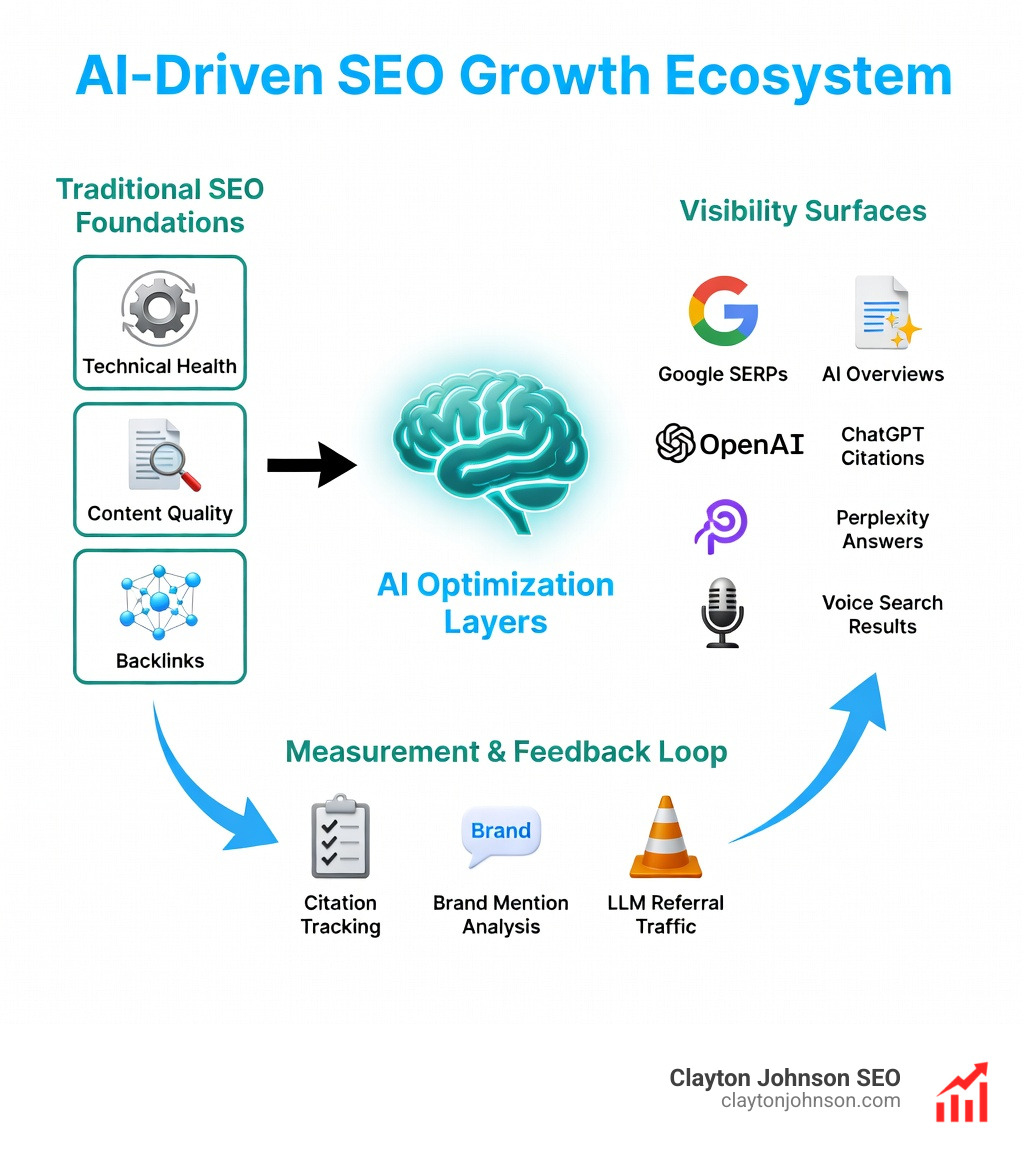
AI driven SEO tactics have fundamentally changed how businesses earn visibility in search. The shift isn’t subtle—86% of SEO professionals now integrate AI solutions into their workflow, and up to 60% of Google searches result in zero-clicks as AI-generated answers keep users on the results page. The question is no longer whether to adopt AI-driven strategies, but how to build systems that compound visibility across traditional SERPs, AI Overviews, ChatGPT, Perplexity, and other answer engines.
What AI Driven SEO Tactics Actually Mean:
- Optimize for extraction and citation, not just rankings—AI systems pull from multiple sources to synthesize answers
- Structure content for machine readability using schema markup, semantic HTML, and entity-rich language
- Build distributed authority across review sites, community forums, Wikipedia, and partner platforms
- Target conversational, long-tail queries that align with natural language processing patterns
- Implement technical readiness through Core Web Vitals, llms.txt files, and proper JavaScript rendering
- Create multi-format content including text, video, and visual assets optimized for voice and visual search
- Deploy AI agents and workflows to automate content generation, technical audits, and citation tracking
- Measure holistic visibility tracking brand mentions, citation frequency, and LLM referral traffic alongside traditional rank
The old playbook—keyword density, meta tags, and backlink volume—still matters for traditional rankings. But AI systems evaluate context, intent, and authority through signals humans rarely optimize for: passage-level extractability, entity consistency across sources, and structured narrative repetition.
I’m Clayton Johnson, and I’ve spent the past decade engineering scalable SEO systems and structured growth architectures for companies navigating exactly this shift. My work focuses on translating AI driven SEO tactics into operational frameworks—moving beyond tactics to build taxonomy-driven ecosystems, authority-building systems, and AI-augmented workflows that compound visibility over time rather than chase algorithm updates.
AI driven SEO tactics vocab explained:
Understanding the Shift: Traditional SEO vs. AI Driven SEO Tactics
Traditional SEO was a game of matching. You found a keyword, you sprinkled it in your title tags, and you hoped a crawler would see you as relevant. AI driven SEO tactics have moved us from simple matching to deep interpretation. Google now uses sophisticated machine learning systems like RankBrain to interpret queries it has never seen before, connecting them to known concepts.
Search engines no longer just index pages; they understand “entities”—people, places, things, and the relationships between them. Systems like BERT and MUM allow Google to infer meaning from the context of words, recognizing subtle linguistic nuances. For businesses, this means that a page’s success depends on its semantic clarity and intent alignment.
From Keyword Matching to Intent-Based AI Driven SEO Tactics
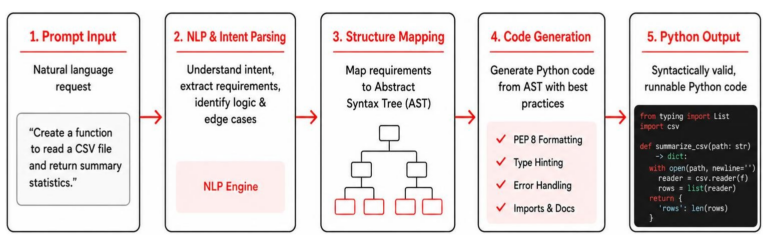
The core of modern strategy is understanding that search is now conversational. Natural Language Processing (NLP) allows engines to parse complex questions. Instead of targeting “Minneapolis SEO,” we now optimize for “how to scale a B2B SaaS company in Minneapolis using AI-driven systems.”
We use predictive analytics to spot behavioral trends, planning content around emerging needs before they become high-volume keywords. This shift requires choosing tools that don’t just give you a list of words, but help you understand the intent behind the query.
The Rise of Zero-Click Searches and Answer Engines
The “ten blue links” era is fading. Today, 58.5% of Google searches in the U.S. result in a zero-click experience. Why? Because Google’s Search Generative Experience (SGE) and platforms like ChatGPT and Perplexity provide the answer directly on the results page.
Information-rich snapshots now replace standard listings in over 13% of queries. To survive, your content must be “cite-worthy.” It needs to be the source that the AI summarizes. If you aren’t optimized for zero-click visibility, you are effectively invisible to half your potential audience.
Core Pillars of a Generative Engine Optimization (GEO) Framework
Generative Engine Optimization (GEO) is the next evolution of SEO. It focuses on making your brand the preferred answer for generative AI models. This requires a shift toward information gain—providing unique insights, proprietary data, or expert perspectives that aren’t found elsewhere. AI models prioritize content that is easy to extract and has high “citation authority.”
We build GEO frameworks that ensure your brand is seen and trusted by the models. This isn’t just about your website; it’s about seeding your narrative across the entire digital ecosystem so that when an LLM retrieves data, your brand is the consistent authority.
Technical Readiness and AI Driven SEO Tactics for Crawlers
The technical foundation of AI SEO is about “machine scannability.” While humans read your blog, AI models are crawling your code for specific signals.
- llms.txt: A new standard file that guides large language models on how to use your site’s content.
- Schema Markup: Essential for defining entities and relationships. Don’t just use basic schema; use nested structures to link your organization to its authors and products.
- Core Web Vitals: Google’s metrics for load speed and visual stability are now table stakes.
- JavaScript Rendering: Heavy JS can hinder AI crawlers. We recommend dynamic rendering to ensure models see your full content.
Regular AI-driven SEO audits are necessary to ensure these technical signals remain strong as algorithms evolve.
Building Authority Through E-E-A-T and Entity Signals
Google’s E-E-A-T guidelines (Experience, Expertise, Authoritativeness, Trustworthiness) are the heartbeat of AI SEO. In an era of mass-produced AI content, search engines are desperate for signals of real human insight.
- Expertise: Use robust author credentials and verifiable bios.
- Trustworthiness: Ensure your brand is mentioned in high-authority “Citation Core” sites like Wikipedia or industry-specific journals.
- Entity Signals: Build a knowledge graph for your business. When AI sees your brand mentioned consistently across Reddit, G2, and news sites, it solidifies your entity status.
Advanced Content and Keyword Systems for the Answer Engine Era
| Feature | Traditional Content | AI-Optimized Content |
|---|---|---|
| Focus | Keyword repetition | Semantic density & Information gain |
| Structure | Linear paragraphs | Answer blocks, tables, & FAQs |
| Goal | Rank for a specific term | Be cited as the authoritative source |
| Target | Search engine crawlers | Generative AI models & Humans |
We’ve moved away from isolated pages toward topic clusters. By creating a “hub and spoke” model, you signal to AI that you have deep topical authority. Long-tail keywords, which make up 92% of all queries, are the “gold” of this era. They represent specific, high-intent questions that AI models love to answer using helpful, human-first content.
Scaling Hyperlocal Visibility with AI
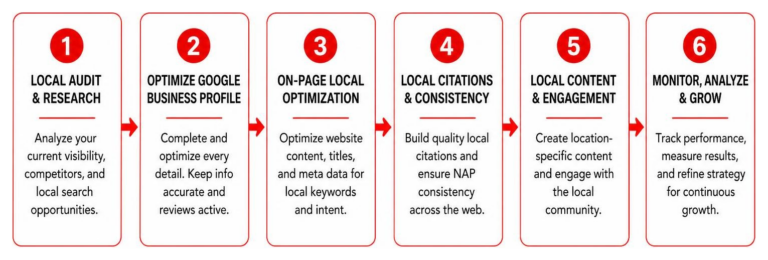
For businesses in Minneapolis, AI SEO offers a massive edge in local discovery. AI-powered search behavior is shifting toward “near me” voice queries and conversational assistants.
- Google Business Profile (GBP): We use AI to analyze sentiment in reviews and generate brand-aligned responses. 88% of consumers trust a business that responds to all reviews.
- Citation Management: AI tools now audit NAP (Name, Address, Phone) consistency across hundreds of directories, ensuring search engines have a single, trusted version of your local data.
Whether you are a boutique in the North Loop or a service provider in the suburbs, local AI SEO is about being the most “reachable” entity in your geography.
Multi-Format Optimization for Visual and Voice Search
Search is no longer just text. Users are speaking to their devices and using Google Lens to search with their cameras.
- Voice Search: People use complete sentences. We optimize by including natural-language FAQ sections that mirror how people actually talk.
- Visual SEO: We use computer vision-friendly descriptions and alt-text. AI interprets the content of your images to match visual queries.
- Video SEO: Implementing structured chapters and keyword-rich transcripts allows AI to “see” inside your video content and serve it as an answer. Video SEO best practices are now essential for capturing top-of-funnel interest.
The Evolution of Automation: AI Agent SEO and Workflow Orchestration
The next frontier is AI Agent SEO. We are moving from tools to “teammates”—autonomous agents that perceive data, reason through problems, and execute tasks. An SEO agent can notice an impression drop, re-crawl the page, compare it to a competitor who just outranked you, and update your content brief—all before you finish your morning coffee.
Generative AI is projected to create up to $4.4 trillion in annual economic value, with a huge chunk of that in marketing and sales. By automating keyword optimization, we allow human experts to focus on strategy and creativity while the “operating system” handles the tedious execution.
Essential Tools for an AI-Augmented SEO Stack
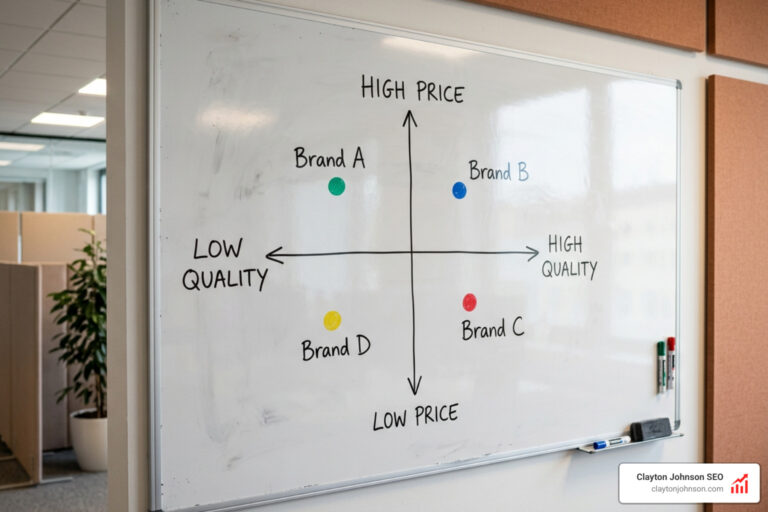
At Clayton Johnson SEO, we utilize a combination of proprietary systems and industry-standard tools to build structured growth architecture.
- Demandflow.ai: Our structured strategy and growth operating system. It provides the taxonomy-driven SEO systems and competitive positioning models needed for compounding growth.
- AI Visibility Toolkits: We use tools that track “share of voice” in AI answers, showing you exactly how often your brand is mentioned in ChatGPT or SGE compared to your rivals.
- Diagnostic Tools: Interactive environments that help you find content gaps and technical friction points instantly.
Frequently Asked Questions about AI SEO
Will SEO continue to exist in the age of AI?
Absolutely. SEO isn’t dying; it’s evolving. As long as people seek information, there will be a need to optimize that information for discovery. The future of SEO is a hybrid model where AI handles data processing and humans provide the strategic nuance and E-E-A-T.
What is the difference between GEO and AEO?
- GEO (Generative Engine Optimization): Optimizing content to be included in the training data and real-time retrieval of LLMs like ChatGPT.
- AEO (Answer Engine Optimization): A subset of SEO focused on winning the “answer boxes” and featured snippets in search results.
- LLMO (Large Language Model Optimization): Ensuring your brand entity is correctly understood by the models themselves.
How do you measure the ROI of AI SEO?
Traditional rankings are just one piece of the puzzle. We look at:
- Citation Frequency: How often is your brand cited in AI summaries?
- Brand Mentions: Is your sentiment positive across LLM responses?
- LLM Referral Traffic: Clicks coming from AI platforms like Perplexity.
- Search Console Data: Monitoring impressions and clicks to see how AI Overviews are impacting your traditional organic traffic.
Conclusion
The era of chasing “hacks” is over. To win in an AI-driven landscape, you need structured growth architecture. At Clayton Johnson SEO, we don’t just do content marketing; we build the infrastructure that allows your brand to become a recognized authority across every search surface.
By combining taxonomy-driven systems, competitive intelligence, and AI-enhanced execution, we move our clients from tactical guesswork to compounding growth. The transition is simple: Clarity → Structure → Leverage → Compounding Growth.
Ready to future-proof your visibility? Whether you need a dedicated SEO consultant or a complete system overhaul, we are here to build the engine that drives your success.