Why Your Site Needs a Strategic Authority Site Building Framework
An authority site building framework is a structured, repeatable system for transforming your website into a trusted, high-ranking resource that dominates search results and compounds traffic over time. Instead of chasing individual keywords or publishing content randomly, this framework treats authority as engineered infrastructure—combining topical depth, strategic linking, expert signals, and technical optimization into a cohesive growth system.
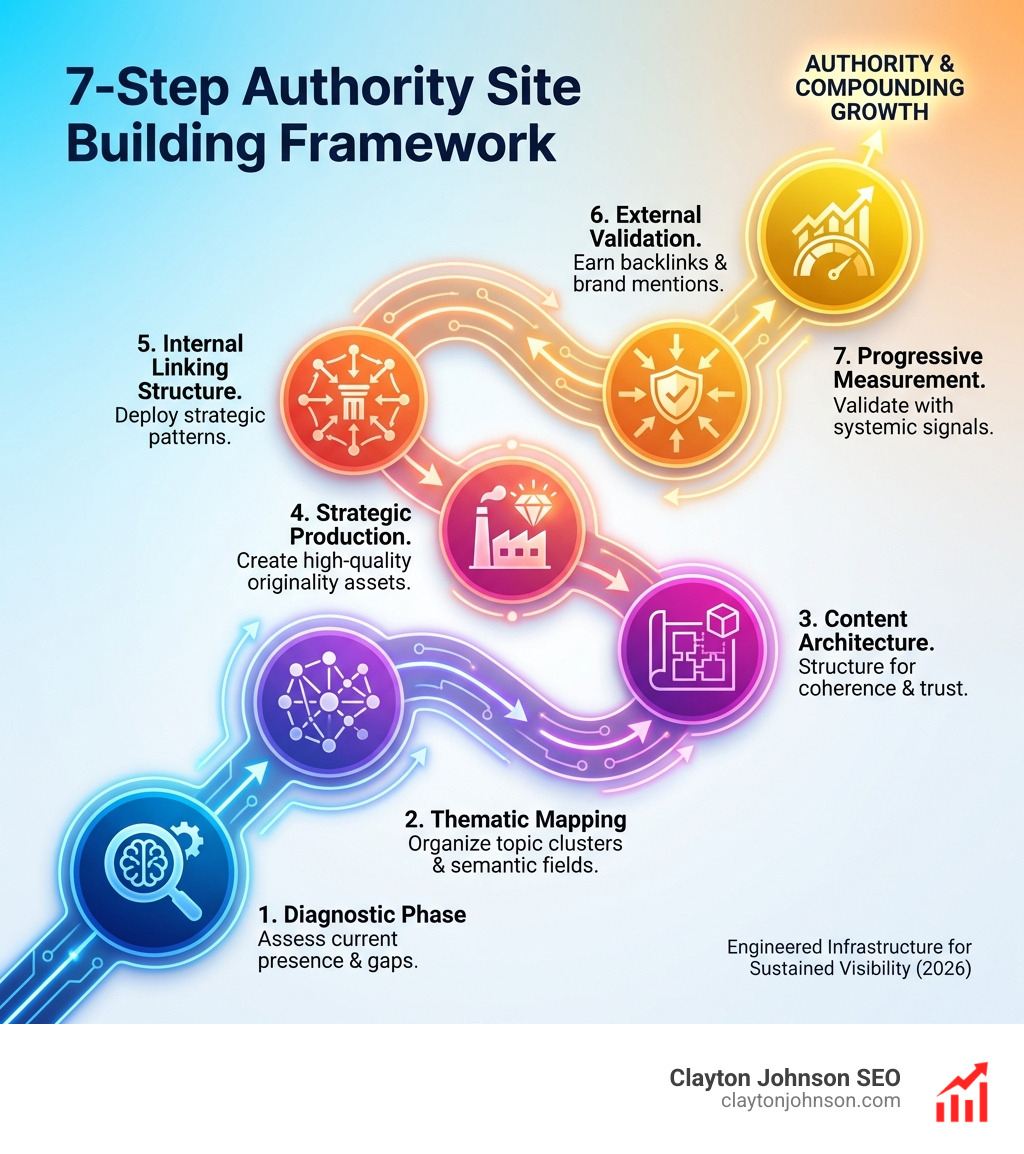
The Authority Site Formula:
- Diagnose your current algorithmic presence and topical gaps
- Map your thematic ecosystem using topic clusters and semantic fields
- Restructure content architecture for coherence and trust signals
- Produce high-quality originality assets tied to user intent
- Deploy strategic internal linking patterns (pillar-to-cluster)
- Earn external validation through backlinks and brand mentions
- Validate progress through systemic signals, not vanity metrics
This approach moves beyond fragmented tactics. It builds what search engines and AI models recognize as legitimate expertise—the kind that earns rankings, citations, and sustained visibility even as algorithms evolve.
Why most authority-building efforts fail:
Most companies approach SEO with a narrow objective: claim top positions for a handful of “money” keywords. This typically fails because it ignores how search engines actually assess authority. Google doesn’t think in isolated pages anymore—it thinks in topics, entities, and trust networks. A single strong article won’t carry you. You need interconnected content clusters, clear author credentials, semantic depth, and external validation working together as a system.
Building real authority requires treating content as architecture, not publishing. It means engineering trust signals, mapping intent comprehensively, and creating what one source calls “originality assets”—proof you’ve done the work, not just described it.
The compounding advantage:
Sites built on this framework don’t just rank—they compound. Each new piece of content reinforces existing authority. Internal links distribute equity. External citations accumulate. The result is a defensible content moat that becomes harder for competitors to replicate over time, creating sustainable low-CAC acquisition and qualified traffic that actually converts.
I’m Clayton Johnson, an SEO and growth strategist who’s spent over a decade engineering scalable authority site building frameworks for B2B and enterprise clients, focusing on structured content systems and AI-augmented workflows that turn fragmented efforts into compounding growth engines. My approach emphasizes clarity, measurable systems, and long-term leverage over short-term tactics.
The Core Pillars of an Authority Site Building Framework
To build a site that commands respect from both humans and algorithms, we must understand that authority isn’t a single score. It is a multi-layered concept. According to research on domain authority, this metric indicates a website’s relevance within specific subject areas, directly impacting its potential to appear prominently in search rankings.
But authority goes deeper than just a domain-level number. We break it down into three distinct areas:
- Domain Authority (DA): A broad metric reflecting the overall strength of your backlink profile. Think of this as your site’s “general reputation.”
- Page Authority (PA): The ranking potential of a specific URL. A single page can have high authority even if the rest of the site is weak, often due to specific, high-quality backlinks.
- Topical Authority: This is the “subject matter expertise” of your site. It is built by covering a topic so comprehensively that search engines view you as a go-to resource for that entire niche.
At the heart of any modern authority site building framework is Google’s E-E-A-T (Experience, Expertise, Authoritativeness, and Trustworthiness). As outlined in the Search Quality Rater Guidelines, search engines use human-validated signals to ensure they are returning relevant, reliable information. If your site lacks these signals, no amount of keyword stuffing will save your rankings.
Defining the Authority Site Building Framework
An authority site building framework is essentially a blueprint for digital credibility. It moves your site from being a collection of articles to being a “legitimate entity” in the eyes of an algorithm. This involves a shift from “content marketing” to “growth infrastructure.”
By focusing on a structured SEO content marketing approach, we ensure that every page serves a purpose: either to act as a pillar of knowledge or to support that pillar with specific, long-tail evidence. This structure resolves the common issue of content fragmentation, where a site has many pages but no clear “thematic core.”
The Multiplicative Effect of Opportunity and Authority
We like to use a simple formula: Ranking Opportunities + Ranking Authority = Traffic & Results.
- Opportunity is about being where your audience is. It involves understanding User Intent—why is someone searching? Are they looking to learn (“what is X?”), compare (“best X for Y”), or buy?
- Authority is being credible enough to be chosen.
These two elements multiply each other. If you have world-class authority on a topic no one searches for, you get no traffic. If you target high-volume keywords but have zero authority, you’ll never rank. Modern search engines now think in terms of the Knowledge Graph—interconnected topics and entities. Our framework ensures your site is positioned as a key entity within that graph.
Engineering Topical Authority Through Structured Content Architecture
Building authority isn’t about writing more; it’s about writing smarter. Research on information retrieval accuracy shows that understanding domain-related authority is critical for improving how search engines find and display your information.
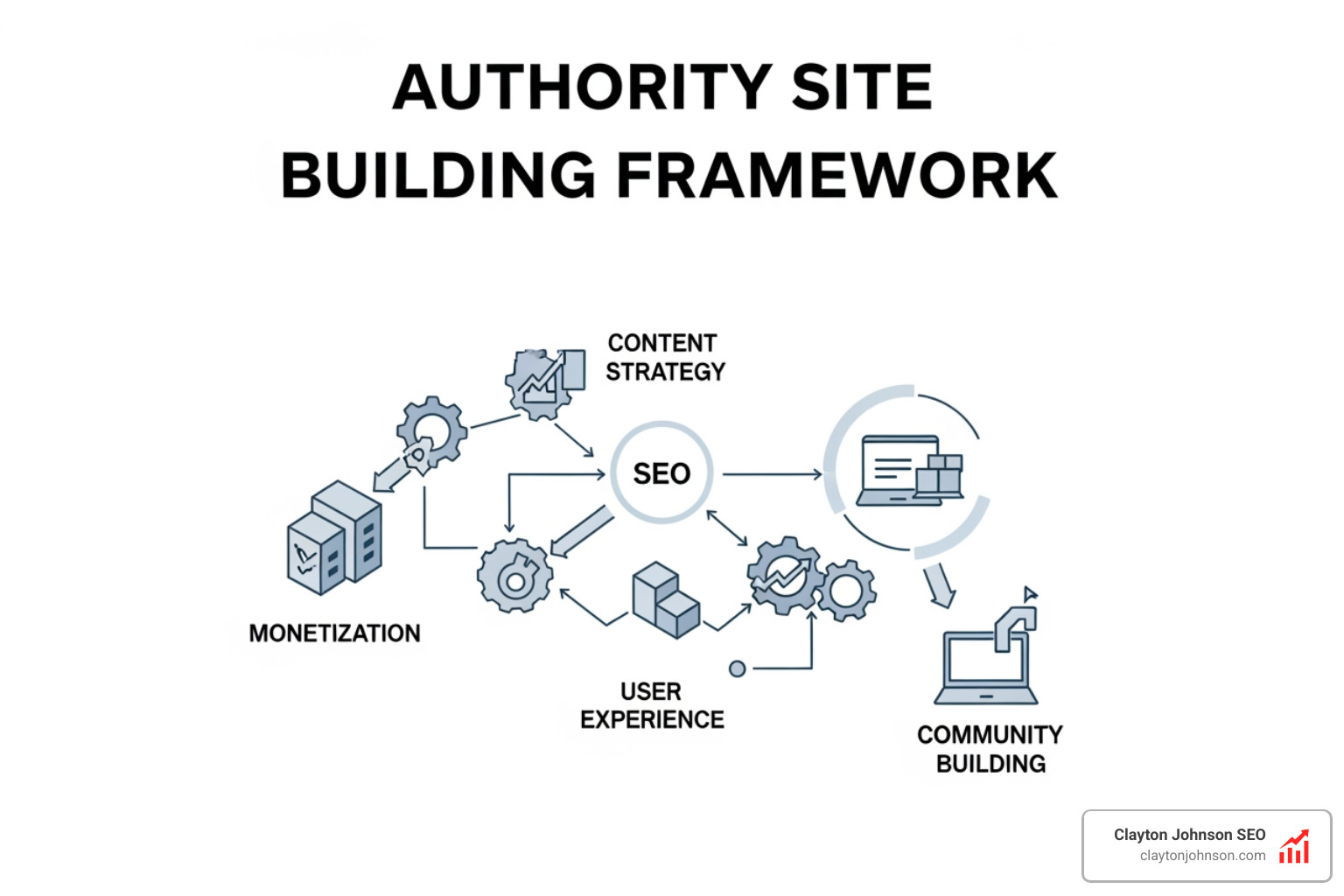
We achieve this through Topic Clusters. A topic cluster consists of a “Pillar Page” (a comprehensive guide on a broad topic) and multiple “Cluster Pages” (articles that dive deep into specific sub-topics).
Mapping the Topical Ecosystem
Before we write a single word, we must map the “thematic matrix.” This involves:
- Keyword Research: Moving beyond volume to find “semantic fields”—groups of related terms that experts use.
- Gap Analysis: Using tools to see what your competitors have covered and where they’ve left “informational holes.”
- Buyer Journey Mapping: Aligning content with “micro-moments” (I want to know, I want to do, I want to buy).
Creating High-Quality Originality Assets
Google’s “Helpful Content System” prioritizes “people-first” content. This means we need to create “Originality Assets.” These aren’t just summaries of what others have said. They are:
- Case studies with unique data.
- Proprietary frameworks or checklists.
- Expert interviews.
- In-depth tutorials based on first-hand experience.
This level of depth doesn’t just help with SEO; it’s a core part of conversion optimization. When a user finds a truly helpful, original resource, their trust in your brand skyrockets, making them much more likely to convert.
Implementing the 7-Step Authority Site Building Framework
To build an organic growth engine that compounds, we follow a rigorous 7-step process. This isn’t a one-time task; it’s a cycle that ensures your site remains an “algorithmic authority.”
Step 1: Diagnosing Your Authority Site Building Framework
We start with an Algorithmic Relevance Diagnosis. We need to see how search engines currently “see” you.
- Indexation Analysis: Are your most important pages actually being indexed and understood?
- Reliability Assessment: Does your site have “trust liabilities” like outdated information or broken links?
- Intertextual Presence: Where else is your brand mentioned on the web?
This diagnosis reveals what is missing or misinterpreted, allowing us to fix the foundation before building upward.
Scaling Content with an Authority Site Building Framework
Once the diagnosis is complete, we move into Strategic Production. This isn’t about a random editorial calendar. It’s about a “Bill of Materials”—a definitive list of content pieces needed to “win” a topic.
We focus on Informational Responsibility. Every piece of content must be accurate, well-structured, and provide semantic depth. We don’t just cover the “what”; we explain the “how” and the “why,” signaling to search engines that we are a comprehensive source of truth.
Leveraging Author Expertise and Strategic Link Ecosystems
Research on backlink quality and authority reveals that the number of linking root domains and the quality of those links are critical determinants of authority. However, in a modern authority site building framework, we also need to signal who is behind the content.
- Author Bios: Every article should have a clear byline.
- Credentials: Include links to the author’s LinkedIn, professional associations, or previous published works.
- Person Schema: Use structured data to tell search engines exactly who the author is and what they are an expert in.
The Connective Tissue: Strategic Internal Linking
Internal links are the “nervous system” of your site. They distribute authority from your high-performing pages to your newer ones. We use a “Connective Tissue” strategy:
- Pillar-to-Cluster: The main guide links to all sub-topics.
- Cluster-to-Pillar: Every sub-topic links back to the main guide.
- Cluster-to-Cluster: Related sub-topics link to each other to help the user (and the crawler) navigate the theme.
Using descriptive anchor text is vital here. Instead of “click here,” use “advanced keyword research framework” to give search engines a clear signal of what the destination page is about.
Earning High-Quality External Validation
While internal links organize your authority, external links validate it. We focus on “Link Earning” over “Link Building.” By creating “citable content”—like original research or unique infographics—you naturally attract backlinks from reputable sites. Digital PR and brand mentions also play a role; being talked about on authoritative industry sites is a massive trust signal for Google’s E-E-A-T algorithms.
Measuring Success and Ensuring Long-Term Sustainability
Traffic is a vanity metric if it doesn’t lead to results. To measure the success of an authority site building framework, we look at “Systemic Signals.”
| Vanity Metric | Authority Signal | Why It Matters |
|---|---|---|
| Total Pageviews | Branded Search Volume | Shows people are searching for you specifically. |
| Keyword Count | Topic Share of Voice | Shows you dominate an entire subject area. |
| Raw Backlink Count | High-Quality Referring Domains | Proves reputable sources trust your content. |
| Social Shares | Assisted Revenue | Ties organic traffic to actual business growth. |

Avoiding Common Authority Pitfalls
Many sites stall because they fall into these traps:
- Thin Content: Publishing short, generic articles that don’t add value.
- Toxic Links: Having a backlink profile full of “spammy” sites.
- Generic Authorship: Using “Admin” or no author at all, which kills trust.
- Fragmented Structure: Having great content that isn’t linked together logically.
Adaptability in an AI-Driven Search Landscape
The digital world is evolving. With AI-generated summaries appearing in search results, your site must be AI-Ready. This means your content should be highly structured, factual, and easy for an LLM (Large Language Model) to parse. Semantic Coherence—staying consistent in your terminology and topics—ensures that when an AI looks for a “source of truth,” it chooses you.
Frequently Asked Questions about Authority Sites
What is the difference between Domain Authority and Topical Authority?
Domain Authority is a general score based on your backlink profile (how many people link to you). Topical Authority is how much Google trusts you as an expert on a specific subject. You can have lower Domain Authority than a giant like Amazon but still outrank them for a niche topic if your Topical Authority is higher.
How long does it take to build a high-authority website?
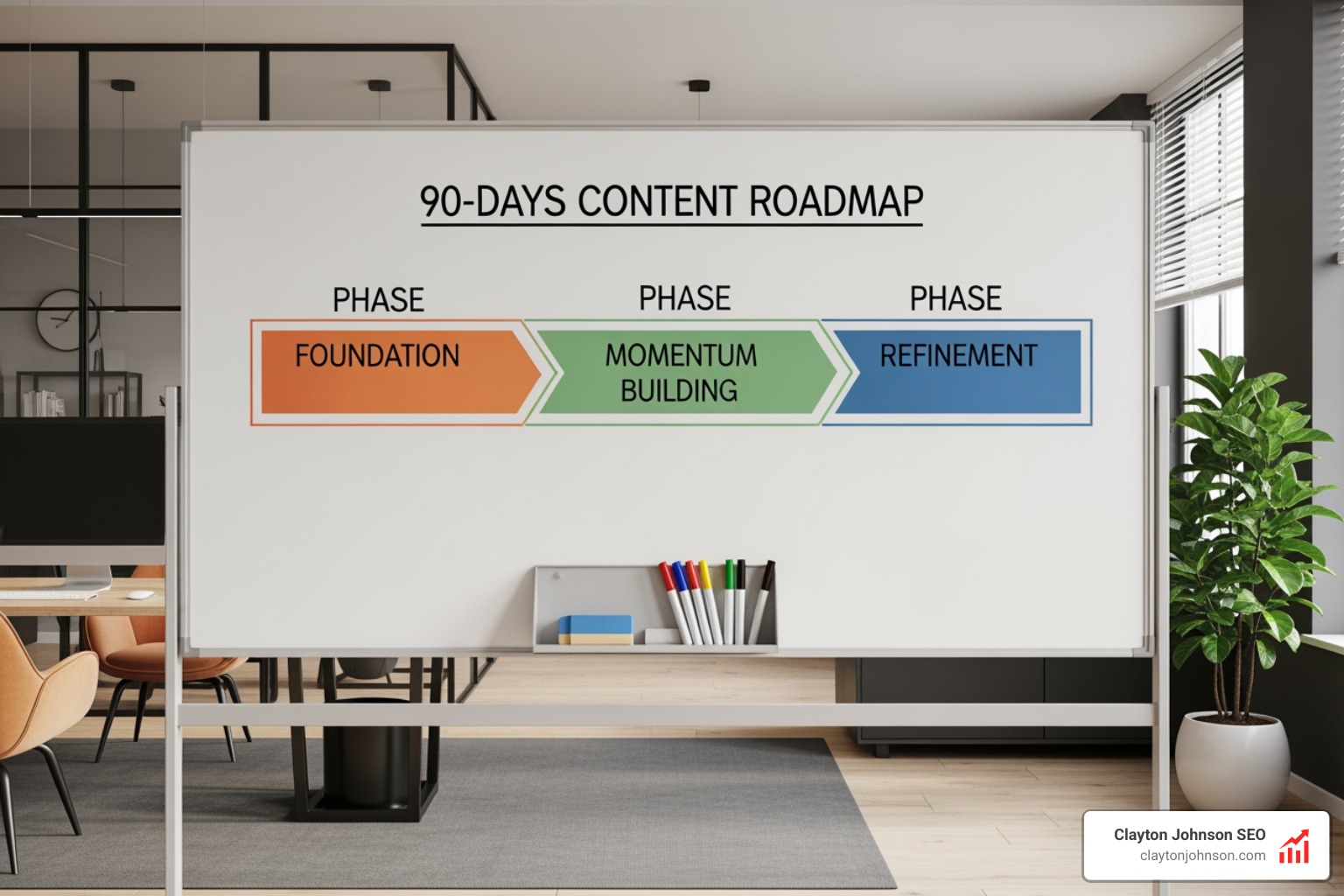
Authority isn’t built overnight. While you can see “impression” growth in the first 30-60 days, building a defensible content moat typically takes 6 to 12 months of consistent, structured effort. We often use a “90-day sprint” to establish the foundation and first major content clusters.
Can a site rank without a high backlink count?
Yes, if your Topical Authority is exceptional. By covering every possible question a user has about a niche and linking those answers together perfectly, you can often outrank sites with more backlinks but less “depth.” However, high-quality backlinks will always accelerate the process.
Conclusion
Building an authority site is no longer about “doing SEO”—it’s about building structured growth architecture. In a world of infinite content, the sites that win are the ones that provide the most clarity, the best structure, and the highest level of trust.
At Clayton Johnson SEO, we specialize in helping founders and marketing leaders move past fragmented tactics. By using the Demandflow system, we implement taxonomy-driven SEO and AI-augmented workflows to create compounding growth engines. We don’t just want you to rank; we want you to own your niche.
If you’re ready to stop chasing keywords and start building a defensible authority ecosystem, work with me to design your structured growth roadmap. Let’s turn your website into the authoritative voice your industry relies on.