Why SEO Automation Matters Now More Than Ever
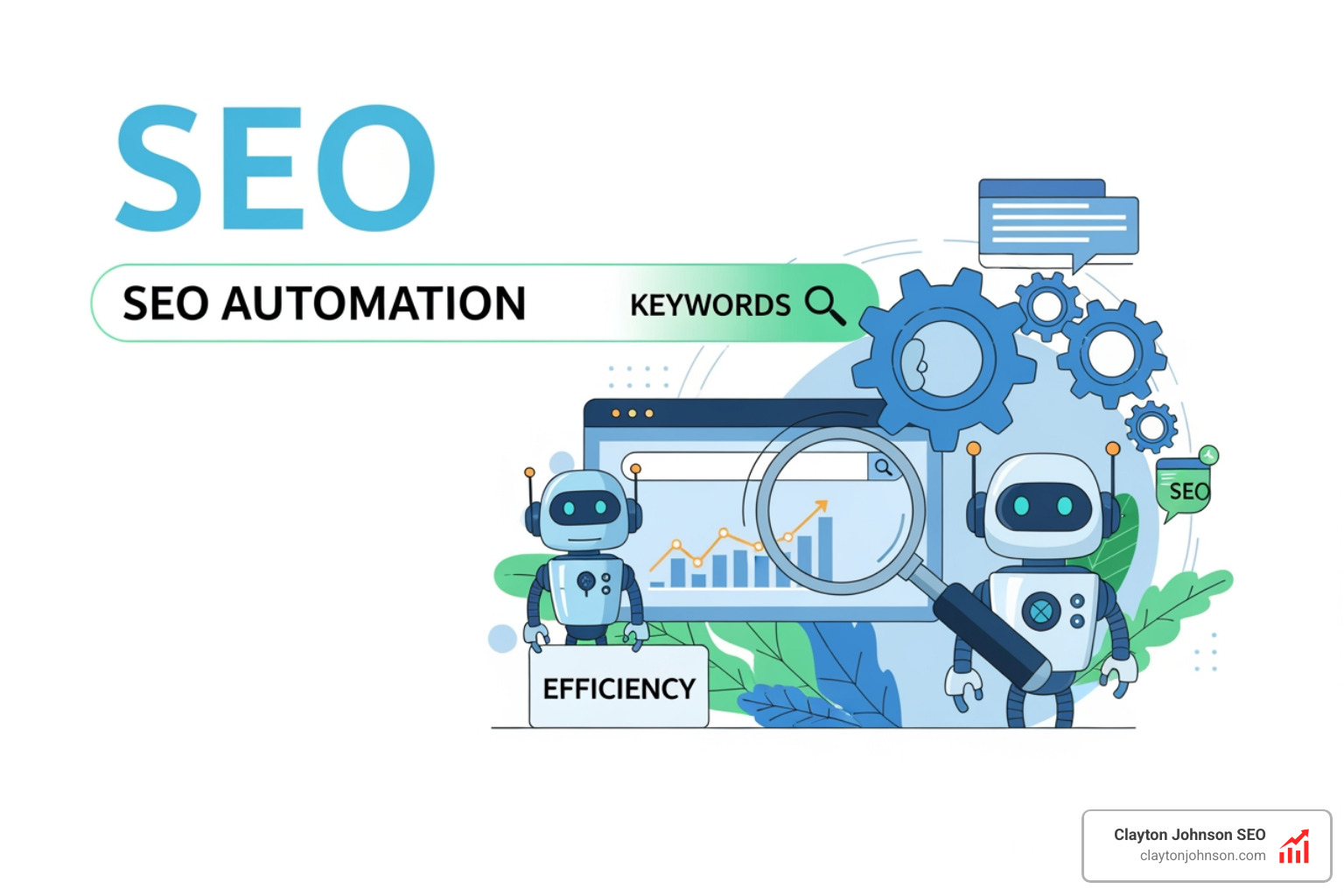
What is SEO automation? SEO automation uses software, scripts, and workflows to handle repetitive search optimization tasks at scale—freeing human experts to focus on strategy, analysis, and creative execution instead of manual grunt work.
Key components of SEO automation:
- Technical monitoring – Automated crawls detect broken links, slow pages, and indexation issues
- Rank tracking – Daily position updates across thousands of keywords without manual checks
- Content optimization – AI-assisted briefs, topic clustering, and semantic analysis
- Reporting – Dashboards that auto-update with traffic, rankings, and conversion data
- Backlink management – Alerts for new links, lost links, and toxic profile changes
SEO has always been repetitive. Keyword research, site audits, rank tracking, backlink monitoring, reporting—these tasks consume hours every week. As search evolves toward AI Overviews, answer engines, and zero-click results, the workload compounds. Organizations adopting generative AI in marketing report 10–20% revenue uplift, yet only 8% have comprehensive governance models in place. The gap between tactical AI use and strategic automation architecture is where most growth efforts stall.
This guide breaks down what works, what doesn’t, and how to build automation systems that compound results instead of creating technical debt. I’m Clayton Johnson, and I’ve spent years engineering scalable SEO systems and AI-augmented workflows that turn fragmented efforts into predictable growth engines—what is SEO automation becomes clear when you see it as infrastructure, not just tooling.
Handy what is seo automation terms:
- AI SEO positioning guide
- AI assisted SEO workflows
- SEO AI workflow automation
What is SEO Automation and How Does it Work?
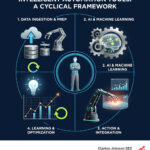
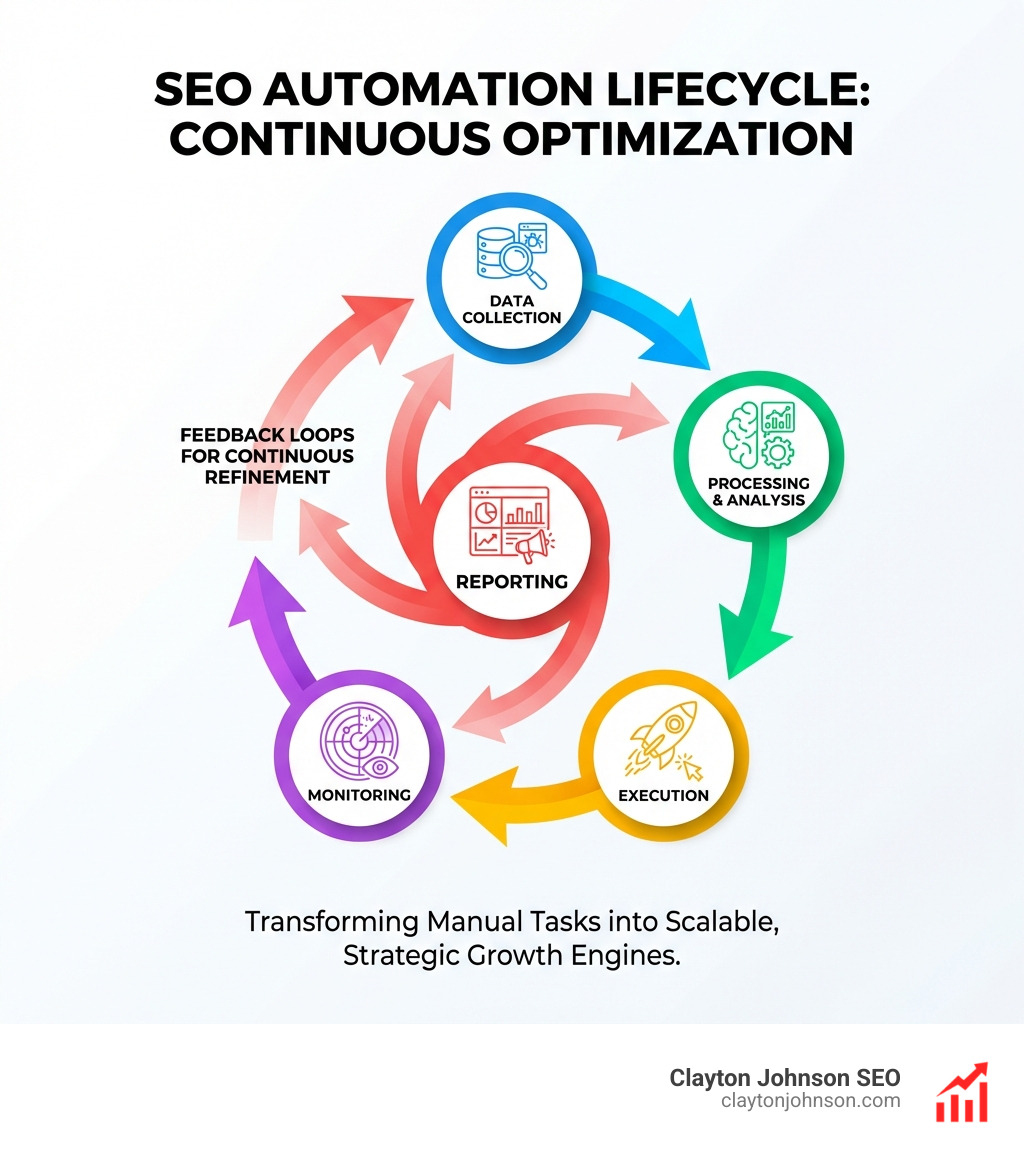
At its core, what is seo automation? It is the process of using technology to perform tasks that would otherwise require manual intervention by an SEO specialist. It works through three main layers: software integration, data processing, and algorithmic triggers.
Imagine you have a website with 10,000 pages. Manually checking every single page for broken links or missing meta descriptions is a “bottomless pit” of work. Automation tools use web crawlers to scan these pages in minutes, identifying issues and funneling them into a dashboard. This isn’t just about speed; it’s about accuracy. However, we must be careful—inaccurate data and analysis can occur if tools are not configured correctly or if they rely on outdated proprietary metrics.
The “how” involves connecting different platforms via APIs. For example, your rank tracker might pull data from Google Search Console, process it through an LLM to identify intent shifts, and then trigger an alert in Slack if a “money keyword” drops out of the top three. By building these AI-driven SEO systems, we move from reactive “firefighting” to a proactive growth architecture.
Core Benefits of Implementing SEO Automation
Why are we so obsessed with automation? Because it transforms SEO from a variable expense into a scalable asset. Here are the primary benefits:
- Scalability: You can manage 50,000 URLs with the same level of oversight as 50.
- Cost Reduction: By automating the “grunt work,” you reduce the need for massive teams of junior analysts. In fact, some systems can replicate the output of expensive agencies for a fraction of the cost.
- Predictive Analytics: Modern tools don’t just tell you what happened; they forecast trends. They can spot “content decay” before your traffic actually drops.
- Error Minimization: Machines don’t get tired. They won’t miss a single 404 error in a sea of 10,000 pages.
To truly understand the impact, let’s look at the Ultimate Guide to AI-Driven SEO Strategy and Systems.
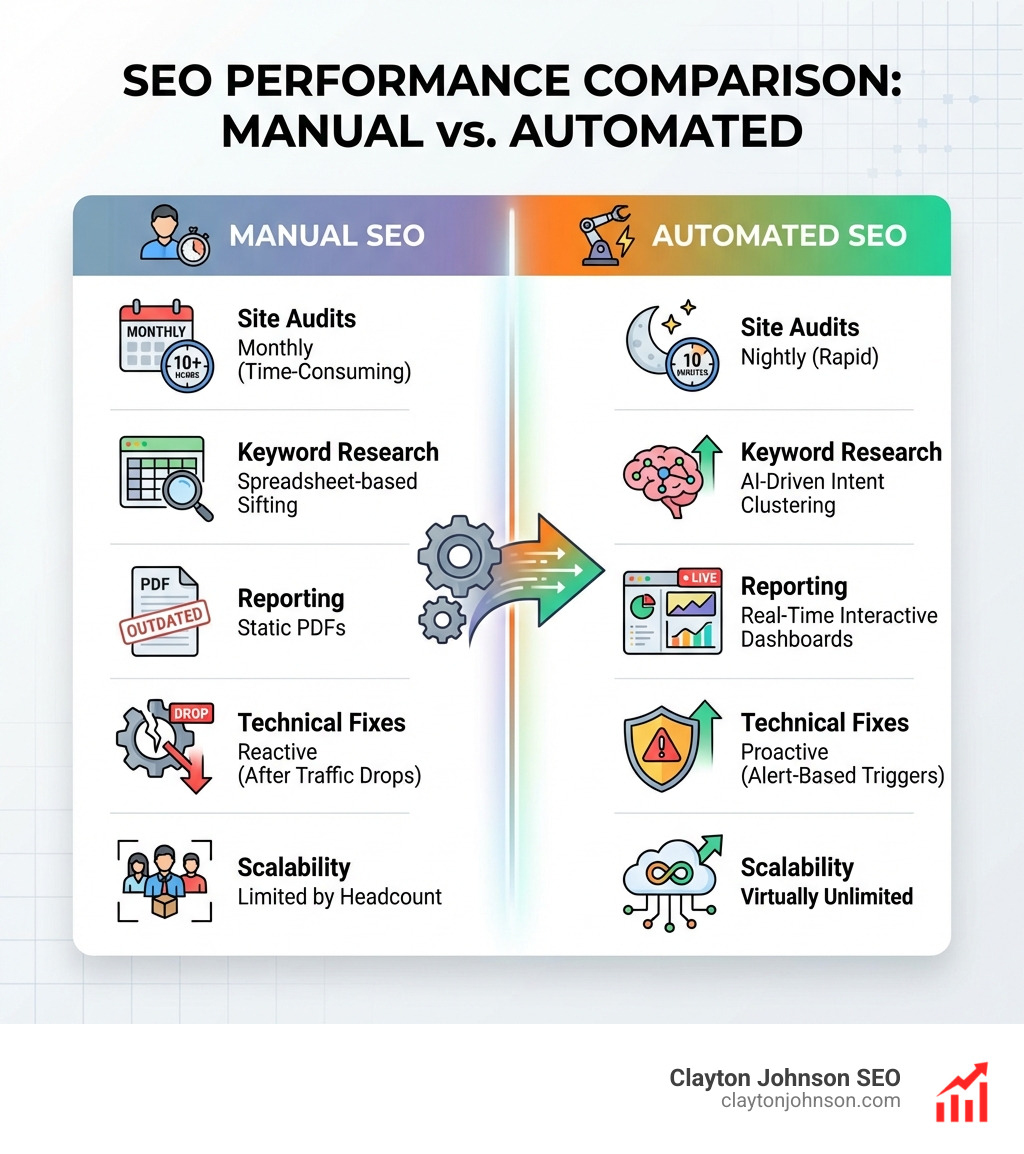
Manual SEO vs. Automated SEO Performance
| Feature | Manual SEO | Automated SEO |
|---|---|---|
| Site Audits | Monthly (takes 10+ hours) | Nightly (takes 10 minutes) |
| Keyword Research | Spreadsheet-based sifting | AI-driven intent clustering |
| Reporting | Static PDFs (often outdated) | Real-time interactive dashboards |
| Technical Fixes | Reactive (after traffic drops) | Proactive (alert-based triggers) |
| Scalability | Limited by headcount | Virtually unlimited |
Key Tasks to Streamline with SEO Automation
Not every SEO task should be automated (we’ll get to that later), but the “low-level” repetitive tasks are prime candidates. By streamlining these, we free up our brains for high-level strategy and competitive positioning.
Automating Technical Audits and Site Monitoring
Technical SEO is the foundation of your search presence. If Google can’t crawl your site, nothing else matters. We use AI-driven SEO audits to monitor:
- Broken Links and 404 Errors: Catch them before they leak link equity.
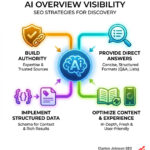
- Schema Validation: Ensure your structured data is perfect so you win those featured snippets.
- Core Web Vitals: Monitor page speed and stability across every device.
Tools like Screaming Frog allow us to schedule recurring crawls, so we are always updated on the site’s health. You can even set up automated technical SEO monitoring to send a Jira ticket directly to your dev team the second a critical error is detected.
Scaling Content Strategy with SEO Automation
Content is where most businesses struggle to scale. What is seo automation in the context of content? It’s not about clicking “generate” on a soulless AI article. It’s about scaling content strategy through:
- Automated Content Briefs: Pulling competitor headers, word counts, and “People Also Ask” questions instantly.
- Topic Clustering: Grouping thousands of keywords into semantic “hubs” to build topical authority.
- Semantic Analysis: Checking if your draft covers all the “entities” Google expects for a given topic.
By using SEO content marketing systems, we’ve seen teams cut manual content tasks by 30% and halve their time-to-publish.
Data-Driven Reporting and Keyword Analysis
If you’re still manually copy-pasting numbers into a slide deck, you’re living in the past. We use Looker Studio and the Search Console API to build living, breathing dashboards.
These reports don’t just show “green arrows.” They provide business context. For instance, we can automate keyword optimization by tracking CTR anomalies. If a page ranks #1 but has a low click-through rate, the system alerts us to test a new meta title. This is the lazy marketer’s guide to reporting—work smarter, not harder.
Essential Tools for Your Automation Stack
Your “stack” is your growth engine. The best stack isn’t the one with the most tools; it’s the one that integrates seamlessly.
We often recommend a “best-of-breed” approach:
- Core Intelligence: Semrush for competitive gaps and client dashboards.
- Technical Heavy Lifting: Screaming Frog for deep site crawls.
- Content Optimization: Clearscope or Surfer SEO for semantic grading.
- Workflow Orchestration: n8n or Zapier to connect the dots.
Choosing the right platform is critical. Are you a small business or an enterprise? Which AI SEO platform is your perfect match?
Leveraging AI for Modern SEO Automation
We are entering the era of Agentic AI. This goes beyond ChatGPT. Modern AI optimization for SEO involves “agents” that can perform multi-step workflows. For example, an agent can:
- Detect a ranking drop.
- Crawl the competitor who took your spot.
- Analyze their content for new subtopics.
- Draft a “refresh” plan for your page.
- Email the content manager for approval.
Specialized Software for Programmatic Growth
For businesses like marketplaces or directories, manual SEO is impossible. This is where programmatic SEO comes in. By using automation solutions and integrations, we can build thousands of high-quality, data-driven pages that target long-tail keywords. Think of how companies like Zapier create a page for every possible app integration—that is structured growth architecture in action.
Limitations and Human Oversight in Automated Workflows
While we love automation, we aren’t “set and forget” zealots. Automation multiplies both good and bad outcomes. If you automate a broken process, you just fail faster.
One major hurdle is that it can also be costly. Premium tools require a significant budget and, more importantly, the technical expertise to manage them. Furthermore, machines lack human creativity and E-E-A-T compliance. An AI can tell you what keywords to use, but it can’t share a unique, brand-aligned story or provide the “Experience” that Google’s quality raters look for.
The truth about AI SEO is that it requires a “Human-in-the-Loop.” We use automation for the processing and humans for the positioning.
Frequently Asked Questions about SEO Automation
Can SEO automation replace human SEO experts?
No. It changes their role. Instead of being “doers” who spend 10 hours a week on spreadsheets, experts become “strategists” who manage the tools and interpret the data. You still need a human to navigate brand voice, handle complex PR, and make high-level strategic judgments that a machine simply can’t grasp.
Is SEO automation suitable for small businesses?
Absolutely. In fact, small businesses need it more because they have fewer resources. By using affordable tools for rank tracking and basic audits, a small team can achieve “competitive parity” with much larger enterprises. Start with one or two tools that solve your biggest pain points.
How do I get started with implementing SEO automation?
- Task Audit: Identify the tasks that take the most time but require the least amount of “creative soul.”
- Tool Selection: Choose one platform (like Semrush) that handles multiple tasks.
- Pilot Testing: Automate one workflow—like weekly site audits—and see how much time you save.
- Feedback Loops: Regularly review the automated data to ensure it remains accurate.
Conclusion
The transition to an automated workflow is likely the most important strategic SEO decision you will make this year. When 354 million users google something per hour, you cannot afford to be slow.
At Clayton Johnson SEO, we build more than just content; we build structured growth architecture through Demandflow.ai. We believe that clarity leads to structure, which leads to leverage, and ultimately, compounding growth. Don’t do “robot work.” Let the robots do that, while you focus on building a brand that wins.
Ready to scale your search presence without adding headcount? Let’s talk about AI SEO and how we can engineer your success.