What Is Multi-Agents.com and Why It Matters for Your Business
Multi-agents.com is a managed AI agent hosting platform that lets businesses deploy always-on AI agents — without Docker, server setup, or DevOps knowledge.
Here is a quick overview of what you need to know:
| Topic | Quick Answer |
|---|---|
| What it is | A managed cloud hosting platform for AI agents |
| Who it’s for | Businesses and developers running autonomous AI workflows |
| Supported agents | Hermes, Paperclip, OpenClaw |
| Key benefit | 24/7 uptime on private VPS, no technical setup required |
| Starting price | $59/month (Agent Launch plan) |
| Uptime guarantee | 99.9% |
But multi-agents.com sits inside a much bigger story.
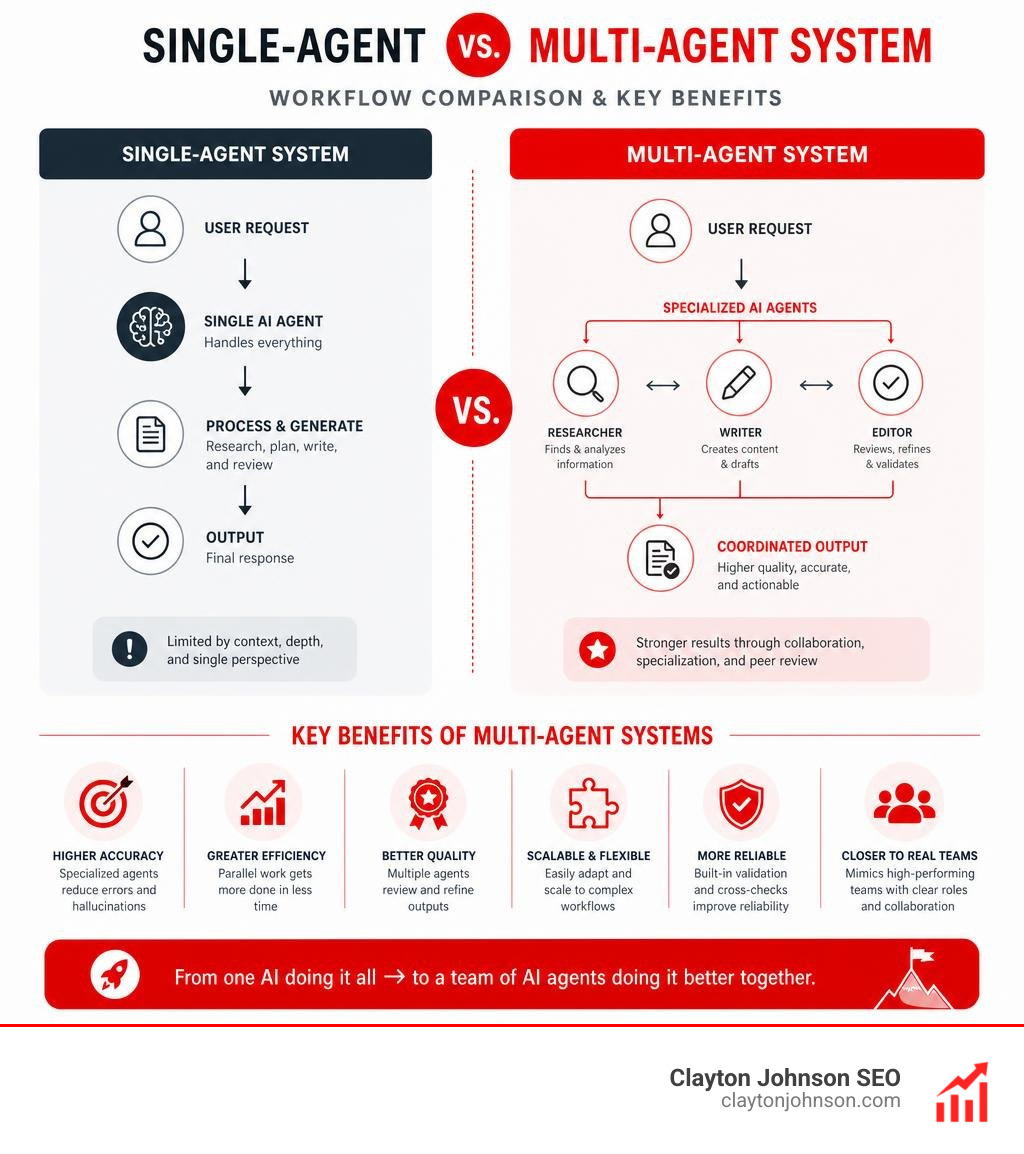
Multi-agent systems (MAS) are rapidly becoming the backbone of modern business automation. Instead of relying on one AI to do everything, MAS uses a team of specialized agents that communicate, divide work, and check each other’s outputs. Think of it like a high-performing project team — a researcher, a writer, and an editor — each focused on what they do best.
The business results are already measurable. Companies using multi-agent platforms have reported generating $7M in sales pipeline, saving 40 hours per week, and booking 3x more meetings — all through coordinated AI workflows.
This is not a future trend. It is happening right now, in July 2026, across industries from software engineering to healthcare to supply chain management.
I’m Clayton Johnson, an SEO strategist and digital marketing expert who works extensively at the intersection of AI systems and business growth — including evaluating platforms like multi-agents.com for how they fit into a company’s broader digital infrastructure. In my work helping businesses build smarter online systems, understanding how AI agent platforms operate has become essential to the strategies I develop.
What is a Multi-Agent System (MAS) vs. Single-Agent AI?
To understand why platforms like multi-agents.com are gaining rapid traction, we first need to look at the massive shift occurring in the artificial intelligence landscape. For a long time, businesses relied on single-agent AI systems. A single-agent system works in isolation. It takes a prompt, processes it using a Large Language Model (LLM), and returns an output.
While single-agent setups are excellent for straightforward, well-defined tasks — like writing a single email, summarizing a short document, or answering a basic customer query — they break down when faced with complex, multi-step workflows. They struggle with multi-disciplinary tasks because a single LLM model has to act as the planner, researcher, writer, and editor all at once, which often leads to context dilution, errors, and hallucinations.
A multi-agent system (MAS), on the other hand, consists of multiple autonomous, interacting computational entities (agents) situated within a shared environment. Instead of treating other AI entities merely as static environmental stimuli, agents in an MAS actively model each other’s goals, memory, and plans of action to cooperate, negotiate, or even compete to achieve complex goals.
For a deeper dive into how these individual units are defined, you can read the Introduction to Agents | Multi Docs, which explains how modern agentic systems construct workflows.
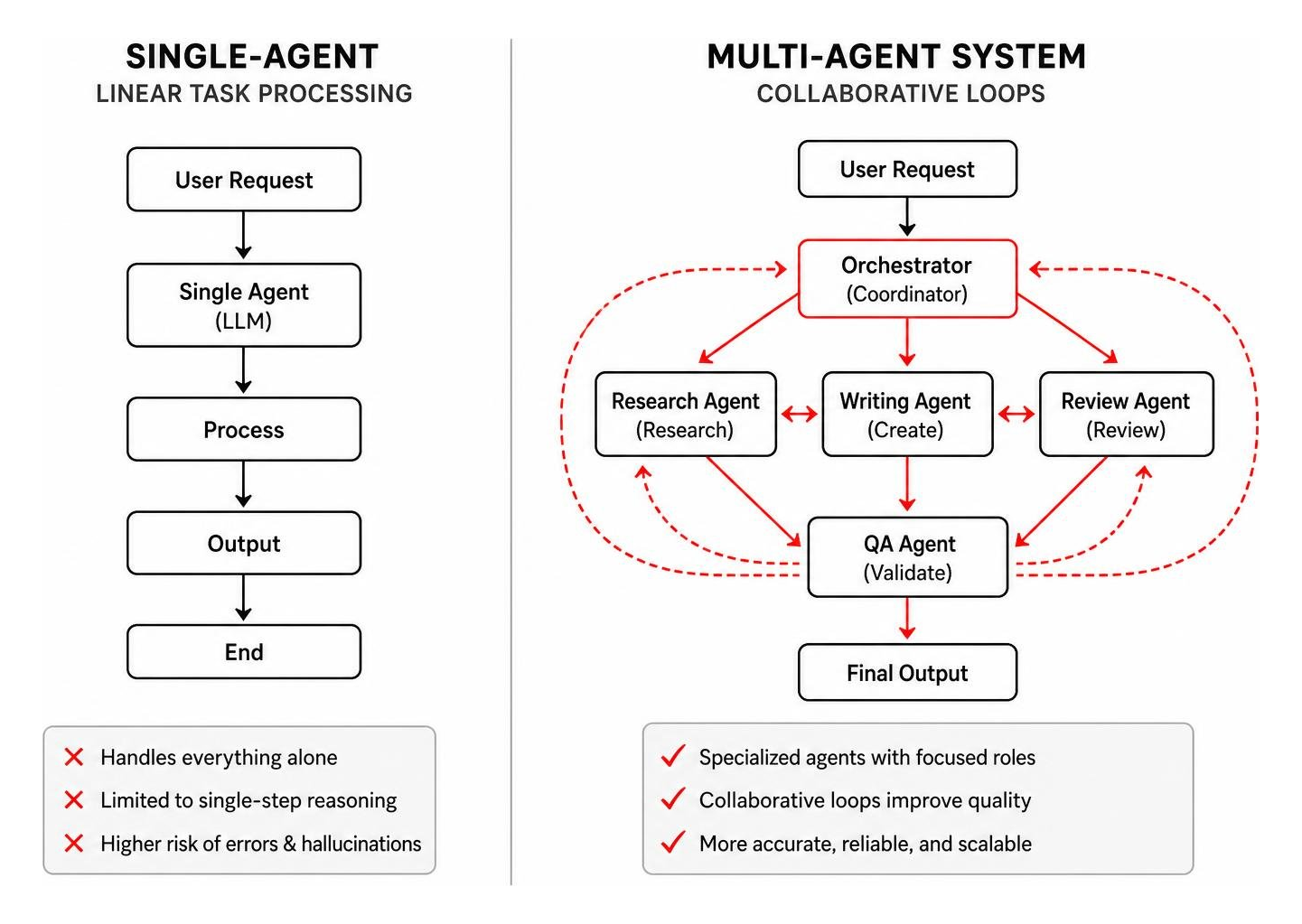
By dividing a massive task among specialized agents, each agent can focus on a singular role. This specialization allows the underlying LLM to “punch above its weight,” delivering higher-quality results with fewer errors.
Core Components and Architectures of Multi-Agent Systems
Every robust multi-agent system relies on a few fundamental components to function correctly:
- Agents: The individual software units powered by an LLM “brain” that perceive their environment, make decisions, and execute actions.
- Environment: The shared digital space where agents operate. This includes the databases, APIs, files, and communication channels they can access.
- Communication Protocols: The structured rules and languages that allow agents to talk to one another, share context, and pass tasks back and forth.
When designing these systems, developers typically choose between two primary network architectures, as detailed in AI Multi-Agent: Architectures, Applications, and Emerging Standards:
- Centralized Networks: In this setup, a central controller or “supervisor agent” coordinates all activities. The supervisor receives the main goal, breaks it down into subtasks, spawns specialized subagents, and aggregates their outputs. While this is easier to orchestrate, the central controller represents a single point of failure and can become a bottleneck.
- Decentralized Networks: Here, agents operate autonomously and communicate locally with neighboring agents without a central coordinator. This structure is highly robust and modular, but it introduces significant coordination complexity, as agents must negotiate with each other to resolve conflicting goals.
How Agents Communicate and Coordinate
For agents to collaborate effectively, they cannot operate in silos. They need standardized ways to speak to one another and to external tools.
Historically, academic multi-agent research relied on frameworks like KQML (Knowledge Query and Manipulation Language) and FIPA ACL (Foundation for Intelligent Physical Agents Agent Communication Language) based on human speech acts. Today, modern generative AI frameworks are adopting new, highly efficient standards:
- Model Context Protocol (MCP): An open standard designed to handle secure, standardized communication between AI agents and external tools or databases.
- Agent-to-Agent (A2A) Protocol: An open standard originally developed by Google DeepMind to act as a universal translator between different AI agent frameworks, allowing agents built on entirely different systems to delegate tasks and share context seamlessly.
In addition to these protocols, modern MAS platforms implement agent-to-agent feedback loops. Instead of immediately returning an output to a human, a “writer agent” might pass its draft to an “editor agent.” The editor reviews the work, provides constructive feedback, and sends it back for revision. This automated peer-review process significantly boosts quality control before the final output ever reaches a human supervisor.
Popular Frameworks and Managed AI Agent Hosting on multi-agents.com
When building multi-agent systems, developers have access to several powerful open-source orchestration frameworks. Each framework has its own philosophy for managing agent communication and state.
| Framework | Orchestration Style | Best Used For | Key Strength |
|---|---|---|---|
| AutoGen | Conversational / Event-Driven | Multi-agent chats, joint problem solving | Highly flexible, supports complex conversational patterns |
| CrewAI | Role-Based / Sequential | Structured business processes, GTM workflows | Easy to define clear roles (e.g., researcher, writer) |
| LangGraph | Graph-Based / Stateful | Cyclical, complex, and self-correcting workflows | Native support for loops and state management |
While these frameworks make it easier to write multi-agent code, deploying and running them in production introduces a completely different set of challenges. This is where multi-agents.com steps in.
Why Choose multi-agents.com for Managed Hosting?
To keep autonomous workflows running smoothly, AI agents must be “always-on.” Traditional hosting requires setting up complex Docker environments, managing secure Virtual Private Servers (VPS), configuring enterprise-grade firewalls, and handling continuous DevOps monitoring. For many businesses and developers, this infrastructure overhead is a major roadblock.
The Managed AI Agent Hosting | MULTI-AGENTS platform solves this by offering managed cloud hosting specifically built for AI agents.
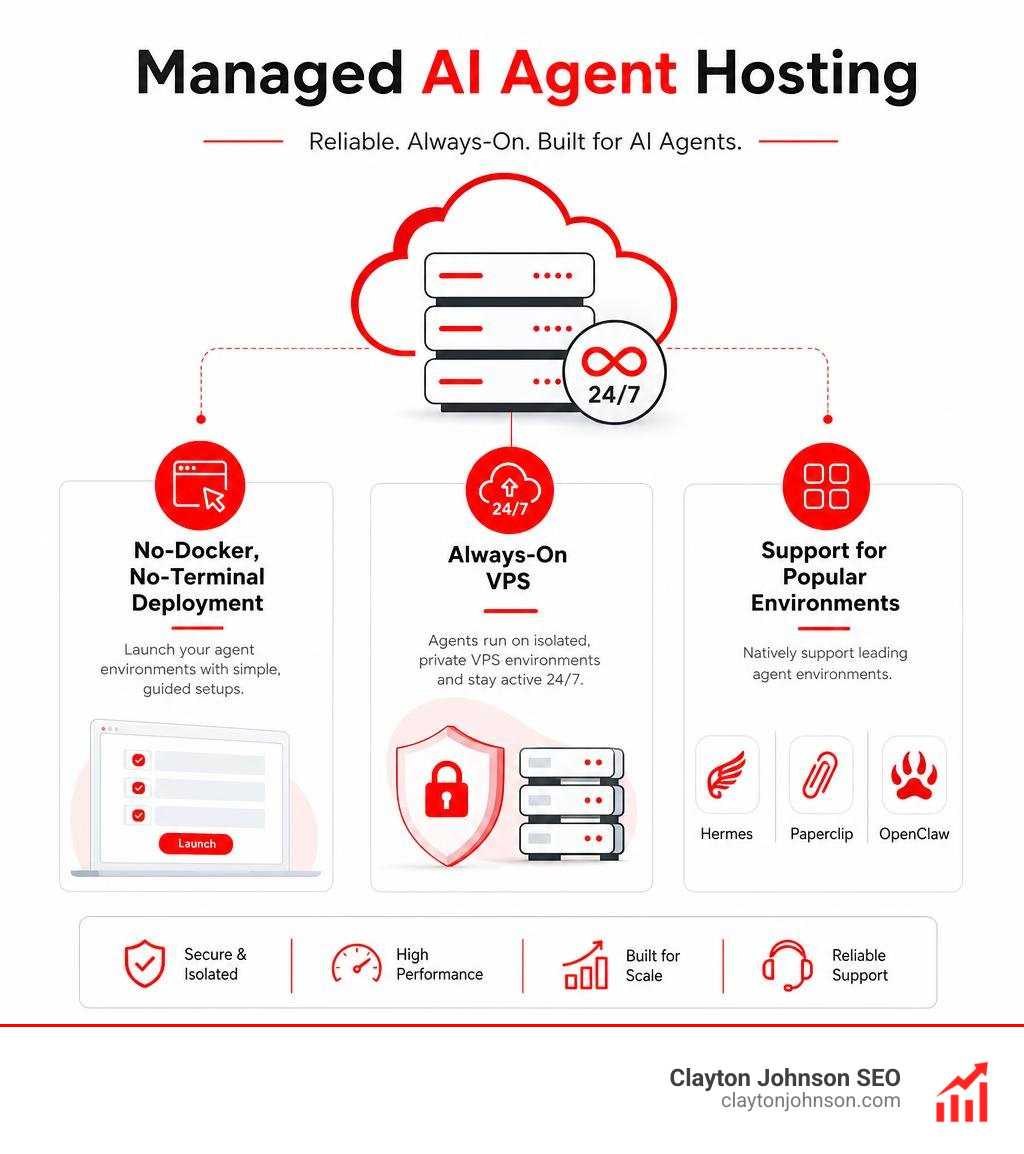
Key advantages of using multi-agents.com include:
- No-Docker, No-Terminal Deployment: You can launch your agent environments with simple, guided setups without writing complex server configuration scripts.
- Always-On VPS: Agents run on isolated, private VPS environments, ensuring they remain active 24/7 to process background tasks, monitor pipelines, or respond to customer inquiries.
- Support for Popular Environments: The platform natively supports leading agent environments, including Hermes, Paperclip, and OpenClaw.
- Multi-Platform Integration: Hosted agents can connect directly to your communication channels, such as Slack, Discord, Telegram, and WhatsApp, allowing users to interact with their agent teams natively.
The platform offers scalable hosting tiers tailored to different workloads, starting with the Agent Launch plan ($59/month for 4 GB RAM, 2 vCPU) up to the Agent Command plan ($299/month for 32 GB RAM, 8 vCPU) for complex multi-agent swarms.
Key Resources and Documentation on multi-agents.com
Getting started with managed hosting is made easier by the extensive guides available in the Resources – Multi-Agents.com section. These resources provide developers and business leaders with step-by-step tutorials, architecture blueprints, and integration guides.
Whether you are trying to connect an autonomous customer support agent to your CRM or deploy a background research swarm, the documentation helps bridge the gap between writing local code and running secure, scalable, cloud-hosted AI systems.
Key Benefits, Challenges, and Real-World Use Cases of MAS
Deploying a collaborative AI workforce offers incredible leverage, but it also comes with unique engineering tradeoffs that organizations must carefully balance.
The Benefits
- Unprecedented Scalability: You can scale your operations simply by adding more specialized agents to your workforce, much like adding blocks to a LEGO structure.
- Domain Specialization: Instead of training a single massive model on everything, you can ground individual agents in specific databases and tools, improving accuracy.
- Robustness: If one agent in a decentralized network malfunctions, other agents can adapt, reroute tasks, or restart the failed process, preventing system-wide crashes.
The Challenges
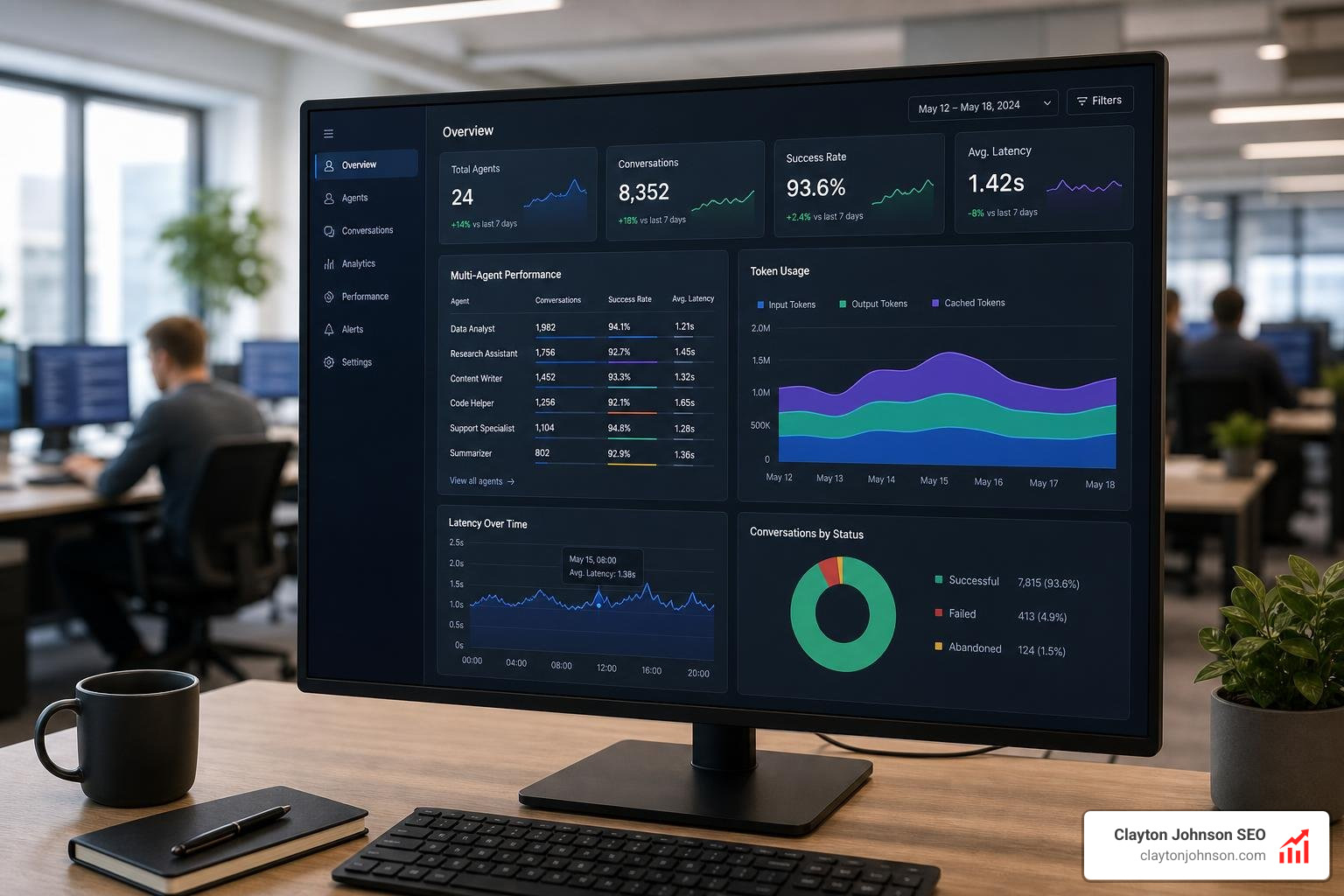
- Token Overhead and Cost: Because agents continuously communicate, share context, and peer-review each other, they consume a high volume of API tokens. Running unoptimized multi-agent loops can quickly become expensive.
- Latency: Coordinated reasoning takes time. If speed is your primary goal, a single-agent or simple heuristic script is often faster than waiting for a multi-agent debate to conclude.
- Unpredictable Emergent Behavior: When multiple autonomous entities interact, they can sometimes fall into infinite communication loops or pass incorrect assumptions back and forth, requiring robust logging and evaluation tools to debug.
Despite these challenges, forward-thinking enterprises are achieving remarkable returns on investment. For example, by integrating collaborative agents:
- SafetyCulture achieved a 3x increase in meetings booked.
- Qualified generated $7M in sales pipeline.
- Send Payments saved 40 hours of manual work weekly.
To explore how companies are managing and launching these workflows, platforms like Multiagents offer centralized dashboards to monitor vertical AI agents across pre-sales, support, scheduling, and finance.
Software Engineering and DevOps Use Cases
In software development, multi-agent systems are driving massive efficiency gains. Instead of a developer manually reviewing code, running tests, and fixing bugs, a supervisor-subagent architecture can automate the entire cycle.
For instance, when a bug ticket is filed:
- A Triage Agent analyzes the error log and identifies the problematic files.
- A Developer Agent writes the code fix.
- A Testing Agent automatically runs unit tests to verify the fix doesn’t break existing features.
- A Reviewer Agent audits the code change for security vulnerabilities before proposing a final pull request.
The academic and open-source community is highly focused on these workflows. In fact, the popular GitHub repository awesome-multi-agent-papers has amassed over 1,633 stars and 157 forks, showcasing the intense research interest in optimizing agentic software engineering.
Supply Chain, Healthcare, and Enterprise Workflows
Beyond software, multi-agent orchestration is transforming traditional, logistically complex industries:
- Supply Chain & Logistics: Virtual agents representing suppliers, manufacturers, distributors, and retailers can negotiate in real-time. If a shipping delay occurs, the distributor agent can automatically negotiate alternative shipping routes or adjust production schedules with the manufacturer agent.
- Healthcare and Clinical Simulation: Researchers are using environments like “Agent Hospital” to simulate how virtual doctors interact with virtual patients. This allows medical institutions to test diagnostic protocols and epidemic spreads safely in a simulated environment.
- Hyper-Local Services and Insurance: In customer-facing service sectors, specialized agents handle complex onboarding and quoting processes. For example, an independent agency like MIS Insurance Agency, which is headquartered in Texas and serves the Houston and Dallas areas, must navigate policies across multiple carriers. Multi-agent systems can automate this by deploying one agent to retrieve client details, another to query carrier APIs, and a third to compare policy exclusions, finding the best coverage option in seconds.
Emerging Trends and the Future of Multi-Agent AI
The multi-agent landscape is evolving rapidly. As we look toward the future, several pioneering trends are beginning to take shape:
- Agent Lifespan Engineering: Deployed agents can degrade, drift, or accumulate “memory clutter” over long periods. Developers are building frameworks to manage how long-running agents age, update their knowledge bases, and gracefully retire.
- Agent Operating Systems (AOS): Just as an operating system coordinates hardware resources for software applications, an AOS manages LLM context windows, API call limits, and token budgets across hundreds of active agents.
- Zero Supervision Design: The shift toward systems that can dynamically construct their own agent teams, assign roles, and write their own communication protocols to solve a user’s goal without any human intervention.
- Swarm Robotics: In the physical world, coordinating hundreds of autonomous drones or warehouse robots using decentralized, nature-inspired heuristics (like flocking and swarming) to optimize traffic and complete tasks collectively.
Frequently Asked Questions about Multi-Agent Systems
What is the primary benefit of using multi-agents.com for hosting?
The primary benefit of multi-agents.com is that it provides a fully managed, always-on private VPS hosting environment for your AI agents. It eliminates the need for complex Docker setups, terminal commands, or ongoing DevOps server management, allowing you to deploy agents like Hermes, Paperclip, or OpenClaw in a secure environment with a 99.9% uptime guarantee.
How do multi-agent systems differ from single-agent setups?
Single-agent setups work independently and treat other systems as static stimuli, which often limits them to simpler, linear tasks. Multi-agent systems feature multiple specialized agents that actively model each other’s goals and collaborate through structured communication, enabling them to execute complex, multi-step workflows and perform automated quality control.
What frameworks are supported by multi-agents.com?
Multi-agents.com supports popular, always-on agent environments such as Hermes, Paperclip, and OpenClaw. It provides the underlying managed VPS infrastructure required to run custom agentic workloads and connect them to communication platforms like Slack, Discord, and WhatsApp.
Conclusion
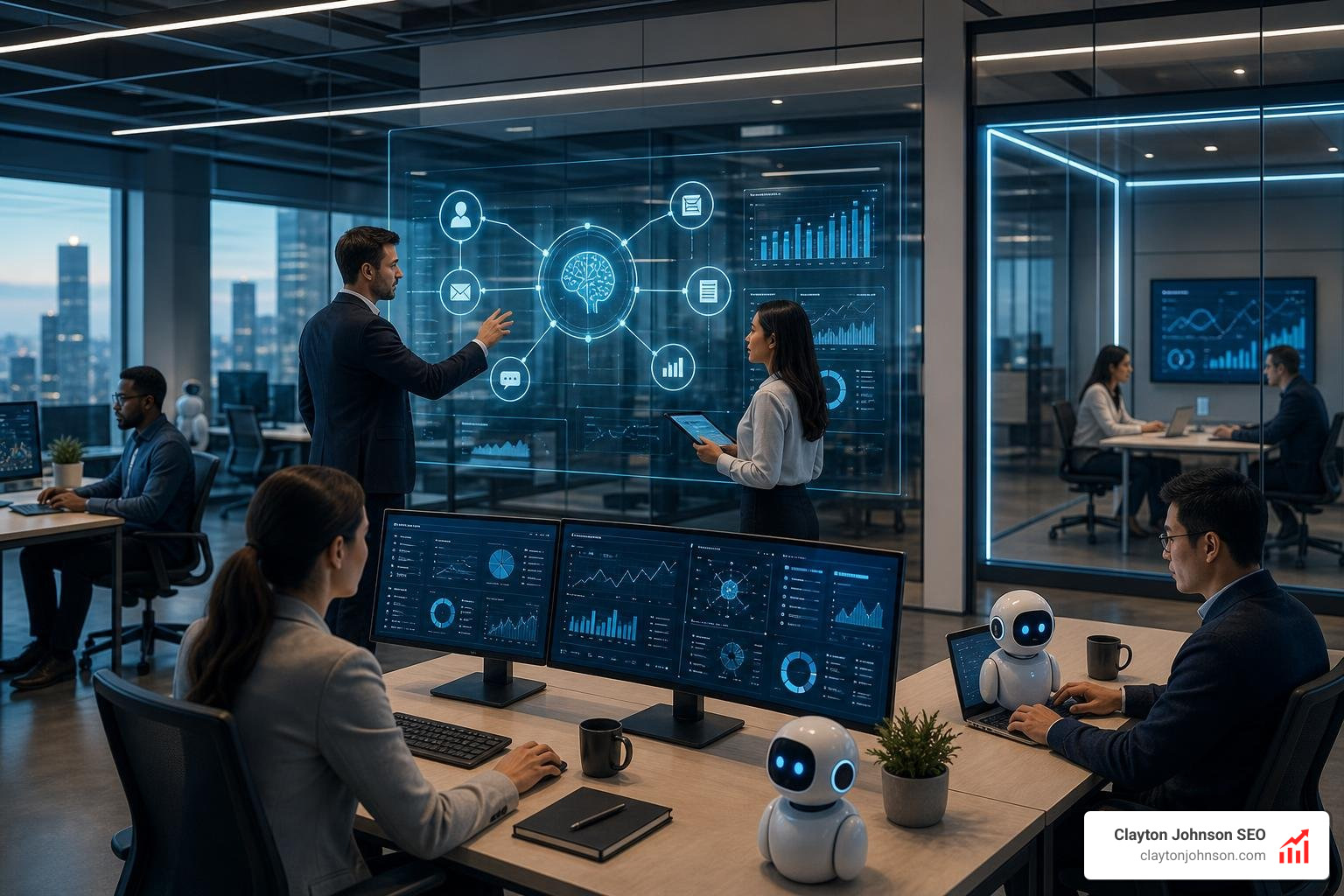
Multi-agent systems represent a fundamental shift in how we approach business automation and artificial intelligence. By moving away from isolated, single-agent chatbots and embracing coordinated, specialized AI teams, enterprises can automate complete workflows, reduce operational bottlenecks, and drive measurable bottom-line growth.
Whether you are looking to host always-on agents using multi-agents.com or integrate advanced orchestration frameworks into your existing business systems, the key to success lies in starting with a clear, high-impact workflow, establishing strong data privacy boundaries, and maintaining human-in-the-loop checkpoints.
At Clayton Johnson SEO, we help businesses navigate this rapidly evolving digital landscape. From mapping out target audiences to aligning your content strategy with modern AI search behaviors, we provide the strategic insights needed to grow your online footprint. To learn more about how we can help you integrate advanced technologies into your marketing and business workflows, explore our Clayton Johnson Artificial Intelligence Services.