24) Blue Ocean Strategy
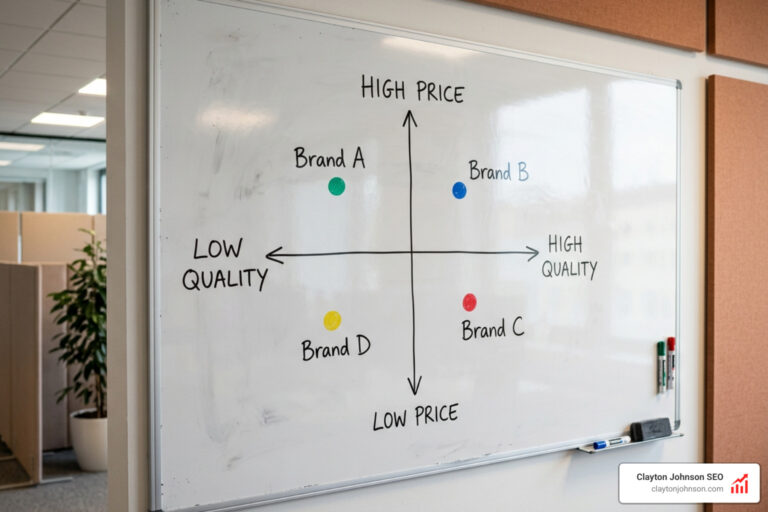
- What it is: Create uncontested space via value innovation (ERRC: eliminate/reduce/raise/create).
- Best for: Escaping price wars; reframing category value.
- How to run: Strategy canvas → ERRC grid → test new curve with customers.
- Outputs: New value curve; differentiated offer.
- Watch-outs: Novelty without demand.
- Pro tips: Validate a WTP wedge + adoption path.
- Best paired with: Category Design; JTBD.
- Common misuses: “Blue ocean” as brand slogan; ignoring channels.
25) Ansoff Matrix
- What it is: Growth paths: penetration, product dev, market dev, diversification.
- Best for: Growth planning + risk calibration.
- How to run: List options per quadrant → estimate risk/return → sequence.
- Outputs: Growth portfolio and timeline.
- Watch-outs: Underestimating capability gaps.
- Pro tips: Attach required capabilities + leading indicators.
- Best paired with: Three Horizons; Roadmapping.
- Common misuses: Jumping to diversification; treating quadrants as equal effort.
26) Delta Model
- What it is: Strategy options: Best Product, Total Customer Solutions, System Lock-in.
- Best for: Platforms and customer-bonding strategies.
- How to run: Diagnose current posture → select target → build reinforcing activities.
- Outputs: Strategic posture + initiative set.
- Watch-outs: Pursuing lock-in without real network value.
- Pro tips: Define ethical switching costs (workflow, integrations, data portability choices).
- Best paired with: Network Effects; Ecosystem Strategy.
- Common misuses: Lock-in via contracts only; ignoring customer success.
27) Category Design
- What it is: Create/reshape a category and become its default leader via narrative + standards.
- Best for: Differentiation beyond features; thought leadership.
- How to run: Define new problem → name category → POV → evangelize + ecosystem.
- Outputs: Category story, positioning, partner map.
- Watch-outs: Story ahead of product truth.
- Pro tips: Anchor category in a new metric customers adopt.
- Best paired with: Blue Ocean; Positioning/VPC.
- Common misuses: Rebranding as category creation; no category “enemy.”
28) Porter’s Generic Strategies
- What it is: Advantage via cost leadership, differentiation, or focus.
- Best for: Clarifying tradeoffs; preventing “stuck in middle.”
- How to run: Choose primary posture → align activities/cost structure/brand.
- Outputs: Clear competitive posture.
- Watch-outs: “Differentiation” without unique activities.
- Pro tips: Map the activity system that sustains the choice.
- Best paired with: VRIO; Five Forces.
- Common misuses: Trying to do all three; ignoring fit across activities.
29) Three Horizons of Growth
- What it is: H1 core, H2 emerging, H3 future options managed concurrently.
- Best for: Innovation portfolio balance.
- How to run: Classify initiatives → allocate resources → metrics by horizon.
- Outputs: Portfolio roadmap; governance.
- Watch-outs: H3 starved; H2 zombies.
- Pro tips: H1 profit KPIs, H2 traction KPIs, H3 learning KPIs.
- Best paired with: Scenario Planning; Ansoff.
- Common misuses: Treating horizons as time only; funding H2/H3 like H1.
30) Network Effects Analysis
- What it is: Value increases with participants (direct/indirect/data network effects).
- Best for: Platforms, marketplaces, communities.
- How to run: Map sides → define interaction unit → measure density/liquidity/retention.
- Outputs: Growth loops; defensibility assessment.
- Watch-outs: Confusing scale with network effects.
- Pro tips: Track match rate, time-to-match, and multi-tenant behavior.
- Best paired with: Ecosystem Strategy; Data Moat.
- Common misuses: “We have network effects” with no measurable lift.
31) Data Moat & AI Advantage
- What it is: Defensibility via proprietary data, feedback loops, model lift, distribution.
- Best for: AI product strategy and durable advantage.
- How to run: Identify unique data → learning loop → governance → measure lift and costs.
- Outputs: Moat map; data strategy; risk controls.
- Watch-outs: Data volume ≠ data advantage; privacy/regulatory exposure.
- Pro tips: Prioritize labeled, high-signal, workflow-native data.
- Best paired with: Network Effects; VRIO.
- Common misuses: Collecting data “just in case”; ignoring evaluation and drift.
32) Business Model Canvas (BMC)
- What it is: 9-block model map of how value is created/delivered/captured.
- Best for: Business clarity; pivot discussions.
- How to run: Value/customer first → hypotheses → validate → stress-test economics.
- Outputs: Model snapshot + assumption backlog.
- Watch-outs: Documentation instead of experimentation.
- Pro tips: Add unit economics beneath each block.
- Best paired with: Lean Canvas; SVA.
- Common misuses: Filling it once; ignoring channels/cost structure reality.
33) Lean Canvas
- What it is: Startup canvas emphasizing problem, solution, key metrics, unfair advantage.
- Best for: Early-stage clarity; investor storytelling.
- How to run: ICP/problem → UVP → channels → metrics → validate fastest.
- Outputs: Test plan + narrative.
- Watch-outs: “Unfair advantage” wishcasting.
- Pro tips: Define unfair advantage as hard-to-copy (distribution, trust, data).
- Best paired with: PMF; AARRR.
- Common misuses: Writing solutions before problems; skipping evidence.
34) Heptalysis
- What it is: 7-domain startup evaluation (market, product, execution, people, scalability, etc.).
- Best for: Due diligence; founder self-audit.
- How to run: Evidence-based scoring → weakest link → remediation plan.
- Outputs: Risk profile + kill criteria.
- Watch-outs: Scores without proof.
- Pro tips: Add explicit “what would falsify this?” tests.
- Best paired with: SWOT/VRIO; Risk Matrix.
- Common misuses: Averaging scores; ignoring the single fatal flaw.
35) VRIO (Core Competency Analysis)
- What it is: Tests if resources/capabilities are Valuable, Rare, Inimitable, Organized.
- Best for: Identifying sustainable advantages.
- How to run: List capabilities → VRIO test → invest/protect/partner decisions.
- Outputs: Advantage map + capability roadmap.
- Watch-outs: Calling table stakes “rare.”
- Pro tips: Tie capabilities to measurable customer outcomes.
- Best paired with: Porter Generic Strategies; SVA.
- Common misuses: Treating brand as rare without evidence; ignoring organization fit.